Side-by-Side Cognitive Profiles
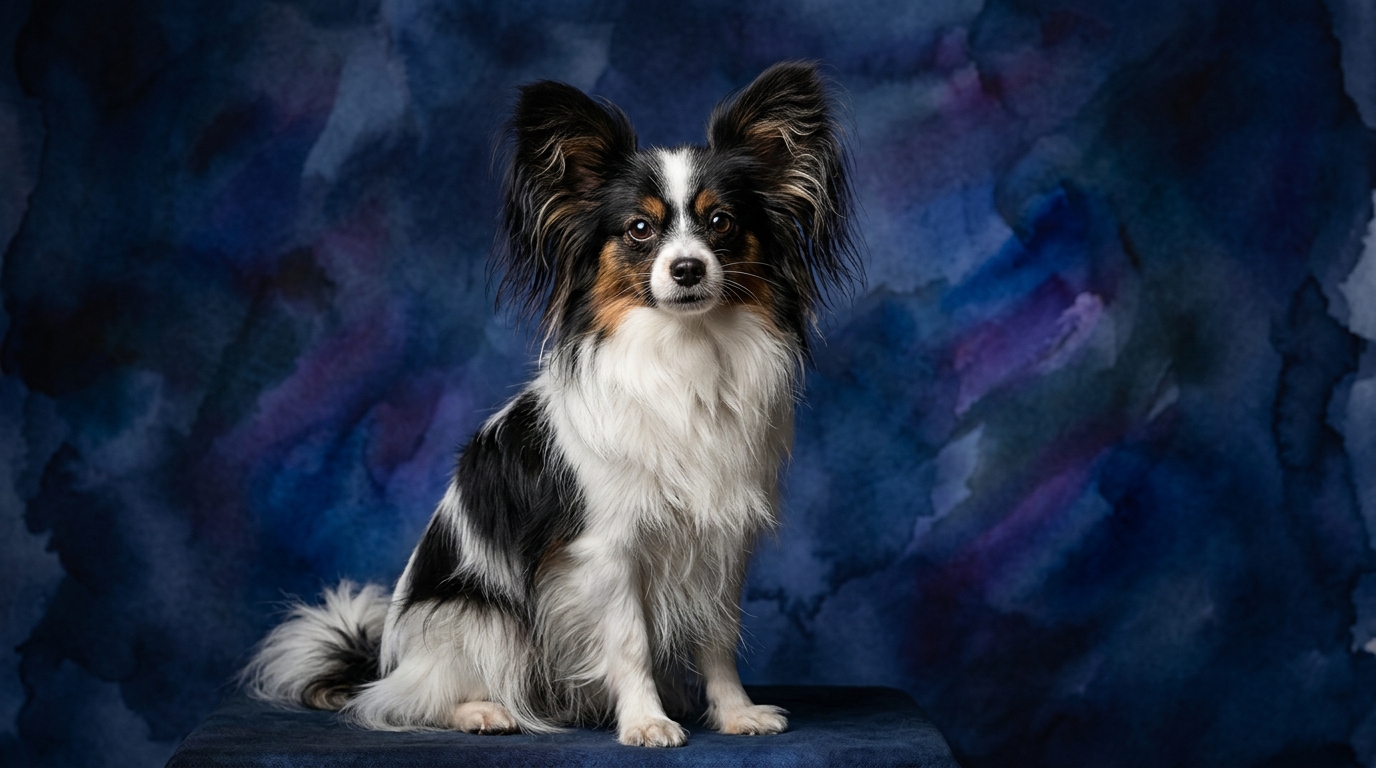
The Papillon, a toy breed ranked #8 by Coren for working and obedience intelligence, presents a compelling cognitive profile. They achieve a perfect 5/5 in problem solving, demonstrating a remarkable capacity for navigating complex scenarios and figuring out novel challenges. Their training speed also scores a 5/5, indicating they grasp new commands and routines with exceptional swiftness. Social intelligence registers a strong 4/5, reflecting their attunement to human cues and a desire for connection. Their instinctive drive is a moderate 3/5, suggesting some natural curiosity or chase instincts but not the intense, directed drives of working breeds. Finally, their memory is rated 5/5, allowing them to retain a vast repertoire of learned behaviors and experiences.
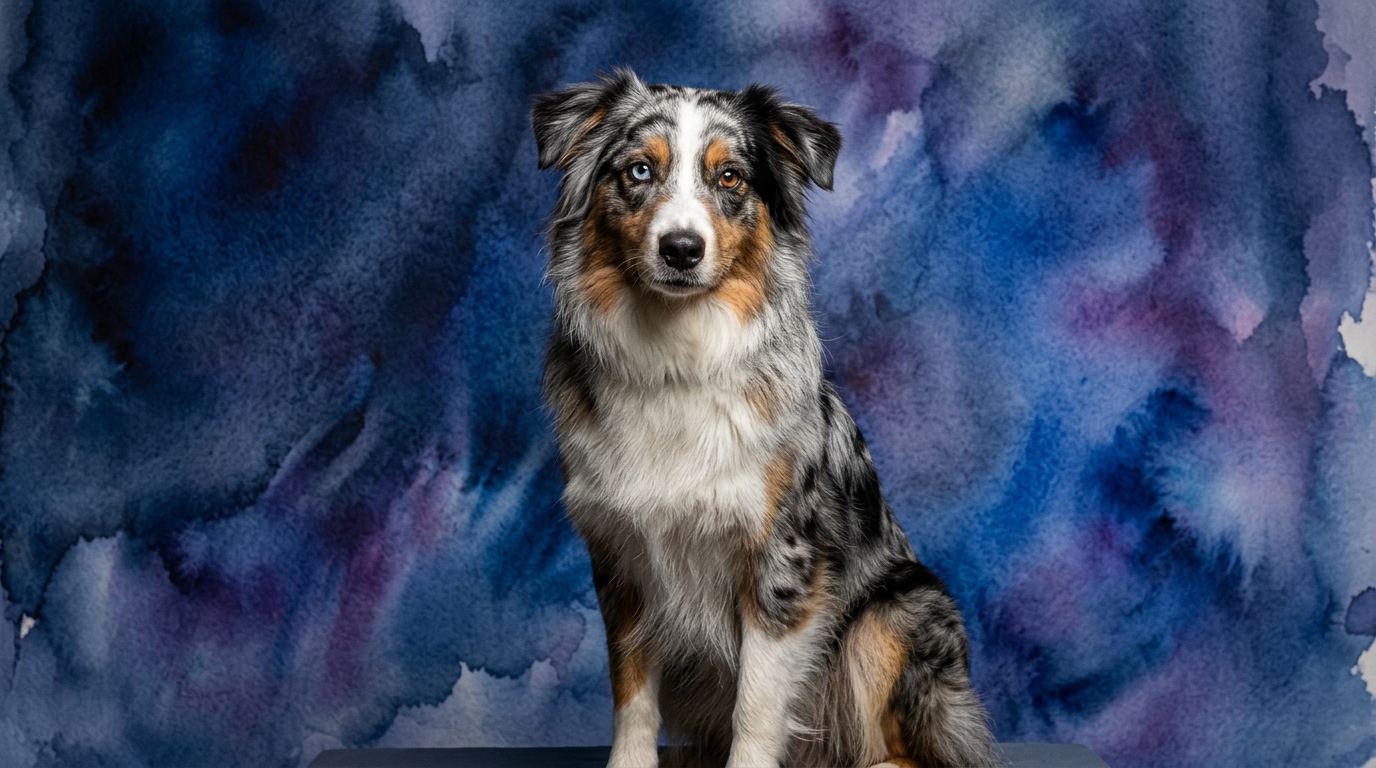
The Australian Shepherd, a herding breed, while not Coren-ranked, showcases an equally impressive, albeit differently nuanced, set of cognitive strengths. They match the Papillon with a 5/5 in problem solving, capable of intricate task completion and adapting strategies on the fly. Their training speed is also a perfect 5/5, indicating a rapid assimilation of instructions and a keen willingness to learn. Social intelligence stands at 4/5, forming deep bonds with their handlers and exhibiting perceptive awareness of their environment, though often reserved with strangers. Where they truly diverge is their instinctive drive, scoring a maximum 5/5, reflecting their powerful genetic predisposition for herding, guarding, and sustained activity. Like the Papillon, their memory is rated 5/5, enabling them to recall complex sequences and past experiences with precision.
Where the Papillon Excels Cognitively
The Papillon's cognitive strengths shine in environments where their agility and quick wit can be applied to intricate, close-quarters tasks. Their compact size, combined with a 5/5 problem-solving score, allows them to excel in detailed manipulation puzzles or navigating complex agility courses designed for smaller dogs. They can quickly learn to operate various interactive toys, open latches, or perform multi-step tricks that require fine motor control and sequential understanding.
Furthermore, the Papillon's lower instinctive drive (3/5) compared to the Australian Shepherd means their problem-solving energy is often directed more towards human-centric engagement rather than intense environmental management or herding. This makes them particularly adept at learning nuanced social cues and responding to subtle human body language, thriving on mental stimulation that involves intricate communication and cooperative play within a domestic setting. Their robust memory (5/5) means these detailed lessons are retained with ease, making them consistent performers once a task is mastered.
Where the Australian Shepherd Excels Cognitively
The Australian Shepherd's cognitive prowess is best observed in scenarios demanding sustained mental and physical effort, often over varied terrain or for extended periods. Their 5/5 problem-solving ability is coupled with a profound 5/5 instinctive drive, translating into a dog that can strategize and adapt while performing demanding herding tasks, complex scent work, or intricate obedience routines. They don't just solve problems; they endure through them, maintaining focus and drive.
Their strength lies in the integration of their physical capabilities with their mental acuity. An Australian Shepherd can quickly learn and execute multi-part commands in an expansive field, remembering specific markers, targets, and routes. This combination of memory, problem-solving, and a powerful work ethic makes them exceptional at tasks requiring initiative, decision-making under pressure, and a deep understanding of their environment, whether it's managing livestock or navigating advanced dog sports.
Training Ease: A Matter of Management
Both the Papillon and Australian Shepherd boast a perfect 5/5 training speed, indicating an exceptional capacity for learning new commands and behaviors rapidly. However, the *ease* of training can differ significantly based on the owner's experience and the dog's inherent drives. A Papillon’s moderate instinctive drive (3/5) means they are generally less prone to strong impulses like herding or intense prey drive, which can simplify foundational obedience. Their focus is often more readily directed towards the handler in a controlled environment, making early training sessions potentially smoother for a novice owner.
Conversely, while an Australian Shepherd learns commands with equal speed, their powerful 5/5 instinctive drive necessitates a more structured and consistent approach to training. Without proper channeling, this drive can manifest as nipping at heels, circling family members, or intense chasing behaviors. Therefore, training an Australian Shepherd often requires a dedicated commitment to redirecting and harnessing these natural instincts into productive outlets, such as herding games, advanced obedience, or scent work, to prevent undesirable behaviors. For an experienced handler, this drive is a tremendous asset, but for a first-time dog owner, managing an Aussie's intense mental and physical needs can present a steeper learning curve than with a Papillon.
Matching Canine Cognition to Lifestyle
For owners who prefer a more relaxed yet mentally stimulating lifestyle, the Papillon presents an ideal companion. While they thrive on mental engagement like trick training, puzzle toys, and agility, their physical exercise requirements are moderate. They are adaptable to apartment living and enjoy shorter, regular walks, making them suitable for individuals who can provide consistent cognitive challenges indoors but may not have the capacity or desire for extensive outdoor adventures. Their social intelligence (4/5) ensures they are responsive and engaging companions within the home, forming close bonds with their family.
The Australian Shepherd, conversely, is best suited for active owners who are prepared for a significant commitment to both physical exertion and structured mental work. Their combination of 5/5 problem-solving, 5/5 training speed, and 5/5 instinctive drive means they need a 'job' to feel fulfilled. This could involve daily vigorous exercise, participation in dog sports like agility, flyball, or herding, or even working roles. Owners who lead an active outdoor lifestyle and are dedicated to providing consistent, challenging activities will find an Australian Shepherd to be an unparalleled partner, thriving on purpose and sustained engagement.
The Verdict
Choose the Papillon if you seek a compact, adaptable companion who excels at mental gymnastics and close human interaction without demanding extensive physical exercise.
Opt for the Australian Shepherd if you are an active, dedicated individual or family prepared to provide daily vigorous activity, structured training, and a 'job' for a robust, working partner.
🧠 Find Your Pet's IQ Score
Our Pet IQ Lab assessment covers 25+ tests across 5 cognitive dimensions — personalized to your breed.
Take the Full IQ Test →Frequently Asked Questions
Do Papillons need a lot of mental stimulation?
Yes, Papillons absolutely thrive on mental stimulation. With a 5/5 problem-solving score and 5/5 memory, they require regular engagement through trick training, puzzle toys, and interactive games to prevent boredom and ensure their cognitive needs are met. This mental exercise is as important as their physical activity.
Can an Australian Shepherd be a good family dog?
An Australian Shepherd can be an excellent family dog for active households that understand and meet their significant needs for exercise and mental stimulation. Their 4/5 social intelligence means they form strong bonds with their family, but their intense instinctive drive requires consistent training and management to ensure they are well-behaved around children and other pets.
Which breed is better for apartment living?
The Papillon is generally better suited for apartment living due to their smaller size and more moderate exercise requirements. While they still need daily walks and mental games, their physical needs are more easily met in a smaller space compared to the Australian Shepherd, which requires much more room to run and engage in strenuous activities.