Side-by-Side Cognitive Profiles
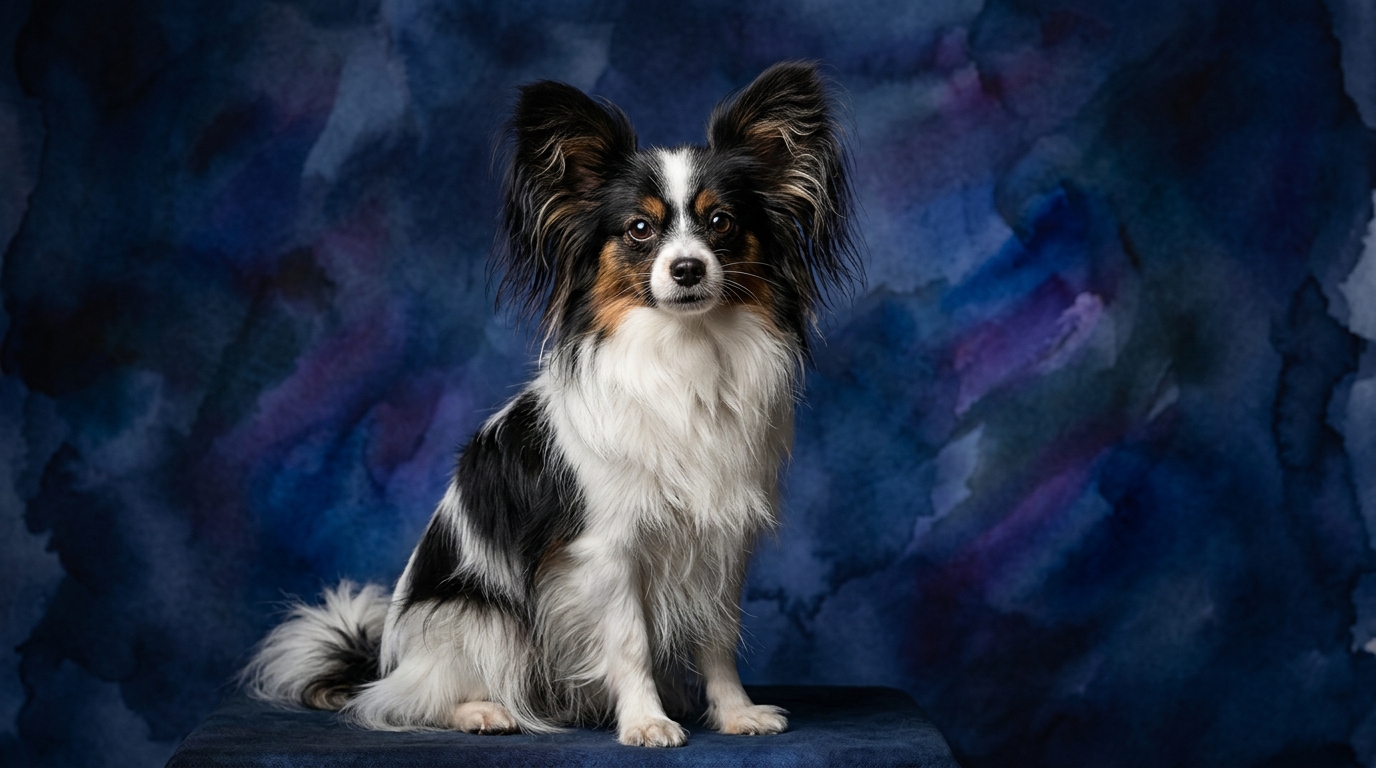
The Papillon, a spirited Toy breed, registers an impressive Coren rank of #8, signaling a robust capacity for working and obedience intelligence. Their problem-solving acumen is rated 5/5, indicating an exceptional ability to analyze novel situations and devise effective strategies independently. This breed's training speed also stands at a perfect 5/5, suggesting they grasp new commands and routines with remarkable rapidity, often requiring minimal repetition to solidify learning. Social intelligence is strong at 4/5, enabling them to keenly interpret human cues and navigate social dynamics, though their primary focus might lean more towards task engagement than pure reciprocal emotional exchange. Their instinctive drive is moderate at 3/5, meaning they possess natural predispositions but these are generally manageable and can be channeled through appropriate activities. A memory score of 5/5 underscores their excellent retention of learned behaviors, intricate sequences, and recognition of individuals and environments over extended periods.
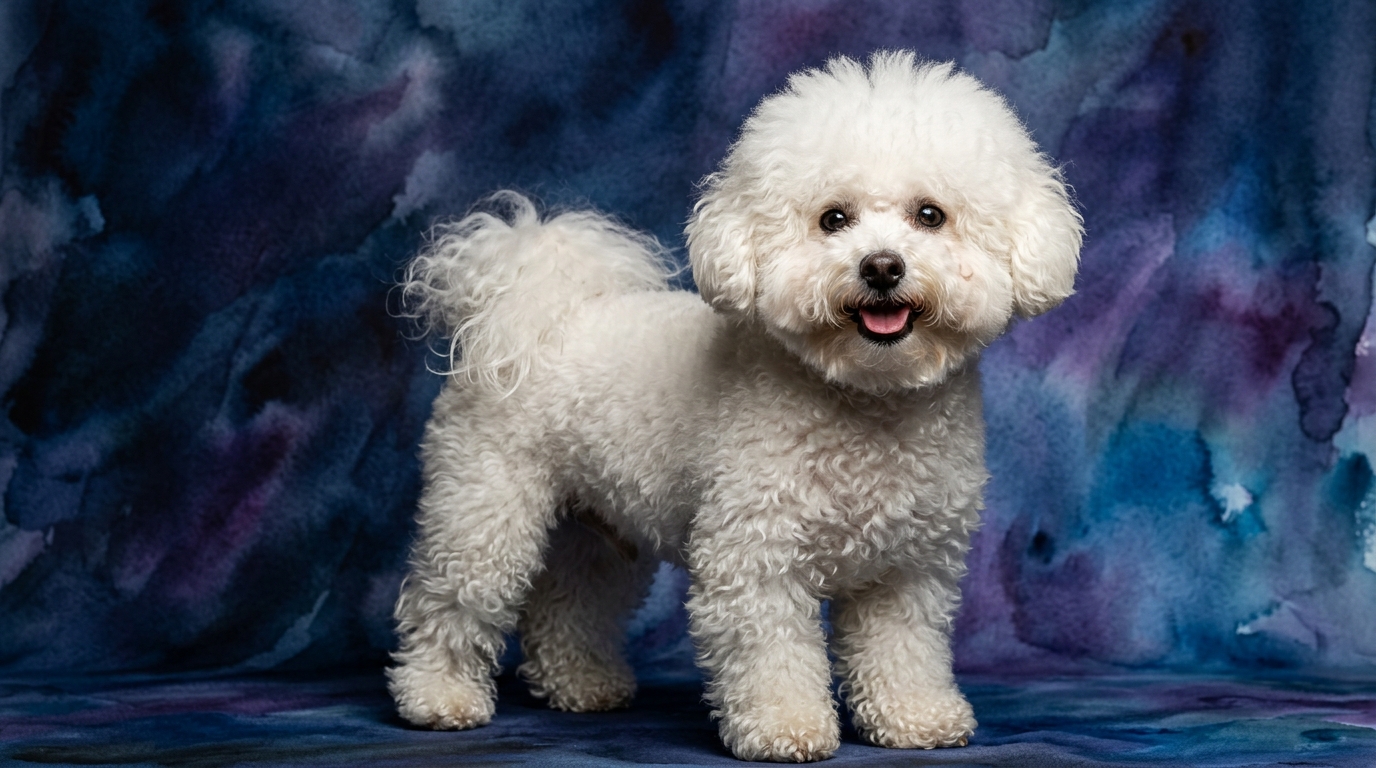
In contrast, the Bichon Frisé, a charming Non-Sporting breed, holds a Coren rank of #45, indicating a moderate but capable working and obedience intelligence. Their problem-solving ability is rated 3/5; they can tackle straightforward challenges but may require more structured guidance and patience for complex tasks. Training speed is also 3/5, meaning they learn at a steady pace, benefiting significantly from consistent, positive reinforcement rather than quick-fire instruction. Where the Bichon truly shines is in social intelligence, scoring a perfect 5/5. This reflects an outstanding capacity for empathy, harmonious interaction with humans and other animals, and an innate drive for companionship. Their instinctive drive is low at 2/5, making them less prone to strong innate urges like chasing or territorial marking, which contributes to their adaptable nature as household pets. Memory for the Bichon Frisé is rated 3/5, suggesting they retain information adequately but may benefit from occasional refreshers for less frequently practiced skills.
Where the Papillon Excels Cognitively
The Papillon's cognitive strengths are evident in their exceptional capacity for independent thought and rapid acquisition of knowledge. Their 5/5 problem-solving score means they are adept at navigating complex environments, figuring out how to open gates, or even strategically 'outsmarting' a puzzle toy. This innate curiosity and analytical skill make them formidable contenders in cognitive challenges.
Furthermore, the Papillon's perfect scores in training speed and memory mean they not only learn new commands almost instantly but also retain that information with remarkable fidelity over time. This allows them to build an extensive behavioral repertoire, master intricate trick sequences, and excel in advanced dog sports like agility, obedience, and rally, where precise execution and recall are paramount. Their ability to generalize learned behaviors to novel situations is a hallmark of their cognitive flexibility.
Where the Bichon Frisé Shines Cognitively
The Bichon Frisé's primary cognitive triumph lies in their unparalleled social intelligence, rated at 5/5. This breed possesses an extraordinary ability to read and respond to human emotional states, offering comfort and fostering profound emotional bonds. Their natural inclination towards harmonious interaction makes them exceptional companions, often intuitively understanding when their human needs a comforting presence or a playful distraction.
Their low instinctive drive (2/5) further enhances their suitability for companionship by minimizing behavioral challenges often stemming from strong innate urges. While not a 'cognitive win' in the traditional sense of problem-solving, this trait contributes to a calm, adaptable temperament that allows their social intelligence to flourish without being overshadowed by strong predatory or territorial instincts. This makes them particularly adept at roles requiring gentle interaction, such as therapy or emotional support animals, where their empathetic understanding is invaluable.
Ease of Training: A Comparative Look
When it comes to ease of training, the Papillon generally presents a more straightforward and rapid experience. Their 5/5 scores in problem-solving, training speed, and memory mean they grasp new concepts with astonishing speed, often anticipating what is expected of them. They require fewer repetitions to solidify behaviors and are quick to generalize lessons to different contexts. For instance, a Papillon might learn 'sit' and 'stay' in one session and apply it reliably in various environments shortly thereafter. However, their sharp minds also mean they can become bored if not adequately stimulated, potentially leading to mischievous or self-directed behaviors if training is inconsistent or insufficient.
The Bichon Frisé, with 3/5 scores in training speed, problem-solving, and memory, requires a more patient and consistent approach. While perfectly capable of learning, they may take longer to master new commands and benefit greatly from short, engaging training sessions steeped in positive reinforcement. Their high social intelligence means they respond best when training is framed as a collaborative, enjoyable bonding activity rather than a strict task. They might take more repetitions to achieve fluency in a command, but their eagerness to please their human companions and lower instinctive drive often means they are less prone to distractions from external stimuli, making them diligent students under the right guidance.
Matching Breeds to Owner Lifestyles
For active owners seeking a mentally engaging companion, the Papillon is an ideal match. Their high scores in problem-solving, training speed, and memory indicate a profound need for mental stimulation beyond basic exercise. Owners who enjoy teaching complex tricks, participating in dog sports like agility or flyball, or engaging in regular brain games will find the Papillon thrives on these challenges. They are not content with mere physical activity; their agile minds demand consistent opportunities to learn, analyze, and perform, making them wonderful partners for those who enjoy interactive, goal-oriented activities with their canine.
Conversely, the Bichon Frisé is well-suited for more relaxed owners who prioritize companionship and harmonious living. While they still require regular, moderate exercise to stay healthy, their primary need is consistent human interaction and affection, driven by their 5/5 social intelligence. They are content to be a loving presence in the home, enjoying gentle play, cuddles, and being included in daily family routines. Owners who appreciate a dog that is exceptionally attuned to their emotional state and thrives on close proximity will find the Bichon Frisé's cognitive strengths perfectly align with a more laid-back, yet deeply connected, lifestyle.
The Verdict
Choose a Papillon if you seek a cognitively agile companion eager for complex training, dog sports, and mental challenges, capable of independent thought and rapid learning.
Choose a Bichon Frisé if your priority is an exceptionally social, affectionate companion that excels in harmonious family living and thrives on close human interaction, with moderate training needs.
🧠 Find Your Pet's IQ Score
Our Pet IQ Lab assessment covers 25+ tests across 5 cognitive dimensions — personalized to your breed.
Take the Full IQ Test →Frequently Asked Questions
Are Papillons good for first-time dog owners?
Papillons can be suitable for first-time owners who are prepared to provide consistent mental stimulation and positive reinforcement training. Their quick learning makes them responsive, but their intelligence also means they can develop unwanted behaviors if bored or undirected.
Do Bichon Frisés bark a lot?
Bichon Frisés can be prone to barking, especially if left alone for extended periods or if not properly socialized. Their strong social intelligence means they thrive on companionship and may vocalize out of loneliness or to alert their owners to perceived threats.
Which breed is better for apartment living?
Both breeds can adapt well to apartment living, provided their needs are met. Papillons require mental engagement and regular walks to satisfy their agile minds, while Bichon Frisés thrive on constant human companionship and moderate exercise, making either a good fit for attentive apartment dwellers.