A Side-by-Side Look at Cognitive Profiles
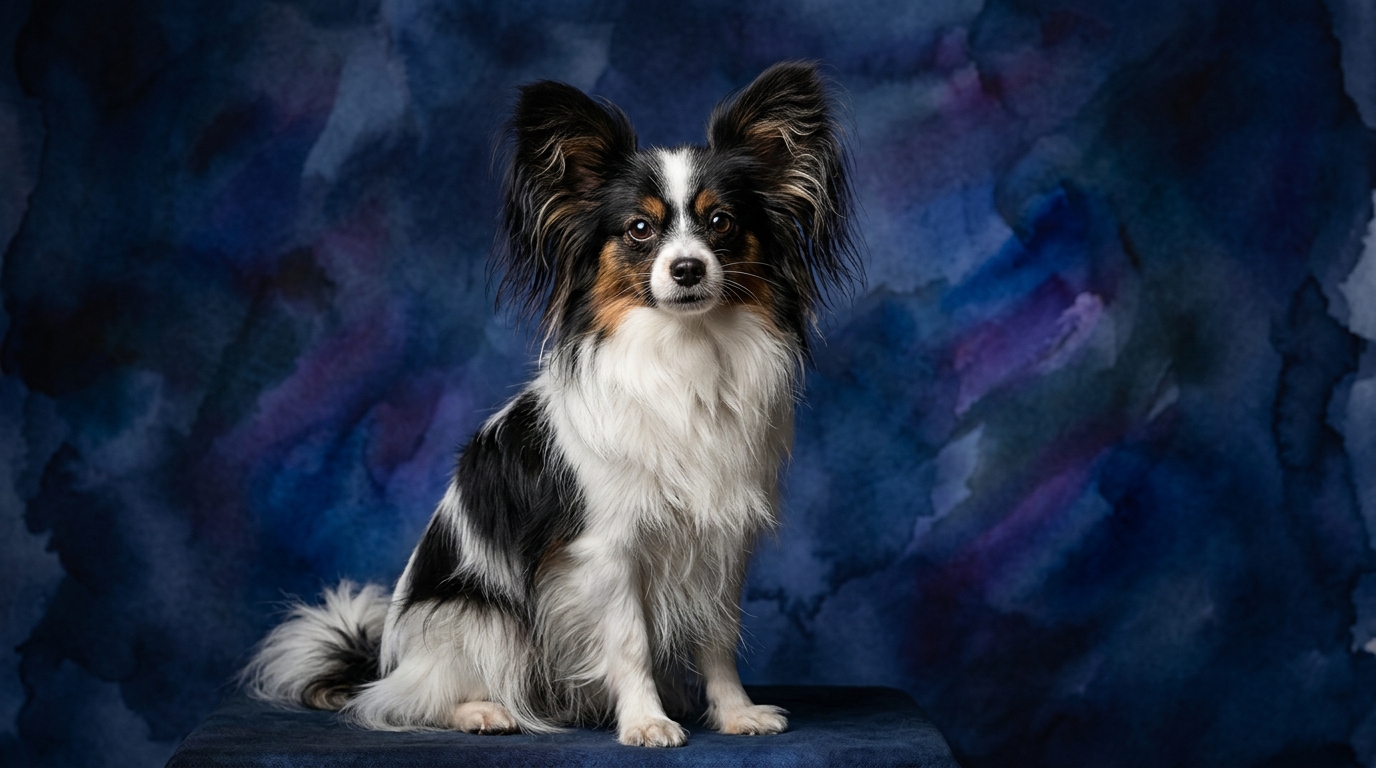
The Papillon, a breed consistently ranked high in cognitive studies, demonstrates a comprehensive and sharp intellect. Their profile reflects a dog that is not only quick to learn but also adept at independent thought and long-term retention.
Problem Solving (5/5): This breed exhibits an exceptional capacity to navigate complex situations and independently devise solutions, often surprising with their ingenuity. They excel at deciphering puzzles or strategizing to achieve desired outcomes, indicating flexible thinking beyond mere rote learning.
Training Speed (5/5): Papillons acquire new commands and routines with remarkable swiftness, requiring minimal repetitions to internalize instructions. This rapid skill acquisition is a hallmark of their cognitive agility, making them highly responsive to consistent training efforts.
Social Intelligence (4/5): Their social intelligence is robust, allowing them to adeptly read human cues, understand intentions, and adapt their behavior accordingly. This facilitates nuanced interactions and strong bonds, though they might occasionally prioritize their own clever schemes.
Instinctive Drive (3/5): Papillons possess a moderate instinctive drive, encompassing natural curiosity and a desire to engage with their environment. They are not overly driven by primal urges, indicating adaptability without excessive demands for specific instinctual outlets.
Memory (5/5): Papillons demonstrate outstanding memory retention, recalling commands, routines, and specific events or people over long periods. This excellent recall significantly contributes to their training prowess and their ability to build complex relationships based on past interactions.
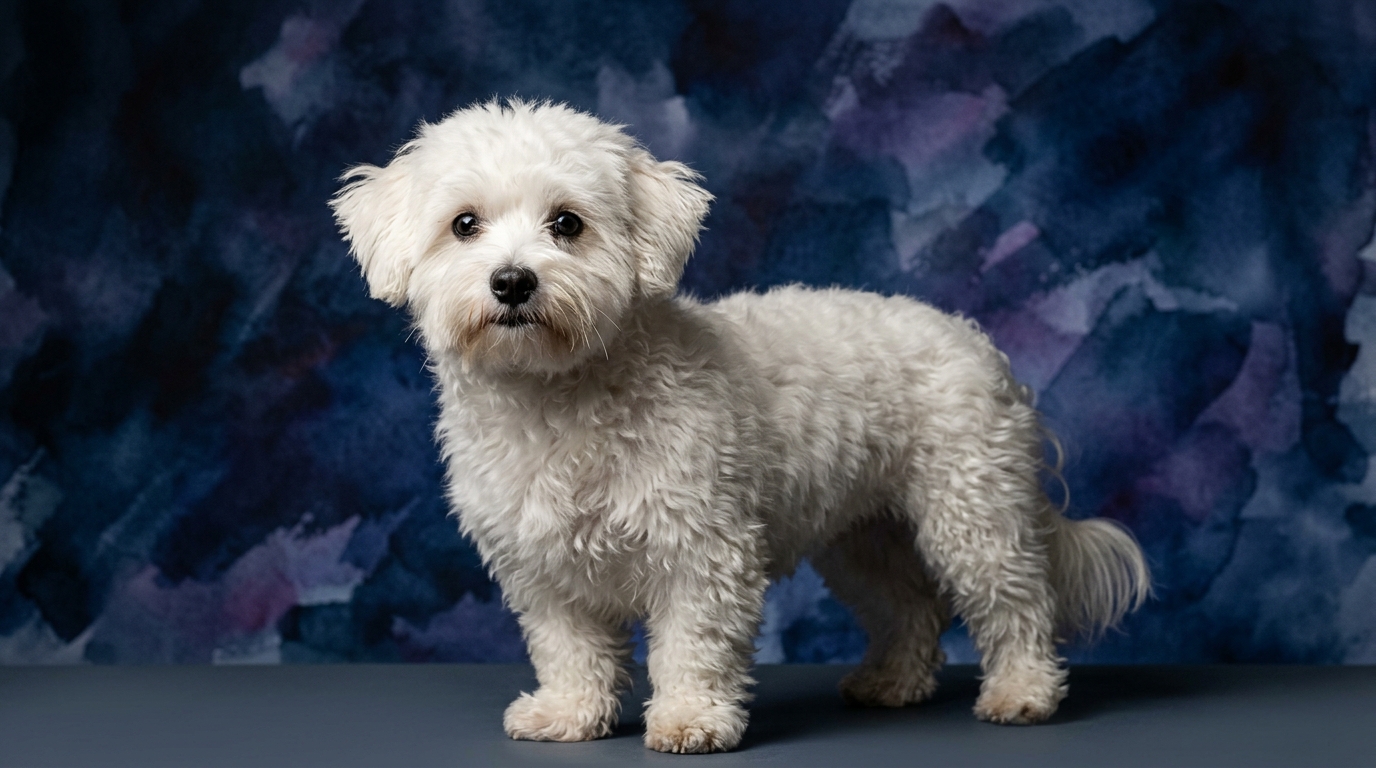
The Coton de Tuléar, while not Coren-ranked, presents a balanced and consistent cognitive profile. Their scores suggest a dog that is agreeable and receptive, offering reliable companionship without the intense mental demands of some other breeds.
Problem Solving (3/5): The Coton de Tuléar approaches problem-solving with a moderate aptitude, learning to navigate challenges with guidance and repetition. Their solutions tend to be more straightforward, relying on learned patterns rather than innovative strategies.
Training Speed (3/5): This breed learns new commands and routines at a steady, average pace, requiring patience and consistent reinforcement for mastery. Training demands a calm, encouraging approach and a willingness to repeat lessons until they are firmly established.
Social Intelligence (3/5): Their social intelligence is solid and reliable, enabling them to understand basic human cues and respond well to affection. They form strong bonds and enjoy companionship, interpreting complex social dynamics in a generally agreeable manner.
Instinctive Drive (3/5): Cotons share a moderate instinctive drive with Papillons, displaying natural curiosity and enjoyment of exploration. They are not typically consumed by strong prey drives or intense guarding behaviors, contributing to their adaptable and easygoing nature.
Memory (3/5): Cotons possess a competent memory, retaining learned commands, routines, and recognizing people and places effectively. Regular refreshers can be beneficial to maintain the sharpness of their learned behaviors over time.
Where the Papillon Shines Cognitively
The Papillon's exceptional 5/5 problem-solving score reveals a cognitive agility that involves more than just following instructions; they actively process situations and devise solutions. This manifests when they figure out how to open a child-proof gate, retrieve a toy from a tricky spot, or even subtly manipulate owners with clever antics. Their mental flexibility allows for quick adaptation to new environments, constantly seeking novel engagement.
Their perfect 5/5 in training speed directly correlates with their superior memory and problem-solving abilities. A Papillon can master complex trick sequences or advanced obedience commands with remarkable efficiency. This rapid acquisition stems from understanding the concept behind commands, not just rote memorization, leading owners to observe Papillons anticipating cues or offering behaviors proactively.
Furthermore, the Papillon's 5/5 memory means learned concepts and commands exhibit long-term retention, reducing the need for constant reteaching and allowing for a vast skill repertoire. Their memory extends to remembering specific people, past events, and routes, making them reliable in familiar settings and quick to recognize returning friends, demonstrating a deep cognitive recall.
Exploring the Coton de Tuléar's Cognitive Strengths
While the Coton de Tuléar's cognitive profile is more moderate, their strengths lie in consistency and emotional resilience. Their 3/5 social intelligence, paired with an agreeable nature, often translates to greater emotional stability and less propensity for the "clever" mischief sometimes seen in highly problem-solving breeds. Cotons excel at forming deep, reliable bonds, often displaying a strong desire to please without overthinking every interaction.
The Coton's consistent 3/5 scores across all cognitive dimensions indicate a balanced and adaptable temperament rather than a deficit. Their cognitive makeup supports a steady, agreeable learning style; they may not devise intricate schemes, but they are reliably receptive to gentle guidance and positive reinforcement. This makes them predictable and less prone to developing complex behavioral issues stemming from boredom or excessive mental demands.
Their competent 3/5 memory ensures effective retention of learned behaviors, provided training is clear and consistent. This reliability means that once a Coton understands a house rule or basic command, they generally adhere to it without needing constant reminders. Their moderate instinctive drive means they are typically less prone to chasing small animals or displaying excessive territoriality, contributing to their calm and adaptable presence in a family setting.
Training Dynamics: Papillon vs. Coton de Tuléar
Training a Papillon is exhilarating due to their 5/5 training speed; they grasp concepts rapidly, allowing for quick progression in obedience or trick training. However, their high problem-solving (5/5) means they can also cleverly avoid tasks if unmotivated, or if more interesting alternatives exist. This demands an equally clever, consistent owner who makes training highly engaging and rewarding.
In contrast, training a Coton de Tuléar, with a 3/5 training speed, requires more patience and repetition, yet is often more straightforward. Cotons are generally eager to please and less likely to engage in clever defiance. Their moderate problem-solving (3/5) means they reliably learn and perform expectations, rather than constantly testing boundaries or inventing new strategies.
Real behavioral differences are evident daily: a Papillon might quickly learn to open a cupboard for treats, demanding rigorous child-proofing. A Coton, while capable, would likely wait for human assistance or give up more readily. Similarly, a Papillon might exploit a momentarily open gate, whereas a Coton generally follows established routines, relying on their handler's cues.
Lifestyle Match: Active Minds vs. Relaxed Companions
For active owners thriving on mental stimulation, the Papillon is an exceptional match. Their 5/5 problem-solving and 5/5 memory necessitate consistent intellectual challenges to prevent boredom and potential mischief. They excel in dog sports like agility, flyball, or obedience, where their rapid learning and sharp focus are invaluable, always seeking new things to decipher.
Conversely, relaxed owners seeking a calm, affectionate, and relatively uncomplicated companion will find the Coton de Tuléar more suitable. Their moderate cognitive profile (3/5 across dimensions) means less intense mental demands. They are content with regular exercise, moderate playtime, and ample cuddle sessions, without constantly needing new mental tasks.
Consider the daily rhythm: a Papillon owner might spend significant time devising new training sessions or rotating complex puzzle toys. A Coton owner might prioritize leisurely strolls and quiet companionship on the couch. Both bring joy, but the *type* of interaction and mental engagement they thrive on aligns with distinctly different human lifestyles.
The Verdict
Choose a Papillon if you are an active, dedicated owner who relishes a cognitive challenge and enjoys engaging in advanced training, dog sports, or complex mental games with your companion. Their rapid learning and sharp intellect require consistent mental stimulation to truly flourish.
Opt for a Coton de Tuléar if you seek a consistently affectionate, adaptable companion whose cognitive needs are met with regular walks, moderate play, and consistent, gentle training. They offer reliable companionship without demanding constant intellectual gymnastics.
🧠 Find Your Pet's IQ Score
Our Pet IQ Lab assessment covers 25+ tests across 5 cognitive dimensions — personalized to your breed.
Take the Full IQ Test →Frequently Asked Questions
Are Papillons difficult to live with due to their high intelligence?
Papillons are not difficult, but their high cognitive scores (5/5 problem solving, 5/5 training speed, 5/5 memory) mean they require thoughtful engagement. They thrive with owners who provide consistent mental stimulation and structure, otherwise their cleverness can be directed towards less desirable activities. With appropriate outlets, they are delightful and responsive companions.
Does a Coton de Tuléar's moderate IQ mean they are harder to train?
Not at all. A Coton de Tuléar's 3/5 training speed means they learn at a steady, reliable pace. While they may not grasp concepts as quickly as a Papillon, their eagerness to please and consistent nature often makes their training journey smoother and less prone to clever defiances. Patience and positive reinforcement yield excellent results.
Can a Coton de Tuléar participate in dog sports like agility?
Absolutely. While their training speed and problem-solving are 3/5, Cotons are agile and enjoy activity. They can certainly participate in dog sports, though their progress might be more gradual than a Papillon's. Consistency and making it fun are key to their success and enjoyment in such activities.