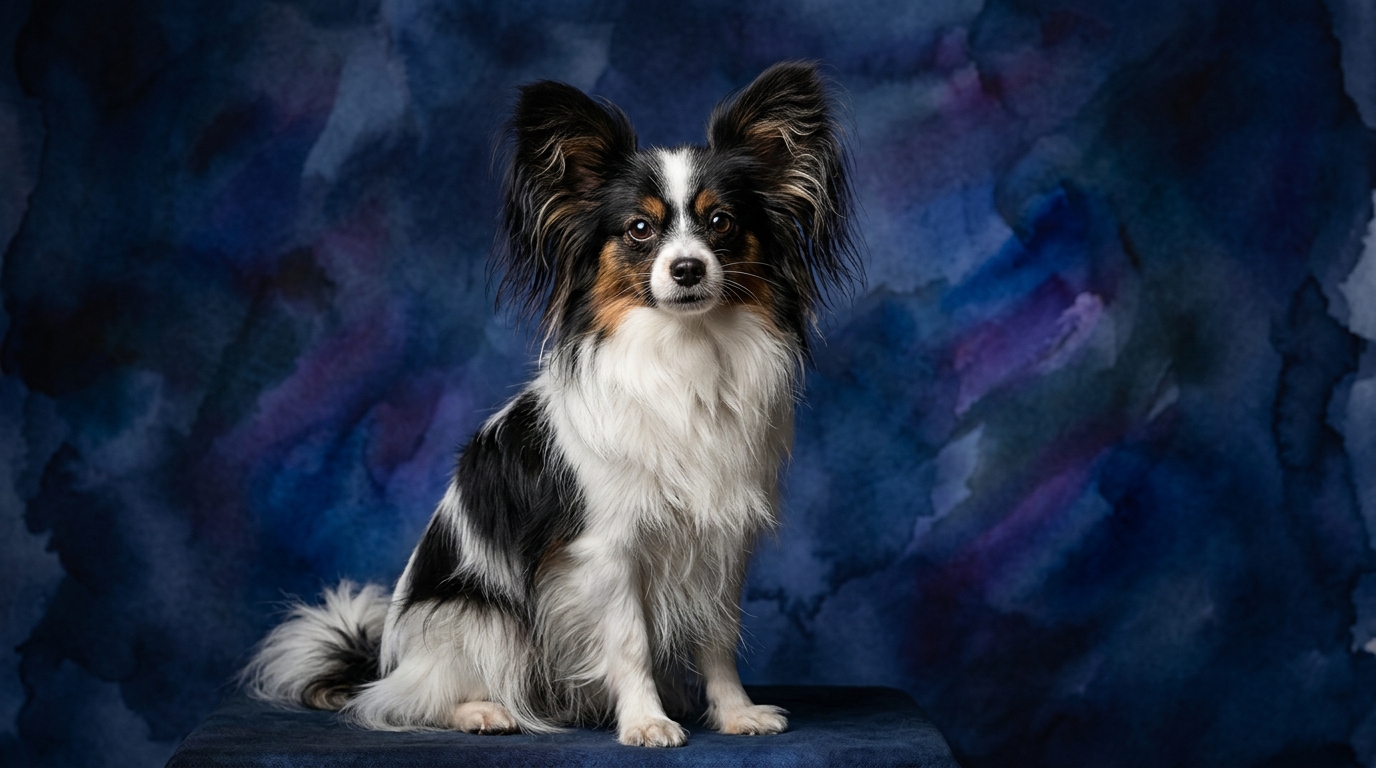
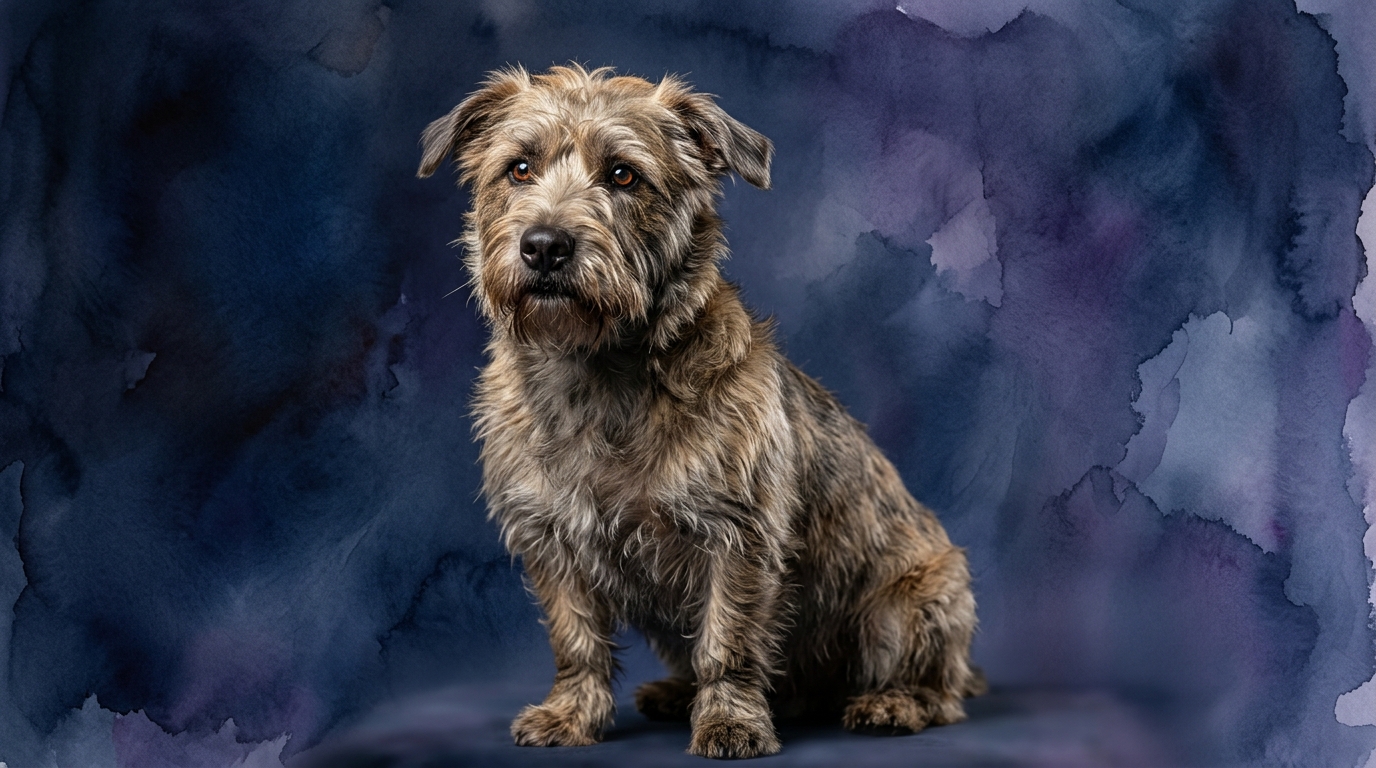
Side-by-Side Cognitive Profiles: Papillon vs. Glen of Imaal Terrier
The Cosmic Pet Pet IQ Lab employs a five-dimensional framework to assess canine intelligence, revealing nuanced differences between breeds. For the Papillon, a breed recognized for its mental agility, we observe exceptional scores across several key areas. Its Problem Solving is rated a perfect 5/5, indicating a dog that quickly grasps new concepts, navigates complex environments, and figures out novel challenges with minimal guidance. Complementing this is a Training Speed of 5/5, reflecting an eagerness and ability to rapidly acquire and retain commands, often delighting in the learning process itself. Social Intelligence stands strong at 4/5, suggesting a keen awareness of human emotions and social cues, allowing for adaptable interactions, though they might be discerning in their affections. Its Instinctive Drive is a moderate 3/5, meaning while they possess some natural dog behaviors, they are generally manageable and can be channeled effectively. Finally, their Memory is an outstanding 5/5, ensuring commands, routines, and past experiences are firmly imprinted.
In contrast, the Glen of Imaal Terrier presents a cognitive profile that, while different in its numerical values, speaks to a distinct and equally valuable set of mental strengths rooted in its working heritage. Its Problem Solving is rated 3/5, indicating a practical, tenacious approach to challenges; Glens are capable of figuring things out, but often on their own terms and with a sturdy resolve rather than a swift, abstract grasp. Training Speed also sits at 3/5, meaning they learn at a steady pace, but their independent terrier spirit often necessitates patience, consistency, and a strong understanding of their motivations. Social Intelligence is 3/5, reflecting a deep loyalty to their inner circle but often a reserved or watchful demeanor towards strangers, prioritizing security and familiarity. Their Instinctive Drive, also 3/5, is characteristic of terriers, manifesting as a drive for digging, chasing, and exploring, which requires appropriate outlets. Finally, their Memory is 3/5, sufficient for retaining essential commands and routines, though perhaps not with the same effortless recall or extensive repertoire as a Papillon, sometimes needing gentle refreshers.
Where the Papillon Shines Cognitively
The Papillon's cognitive architecture truly excels in areas demanding rapid assimilation, strategic thinking, and precise execution. Its 5/5 Problem Solving means it's often the first to understand complex sequences in dog sports like agility or rally obedience, quickly adapting to new courses or unexpected environmental changes. Owners frequently report Papillons "thinking through" obstacles or devising clever ways to retrieve a dropped toy, demonstrating an impressive capacity for practical reasoning. This breed doesn't just react; it analyzes and plans.
Furthermore, the Papillon's perfect 5/5 in Training Speed and Memory gives it a significant advantage in mastering an extensive vocabulary of commands and tricks. They absorb new instructions with remarkable efficiency, often requiring fewer repetitions than many other breeds. This quick learning, combined with their excellent memory, means a Papillon can maintain a vast behavioral repertoire, making them exceptional candidates for advanced obedience, canine freestyle, or even therapy work where nuanced responses are crucial. Their 4/5 Social Intelligence also allows them to finely tune their behavior based on human cues, making them highly responsive companions in various social settings.
The Distinct Cognitive Strengths of the Glen of Imaal Terrier
While the Glen of Imaal Terrier's scores might appear lower, they represent a different, equally valuable kind of cognitive strength, particularly suited to owners who appreciate a dog with independent thought and unwavering resolve. Their 3/5 Problem Solving, for instance, isn't about speed but about tenacity and practical application. A Glen might not solve a puzzle box as quickly as a Papillon, but it will approach it with a determined, persistent focus, often using its physical strength and terrier ingenuity to achieve its goal. This 'grit' means they are less likely to give up on a task once they've committed to it, especially if it aligns with their natural drives.
The Glen's 3/5 in Instinctive Drive, coupled with its moderate Problem Solving, creates a dog that is self-sufficient and capable of independent action. This isn't a dog that constantly looks to its owner for direction; rather, it assesses situations and acts with a certain autonomy, a trait valued by those who seek a companion with a strong sense of self. Their 3/5 Social Intelligence, focused on deep, loyal bonds with their family, means they offer a steadfast and protective presence, discerning in their attachments rather than broadly gregarious. This focused social connection can be a profound strength for individuals seeking an unwavering, devoted partner.
Training Dynamics: Papillon's Eagerness vs. Glen's Independence
When it comes to ease of training, the Papillon holds a clear advantage, largely due to its high scores in Training Speed (5/5), Problem Solving (5/5), and Memory (5/5). These dogs exhibit a genuine enthusiasm for learning and a strong desire to engage with their human companions. They pick up new commands with remarkable swiftness, often anticipating what is expected of them, and their excellent memory ensures that learned behaviors are retained over time. This makes them highly rewarding for owners who enjoy teaching complex tricks, participating in dog sports, or simply having a companion that responds reliably to cues. Their social intelligence also means they are adept at reading their handler’s body language and tone, further streamlining the training process.
The Glen of Imaal Terrier, with its 3/5 scores across Training Speed, Problem Solving, and Memory, requires a different approach. Their inherent terrier independence means they are less inclined to simply comply for the sake of pleasing; instead, they need to understand the 'why' behind a command or be adequately motivated. Training a Glen demands patience, consistency, and creative use of positive reinforcement, often leveraging their natural drives like scent work or digging as rewards. Real behavioral differences include their tendency to follow their nose or act on their own initiative if not given clear, engaging direction. While they are capable learners, owners must be prepared to be persistent and make training a collaborative effort rather than a one-sided instruction, understanding that a Glen's compliance comes from respect and engagement, not necessarily an inherent eagerness to please.
Matching Canine Minds to Lifestyles: Active Engagement vs. Steadfast Companionship
The Papillon's cognitive profile makes it an ideal match for owners who thrive on active mental engagement and enjoy participating in a variety of dog activities. Their high problem-solving abilities and rapid training speed mean they excel in dog sports like agility, rally obedience, and even competitive freestyle, where quick thinking and precision are paramount. These dogs need consistent mental stimulation to prevent boredom and channel their sharp minds constructively. Owners who love teaching new tricks, engaging in puzzle toys, or providing opportunities for complex learning will find the Papillon to be an incredibly rewarding and enthusiastic partner. While physically capable, their true 'activity' often lies in their mental agility, making them perfect for those who want a brainy companion to challenge and grow with.
Conversely, the Glen of Imaal Terrier is better suited for owners who appreciate a steadfast, independent companion and are prepared to engage with a dog on its own terms. While they need regular physical exercise, their mental stimulation often revolves around their natural terrier instincts, such as exploring new scents, supervised digging, or engaging in scent work. Relaxed owners, or those who prefer a dog with a more 'off-switch' indoors, might find the Glen's calm demeanor and less demanding need for constant mental 'work' appealing, as long as their core needs for outlets for their instinctive drives are met. They are not typically dogs that will endlessly perform tricks for attention; rather, they offer a quiet, resilient presence, making them suitable for owners who value a loyal, less overtly 'busy' companion, but who are also consistent and patient in their training and management.
The Verdict: When to Choose Each Canine Companion
The Verdict
Choose a Papillon if you seek a highly trainable, mentally agile companion eager for complex learning, dog sports, and constant engagement, thriving on a close, communicative partnership.
Opt for a Glen of Imaal Terrier if you appreciate a resilient, independent spirit with a practical mind, valuing deep loyalty and prepared to patiently guide a dog with a strong sense of self.
🧠 Find Your Pet's IQ Score
Our Pet IQ Lab assessment covers 25+ tests across 5 cognitive dimensions — personalized to your breed.
Take the Full IQ Test →Frequently Asked Questions
Are Papillons good for first-time dog owners?
Yes, Papillons can be excellent for first-time dog owners due to their high trainability and eagerness to please. Their intelligence makes them quick learners, but owners must be prepared to provide consistent mental stimulation to keep their sharp minds engaged and prevent boredom-related behaviors.
Do Glen of Imaal Terriers get along with other pets?
Glen of Imaal Terriers can coexist with other pets, especially if socialized from a young age. However, their terrier instincts mean they might view smaller, furry animals as prey, so introductions must be supervised and careful, particularly with cats or other small pets.
What kind of mental stimulation do Glens need given their scores?
Despite their moderate scores, Glens need mental stimulation that taps into their practical, tenacious terrier nature. This includes puzzle toys that require persistence, scent work, supervised digging opportunities, and consistent, engaging training sessions that cater to their independent thinking rather than rote repetition.