Side-by-Side Cognitive Profiles: Papillon vs. Great Dane
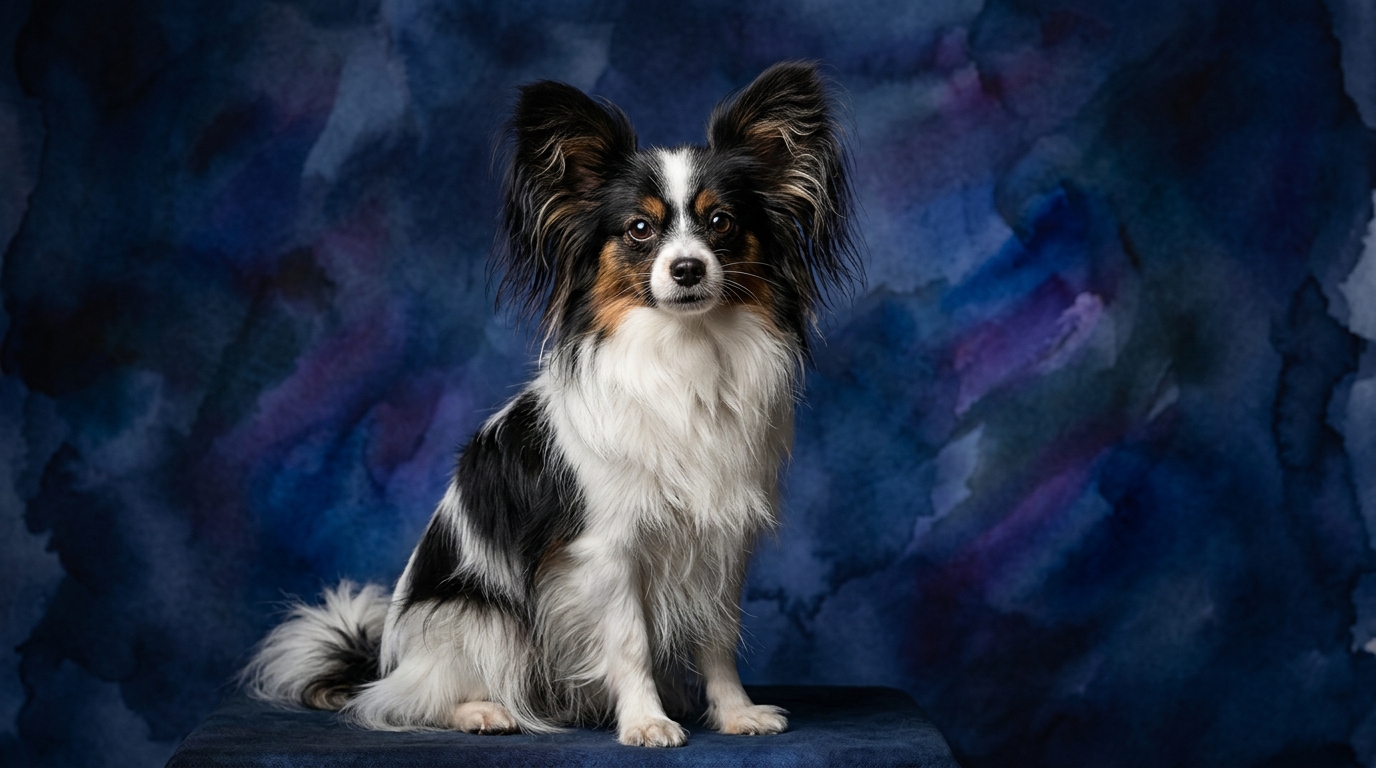
Our Pet IQ Lab analysis provides a detailed look at the cognitive strengths of both the Papillon and the Great Dane across five critical dimensions. The Papillon, a spirited Toy breed with a Coren rank of #8, displays an exceptional mental agility. Its Problem Solving is rated 5/5, indicating an outstanding capacity for independent thought and creative solutions, while its Training Speed also scores 5/5, reflecting rapid comprehension and retention of new commands. Social Intelligence is strong at 4/5, showing good adaptability in social contexts, and Memory is a perfect 5/5, signifying superior recall. Its Instinctive Drive is moderate at 3/5, suggesting a balanced level of inherent behaviors.
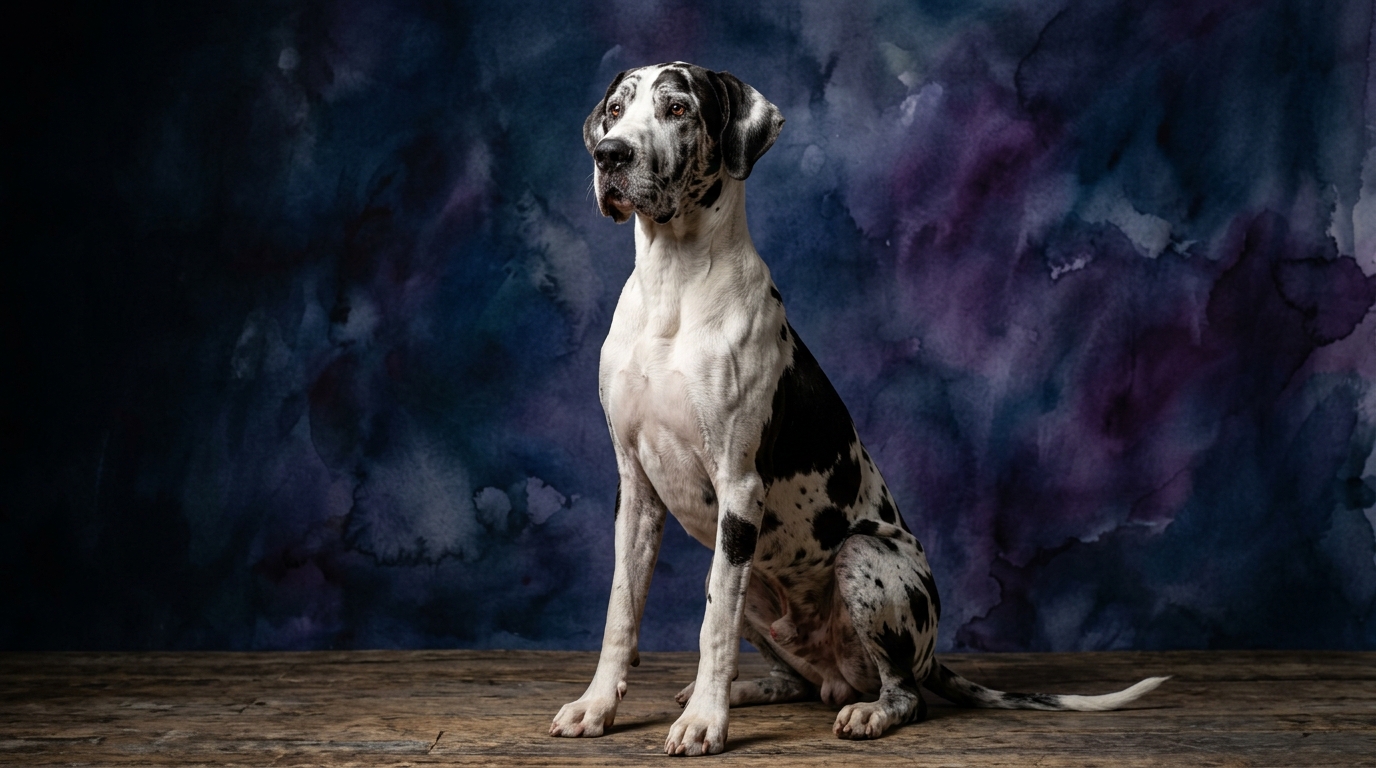
In contrast, the Great Dane, a majestic Working breed with a Coren rank of #48, approaches cognitive tasks with a different cadence. Its Problem Solving is rated 3/5, indicating a capability for solutions but often requiring more guidance for complex challenges. Training Speed is also 3/5, meaning it learns steadily with consistent instruction rather than instant grasp. Social Intelligence matches the Papillon at 4/5, highlighting its empathy and awareness within its human family. Instinctive Drive is moderate at 3/5, similar to the Papillon, suggesting manageable inherent behaviors. Memory is rated 3/5, functional but requiring more reinforcement for long-term retention compared to breeds with higher scores.
Where the Papillon Excels Cognitively
The Papillon’s cognitive prowess shines brightest in areas demanding mental agility and rapid learning. With a 5/5 score in Problem Solving, these small dogs demonstrate a remarkable ability to navigate complex environments and figure out solutions independently. They might intuitively bypass a barrier, manipulate objects to reach a desired item, or devise inventive ways to gain attention, often surprising owners with their cleverness and resourcefulness.
Their 5/5 Training Speed is another significant advantage. Papillons absorb new commands and routines with astonishing rapidity, often requiring only a handful of repetitions to solidify understanding. This makes them exceptional candidates for advanced obedience, trick training, and dog sports like agility, where quick comprehension and precise execution are paramount. Their eagerness to engage and their sharp focus translate into efficient learning sessions.
Furthermore, the Papillon’s perfect 5/5 Memory score means they retain learned information over extended periods with impressive fidelity. A command or trick taught months ago can be recalled with minimal prompting, demonstrating their capacity for long-term retention. This robust memory contributes to their consistent performance in training and their ability to apply past lessons to novel situations, making them reliable and adaptable companions.
Where the Great Dane Shows Its Unique Strengths
While not outscoring the Papillon numerically in individual metrics, the Great Dane’s cognitive strengths manifest in ways that align with its gentle giant persona and historical role. Its 4/5 Social Intelligence, while numerically matched with the Papillon, is often expressed through a profound empathy and a calm, reassuring presence. Great Danes are keenly attuned to human emotions, offering comfort and support simply through their proximity, making them exceptional emotional anchors in a family setting.
The Great Dane’s Problem Solving, rated 3/5, is often characterized by a thoughtful and deliberate approach rather than rapid experimentation. They may take longer to process complex situations, but once a solution is grasped, it's often executed with a powerful, decisive commitment. This steady, methodical problem-solving can be advantageous in scenarios requiring calm, sustained effort, such as patiently maneuvering around obstacles or carefully assessing a new environment.
Similarly, their 3/5 Instinctive Drive, though moderate, translates into a balanced protective nature. The Great Dane’s sheer physical presence often serves as a primary deterrent, meaning their guardian instincts rarely escalate to excessive aggression or relentless territoriality. This allows for a reliable, watchful companion whose inherent drives are typically expressed with a measured calmness, making them dependable family protectors without being overly reactive or prone to intense prey drives.
Training Dynamics: Ease and Efficacy
When it comes to ease of training, the Papillon clearly holds an advantage due to its 5/5 Training Speed and 5/5 Memory. These dogs are remarkably responsive to positive reinforcement, quickly connecting actions with desired outcomes. Their eagerness to please and sharp minds mean they can master complex sequences of commands, excel in competitive obedience, and learn intricate tricks with astonishing speed. Their compact size also makes physical guidance easier during initial training phases, facilitating quick behavioral shaping.
The Great Dane, with its 3/5 Training Speed and 3/5 Memory, requires a different approach: patience, consistency, and clear communication are paramount. While capable of learning, they are not as quick to pick up new concepts and may require more repetitions to solidify commands. Their large size necessitates early and consistent training in basic manners, such as leash walking and not jumping, to prevent safety issues as they mature. Great Danes respond best to positive reinforcement and a calm, confident trainer, thriving when training is engaging and consistent rather than rushed or overly demanding.
The Ideal Lifestyle Match: Active vs. Relaxed Owners
For active owners seeking a canine partner for mental and physical engagement, the Papillon is an exceptional choice. Their high problem-solving abilities and rapid training speed make them ideal for dog sports like agility, flyball, and competitive obedience, where they can channel their considerable mental energy. They thrive on consistent mental stimulation and physical activity, making them excellent companions for hikers, runners, or anyone who enjoys teaching new tricks and exploring diverse activities. Their portable size also makes them convenient travel companions for adventures.
Conversely, the Great Dane is often better suited for owners who appreciate a more relaxed, yet still engaged, lifestyle. While they certainly require regular exercise to maintain health, their disposition indoors is generally more laid-back once past puppyhood. They are content to lounge comfortably with their family, offering a calm and reassuring presence. Their considerable size makes them less suited for high-impact or extremely agile sports, but they enjoy daily walks, supervised playtime, and being a constant, gentle companion within the home. Their strong social intelligence means they thrive on close family bonds and a predictable routine.
The Verdict: Choosing Your Canine Companion
The Verdict
Opt for a Papillon if you seek a mentally agile, highly trainable companion eager to engage in complex learning, dog sports, and constant mental stimulation, thriving on interactive challenges.
Select a Great Dane if your lifestyle favors a gentle, empathetic giant whose calm presence and steady learning pace make them a devoted, protective family member, content with comfortable companionship.
🧠 Find Your Pet's IQ Score
Our Pet IQ Lab assessment covers 25+ tests across 5 cognitive dimensions — personalized to your breed.
Take the Full IQ Test →Frequently Asked Questions
Are Papillons good for first-time dog owners?
Their trainability and eagerness to please can make them suitable, but their need for mental stimulation means a first-time owner must be committed to engaging their sharp minds. They thrive with consistent, positive reinforcement and varied activities to prevent boredom-related behaviors.
How much exercise does a Great Dane need daily?
While they are large, Great Danes don't require extreme exercise. About 30-60 minutes of moderate activity, such as walks or supervised playtime in a secure yard, is usually sufficient for an adult. Over-exertion, especially during their growth phases, should be avoided to protect their developing joints.
Can a Papillon and a Great Dane live together peacefully?
Yes, with proper introductions and supervision, these breeds can coexist harmoniously. Their social intelligence allows them to adapt, but their vast size difference means interactions, especially during play, must be carefully managed to ensure the safety and well-being of the smaller Papillon.