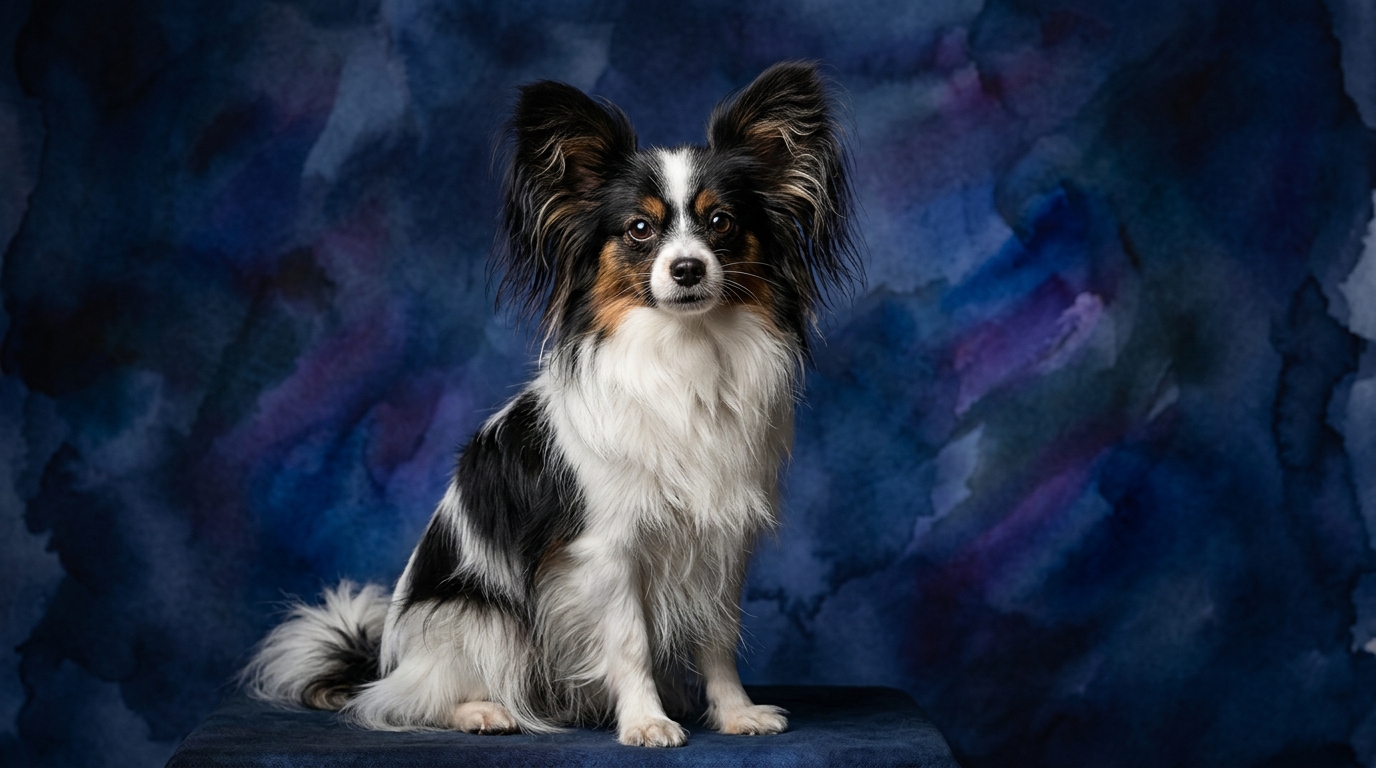
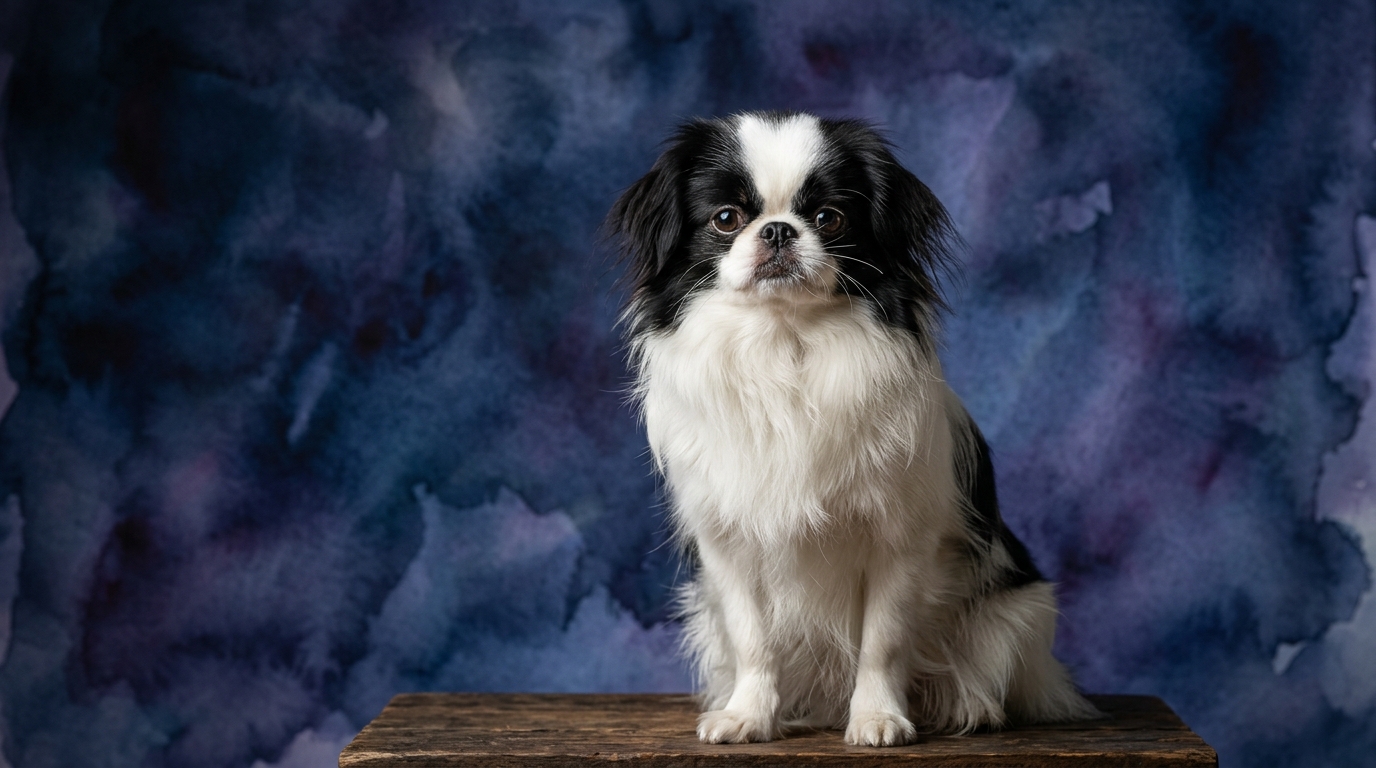
Side-by-Side IQ Profile: Unpacking Cognitive Dimensions
The Cosmic Pet Pet IQ Lab employs five key dimensions to map a breed's cognitive architecture, offering a nuanced understanding beyond simple labels. Let's explore how the Papillon and Japanese Chin measure up across these crucial facets. Problem Solving gauges a dog's capacity to navigate novel situations and figure out solutions independently, from opening latches to understanding complex routines. The Papillon achieves an exceptional 5/5 in this area, demonstrating a sharp, analytical mind, while the Japanese Chin registers a solid 3/5, indicating a respectable but less pioneering approach to puzzles. Training Speed reflects how quickly a dog grasps and retains new commands and behaviors, a critical factor for obedience and skill acquisition. Here, the Papillon truly shines with a perfect 5/5, suggesting rapid learning, whereas the Japanese Chin scores 3/5, implying a more deliberate pace. Social Intelligence assesses a dog's ability to interpret and respond appropriately to human cues, other animals, and social dynamics. The Papillon shows a refined understanding at 4/5, indicating strong communicative skills and empathy, while the Japanese Chin sits at 3/5, possessing adequate social awareness without being overtly demonstrative. Instinctive Drive measures the inherent urges for activities like hunting, herding, or guarding, which can manifest as energy levels or specific behavioral patterns. Both breeds share a moderate 3/5 in this dimension, suggesting neither is overwhelmingly driven by primal instincts. Finally, Memory evaluates a dog's ability to recall past experiences, commands, and learned associations over time. The Papillon exhibits a remarkable 5/5 memory, allowing for complex sequence recall, contrasting with the Japanese Chin's 3/5, which indicates competent but not extraordinary retention.
Where the Papillon Excels Cognitively
The Papillon's cognitive profile is marked by exceptional acumen across several critical dimensions, making it a standout among toy breeds. Its perfect 5/5 in Problem Solving means this breed isn't just following commands; it's actively assessing its environment, strategizing how to achieve a goal, and often figuring things out independently. Owners might observe a Papillon quickly learning how to open childproof gates, manipulate puzzle toys with ease, or even devise clever ways to get attention or access forbidden areas, demonstrating a proactive, inquisitive mind rather than simply reacting. This keen observational skill and capacity for independent thought are significant. Coupled with a 5/5 in Training Speed, the Papillon absorbs new information and behaviors with remarkable alacrity. It doesn't require extensive repetition to master a command; a few thoughtful sessions are often enough for concepts to stick. This translates into a dog that can progress rapidly through obedience, trick training, or even canine sports like agility, often anticipating cues and executing complex sequences smoothly. Furthermore, its 5/5 Memory ensures that these learned behaviors and problem-solving strategies are retained over long periods, making training efforts highly efficient and enduring. The Papillon's 4/5 in Social Intelligence further enhances its adaptability, allowing it to read subtle human expressions and intentions, fostering a deep, responsive bond and making it generally harmonious in various social settings.
Where the Japanese Chin's Cognitive Profile Offers Distinct Advantages
While the Japanese Chin's cognitive scores are consistently moderate at 3/5 across the board, this profile is not a deficit but rather an indicator of a balanced and often more placid mental landscape, offering unique advantages for specific owners. Its 3/5 in Problem Solving suggests a dog that is less inclined to constantly test boundaries or invent new ways to challenge its environment. This can translate into a more predictable and less demanding companion, one less likely to get into mischief by outsmarting its surroundings. For owners who prefer a serene home life without constant mental gymnastics, this measured approach to problem-solving is a definite benefit. The consistent 3/5 in Training Speed and Memory, while not as rapid as the Papillon, means the Japanese Chin is still perfectly capable of learning basic commands and routines. It simply requires a more patient, gentle, and consistent training approach, often thriving on positive reinforcement and clear, calm instruction. This steady learning pace can foster a deeper connection built on trust and understanding rather than quick command execution. Furthermore, its 3/5 in Social Intelligence indicates a dog that is amiable and generally good-natured, but perhaps less intensely focused on human interactions than a higher-scoring breed. This can make the Japanese Chin a superb choice for individuals seeking a companion that is affectionate without being overly clingy or prone to separation anxiety, capable of enjoying quiet independence. Its moderate 3/5 Instinctive Drive also means it's less prone to intense prey drive or excessive barking, contributing to its reputation as a calm indoor companion.
Training Ease: Papillon's Rapid Acquisition vs. Japanese Chin's Gentle Consistency
When comparing ease of training, the Papillon distinctly outpaces the Japanese Chin, a difference rooted deeply in their respective cognitive profiles. The Papillon’s perfect 5/5 in Training Speed means it picks up new commands and behaviors with remarkable quickness, often understanding what is expected after just a few repetitions. This rapid comprehension is bolstered by its 5/5 Problem Solving ability, allowing it to not just rote-learn but to genuinely understand the context and implications of commands. For instance, teaching a Papillon a multi-step trick or an agility course sequence is often a fluid process, as it remembers the steps (Memory 5/5) and figures out the most efficient way to execute them. Owners often find the Papillon to be an eager participant in training, thriving on mental stimulation and the challenge of learning new things. In contrast, the Japanese Chin, with its 3/5 in Training Speed, requires a more patient and consistent approach. It will learn, but at a more deliberate pace, and owners should be prepared for more repetition and gentle encouragement. Its 3/5 Memory means concepts might need more reinforcement over time to become deeply ingrained. While the Chin is willing to please its family, its 3/5 Problem Solving suggests it may not actively seek out complex mental challenges during training sessions. Training a Japanese Chin is less about speed and more about building a strong, trust-based relationship, utilizing positive reinforcement and keeping sessions short, fun, and free from pressure to avoid overwhelming its more sensitive nature. Real behavioral differences include the Papillon's tendency to offer behaviors proactively, while the Chin might wait for clearer, calmer direction.
Matching Breeds to Lifestyles: Active Engagement vs. Relaxed Companionship
The distinct cognitive profiles of the Papillon and Japanese Chin directly inform their suitability for different owner lifestyles, whether seeking an active cognitive partner or a serene companion. For active owners who relish mental engagement and participation in canine activities, the Papillon is an ideal match. Its 5/5 Problem Solving and Training Speed, combined with a 5/5 Memory, mean it thrives on challenge and learning. These dogs excel in activities like agility, obedience trials, rally, or even learning complex tricks, where their quick wit and ability to retain sequences are invaluable. They require daily mental stimulation beyond just physical exercise, craving puzzles, interactive games, and new commands to keep their sharp minds occupied. Their 4/5 Social Intelligence also makes them adaptable and generally eager to participate in social outings and meet new people and dogs, making them excellent companions for owners who enjoy a dynamic social life with their pet. Conversely, the Japanese Chin, with its consistent 3/5 across most cognitive dimensions, is perfectly suited for owners seeking a more relaxed and self-contained companion. While affectionate and enjoying interaction, the Chin isn't constantly demanding mental challenges or high-energy physical output. They are generally content with regular, moderate walks and plenty of quality time with their family, preferring to observe and enjoy quiet companionship rather than lead the charge in complex activities. Their moderate Instinctive Drive (3/5) ensures they are less prone to hyperactivity or intense behavioral quirks, making them excellent apartment dwellers or companions for individuals who prefer a calmer pace of life. They appreciate a predictable routine and a gentle, loving environment, offering a comforting presence without requiring constant, intense engagement.
The Verdict
Choose the Papillon if you seek a highly trainable, intellectually keen companion eager for mental challenges, canine sports, and active social engagement, thriving on consistent learning and interaction.
Opt for the Japanese Chin if you desire a serene, affectionate companion who appreciates a calmer lifestyle, gentle companionship, and a predictable routine without constant demands for high-intensity mental stimulation.
🧠 Find Your Pet's IQ Score
Our Pet IQ Lab assessment covers 25+ tests across 5 cognitive dimensions — personalized to your breed.
Take the Full IQ Test →Frequently Asked Questions
Is the Papillon a good choice for first-time dog owners?
The Papillon, with its high training speed and problem-solving abilities, can be a great choice for attentive first-time owners. They are quick learners but require consistent mental engagement to prevent boredom-driven behaviors, so understanding their need for enrichment is key.
Do Japanese Chins require a lot of physical exercise?
Japanese Chins have a moderate instinctive drive, meaning they don't require extensive physical exercise. Daily walks and indoor play are typically sufficient to keep them healthy and content, making them well-suited for apartment living or less active households.
How do the social needs of the Papillon and Japanese Chin compare?
The Papillon, with its 4/5 social intelligence, generally enjoys varied social interactions and can be quite outgoing, thriving on being part of family activities. The Japanese Chin, at 3/5, is affectionate with its family but tends to be more reserved with strangers and less outwardly demanding of constant social engagement, valuing calm companionship.