Side-by-Side IQ Profile
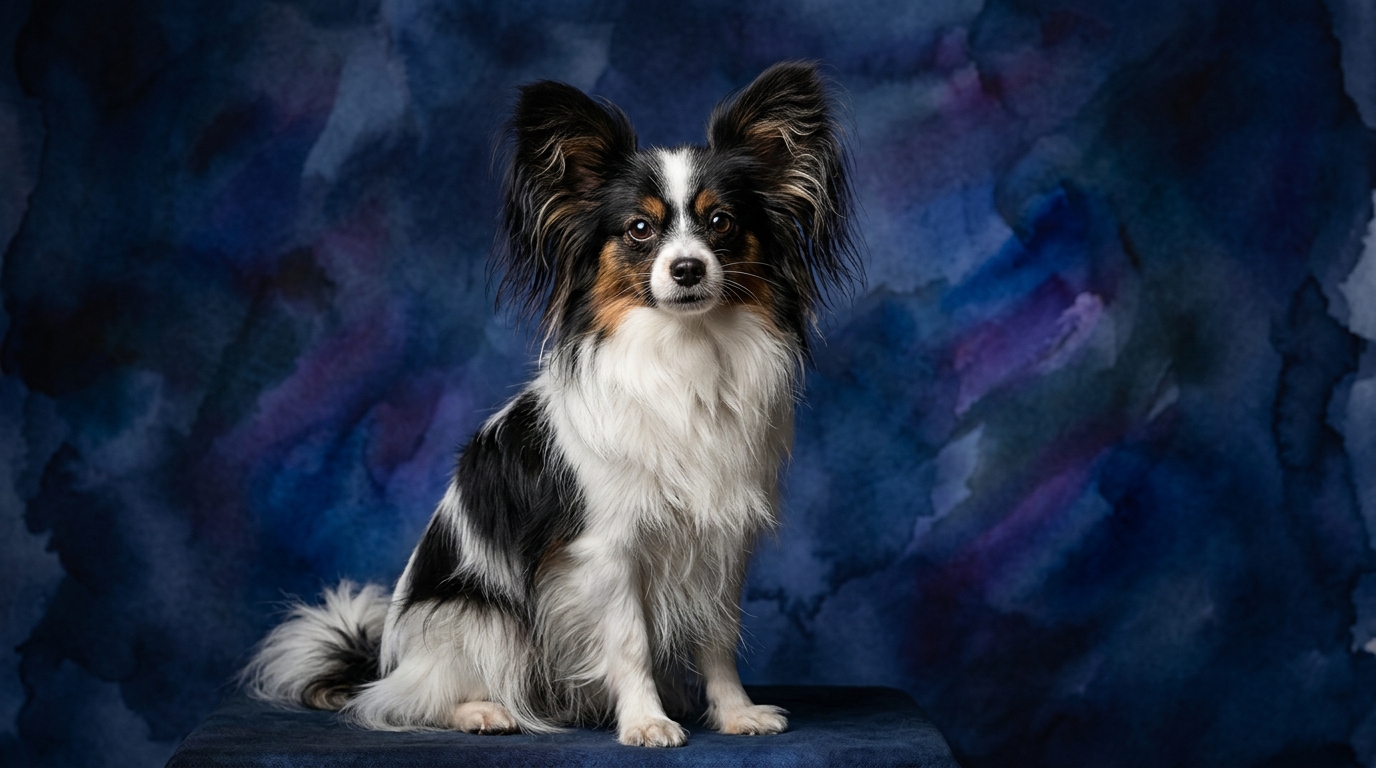
The Cosmic Pet Pet IQ Lab employs five core dimensions to assess a breed's cognitive strengths, providing a granular view of their mental makeup. For the Papillon, ranking #8 on the Coren scale, we observe an exceptional mental agility. Their Problem Solving score of 5/5 signifies a breed that quickly devises solutions to novel challenges, often demonstrating ingenuity in manipulating objects or navigating complex environments. This is complemented by a Training Speed of 5/5, indicating they grasp new commands and routines with minimal repetition, eager to engage in learning. Social Intelligence at 4/5 shows a keen awareness of human cues and social dynamics, allowing them to adapt their behavior effectively within a family structure, though they retain a degree of independent thought. Their Instinctive Drive, rated 3/5, suggests a moderate inclination towards ancestral behaviors like chasing small movements or herding, but it’s not overwhelming. Finally, a Memory score of 5/5 means they retain learned information, commands, and experiences over long durations, making them consistent performers once trained.
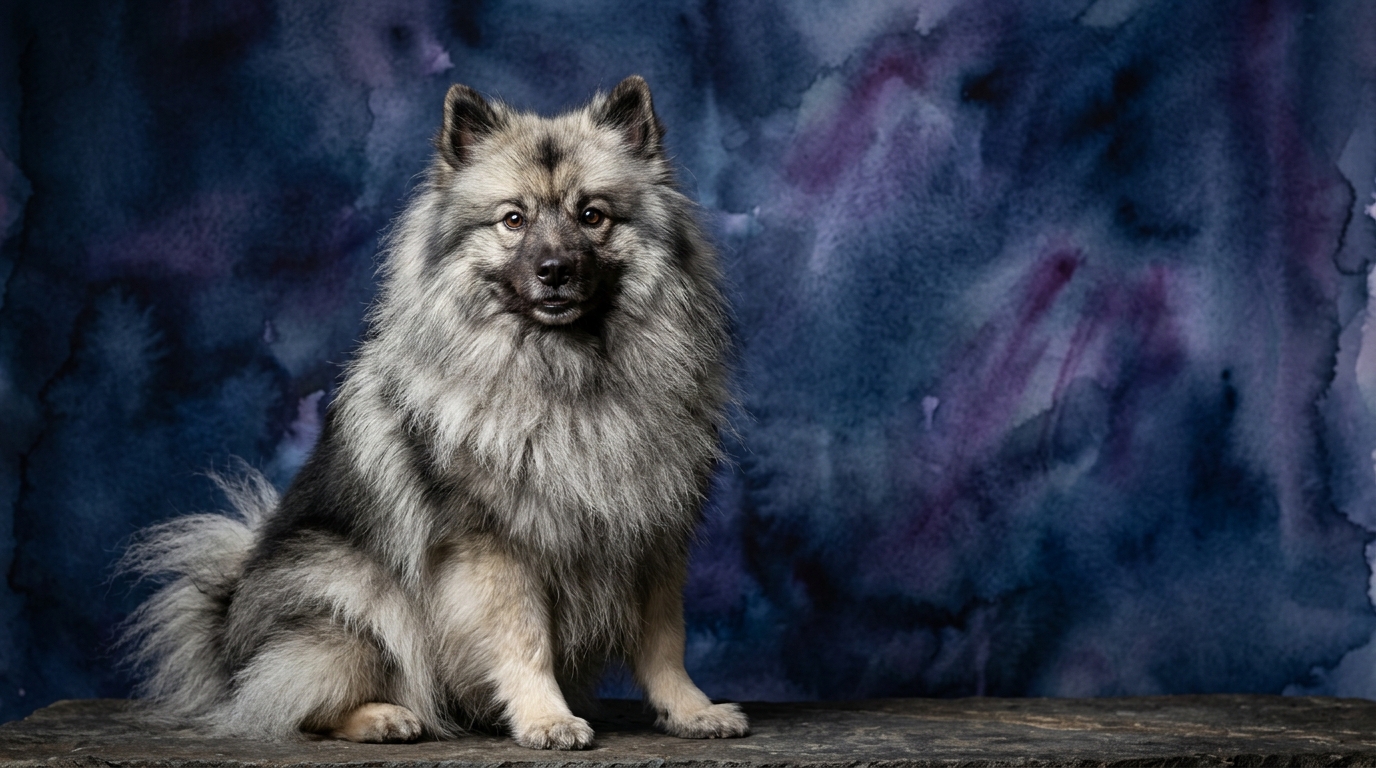
The Keeshond, a Non-Sporting breed with a Coren rank of #16, presents a slightly different cognitive profile, characterized by steady acumen. Their Problem Solving capability scores 4/5, meaning they are adept at figuring out practical solutions within their daily environment, though they might approach complex puzzles with a more deliberate, thoughtful pace than the Papillon. A Training Speed of 4/5 reflects their readiness to learn and respond to guidance, requiring consistent instruction but generally picking up commands efficiently. Social Intelligence, at 3/5, indicates a solid connection with their primary caregivers and a general amiability, but perhaps less emphasis on anticipating subtle human emotional shifts; their social bond is often expressed through loyalty and companionship rather than intricate interactive displays. Their Instinctive Drive, also 3/5, often manifests as a strong watch-dog tendency, barking to alert their family, and a desire to remain close to their human “pack.” Mirroring the Papillon, the Keeshond boasts a Memory score of 5/5, ensuring that once a lesson is learned or a routine established, it is retained reliably for extended periods.
Where Papillon Wins Cognitively
The Papillon’s cognitive edge is most apparent in its unparalleled Problem Solving and Training Speed, both earning a perfect 5/5. This breed exhibits a remarkable capacity for analytical thought, quickly assessing new situations and formulating effective strategies. For instance, a Papillon might swiftly decipher how to open a complex puzzle feeder or navigate an agility course with minimal prior exposure, demonstrating an intrinsic ability to connect actions with desired outcomes. Their rapid training acquisition means they absorb new commands almost instantly, often requiring only a handful of repetitions before mastering a new trick or behavior. This quick mental processing allows them to excel in advanced obedience, trick training, and dog sports, where intricate sequences and rapid responses are paramount. Their smaller size often aids in fine motor skill tasks, allowing them to manipulate objects with precision, further enhancing their problem-solving prowess in a domestic setting.
Where Keeshond Wins Cognitively
While the Papillon excels in rapid cognitive processing, the Keeshond demonstrates a distinct strength in steady, practical application and unwavering retention, reflected in their shared 5/5 Memory score. The Keeshond's cognitive wins are rooted in their reliability and thoughtful approach. Their 4/5 Problem Solving, though numerically lower, manifests as a practical intelligence focused on navigating their home environment and understanding routines. They excel at applying learned behaviors consistently over time, making them exceptionally dependable companions once a command or expectation is established. Their social intelligence, while a 3/5, is often expressed through a deep, stable bond with their family, demonstrating a profound understanding of their role within the household and a consistent desire to be involved. This translates into a comforting, predictable presence rather than a constantly challenging mental sparring partner. The Keeshond’s cognitive profile leans towards a robust, enduring comprehension that values consistency and applied knowledge, rather than purely innovative solutions.
Which Is Easier to Train and Why
Based on their respective IQ profiles, the Papillon is demonstrably easier to train due to its 5/5 scores in both Training Speed and Problem Solving. This breed possesses an innate eagerness to learn and a remarkable ability to grasp new concepts almost immediately. They thrive on mental engagement and find the process of learning new commands or tricks inherently rewarding, often requiring minimal repetitions before achieving mastery. Their keen observational skills and desire to please their human companions contribute to this rapid acquisition. For example, teaching a Papillon a multi-step trick like "fetch your leash" or "ring a bell" might take only a few short sessions.
The Keeshond, with its 4/5 Training Speed, is still a very trainable breed, but their approach differs. They are thoughtful learners who require consistent, positive reinforcement and a clear understanding of what is expected. While they will learn commands efficiently, they might not pick them up with the lightning speed of a Papillon and may require slightly more repetition or motivation, perhaps a higher-value treat, to solidify a new behavior. Their social intelligence, at 3/5, suggests they are loyal companions but might not possess the same inherent drive to perform for human approval that a Papillon often exhibits. Training a Keeshond is a rewarding experience, but it benefits from patience, clarity, and an understanding that they will process information at their own steady pace.
Which Suits Active Owners vs. Relaxed Owners
For owners who lead an active lifestyle and are eager to engage their dog in constant mental and physical challenges, the Papillon is an ideal match. Their perfect scores in Problem Solving and Training Speed mean they require significant mental stimulation to prevent boredom and destructive behaviors. They excel in dog sports like agility, flyball, and advanced obedience, thriving on the intricate commands and fast-paced action. An active owner for a Papillon isn't just about long walks; it's about daily puzzle toys, regular trick training sessions, and opportunities for novel exploration. Their physical activity needs are moderate for their size, but their cognitive needs are exceptionally high, making them best suited for owners who enjoy consistent, interactive engagement.
Conversely, the Keeshond typically aligns better with more relaxed owners who appreciate a steadfast, affectionate presence without the constant demand for intellectual gymnastics. While Keeshonden enjoy regular walks and playtime, their mental stimulation requirements are generally less intense than a Papillon's. Their 4/5 Problem Solving and 3/5 Social Intelligence mean they are content to be involved in family life, observing and participating without needing to be the center of complex training routines. They are excellent companions for owners who prefer a comfortable home life, enjoying moderate daily exercise and consistent, loving interaction. A Keeshond thrives on routine and being a cherished member of the household, making them well-suited for individuals or families seeking a loyal, thoughtful, and less demanding cognitive partner.
The Verdict
Choose the Papillon if you seek a highly interactive, quick-witted canine partner eager for complex training, dog sports, and constant mental challenges, thriving on an owner who can consistently engage their sharp intellect.
Choose the Keeshond if you desire a loyal, affectionate, and stable companion who thrives on routine, a comfortable home life, and a thoughtful presence, well-suited for owners who appreciate steady companionship over intense mental demands.
🧠 Find Your Pet's IQ Score
Our Pet IQ Lab assessment covers 25+ tests across 5 cognitive dimensions — personalized to your breed.
Take the Full IQ Test →Frequently Asked Questions
Are Papillons good for first-time dog owners?
Papillons can be good for first-time owners who are prepared for their significant mental stimulation needs and consistent training. Their small size and eagerness to learn make them manageable, but their sharp minds require engagement to prevent boredom.
Do Keeshonden bark a lot?
Keeshonden are recognized for their watchdog tendencies and can be prone to barking, especially at new sights or sounds. Consistent training from a young age can help manage this behavior, but owners should anticipate some vocal communication.
Which breed is better with children?
Both breeds can be good with children when properly socialized and supervised. Papillons, being small, require gentle handling from children, while Keeshonden are generally patient and sturdy, making them robust companions for respectful older children.