Side-by-Side IQ Profile: Papillon vs. Norwegian Buhund
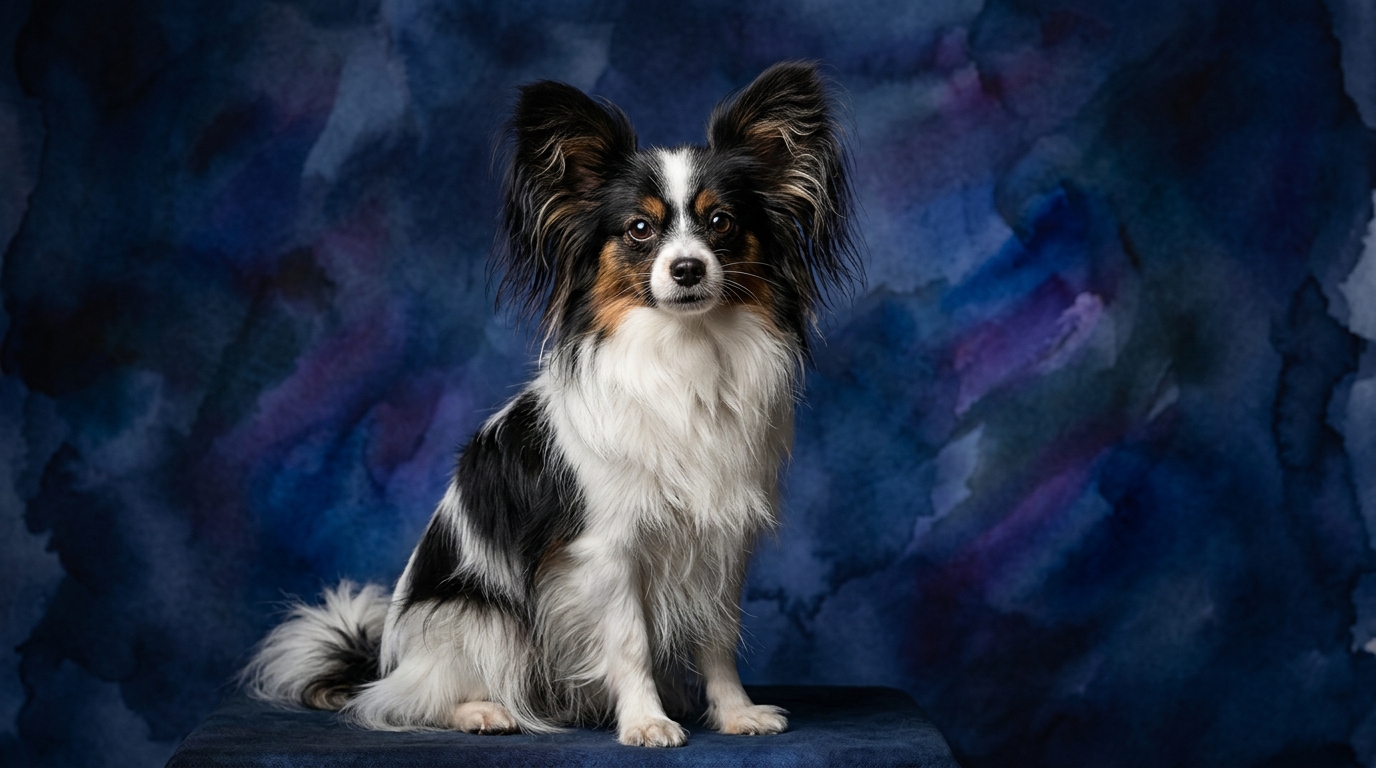
Our Cosmic Pet Pet IQ Lab employs a five-dimensional framework to assess canine intelligence, offering a nuanced view beyond simple obedience. For the Papillon, a Toy breed with a notable Coren rank of #8, its profile paints a picture of exceptional mental agility. Their Problem Solving is rated 5/5, indicating a profound capacity for navigating complex new situations and figuring out intricate puzzles, often with minimal guidance. Training Speed also scores a perfect 5/5, meaning they grasp new commands and routines with remarkable rapidity, requiring very few repetitions to achieve mastery. Social Intelligence stands at 4/5, reflecting their keen ability to interpret human intentions and cues, allowing for highly responsive and interactive companionship. Their Instinctive Drive is a moderate 3/5, suggesting a manageable level of innate behaviors that can be readily channeled into constructive tasks or play. Finally, Memory is an outstanding 5/5, enabling them to retain vast amounts of learned information and recall past experiences with precision over extended periods.
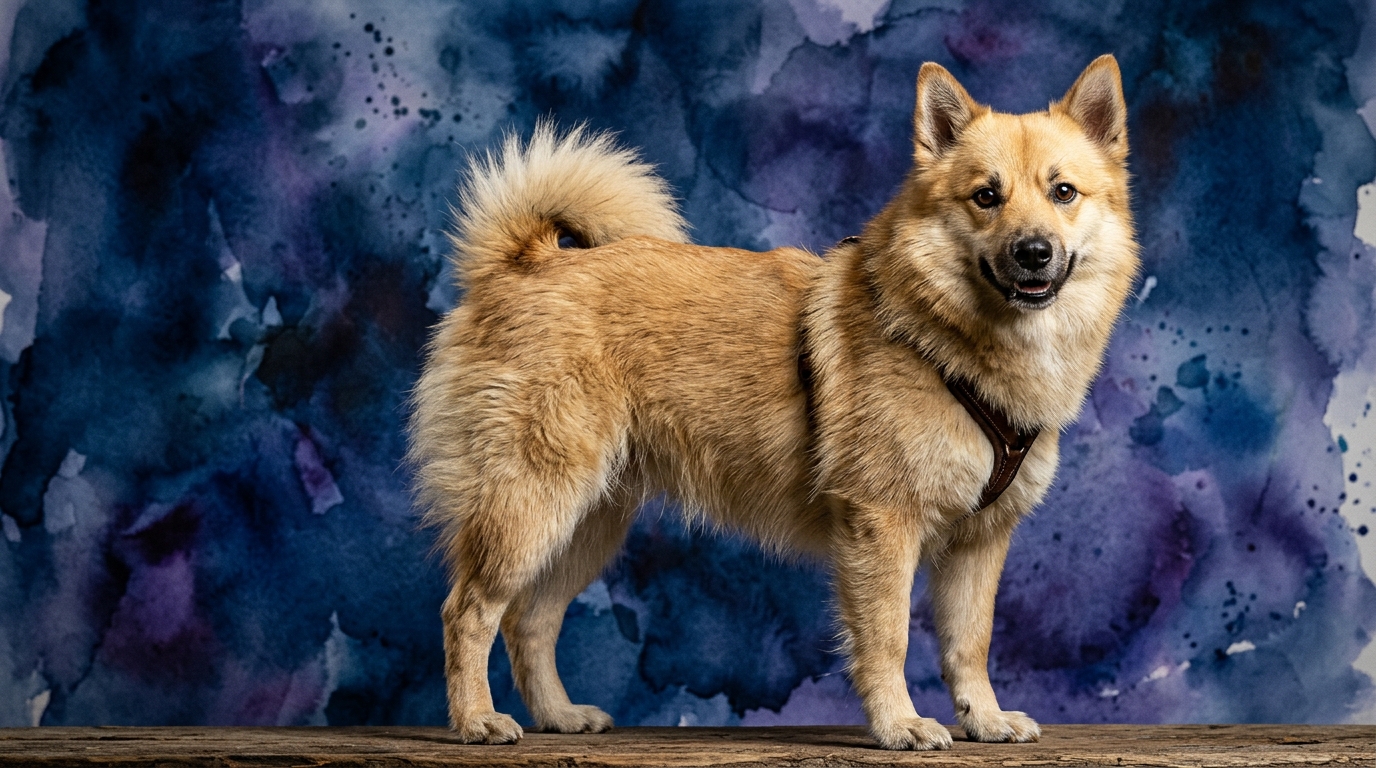
In contrast, the Norwegian Buhund, a Herding breed not ranked by Coren, presents a profile emphasizing practical, functional cognition. Its Problem Solving is rated 3/5, indicating competence in tackling straightforward environmental challenges but potentially requiring more trial-and-error for abstract or novel puzzles. Training Speed is also 3/5, meaning they learn at a steady, deliberate pace, benefiting from consistent, patient instruction and more repetitions to solidify new behaviors. Social Intelligence is rated 3/5, suggesting they understand basic human signals but might exhibit a more independent streak, less driven by constant human approval. Their Instinctive Drive matches at 3/5, primarily focused on herding and guarding behaviors, necessitating appropriate outlets. Memory, at 3/5, shows they reliably remember established routines and commands, especially those linked to their functional roles, though perhaps not with the same breadth or detail as the Papillon for purely arbitrary tasks.
Where the Papillon Wins Cognitively
The Papillon clearly shines in areas demanding rapid cognitive processing, intricate recall, and direct human-centric problem-solving. Their 5/5 Problem Solving score means they are adept at deciphering complex sequences, such as multi-step trick routines or advanced agility courses, often anticipating the next move. This isn't just about following commands; it's about understanding the underlying logic and adapting. For instance, if a toy is hidden under a series of cups, a Papillon will quickly deduce the pattern to locate it. Their superior 5/5 Training Speed translates directly into an unparalleled ability to acquire new vocabulary and actions. An owner might introduce a novel command, and within a handful of repetitions, the Papillon performs it flawlessly, ready for the next challenge. This makes them exceptional candidates for competitive obedience, freestyle, and trick training. Furthermore, their 5/5 Memory ensures that these learned behaviors and complex associations are not fleeting; they are deeply ingrained. A Papillon can recall a trick learned months ago with minimal refresher, or remember specific people and their interactions over long periods. This combination of quick learning, deep understanding, and lasting memory makes them highly adaptable to varied learning environments and sophisticated mental tasks, distinguishing them as a breed that truly thrives on intellectual engagement with their human companions.
Where the Norwegian Buhund Wins Cognitively
While the Norwegian Buhund's IQ scores may appear lower in our comparative framework, their cognitive strengths lie in a different, equally valuable dimension: practical, independent functional intelligence rooted in their herding heritage. Their 3/5 Problem Solving isn't about solving abstract puzzles for human amusement, but rather about navigating real-world scenarios with resilience and self-reliance. For example, a Buhund might excel at finding the safest path through challenging terrain, assessing subtle changes in livestock behavior, or independently determining the best strategy to gather a scattered flock in the absence of direct human commands. This reflects an environmental awareness and situation-specific judgment that is paramount for a working dog. Their 3/5 Social Intelligence, while not indicating a desire for constant human validation, speaks to an ability to understand their role within a family unit and to act as a watchful, discerning guardian. They are not necessarily looking for constant praise but are attentive to their surroundings and the well-being of their 'flock' (family). The Buhund's Instinctive Drive, also 3/5, is a focused and purposeful energy. It's not a general drive for activity, but a specific, hardwired inclination towards herding, vigilance, and protective duties. This drive, when properly channeled, allows them to excel in activities that tap into these instincts, providing immense satisfaction and demonstrating a profound competence in their ancestral roles, showcasing a robust, self-directed form of cognition.
Which Is Easier to Train and Why
Evaluating ease of training between these two breeds presents a clear distinction, largely dictated by their respective cognitive profiles and historical roles. The Papillon is unequivocally the easier breed to train, a direct consequence of its 5/5 Training Speed, 4/5 Social Intelligence, and 5/5 Memory. They possess an inherent eagerness to please and a profound ability to interpret human body language and vocal tones, making them highly responsive to positive reinforcement. Their quick grasp of new commands means fewer repetitions are needed, and their superb memory ensures long-term retention of learned behaviors. This makes them ideal for intricate obedience routines, complex trick training, and dog sports like agility where rapid learning and precise execution are paramount. They thrive on the mental stimulation of learning and the positive interaction with their handler. In contrast, the Norwegian Buhund, with its 3/5 Training Speed and more independent nature, requires a different approach. While capable of learning, they demand greater patience, consistency, and motivation tailored to their working breed instincts. A Buhund might not see the inherent value in performing a purely arbitrary command repeatedly; they need to understand the purpose or have the task linked to something rewarding, such as a 'job' that engages their herding drive. Their training can be perceived as more challenging not because of a lack of ability, but because their motivation often stems from self-directed action and environmental engagement rather than solely from human approval. They may exhibit a 'what's in it for me?' attitude, requiring a handler to be creative and persistent in making training relevant and engaging.
Which Suits Active Owners vs. Relaxed Owners
When considering suitability for active versus relaxed owners, both breeds present unique needs, though the intensity and type of activity differ significantly. The Papillon, despite its small size, is far from a sedentary lapdog. Its 3/5 Instinctive Drive, combined with its high cognitive scores, means it requires substantial mental engagement and regular physical exercise. Active owners who enjoy teaching new tricks, participating in dog sports like agility or rally, or simply engaging in interactive play and puzzle-solving will find the Papillon a perfect match. Their physical exercise needs can often be met with vigorous indoor play or brisk walks, making them adaptable to various living situations, including apartments, provided their mental faculties are consistently challenged. They are not suited for owners who expect a purely decorative companion; their sharp minds need an outlet. The Norwegian Buhund, on the other hand, is distinctly suited for active owners who relish outdoor adventures and can provide a consistent 'job' or purpose. Its herding background dictates a need for significant physical exertion – long hikes, running, and structured play that mimics herding tasks are crucial. While its instinctive drive is rated 3/5, this drive is potent and requires an outlet to prevent boredom and potential destructive behaviors. Relaxed owners, or those with limited time for outdoor activities, would likely find the Buhund's energy and need for engagement overwhelming. They thrive with owners who understand and respect their working dog heritage, offering opportunities for meaningful activity that taps into their natural instincts, making them an excellent companion for the truly active and engaged.
The Verdict
For those seeking a highly interactive, quick-to-learn companion who excels in obedience, tricks, and dog sports, thrives on mental engagement, and integrates seamlessly into a family's daily life with ample social interaction, the Papillon is an exceptional choice.
Conversely, for experienced owners seeking a robust, independent, and resilient companion who enjoys vigorous outdoor activities, can be a steadfast guardian, and whose loyalty is earned through consistent, fair training and a stimulating environment that respects their working heritage, the Norwegian Buhund will prove a deeply rewarding partner.
🧠 Find Your Pet's IQ Score
Our Pet IQ Lab assessment covers 25+ tests across 5 cognitive dimensions — personalized to your breed.
Take the Full IQ Test →Frequently Asked Questions
Are Papillons good for first-time dog owners?
Yes, their eagerness to please, rapid learning, and manageable size often make them a suitable choice for first-time dog owners, provided these owners are committed to consistent positive reinforcement and mental stimulation. Their responsiveness makes the training journey very rewarding.
Does a Norwegian Buhund's lower IQ score mean it's not smart?
Absolutely not. The Buhund's scores reflect a different type of intelligence—one focused on practical problem-solving and independence for working tasks, rather than human-centric obedience. They are smart in ways crucial for their historical roles.
How much exercise does a Papillon really need?
While small, Papillons require more than just a short walk; they need regular physical activity like brisk walks or indoor play, combined with significant mental stimulation such as training sessions, puzzle toys, and interactive games, to keep their keen minds engaged.