Side-by-Side Cognitive Profiles: A Deeper Look
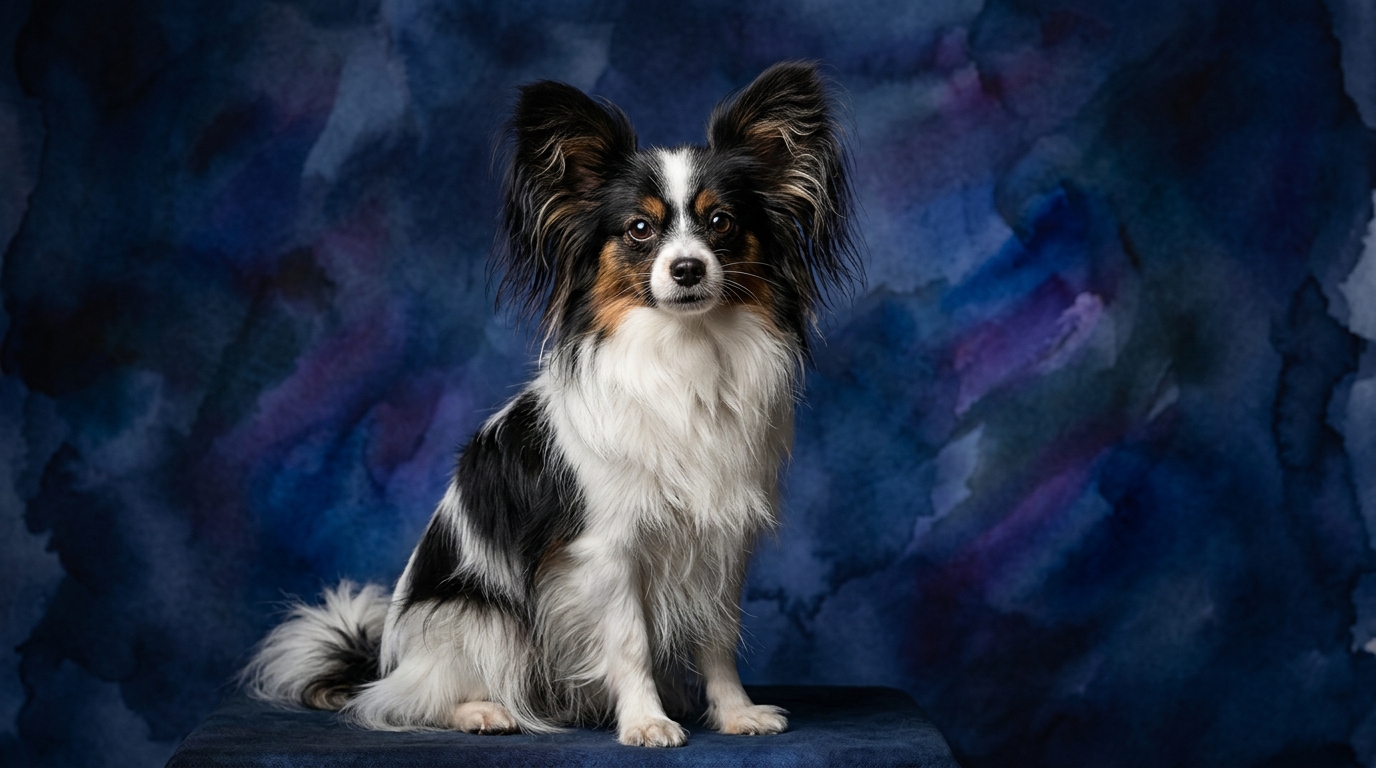
Understanding a breed's cognitive profile goes beyond simple labels, examining specific dimensions that shape their interactions with the world. The Papillon, a breed often celebrated for its elegant appearance, also possesses a remarkably sharp intellect, reflected in its Coren rank of #8 among all breeds. Its Problem Solving ability is rated at an exceptional 5/5, indicating a dog capable of quickly analyzing novel situations and devising effective solutions. This mental agility is complemented by a Training Speed of 5/5, meaning new commands and complex routines are grasped with minimal repetition. Their Social Intelligence, rated 4/5, suggests a keen awareness of human emotions and intentions, allowing for nuanced communication. While their Instinctive Drive is a moderate 3/5, their Memory stands out at a perfect 5/5, ensuring that learned behaviors and solutions are retained long-term, making them highly consistent once a task is mastered.
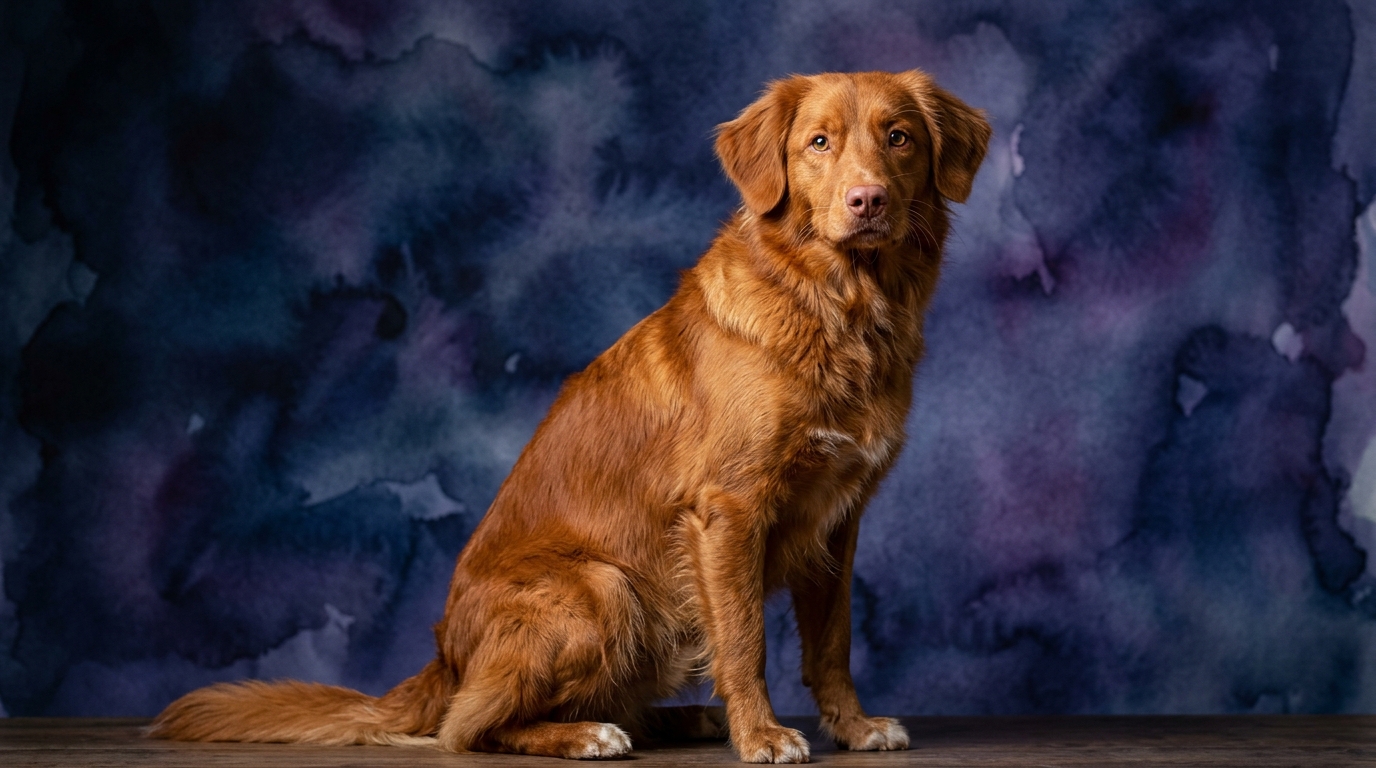
In contrast, the Nova Scotia Duck Tolling Retriever, a vibrant sporting breed, presents a different cognitive landscape, though it is not Coren-ranked, indicating a less widespread participation in the specific obedience trials Coren's ranking primarily considers. The Toller's Problem Solving ability is rated 3/5, suggesting they can navigate challenges but may require more structured guidance or trial-and-error compared to a Papillon. Their Training Speed is also 3/5, meaning they are trainable and willing to learn, but new concepts may take more consistent repetition to solidify. A Social Intelligence score of 3/5 indicates they are attuned to their human companions but might not pick up on subtle emotional shifts with the same sensitivity as a Papillon. Their Instinctive Drive, crucial for their retrieving heritage, is 3/5, reflecting a steady, purposeful motivation. Finally, their Memory is rated 3/5, meaning they retain information adequately, but perhaps not with the instantaneous recall and long-term precision of a breed scoring 5/5 in this dimension. These balanced scores speak to a robust, functional intellect geared towards their working purpose.
Where the Papillon's Mind Shines Brightest
The Papillon's cognitive strengths are particularly evident in areas requiring rapid learning, abstract thinking, and precise recall. With a 5/5 in Problem Solving, a Papillon will often surprise owners by independently figuring out how to open gates, retrieve hidden toys, or manipulate objects to achieve a goal. This isn't just about curiosity; it's about a genuine capacity for logical deduction. Their 5/5 Training Speed means they excel in activities like agility, obedience, and trick training, where new sequences and commands are introduced frequently. A Papillon can master a new trick in just a few repetitions, making them a delight for owners who enjoy teaching complex behaviors. This quick uptake also translates to rapid adaptation to new environments or household rules, reducing the time spent on initial training.
Furthermore, the Papillon's perfect 5/5 Memory ensures that once a lesson is learned or a solution discovered, it is rarely forgotten. This makes them incredibly reliable once trained, whether it's remembering complex agility courses, a vast repertoire of tricks, or specific routines. Their 4/5 Social Intelligence also allows them to quickly interpret human body language and vocal tones, often pre-empting commands or responding to subtle cues that other breeds might miss. This combination of swift learning, enduring memory, and perceptive social awareness makes the Papillon an exceptional companion for those seeking a dog that can engage in sophisticated mental exercises and intricate communication.
The Nova Scotia Duck Tolling Retriever's Unique Cognitive Edge
While the Toller's individual IQ scores might not reach the Papillon's peaks, their cognitive profile represents a powerful synergy, specifically adapted for their historical role. Their balanced 3/5 scores across Problem Solving, Training Speed, Social Intelligence, and Memory, combined with a 3/5 Instinctive Drive, don't indicate a lack of intelligence, but rather a different type of cognitive processing—one built for sustained, purposeful work. The Toller's 'win' lies in its robustness and consistency in performing repetitive, task-oriented functions where focus and endurance are paramount. Their problem-solving, while not always instantaneous, is often practical and persistent, geared towards overcoming obstacles to achieve a goal like retrieving. They might not invent a novel solution for a puzzle toy on the first try, but they will methodically work at it until success.
The Toller's 3/5 Instinctive Drive, though not the highest, is a steady engine for their retrieving work. This consistent, moderate drive means they are less likely to be easily distracted by novel stimuli compared to a breed with a higher, more scattered drive, allowing them to maintain focus on the task at hand. Their 3/5 Training Speed, while requiring more repetition, ensures that once a behavior is ingrained, it is deeply understood and performed reliably. This makes them excellent candidates for field work, obedience, or scent detection, where consistency under varying conditions is vital. The Toller's cognitive profile, therefore, triumphs in its capacity for sustained effort, unwavering focus on a specific task, and a practical, resilient approach to learning and problem-solving, perfectly aligning with the demands of a working retriever.
Ease of Training: A Tale of Two Speeds
The difference in training ease between the Papillon and the Nova Scotia Duck Tolling Retriever is significant, primarily driven by their disparate Training Speed and Memory scores. A Papillon, with its 5/5 Training Speed and 5/5 Memory, is often described as 'eager to please' and 'lightning-fast learners.' They pick up new commands and routines in very few repetitions, sometimes even just one or two. This makes positive reinforcement training a joy, as they quickly associate actions with rewards and retain that knowledge. Their high social intelligence also means they are highly responsive to human cues, making communication during training almost intuitive. For an owner who enjoys teaching a wide array of tricks, competing in dog sports like agility or rally, or simply desires a dog that adapts quickly to new rules, the Papillon presents fewer training hurdles and a faster progression.
Conversely, the Toller's 3/5 Training Speed and 3/5 Memory suggest a more deliberate learning process. They are certainly trainable and possess a strong desire to work with their owners, but they will require more consistent repetition and patience to solidify new commands. Behavioral differences include a tendency to need more structured, repetitive sessions to fully grasp and reliably perform tasks. While a Papillon might get bored with too much repetition, a Toller often thrives on it, finding comfort and purpose in consistent training routines. Owners must be prepared for a longer initial training phase, but the reward is a dog with deeply ingrained behaviors that are performed with enthusiasm, especially when linked to their natural retrieving instincts. The Toller's training is about building a solid foundation through methodical practice, rather than rapid acquisition.
Matching Owners: Active Engagement vs. Sustained Purpose
Choosing between a Papillon and a Nova Scotia Duck Tolling Retriever also comes down to an owner's lifestyle and their capacity for specific types of engagement. For owners who are 'active' in terms of mental stimulation and varied activities, a Papillon could be an ideal fit. Despite their small size, they are not content to be mere lapdogs; their 5/5 Problem Solving and 5/5 Training Speed demand consistent intellectual challenges. This means engaging them with puzzle toys, learning new tricks, participating in agility or flyball, or even advanced obedience. A 'relaxed' owner for a Papillon would still need to provide daily mental enrichment, but perhaps less intense physical exertion compared to a sporting breed. Their social intelligence also means they thrive on close interaction and being part of family activities, making them excellent companions for those who want a constant, mentally present canine partner.
The Nova Scotia Duck Tolling Retriever, on the other hand, is built for sustained physical activity and a 'job' that engages their instinctive drive. An 'active owner' for a Toller implies someone who enjoys long hikes, running, swimming, retrieving games, or participating in field trials, dock diving, or advanced obedience. Their 3/5 Instinctive Drive, while moderate, is channeled towards specific tasks, meaning they need an outlet for that drive. A truly 'relaxed' owner, one who prefers minimal outdoor activity or structured play, would likely find a Toller to be a challenging companion. Tollers thrive when they have a purpose, and without adequate physical and mental engagement related to their retrieving heritage, they can become restless or develop undesirable behaviors. They suit owners who can commit to providing consistent, vigorous activity and a clear role within the family structure.
The Verdict
Choose a Papillon if you seek a highly adaptable, quick-witted companion who thrives on intricate mental challenges and excels in learning a vast repertoire of commands and tricks. They are ideal for owners who enjoy active intellectual engagement with their dog.
Opt for a Nova Scotia Duck Tolling Retriever if you lead an active, outdoor-oriented lifestyle and are prepared to provide consistent physical exertion and task-oriented engagement for a dedicated, robust working partner. They excel with owners who appreciate methodical training and a strong drive for purpose.
🧠 Find Your Pet's IQ Score
Our Pet IQ Lab assessment covers 25+ tests across 5 cognitive dimensions — personalized to your breed.
Take the Full IQ Test →Frequently Asked Questions
Are Papillons prone to behavioral issues if not mentally stimulated?
Yes, due to their high problem-solving and training speed, Papillons require significant mental engagement. Without it, they can become bored, leading to behaviors like excessive barking, destructive chewing, or developing their own 'games' that might not align with household rules. Consistent mental challenges are key to their well-being.
Do Nova Scotia Duck Tolling Retrievers make good family pets despite their working drive?
Absolutely, Tollers can be wonderful family pets, provided their needs for physical activity and mental engagement are met. They are loyal and affectionate with their families, but their working drive means they thrive in active households that can incorporate them into outdoor adventures and provide consistent training and play. They are generally good with children when properly socialized and exercised.
Can a Papillon participate in dog sports like agility?
Yes, Papillons excel in dog sports, particularly agility, due to their exceptional training speed, memory, and problem-solving abilities. Their small size makes them agile and quick, and their eagerness to learn and please their handlers makes them formidable competitors. They often enjoy rally, obedience, and flyball as well.