Side-by-Side IQ Profile: Papillon vs. Otterhound
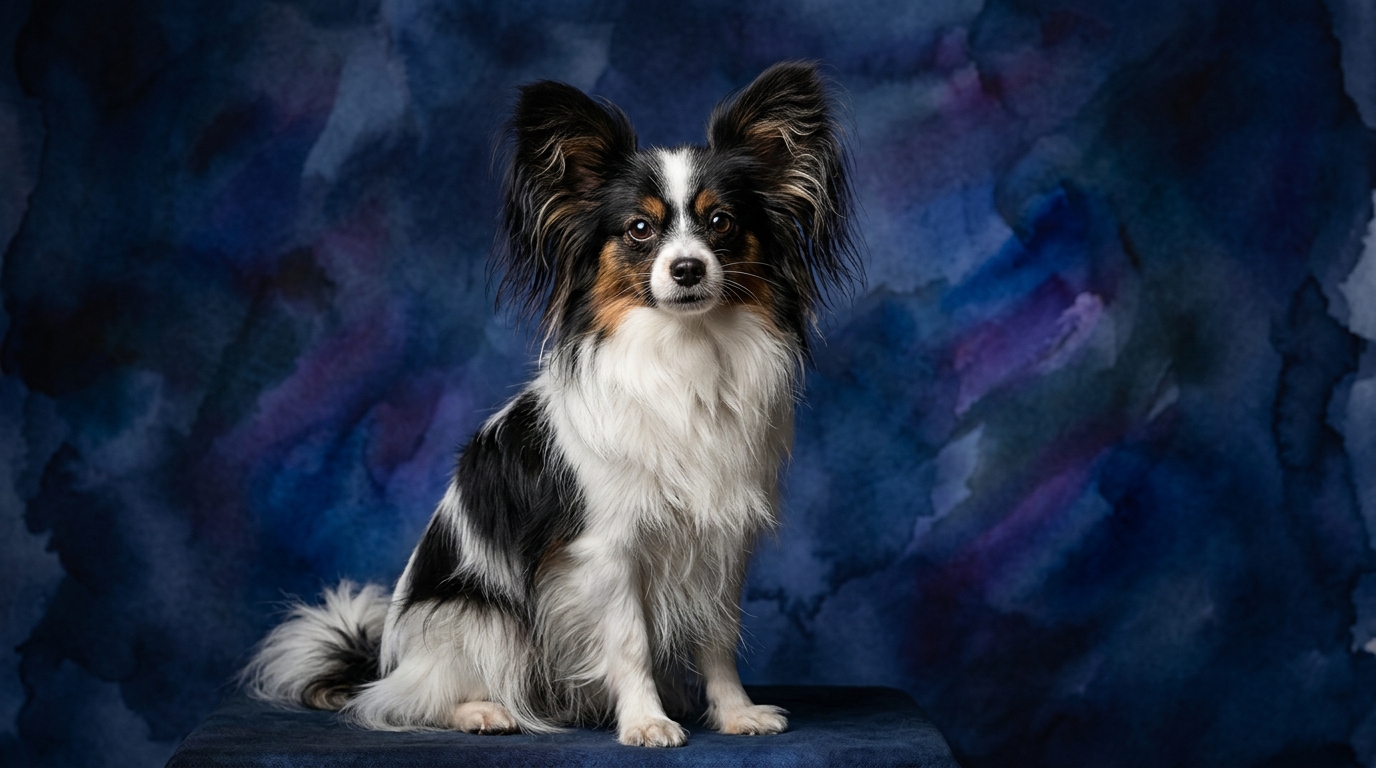
**Papillon (Coren Rank #8):** This toy breed consistently demonstrates a remarkable aptitude for learning and adaptability.
**Problem Solving (5/5):** Papillons excel at figuring things out, whether it's manipulating puzzle toys or navigating complex environments to achieve a goal. Their ability to connect cause and effect quickly is a significant cognitive asset.
**Training Speed (5/5):** They grasp new commands and routines with impressive swiftness, often requiring only a few repetitions to solidify a behavior. This reflects a high degree of attentiveness and a strong desire to engage with their human companions in structured learning.
**Social Intelligence (4/5):** Papillons are adept at reading human cues and intentions. They often anticipate requests and respond to subtle shifts in mood, making them highly attuned companions who thrive on interactive communication.
**Instinctive Drive (3/5):** While they retain some innate prey drive, particularly for small, fast-moving objects, this is generally moderate and easily managed. Their instincts are not overwhelmingly dominant, allowing for greater focus on learned behaviors.
**Memory (5/5):** Their capacity to recall commands, routines, and even specific events over extended periods is exceptional, contributing significantly to their ease of training and consistent performance.
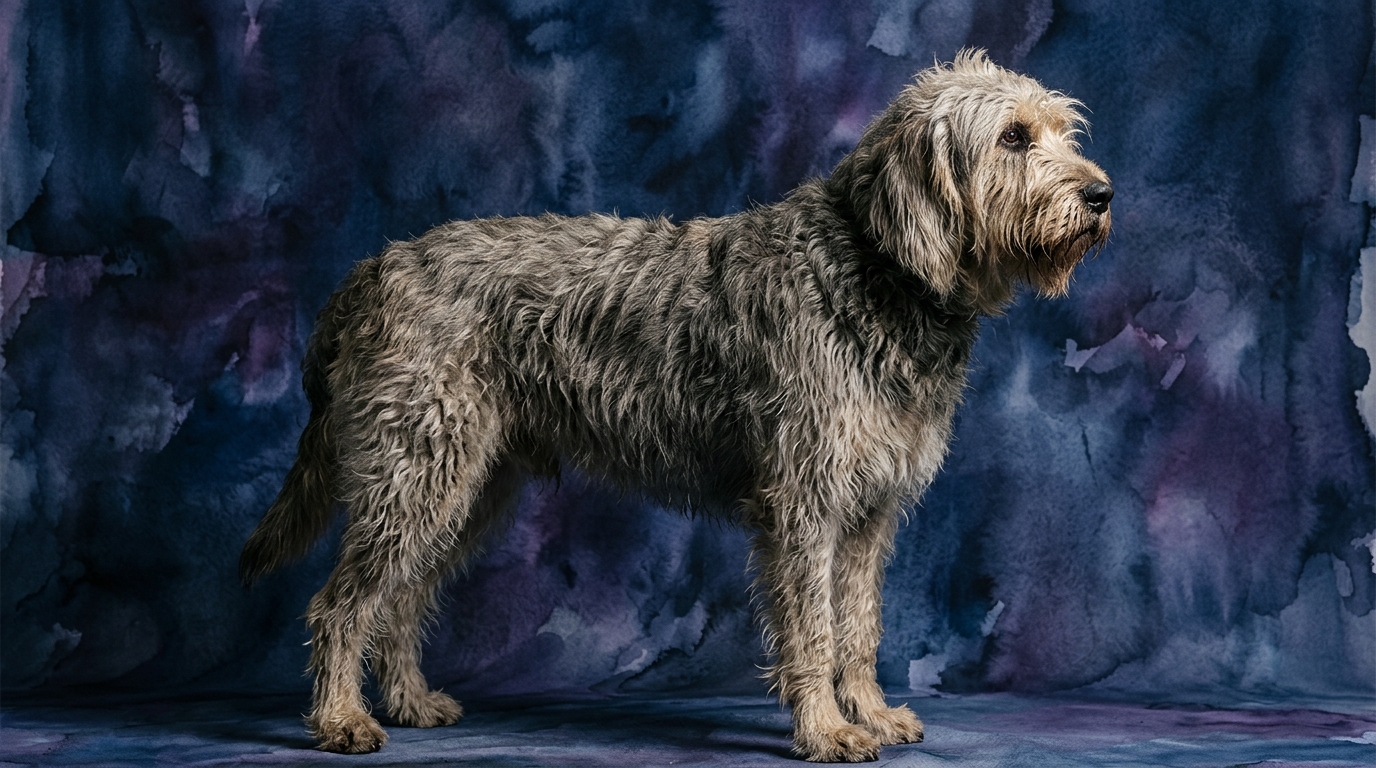
**Otterhound (Not Coren-Ranked):** This large, shaggy scent hound presents a distinct cognitive profile, shaped by its history as a dedicated hunter.
**Problem Solving (3/5):** Otterhounds possess a practical problem-solving ability, particularly when it relates to their primary motivation: following a scent. However, their approach tends to be more methodical and less about abstract manipulation compared to the Papillon.
**Training Speed (3/5):** Learning new commands requires patience and consistency. They can learn, but often need more repetitions and a clear, compelling reason to comply, especially if their powerful nose suggests an alternative, more interesting pursuit.
**Social Intelligence (3/5):** While affectionate with their families, Otterhounds are less inclined to constantly seek human interaction or read subtle cues. Their social focus is often on their pack (human or canine) but their independence can make them seem less 'people-focused' than some breeds.
**Instinctive Drive (3/5):** This score is crucial for the Otterhound. Their instinctive drive is overwhelmingly centered on scent. While rated 3/5, its intensity and focus on specific tasks (tracking) mean it's a powerful motivator that can easily override other stimuli or commands. They are driven to follow a trail, often to the exclusion of all else.
**Memory (3/5):** They remember established routines and the location of interesting scents well, but their recall for arbitrary commands might require more reinforcement over time compared to breeds with higher memory scores.
Where the Papillon's Cognition Shines
The Papillon’s cognitive strengths shine particularly bright in areas demanding rapid assimilation and flexible application of knowledge. Their top-tier problem-solving ability means they don't just learn *what* to do, but often *why* it works, allowing them to generalize solutions to novel situations. For example, a Papillon taught to open a specific type of latch might quickly figure out how to open similar, but not identical, latches. This adaptability is further supported by their exceptional training speed; they absorb new information with minimal repetition, making complex trick training or competitive obedience a natural fit. Furthermore, their superior memory ensures these learned behaviors are retained with remarkable fidelity over long periods, meaning lessons stick without constant refreshers. This combination creates a canine eager and equipped to engage in a wide array of mental challenges, from agility courses to complex scent games, demonstrating a sophisticated understanding of their environment and how to manipulate it.
Where the Otterhound's Unique Cognitive Profile Excels
While the Otterhound's scores might appear modest on a general intelligence scale, their cognitive profile represents a triumph of specialized function, particularly within the realm of scent work. Their instinctive drive, while rated 3/5, is intensely focused and unwavering when it comes to tracking a scent trail. This isn't about generalized problem-solving, but an almost singular dedication to a specific cognitive task: filtering out all other stimuli to meticulously follow an olfactory path, often over challenging terrain and for extended periods. This persistence, combined with their practical problem-solving, allows them to navigate complex environments strictly by scent, demonstrating a form of cognitive resilience and focus that is unparalleled in breeds not specifically bred for this purpose. Their memory, while 3/5, is highly effective for remembering scent patterns and established hunting routes, indicating a robust, task-specific recall rather than broad academic memory. In essence, the Otterhound's 'wins' are in the profound depth and unwavering application of their sensory-driven cognition, making them masters of their specialized domain.
Training Ease: Real Behavioral Differences
The stark differences in training ease between these two breeds stem directly from their cognitive profiles and historical purposes. The Papillon, with its 5/5 training speed, 5/5 problem-solving, and 5/5 memory, is demonstrably easier to train. They possess an inherent eagerness to learn, quickly associating commands with actions and rewards. Their high social intelligence means they are attuned to human direction and typically motivated by praise and interaction, making positive reinforcement highly effective. A Papillon often picks up a new trick in just a few sessions, and once learned, it’s remembered for life.
In contrast, the Otterhound, with 3/5 scores across training speed, problem-solving, and memory, presents a greater training challenge. Their powerful instinctive drive, specifically for scent, means they are often internally motivated by an invisible world of odors, which can easily override human commands. While they are capable of learning, their attention span for human-directed tasks can be shorter, especially outdoors. Training an Otterhound requires immense patience, consistency, and often, a higher-value reward to compete with the allure of a compelling scent. Their problem-solving is more practically applied to their hunting instincts, meaning they might struggle with abstract concepts or arbitrary obedience commands that don't directly align with their core drives. Owners must understand that an Otterhound isn't being 'stubborn' as much as they are being true to their deeply ingrained cognitive priorities.
Matching Breeds to Lifestyles: Active vs. Relaxed Owners
The activity requirements and ideal owner match for the Papillon and Otterhound are quite distinct, reflecting their physical and cognitive needs. The Papillon, despite its small stature, is surprisingly energetic and benefits from regular exercise and consistent mental stimulation. They are well-suited for active owners who enjoy engaging in dog sports like agility, obedience, or even trick training, as their quick wit and physical agility make them excel. However, their adaptability also means they can thrive with more relaxed owners who are committed to daily walks and interactive play sessions indoors, as long as their sharp minds are kept busy with puzzle toys or learning new things. They are not built for extensive, strenuous endurance but appreciate consistent engagement.
The Otterhound, conversely, is unequivocally suited for active owners. Their history as a robust hunting dog means they require significant daily exercise – not just a walk around the block, but opportunities for long rambles, swimming, or vigorous play. Their powerful scent drive necessitates a secure, fenced yard and ideally, owners who can provide outlets for their natural tracking instincts, perhaps through scent work games or participation in tracking trials. A truly relaxed owner who prefers minimal daily activity would find the Otterhound's needs challenging to meet, potentially leading to a bored and restless dog. Their substantial size and tendency to follow their nose mean they are not ideal for apartment living or owners who cannot provide ample space and consistent, purposeful activity.
The Verdict
Opt for a Papillon if you seek a highly trainable, mentally agile companion eager to engage in interactive learning, dog sports, and daily mental challenges within a more adaptable living situation.
Select an Otterhound if you are an active individual or family prepared to provide substantial daily exercise, dedicated scent work opportunities, and possess the patience for a dog whose profound instincts guide much of their independent cognitive focus.
🧠 Find Your Pet's IQ Score
Our Pet IQ Lab assessment covers 25+ tests across 5 cognitive dimensions — personalized to your breed.
Take the Full IQ Test →Frequently Asked Questions
Are Papillons good for first-time dog owners?
Papillons can be an excellent choice for first-time owners due to their high trainability and eagerness to please. Their quick learning curve and adaptability make them relatively straightforward to integrate into a new home, provided their needs for mental stimulation and consistent socialization are met. They thrive on interaction and clear communication.
Do Otterhounds require a lot of grooming?
Yes, Otterhounds have a dense, rough, and oily double coat that requires regular grooming to prevent matting and keep it healthy. Weekly brushing is typically necessary, along with occasional stripping or professional grooming, to manage shedding and maintain their distinctive appearance. Their shaggy beard and ears also need attention.
Can Otterhounds live in apartments?
Otterhounds are generally not well-suited for apartment living due to their large size, high energy levels, and powerful scent drive. They require ample space, a secure yard, and significant daily exercise to be content, making a home with outdoor access much more appropriate for their welfare. Confining them to a small space without proper outlets can lead to restlessness.