Side-by-Side IQ Profile: Papillon vs. Pembroke Welsh Corgi
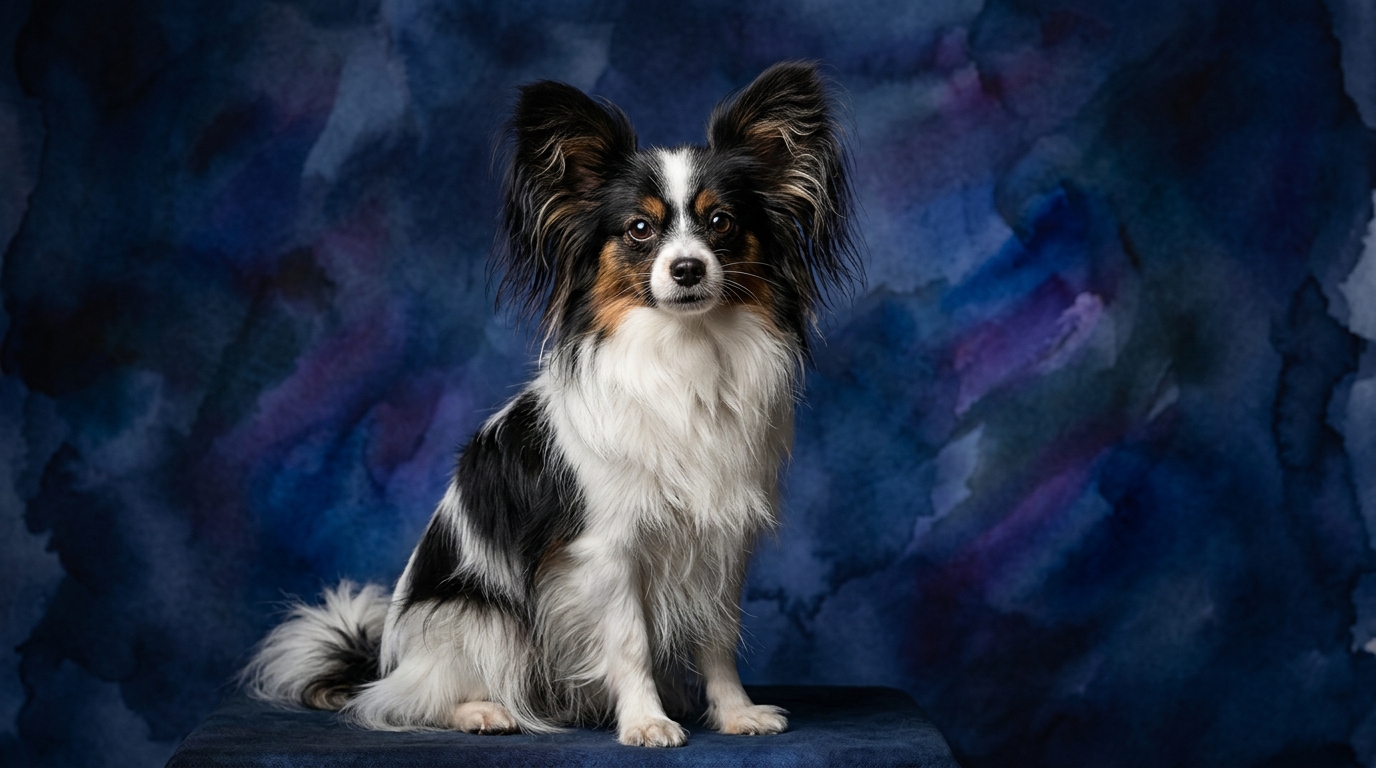
The Papillon, a breed often underestimated due to its delicate appearance, consistently ranks among the most capable learners, holding a Coren rank of #8. Their Problem Solving is rated a stellar 5/5, indicating an exceptional capacity to navigate novel situations, figure out complex puzzles, and adapt strategies. Training Speed is also a perfect 5/5, suggesting they grasp new commands and routines with remarkable alacrity. Social Intelligence, at 4/5, means they are adept at reading human cues and forming strong bonds, while their Instinctive Drive of 3/5 points to a moderate inclination towards innate breed-specific behaviors, often channeled into playful pursuits. Their Memory, a perfect 5/5, ensures they retain learned information and experiences over long periods, making them consistent performers once a lesson is mastered.
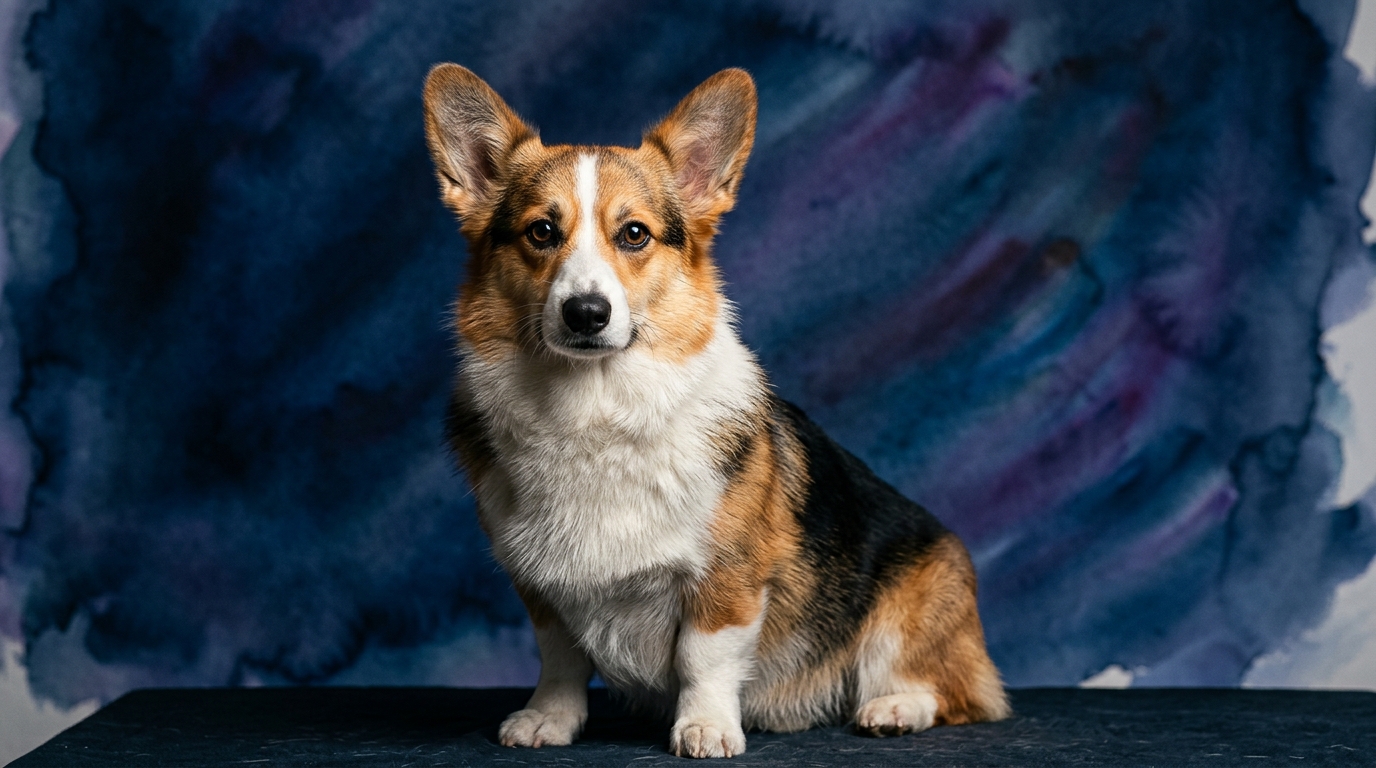
The Pembroke Welsh Corgi, a robust herding dog with a Coren rank of #11, brings a different set of cognitive strengths to the table. Their Problem Solving is a commendable 4/5, demonstrating a strong ability to understand and overcome environmental challenges, such as navigating complex paths or finding hidden objects. Like the Papillon, their Training Speed is an impressive 5/5, indicating a rapid uptake of new commands and a strong desire to cooperate in structured learning environments. Social Intelligence matches the Papillon at 4/5, signifying their capacity for deep connection and responsiveness to their human family. Where the Corgi truly shines is in Instinctive Drive, scoring a powerful 5/5. This reflects their strong genetic predisposition for herding, an innate desire to control movement and gather, often manifesting as a tendency to 'herd' family members or other pets. Their Memory, at 4/5, is robust, allowing them to recall learned behaviors and past experiences effectively, though perhaps not with the near-perfect recall of their Papillon counterparts.
Where the Papillon Wins Cognitively
The Papillon's cognitive edge is most apparent in their superior Problem Solving (5/5) and Memory (5/5). A Papillon is more likely to independently figure out how to open a child-proof gate, unravel a complex puzzle toy, or even devise novel ways to get your attention. This isn't just about quick learning; it's about applying learned concepts to new situations and improvising solutions. Their exceptional memory means that once they've mastered a trick, a route, or a specific routine, they rarely forget it, making consistency a hallmark of their behavior. This combination allows them to excel in intricate dog sports like agility and obedience, where precision and recall of complex sequences are paramount, and to adapt quickly to changes in their environment or routine with minimal stress.
Where the Pembroke Welsh Corgi Wins Cognitively
The Pembroke Welsh Corgi's distinct cognitive advantage lies in their formidable Instinctive Drive (5/5). While the Papillon might outsmart a puzzle, the Corgi possesses an unparalleled, deep-seated urge to perform its ancestral role. This manifests as a compelling drive to organize, gather, and manage, often seen in their attempts to 'herd' children, other pets, or even inanimate objects by nipping at heels or circling. This powerful instinct isn't just a quirky trait; it's a profound cognitive framework that allows them to process spatial relationships, group dynamics, and movement patterns with an innate understanding. For owners who can channel this drive into constructive activities like herding trials, or even urban herding games, the Corgi's cognitive strength here is a profound asset, providing a deep sense of purpose and engagement that few other breeds possess to the same degree.
Which is Easier to Train and Why
Both the Papillon and the Pembroke Welsh Corgi boast a 5/5 Training Speed, meaning both breeds are remarkably quick at picking up new commands. However, the *experience* of training can differ due to their other cognitive attributes. The Papillon's superior Problem Solving and Memory mean they not only learn rapidly but also generalize concepts more readily and retain them longer without needing frequent refreshers. Their eagerness to engage mentally and their lower Instinctive Drive (3/5) mean fewer ingrained behaviors to redirect. Training a Papillon often feels like teaching a bright student who enjoys learning for its own sake, easily mastering complex sequences and adapting to new training scenarios.
The Pembroke Welsh Corgi, while equally fast to learn commands, often presents a different training dynamic due to their potent Instinctive Drive (5/5). While they quickly understand what you want, their strong herding instincts—like nipping at heels or attempting to control movement—can sometimes compete with learned behaviors. Training a Corgi requires consistent effort to channel these powerful innate drives into appropriate outlets, rather than suppressing them. For example, teaching a Corgi not to nip at a child's heels might involve teaching them an alternative behavior like 'touch' or providing ample opportunities for controlled 'herding' games. Therefore, while both learn quickly, the Corgi might require a more nuanced approach focused on managing and redirecting their powerful natural predispositions, making it feel like a more involved training journey for some owners.
Which Suits Active Owners vs. Relaxed Owners
For owners seeking a highly engaged and active companion, both breeds offer much, but with different nuances. The Papillon, despite its small size, thrives on mental stimulation and physical activity. Its high Problem Solving and Memory make it an ideal candidate for dog sports like agility, flyball, and advanced obedience, where quick thinking and intricate routines are valued. They enjoy long walks, interactive games, and learning new tricks, making them perfect for active owners who enjoy structured activities and a canine partner who is always ready for a new challenge. While they can enjoy quiet time, a bored Papillon may become inventive in ways you might not appreciate, requiring consistent mental engagement.
The Pembroke Welsh Corgi is also an active breed, but their activity often stems from their strong Instinctive Drive. They require regular exercise to satisfy their herding heritage, enjoying brisk walks, chasing balls, and engaging in activities that allow them to 'work.' Their stamina and robustness make them excellent companions for owners who enjoy hiking or long outdoor adventures. However, a Corgi's idea of 'activity' might be more focused on a job or a purpose, rather than just playful engagement. While they can adapt to a more relaxed home with sufficient walks, their innate drive means they are not content to be purely decorative. They suit owners who appreciate a dog with a strong personality and are prepared to engage with their innate herding tendencies, perhaps through specific training or even casual 'herding' of toys in the yard. Owners who prefer a purely sedentary companion might find the Corgi's persistent need for activity and mental engagement a challenge.
The Verdict
Choose the Papillon if you seek a highly intelligent, mentally agile companion who excels in problem-solving, remembers everything, and thrives on intricate mental challenges and dog sports.
Opt for the Pembroke Welsh Corgi if you appreciate a dog with strong, purpose-driven instincts, a robust work ethic, and are prepared to channel their herding drive into structured activities and consistent engagement.
🧠 Find Your Pet's IQ Score
Our Pet IQ Lab assessment covers 25+ tests across 5 cognitive dimensions — personalized to your breed.
Take the Full IQ Test →Frequently Asked Questions
Are Papillons good at learning tricks?
Yes, Papillons excel at learning tricks due to their 5/5 Training Speed and 5/5 Problem Solving. They grasp new concepts quickly and enjoy the mental engagement of mastering complex sequences, making them stars in trick training.
Do Pembroke Welsh Corgis need a lot of exercise?
Pembroke Welsh Corgis do require consistent exercise to satisfy their 5/5 Instinctive Drive. While they are not endurance athletes, regular brisk walks, playtime, and opportunities for mental engagement are crucial to keep them content and prevent boredom-related behaviors.
How do their social intelligence scores compare?
Both breeds score a 4/5 in Social Intelligence, indicating they are both highly capable of understanding human cues, forming strong bonds, and adapting to family dynamics. They are responsive and generally eager to please their human companions.