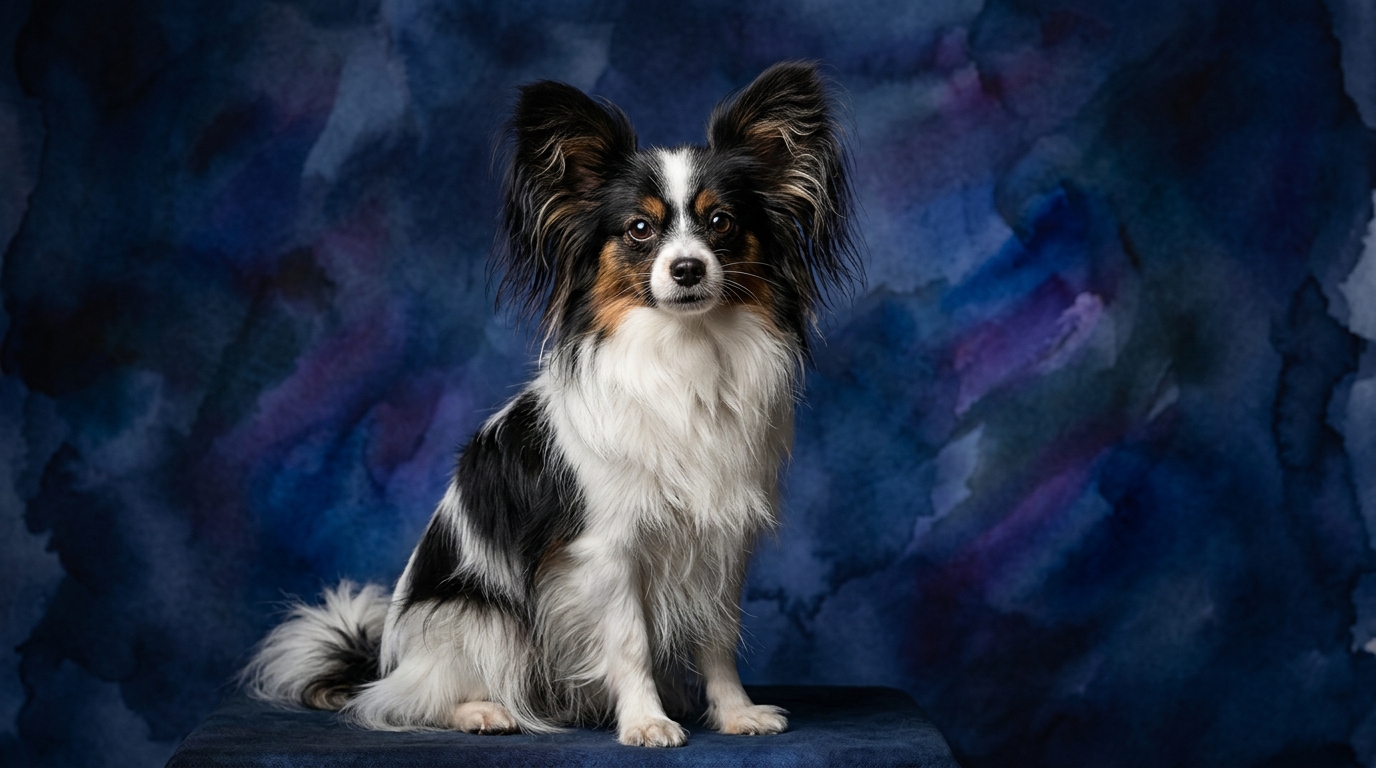
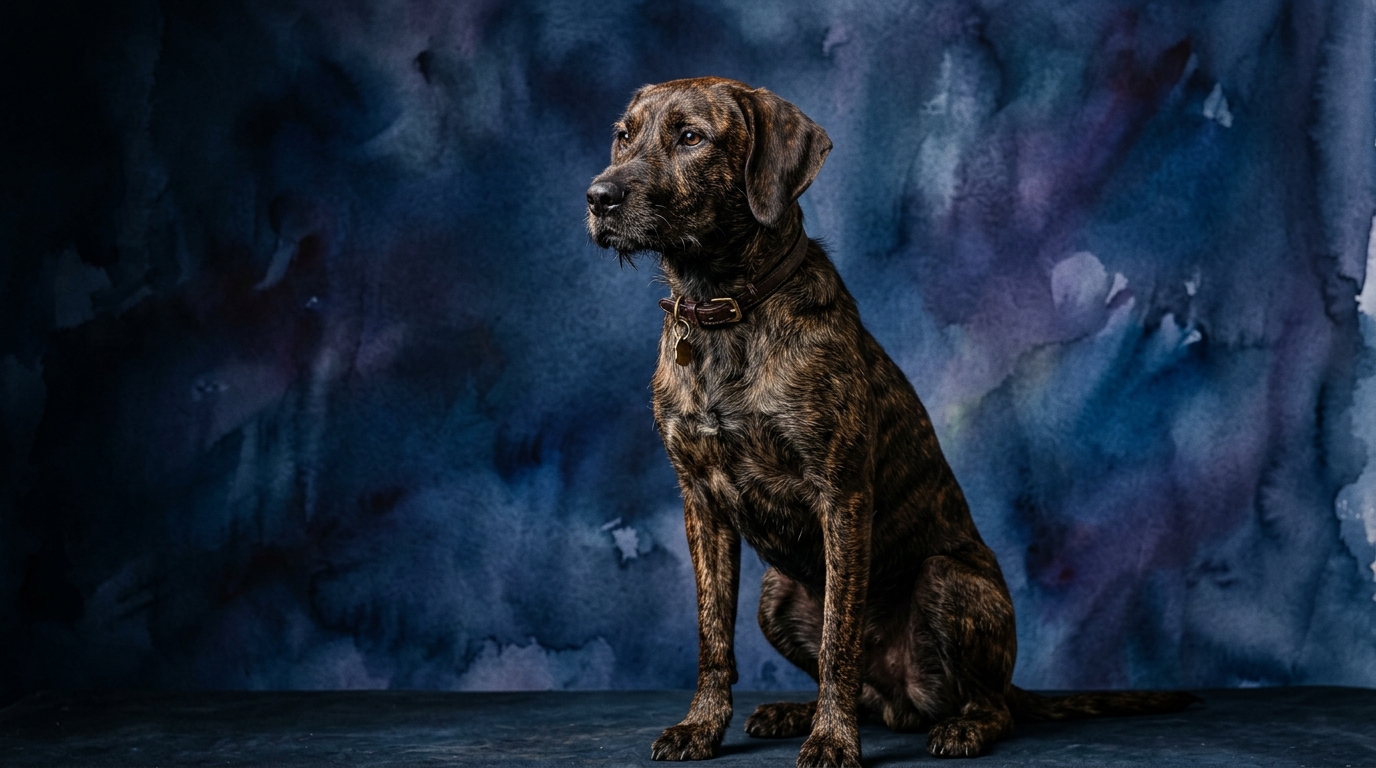
Side-by-Side IQ Profile: Papillon vs. Plott Hound
The Papillon, a Coren-ranked #8 breed, exhibits a remarkable 5/5 in Problem Solving, consistently demonstrating an ability to decipher complex tasks and adapt to new situations with speed. Their Training Speed also rates a perfect 5/5, indicating an exceptional aptitude for learning and retaining new commands and routines with minimal repetition. Social Intelligence stands at 4/5, reflecting their strong capacity to interpret human cues and forge deep, responsive bonds with their companions. While their Instinctive Drive is a moderate 3/5, suggesting less reliance on primal hunting instincts, their Memory is rated 5/5, ensuring that once a lesson is learned, it is deeply ingrained and readily recalled.
In contrast, the Plott Hound, an unranked breed by Coren but highly valued for its specialized capabilities, presents a different cognitive landscape. Their Problem Solving is rated 3/5, indicating an intelligence primarily geared towards practical, scent-related challenges rather than abstract puzzles. Training Speed also sits at 3/5, meaning they are capable learners but require more consistent and patient instruction to master new behaviors. Social Intelligence at 3/5 suggests they form strong familial bonds but may exhibit less nuanced social reciprocity compared to more companion-oriented breeds. Their Instinctive Drive, also 3/5, is powerfully channeled into their formidable scenting abilities, while their Memory, rated 3/5, is effective for recalling trails and learned commands pertinent to their working tasks.
Where the Papillon Wins Cognitively
The Papillon's cognitive strengths shine particularly in areas requiring swift mental processing and adaptability. Their 5/5 rating in Problem Solving means they excel at deciphering novel challenges, from unlocking puzzle toys to understanding multi-step commands, often surprising observers with their ingenuity. This breed's superior Training Speed, also 5/5, allows them to acquire an extensive repertoire of tricks and behaviors at an impressive pace, often picking up new concepts after only a few repetitions. Furthermore, their acute Memory (5/5) ensures these learned behaviors are not fleeting, making them highly reliable in performing complex sequences or remembering past experiences. The Papillon's 4/5 Social Intelligence also gives them an edge in interpreting subtle human emotional states and intentions, fostering a highly communicative and responsive partnership.
Where the Plott Hound Wins Cognitively
The Plott Hound's cognitive strengths are deeply rooted in their specialized working heritage, manifesting as a highly focused and persistent form of intelligence. Their 3/5 rating in Instinctive Drive is a profound asset within their domain, enabling them to pursue a scent trail with unwavering determination, often for hours, ignoring environmental distractions that would overwhelm other breeds. This drive fuels a specific type of Problem Solving (3/5) where they excel at navigating complex terrains, interpreting scent information, and independently strategizing to locate a quarry. The Plott Hound's Memory (3/5), while not as broad as a Papillon's, is acutely tuned to remembering specific trails, the locations of past finds, and the nuances of scent, making them highly effective in their specialized role. Their cognitive prowess isn't about rapid general learning, but about profound, sustained focus and self-directed action in the field.
Which is Easier to Train and Why
Without question, the Papillon proves to be significantly easier to train due to a confluence of their cognitive attributes. Their perfect 5/5 Training Speed means they absorb new commands rapidly, often eager to please and highly motivated by positive reinforcement and interaction. Coupled with their 5/5 Memory, once a behavior is learned, it is reliably retained, making consistent performance achievable with less ongoing reinforcement. The Papillon's 4/5 Social Intelligence further enhances trainability, as they are adept at reading human body language and vocal cues, allowing for clearer communication during training sessions. In essence, they are built for cooperative learning, thriving on mental engagement and the bond formed through shared activities. Their lower Instinctive Drive (3/5) also means fewer competing internal motivations to distract them from tasks presented by their human.
The Plott Hound, conversely, presents a more substantial training challenge, largely due to its distinct cognitive profile and historical purpose. While capable of learning (Training Speed 3/5), their progress is often slower and requires immense patience and consistency from the trainer. Their powerful 3/5 Instinctive Drive, primarily focused on scent, means they are frequently more interested in the olfactory world around them than in human-initiated commands, requiring dedicated effort to capture and hold their attention. This focus on scent can make recall particularly difficult in an open environment, as their drive to follow a trail can override learned commands. Their Problem Solving (3/5) and Memory (3/5) are effective for their specific working tasks but do not translate into the same generalized enthusiasm for obedience exercises that a Papillon exhibits. Training a Plott Hound often means working with, rather than against, their natural instincts, integrating scent games and providing ample mental and physical outlets for their drive.
Which Suits Active Owners vs. Relaxed Owners
For owners with a more relaxed lifestyle, the Papillon offers a compelling companionship, provided their mental needs are met. While they enjoy regular walks and playtime, their physical exercise requirements are moderate, and they are generally content with indoor activities like puzzle toys, learning new tricks, or engaging in interactive games. Their adaptable nature and smaller size make them suitable for various living situations, from apartments to larger homes, as long as their sharp minds are consistently stimulated. A Papillon thrives on mental challenges and human interaction, making them an excellent fit for owners who enjoy teaching and engaging with their dogs intellectually, even if their physical activity is not strenuous.
The Plott Hound, however, is unequivocally suited for active owners who can provide substantial physical exertion and an outlet for their potent instinctive drive. These dogs possess incredible stamina and a relentless desire to follow a scent, requiring daily vigorous exercise such as long hikes, runs, or dedicated scent work. A relaxed owner who cannot commit to fulfilling these innate needs will likely encounter behavioral issues stemming from boredom and pent-up energy, such as destructive chewing, excessive barking, or escape attempts. Plott Hounds are best placed with individuals or families who embrace an outdoorsy, active lifestyle and are prepared to integrate their dog's natural hunting instincts into their daily routine, offering structured activities that engage both their body and their exceptional nose.
The Verdict
Choose a Papillon if you seek a highly trainable, mentally agile companion who thrives on learning new things and building a deep, responsive bond through interactive engagement. They are ideal for those who enjoy teaching tricks and providing consistent mental stimulation in a home environment.
Opt for a Plott Hound if you lead an active, outdoors-oriented lifestyle and are prepared to channel a powerful scent drive into structured activities, appreciating a dog with independent, specialized intelligence for tracking and endurance.
🧠 Find Your Pet's IQ Score
Our Pet IQ Lab assessment covers 25+ tests across 5 cognitive dimensions — personalized to your breed.
Take the Full IQ Test →Frequently Asked Questions
Are Papillons good for first-time dog owners?
Yes, Papillons can be excellent for first-time dog owners due to their high trainability and eagerness to please. Their small size and adaptability make them manageable, but their need for mental stimulation means an owner must be committed to engaging their sharp minds.
Do Plott Hounds make good family pets?
Plott Hounds can be devoted and loyal family pets, especially when raised with children and other animals. However, their strong drive and energy levels require an active family committed to consistent training and providing ample physical and mental outlets for their instincts.
How much exercise does a Papillon need compared to a Plott Hound?
A Papillon requires moderate daily exercise, typically 30-60 minutes of walks and playtime, supplemented with mental games to keep their minds sharp. A Plott Hound, conversely, needs significant daily exercise, often 1-2 hours of vigorous activity, including running, hiking, or dedicated scent work, to satisfy their high stamina and strong instinctive drive.