Side-by-Side Cognitive Profiles
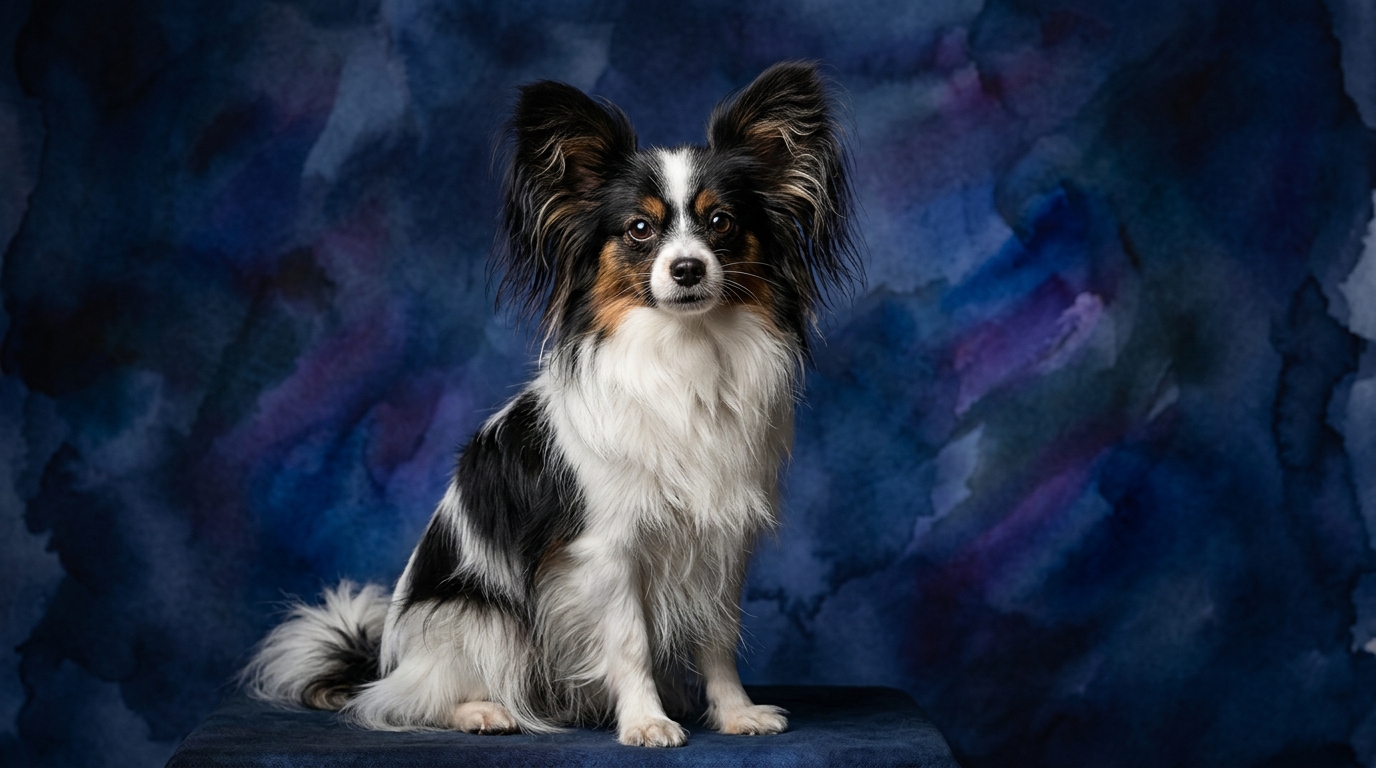
At The Cosmic Pet Pet IQ Lab, we evaluate canine intelligence across five key dimensions, providing a nuanced understanding beyond simple ranking. The Papillon, a Toy breed, stands out with a Coren rank of #8, indicating a high aptitude for learning and obedience. Its cognitive profile is marked by exceptional mental agility.
The Papillon's scores are impressive: Problem Solving 5/5, reflecting a capacity for complex thought and strategic navigation of challenges; Training Speed 5/5, indicating rapid acquisition of new commands and behaviors; Social Intelligence 4/5, demonstrating an ability to keenly read human cues and adapt interactions; Instinctive Drive 3/5, suggesting a moderate but manageable level of innate behaviors; and Memory 5/5, highlighting an excellent ability to retain information over time.
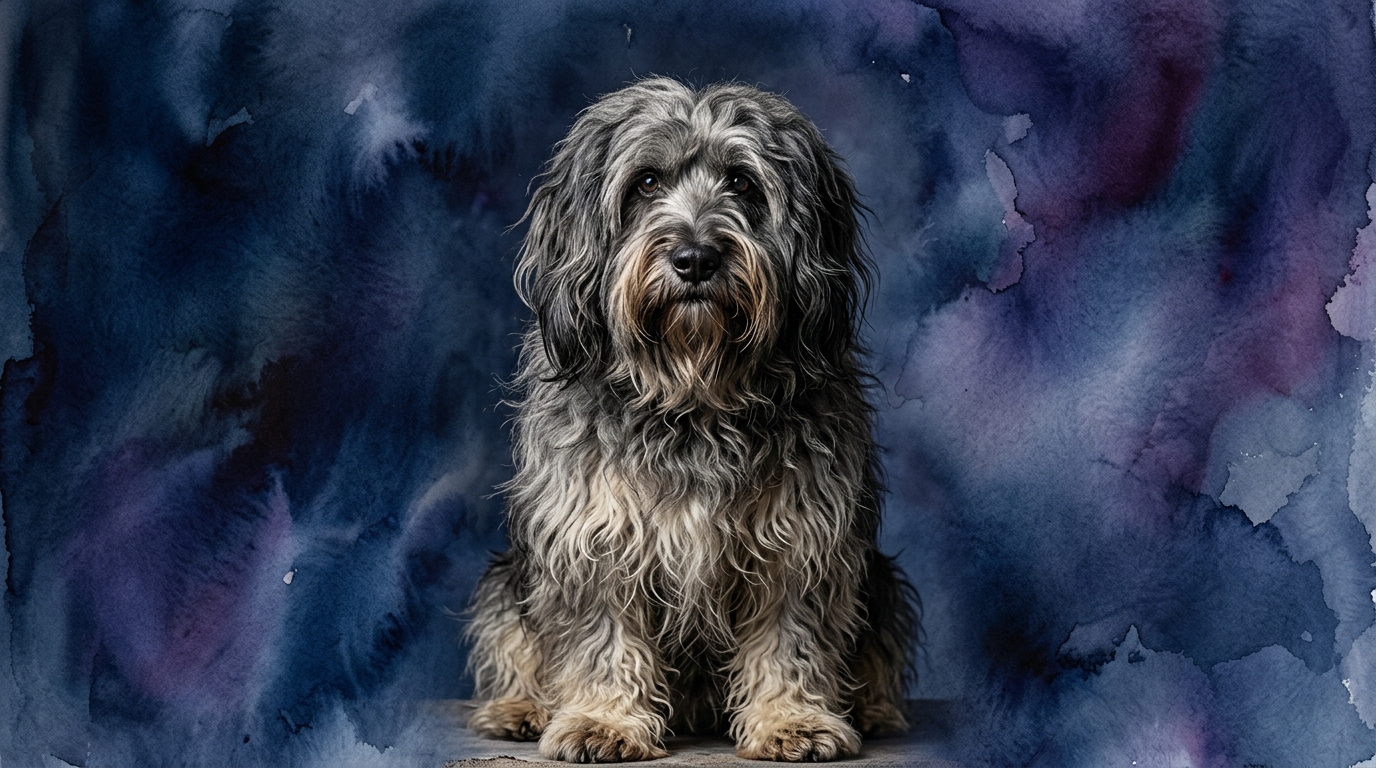
In contrast, the Polish Lowland Sheepdog, a Herding breed, does not appear on Coren's traditional ranking, yet possesses a practical, working intelligence forged by centuries of shepherding duties. Its cognitive strengths are rooted in vigilance, independence, and a deep connection to its environment.
The Polish Lowland Sheepdog's profile presents a different picture: Problem Solving 3/5, indicating a practical, situational intellect rather than abstract puzzle-solving; Training Speed 3/5, suggesting a methodical learning pace that benefits from consistency; Social Intelligence 3/5, reflecting a reserved but deeply loyal nature; Instinctive Drive 3/5, underscoring its inherent herding and guarding tendencies; and Memory 3/5, meaning it retains routines and commands, though perhaps requiring more reinforcement for intricate tasks.
Where the Papillon Excels Cognitively
The Papillon's cognitive strengths are particularly evident in its superior problem-solving and training speed. With a 5/5 in both dimensions, this breed displays a remarkable capacity for learning complex sequences, mastering agility courses, and excelling in intricate trick training. Their ability to quickly grasp cause-and-effect allows them to navigate novel situations with a discernible adaptability, often figuring out how to open cabinets or retrieve hidden toys through strategic thought.
Furthermore, the Papillon's 5/5 memory means they recall commands, routines, and even specific people with impressive accuracy, making sustained training remarkably efficient. Their 4/5 social intelligence score means they are adept at interpreting human body language and vocal tones, fostering a highly responsive and communicative partnership. This sensitivity allows them to quickly adjust their behavior based on subtle handler feedback, making them eager participants in any interactive activity.
Where the Polish Lowland Sheepdog Excels Cognitively
While its problem-solving is rated 3/5, the Polish Lowland Sheepdog's cognitive prowess lies in a distinct, practical form of intelligence, purpose-built for its herding heritage. This isn't about solving abstract puzzles, but about real-world efficacy and situational awareness. They excel at assessing dynamic environments, making independent decisions to manage livestock, and navigating complex outdoor terrains. Their intellect is geared towards vigilance, resourcefulness, and a robust understanding of their surroundings.
The balanced 3/5 instinctive drive, combined with a 3/5 social intelligence, means they possess a watchful nature and a strong sense of responsibility, often forming deep, protective bonds with their family unit. They might not be as overtly expressive as a Papillon, but their loyalty and steady presence are hallmarks of their cognitive makeup, making them reliable guardians. Their memory (3/5) is sufficient for retaining crucial routines and commands relevant to their duties, even if requiring more reinforcement than a Papillon, ensuring consistency in their work and home life.
Training Dynamics: Papillon vs. Polish Lowland Sheepdog
Training a Papillon often feels like a rapid-fire exchange of ideas. Due to their 5/5 training speed and 5/5 memory, Papillons are celebrated for their ability to acquire commands almost effortlessly. They pick up new tricks, obedience cues, and complex sequences with remarkable speed, often thriving on the mental stimulation that learning provides. Their strong social intelligence means they are highly motivated by positive reinforcement and handler approval, making training a cooperative and genuinely rewarding experience. They can become bored if not challenged, so varied and engaging sessions are key to harnessing their cognitive energy.
The Polish Lowland Sheepdog, with its 3/5 training speed and memory, requires a more patient and consistent approach. They are not slow learners, but rather methodical ones who benefit from clear, repetitive instructions and a logical progression of tasks. They often need to understand the 'why' behind a command, especially if it relates to their innate guarding or herding instincts, rather than just performing an action. Their problem-solving (3/5) is practical, so training should be functional and relevant to real-world scenarios, building upon their natural tendencies rather than fighting them. Consistency is paramount to embedding commands into their long-term memory, ensuring reliability over time.
Matching Owners: Active vs. Relaxed Lifestyles
The Papillon, with its high cognitive scores across the board, particularly in problem-solving and training speed, thrives with owners who can provide consistent mental and moderate physical engagement. They excel in active households that enjoy dog sports like agility, obedience, or trick training, and appreciate a highly interactive and responsive companion. Their smaller size belies a significant need for mental stimulation to prevent boredom and ensure a well-adjusted temperament. Owners who are keen to engage in daily training sessions and offer novel experiences will find a Papillon a delightful and challenging partner.
The Polish Lowland Sheepdog, while possessing a herding background, offers a more balanced cognitive profile that suits owners who appreciate a steadfast, watchful, and somewhat independent companion. They need regular exercise and mental engagement related to their natural instincts, such as puzzle toys, scent work, or 'find it' games, but are less prone to frantic energy if not constantly stimulated. Owners who value a dog with a strong, protective presence, a watchful eye, and a desire to be part of family activities without demanding constant spotlight will find a good match. They are adaptable to various living situations as long as their needs for routine, purpose, and a sense of belonging are met.
The Verdict
Choose the Papillon if you seek a highly responsive, mentally agile companion eager to learn complex tasks, excel in dog sports, and thrive on constant intellectual engagement within a relatively compact form.
Opt for the Polish Lowland Sheepdog if you value a steadfast, watchful partner with a practical intellect, a strong sense of family loyalty, and the capacity for independent thought in a more robust package.
🧠 Find Your Pet's IQ Score
Our Pet IQ Lab assessment covers 25+ tests across 5 cognitive dimensions — personalized to your breed.
Take the Full IQ Test →Frequently Asked Questions
Is the Papillon easily bored due to its high IQ?
Yes, with 5/5 problem-solving and training speed, Papillons require consistent mental stimulation. Without regular engagement through training, puzzles, or new experiences, they can become bored and potentially develop undesirable behaviors to occupy their active minds.
Does the Polish Lowland Sheepdog's 3/5 problem-solving mean it's not intelligent?
Not at all; its 3/5 score reflects a practical, situational intelligence geared towards its herding origins rather than abstract puzzles. They excel at real-world problem-solving, navigating environments, and making independent decisions relevant to their duties, showcasing a different type of cognitive strength.
How do their social intelligence scores impact family life?
The Papillon's 4/5 social intelligence means it's highly attuned to human emotions and seeks close interaction, often becoming a very responsive, affectionate, and communicative family member. The Polish Lowland Sheepdog's 3/5 score indicates strong loyalty to its family, though it may be more reserved with strangers, acting as a watchful and devoted guardian rather than an effusive greeter.