A Side-by-Side Cognitive Profile
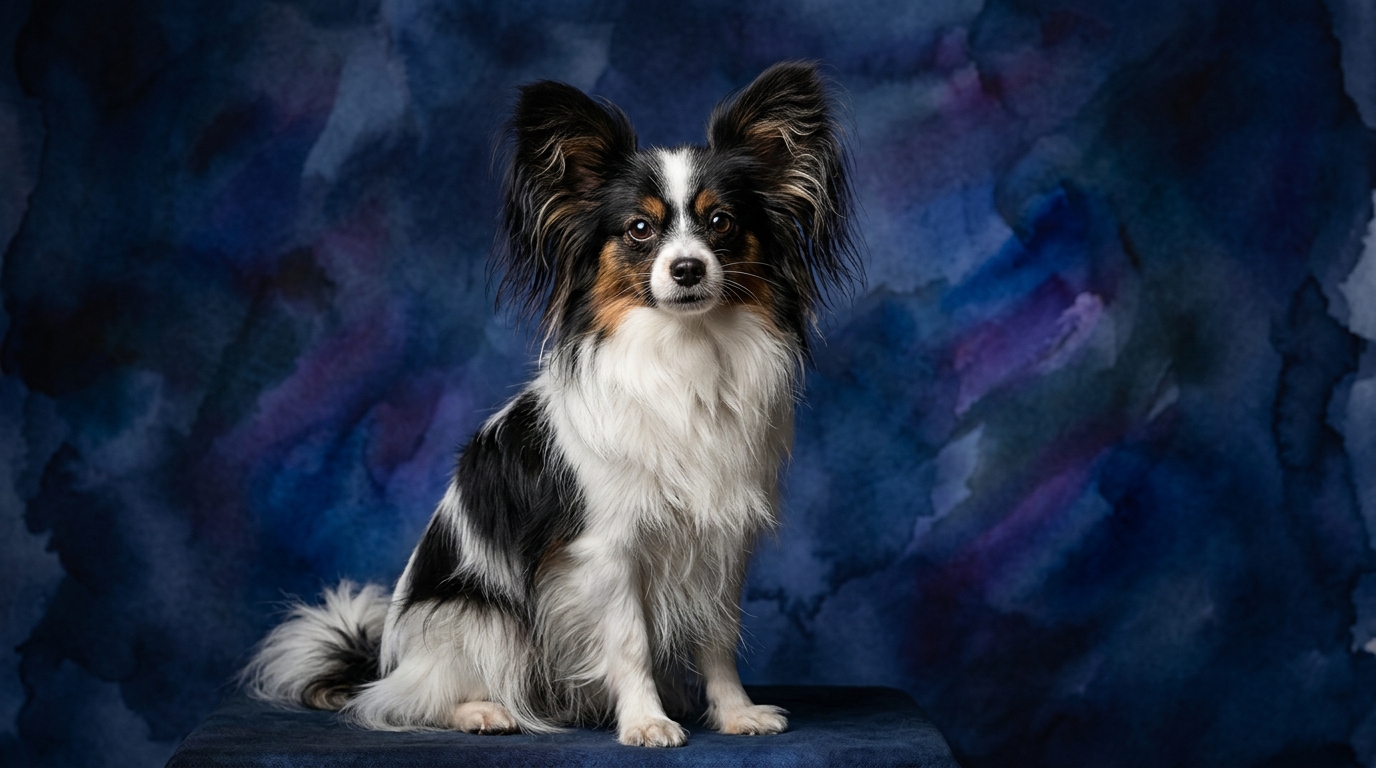
The Cosmic Pet Pet IQ Lab employs a multi-faceted approach to evaluate canine intelligence, moving beyond simple obedience to explore five key dimensions. For the Papillon, ranked #8 on the Coren scale, its profile paints a picture of sharp mental acuity. Its Problem Solving is rated 5/5, indicating an exceptional capacity to navigate novel situations, decipher complex puzzles, and adapt strategies with remarkable ingenuity. Training Speed also sits at a perfect 5/5, suggesting these dogs assimilate new commands and behaviors with astonishing rapidity, often requiring minimal repetitions. Social Intelligence is a strong 4/5, demonstrating a keen understanding of human cues and emotional states, though perhaps with a touch of independent thought. Its Instinctive Drive is a moderate 3/5, meaning it's less governed by strong innate behaviors like herding or guarding. Finally, Memory is an outstanding 5/5, allowing for a deep retention of learned commands, routines, and past experiences, contributing significantly to its overall cognitive prowess.
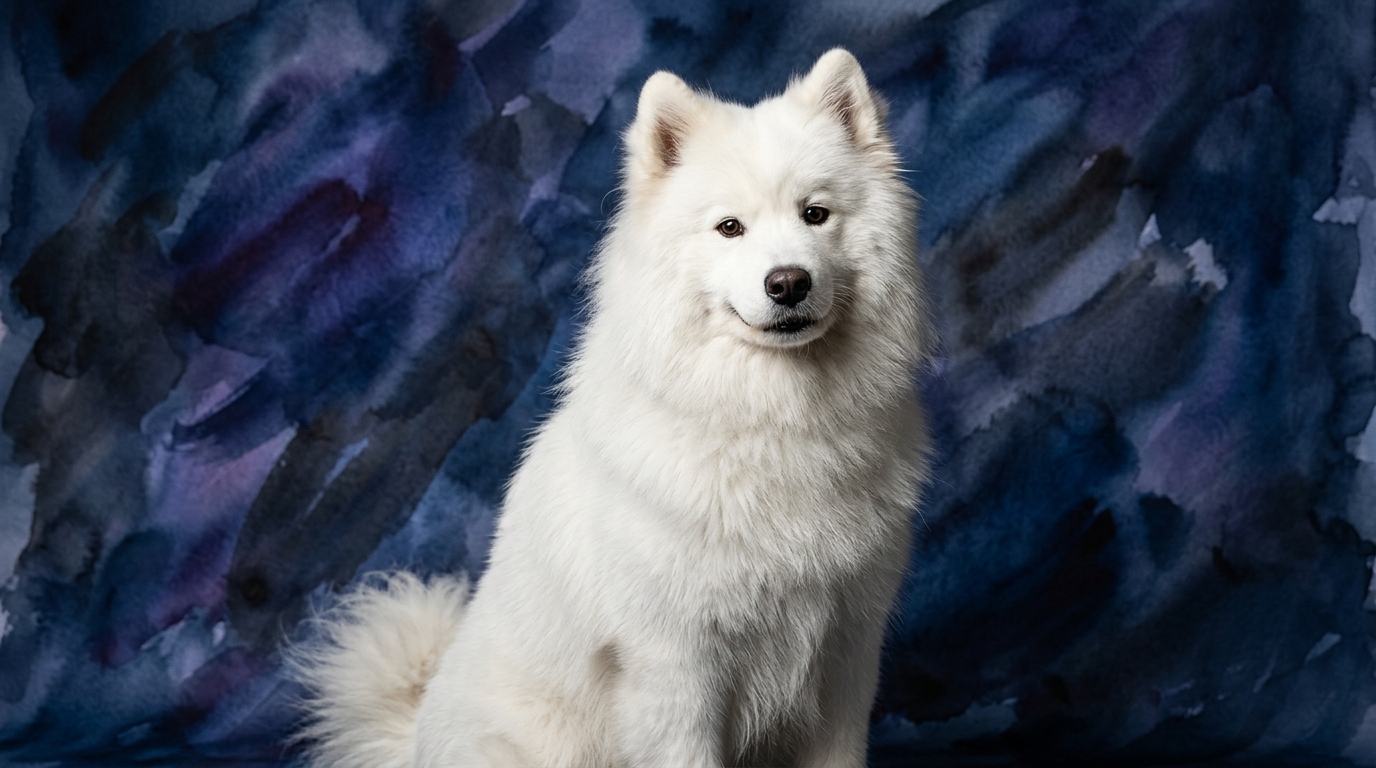
In contrast, the Samoyed, holding Coren rank #33, presents a different yet equally compelling cognitive blueprint. Its Problem Solving is rated 3/5, indicating a moderate capacity to tackle new challenges; they can solve problems, but might take more time or rely more on established patterns than creative improvisation. Training Speed mirrors this at 3/5, meaning they learn, but consistency and patience are crucial, as they might require more repetitions to solidify new behaviors. Where the Samoyed truly shines is in Social Intelligence, earning a perfect 5/5. This reflects an unparalleled attunement to human emotions and social dynamics, fostering a profound desire for connection and cooperative interaction. Its Instinctive Drive is a robust 4/5, a testament to its heritage as a working dog with inherent tendencies towards purpose-driven activities like pulling or herding. Memory for the Samoyed is a moderate 3/5, suggesting they retain information, but might benefit from regular refreshers for less frequently practiced skills.
Where the Papillon's Mind Excels
The Papillon's cognitive strengths are particularly evident in its capacity for abstract learning and intricate pattern recognition. Its top scores in Problem Solving and Memory mean it can quickly grasp and retain complex sequences, making it an ideal candidate for advanced trick training, competitive canine sports like agility, or even learning multi-step household tasks. This breed's mental agility allows it to adapt rapidly to new environments or training demands, often requiring fewer repetitions to master a task than many other breeds. Owners often observe Papillons actively trying to 'figure things out,' whether it's manipulating a puzzle toy or anticipating the next step in a routine, showcasing their proactive cognitive engagement.
Their exceptional training speed isn't merely about obedience; it reflects a deep engagement with the learning process itself. Papillons absorb information quickly and seem to genuinely enjoy the mental stimulation of acquiring new skills, often displaying a joyful eagerness during training sessions. This quick uptake and lasting recall translate into a highly responsive companion, capable of executing a wide repertoire of commands with precision and enthusiasm, even after extended periods without practice.
Where the Samoyed's Mind Shines
The Samoyed's cognitive brilliance lies primarily in its unparalleled social intelligence and its strong, purposeful instinctive drive. A perfect 5/5 in Social Intelligence means these dogs are profoundly attuned to human emotions, body language, and the nuances of social interaction. This makes them exceptional emotional support animals, therapy prospects, or simply deeply empathetic family companions who understand and respond to the mood of their household members. Their social acumen allows them to navigate complex group dynamics, making them naturally adept at interacting harmoniously with diverse family members or other pets.
Their robust 4/5 Instinctive Drive provides a powerful internal motivation for purposeful work. Samoyeds thrive when given a 'job,' whether it's pulling a cart, participating in canine sports that leverage their strength and endurance, or even just carrying a backpack on a hike. This drive, combined with their social intelligence, means they are not just capable workers but willing, cooperative partners, finding immense satisfaction in contributing to a shared goal with their human companions. Their intelligence is geared towards collaboration and understanding their role within a social structure, rather than purely abstract problem-solving.
Ease of Training: A Tale of Two Approaches
When considering ease of training, the Papillon generally presents a more straightforward experience for most owners. Its 5/5 Training Speed, coupled with 5/5 Problem Solving and Memory, means these dogs pick up commands with remarkable swiftness and retain them with impressive consistency. They are typically eager to please, respond enthusiastically to positive reinforcement, and often delight in the mental challenge of learning new behaviors. Their moderate 3/5 Instinctive Drive also means fewer strong innate behaviors that need to be redirected or managed, allowing for a more direct path to obedience and trick training.
The Samoyed, with its 3/5 Training Speed, 3/5 Problem Solving, and 3/5 Memory, alongside a stronger 4/5 Instinctive Drive, requires a different, more patient approach. They are not necessarily 'hard to train,' but they learn at a steadier pace and often demand more consistent reinforcement and repetition. Their intelligence is more about social cooperation and fulfilling a role rather than rapid acquisition of abstract commands. Training must be engaging, relationship-focused, and often tap into their working breed heritage to hold their attention. While they might take longer to master a command, their exceptional Social Intelligence means they are often willing and devoted partners if the training is framed as a collaborative effort rather than a series of rote instructions.
Matching Canine Cognition to Lifestyle
For owners with a more relaxed lifestyle, the Papillon can be a surprisingly good fit, provided their mental needs are met. While a small toy breed, their high cognitive needs (5/5 Problem Solving, 5/5 Memory) mean they require consistent mental stimulation. A relaxed owner who provides regular puzzle toys, short but engaging training sessions, and interactive games that challenge their intellect will find a contented companion. They aren't necessarily physically demanding in the same way a large working dog is, but their minds absolutely need regular exercise to prevent boredom and undesirable behaviors. Active owners, on the other hand, will find the Papillon excels in canine sports like agility, rally obedience, or even advanced trick training, thriving on the challenge.
The Samoyed is unequivocally better suited for active owners. Their robust 4/5 Instinctive Drive and moderate Problem Solving/Training Speed mean they need consistent physical and mental outlets that align with their working breed heritage. A relaxed owner might find their characteristic 'Samoyed smile' turns into frustration or destructive behaviors without enough purposeful activity. They excel with owners who enjoy long walks, hiking, recreational sledding or carting, or dog sports that leverage their strength, endurance, and desire to work alongside their human. Their deep social intelligence means they genuinely want to be *with* their people during these activities, making them ideal partners for outdoor adventures.
The Verdict
Choose the Papillon if you seek a companion that revels in mental challenges, learns new tasks with impressive speed, and boasts an exceptional memory for complex routines. They are an ideal match for owners who enjoy engaging in trick training, canine sports, or simply delight in a highly responsive and adaptable small dog.
Choose the Samoyed if you are prepared to channel a strong working drive into purposeful activities and value a deeply socially attuned companion with a heart for cooperative work. They thrive with active individuals or families who can provide consistent mental and physical engagement, appreciating their steady learning pace and affectionate nature.
🧠 Find Your Pet's IQ Score
Our Pet IQ Lab assessment covers 25+ tests across 5 cognitive dimensions — personalized to your breed.
Take the Full IQ Test →Frequently Asked Questions
Are Papillons good for first-time dog owners?
Yes, their eagerness to learn and quick grasp of commands can make them rewarding for novices, provided the owner commits to consistent mental stimulation. Their small size and relatively low physical demands also contribute to their manageability, making them a good entry point into dog ownership.
Do Samoyeds require a lot of exercise?
Absolutely. Bred for pulling sleds and herding, Samoyeds possess a robust instinctive drive and stamina that necessitates significant daily physical activity. Long walks, hikes, or engaging dog sports are crucial to their well-being and to prevent boredom-driven behaviors from emerging.
Can a Papillon compete in dog sports?
Definitely. With their exceptional problem-solving, training speed, and memory, Papillons frequently excel in agility, obedience, rally, and even flyball. Their compact size and mental agility make them formidable competitors in various canine disciplines, often outperforming larger breeds.