Side-by-Side IQ Profile: Papillon vs. Schipperke
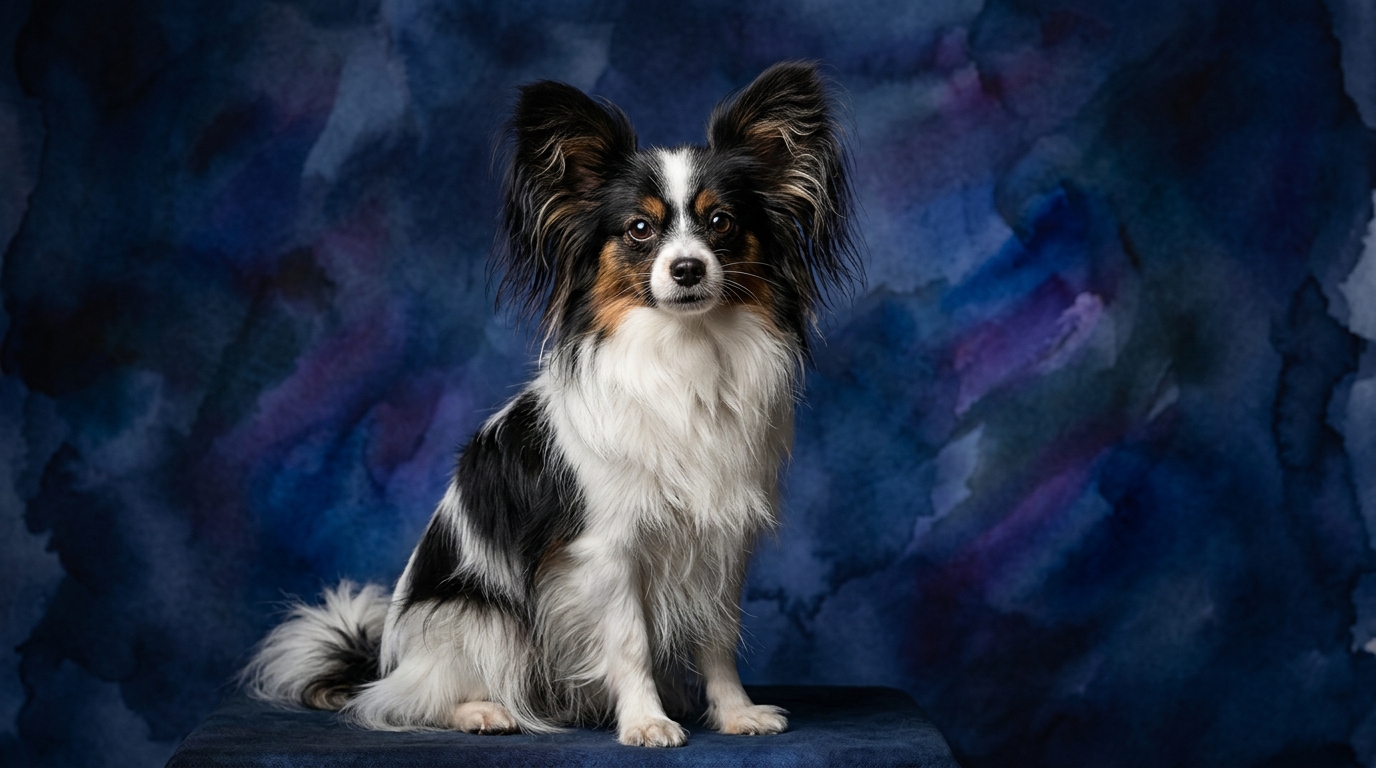
The Papillon, a Toy breed, presents a remarkable cognitive blueprint, earning it a Coren rank of #8. Its Problem Solving ability, rated 5/5, means this small dog approaches novel challenges with keen analytical skills, often figuring out complex mechanisms or routes to achieve a goal. Training Speed, also a perfect 5/5, indicates an exceptional capacity for learning new commands and behaviors with minimal repetition, making them remarkably adaptable students in various disciplines. Social Intelligence at 4/5 reveals a strong aptitude for reading human emotions and intentions, fostering deep, communicative bonds and making them highly responsive companions. While its Instinctive Drive is a moderate 3/5, suggesting less dominant independent hunting or herding urges, its Memory is a perfect 5/5, ensuring long-term retention of learned routines, commands, and experiences, rarely forgetting a lesson.
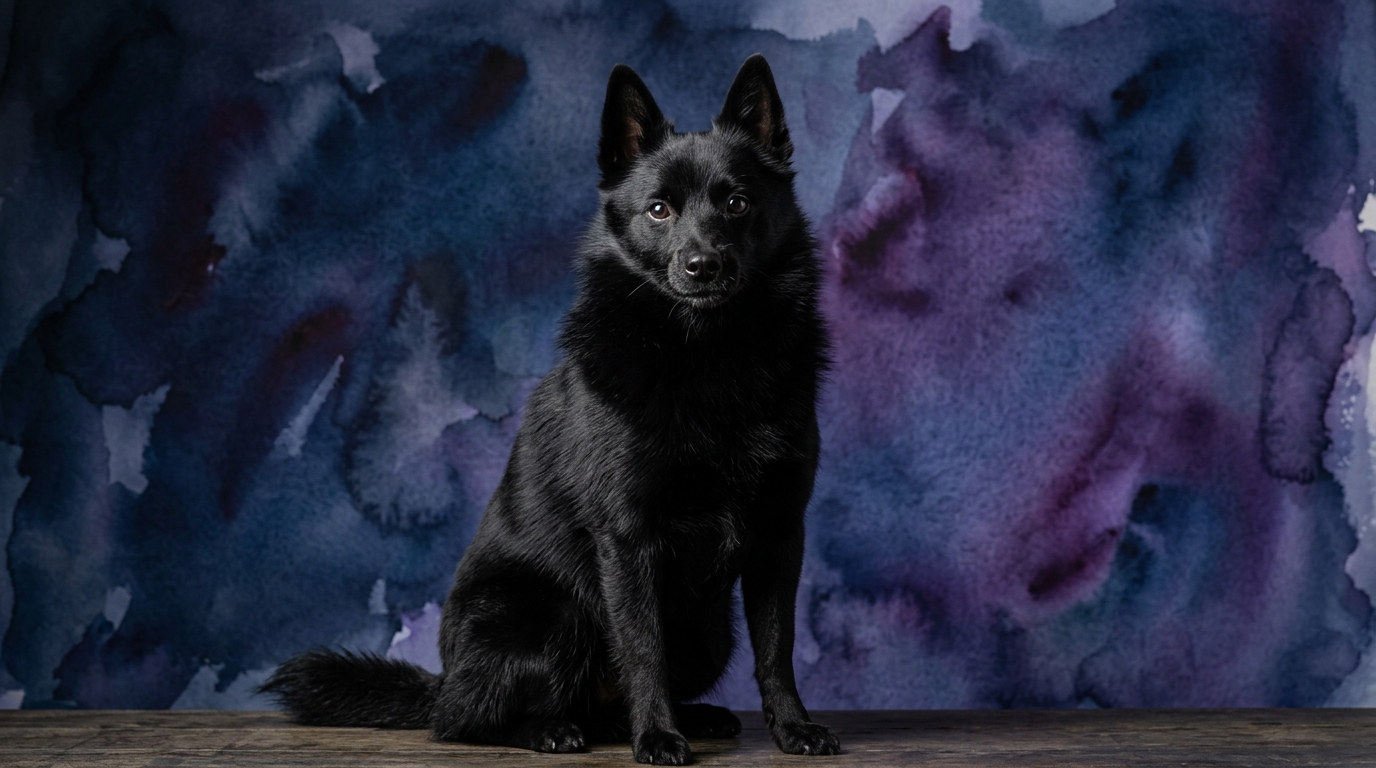
The Schipperke, a Non-Sporting breed, also possesses a formidable intellect, achieving a Coren rank of #15. Its Problem Solving is rated 5/5, demonstrating a resourceful and often ingenious approach to overcoming obstacles, whether it's figuring out how to open a gate or navigating complex environments. A 5/5 in Training Speed highlights its rapid acquisition of new skills and commands, making it an eager and efficient learner capable of mastering intricate tasks quickly. However, its Social Intelligence stands at 3/5, indicating a more independent nature; while observant of its human companions, it may not be as overtly driven by a desire to please or as empathetic as some breeds. Its Instinctive Drive at 3/5 points to a moderate but focused prey drive, often manifesting as a vigilant watchfulness, and its Memory at 5/5 ensures it rarely forgets a lesson, a person, or a routine, maintaining a strong recall of learned behaviors over time.
Where the Papillon's Mind Shines Brighter
The Papillon's primary cognitive advantage lies in its superior Social Intelligence, scoring a 4/5 compared to the Schipperke's 3/5. This isn't merely about general friendliness; it signifies a heightened ability to interpret subtle human cues, emotional states, and social contexts. Papillons are often more attuned to their owner's moods, capable of offering comfort or adjusting their behavior based on perceived human needs, making them exceptionally empathetic companions. This translates into a more collaborative learning experience and a deeper, more intuitively understood bond, as they actively seek to engage and understand their human partners. They excel in activities requiring close partnership and nuanced communication, such as advanced obedience, freestyle, or even serving as emotional support animals where sensitivity to human feelings is paramount. Their adaptability in new social situations, quickly discerning appropriate behavior and interacting harmoniously with strangers, is a direct outcome of this refined social acumen, making them versatile companions in varied social environments and a joy to integrate into family life.
Schipperke's Cognitive Strengths: A Unique Edge
While both breeds share top marks in Problem Solving and Memory, the Schipperke’s distinctive cognitive edge often manifests through its independent application of these abilities, influenced by its slightly lower Social Intelligence and unique historical roles as barge dogs and guardians. Its 5/5 Problem Solving combines with a self-reliant streak, allowing it to tackle challenges with an almost entrepreneurial spirit, not always waiting for human direction. This might mean ingeniously finding ways to access desired objects, like a treat jar, or navigating complex spaces through sheer wit, often surprising owners with its resourcefulness. The Schipperke's keen observational skills, a facet of its instinctive drive for vigilance and guarding, contribute significantly to its strong Memory (5/5), enabling it to recall details about its environment, people, and routines with remarkable accuracy, often serving as a diligent, self-appointed guardian of its home and family. Its cognitive strength lies in its focused, determined, and often self-directed approach to understanding and interacting with its world, making it a formidable and resourceful small dog that approaches tasks with an unwavering sense of purpose and cleverness, often working things out on its own terms.
Training Dynamics: Which Breed Learns Faster?
Both the Papillon and the Schipperke boast impressive 5/5 scores in Training Speed and Memory, suggesting that both breeds are inherently quick learners capable of retaining a vast repertoire of commands and tricks over time. However, the *experience* of training them can differ significantly due to their distinct social intelligence profiles. The Papillon, with its 4/5 Social Intelligence, is often perceived as "easier" to train because it is more inclined to cooperate and actively seeks to please its human companions. It readily responds to positive reinforcement, subtle body language, and even anticipates commands, often thriving on the shared activity and the positive social interaction involved. This breed's strong desire for partnership makes training feel like a collaborative dance, where the dog is eager to engage and succeed alongside its owner, making the process smooth and rewarding.
In contrast, the Schipperke's 3/5 Social Intelligence means it is equally capable of learning rapidly, but its motivation might stem less from a desire to please and more from its own curiosity, the immediate reward, or its independent drive. This breed often exhibits a more self-reliant, sometimes even "stubborn," streak. While it learns quickly, it might require more consistent, clear, and engaging methods to maintain focus, as it is less inherently driven by human approval and more by its own agenda. Its training benefits immensely from variety, mental challenges, and a firm but fair approach, appealing to its problem-solving nature rather than relying solely on social compliance. Therefore, while both learn fast, the Papillon's inherent social eagerness often makes the training journey feel more intuitive and less demanding of consistent motivational strategies for owners.
Matching Minds to Lifestyles: Active vs. Relaxed Owners
When considering lifestyle fit, both the Papillon and Schipperke are energetic breeds that benefit significantly from consistent mental and physical engagement, yet their social dynamics suggest different types of "activity" they best complement. The Papillon, with its higher Social Intelligence, thrives in environments where it can be an active participant *with* its owner. It suits owners who enjoy interactive play, advanced obedience training, agility, or simply long, engaging walks where the dog is a constant, emotionally responsive companion. This breed craves interaction and can become bored or anxious if left alone for extended periods or if its social needs for companionship are unmet. It's ideal for active owners who want a true partner in their daily adventures, someone to share experiences with, and who appreciate a dog that is deeply integrated into family life and activities.
The Schipperke, while equally active and requiring stimulation, often approaches engagement with a more independent spirit. Its lower Social Intelligence means it may be content to patrol a yard, investigate interesting scents, or solve puzzle toys on its own, though it certainly enjoys structured training and walks with its owner. This breed suits active owners who appreciate a vigilant, self-reliant companion, perhaps someone who enjoys activities like urban exploration, scent work, or simply having a keen observer and protector by their side. It might be slightly more tolerant of independent activity than a Papillon, making it suitable for owners who are active but also value a dog with a strong sense of self and an ability to entertain itself to some extent. It's important to note that neither breed is truly suited for a purely "relaxed" owner who prefers minimal interaction or mental engagement, as both require consistent mental stimulation and physical exercise to prevent boredom-driven behaviors and ensure their overall well-being.
The Verdict
Opt for the Papillon if you seek a highly cooperative, emotionally sensitive companion who thrives on close partnership and nuanced social interaction, excelling in activities where human-dog synergy is key.
Select the Schipperke if you appreciate a clever, self-reliant dog with a vigilant spirit, capable of rapid learning but motivated by its own drive and a more independent approach to problem-solving.
🧠 Find Your Pet's IQ Score
Our Pet IQ Lab assessment covers 25+ tests across 5 cognitive dimensions — personalized to your breed.
Take the Full IQ Test →Frequently Asked Questions
Are Papillons or Schipperkes better for first-time dog owners?
Both are capable learners, but the Papillon's higher social intelligence often makes it more forgiving and intuitive to train for a novice owner due to its eagerness to please. The Schipperke's independence might require more consistent, clear guidance and a deeper understanding of its motivations, which can be a steeper learning curve for beginners.
Do Papillons or Schipperkes require more mental stimulation?
Both breeds demand significant mental engagement due to their high problem-solving and memory abilities, but they channel it differently. The Papillon thrives on interactive games and learning tricks with its owner, while the Schipperke might enjoy independent puzzle toys, scent work, or "watchdog" duties as part of its stimulation, leveraging its self-reliant nature.
Which breed is more prone to separation anxiety?
Given its higher social intelligence and strong desire for constant companionship, the Papillon may be more prone to separation anxiety if its social needs are not adequately met or if left alone for extended periods. The Schipperke's more independent nature might make it slightly more resilient to solitude, provided it has sufficient mental and physical outlets before being left alone.