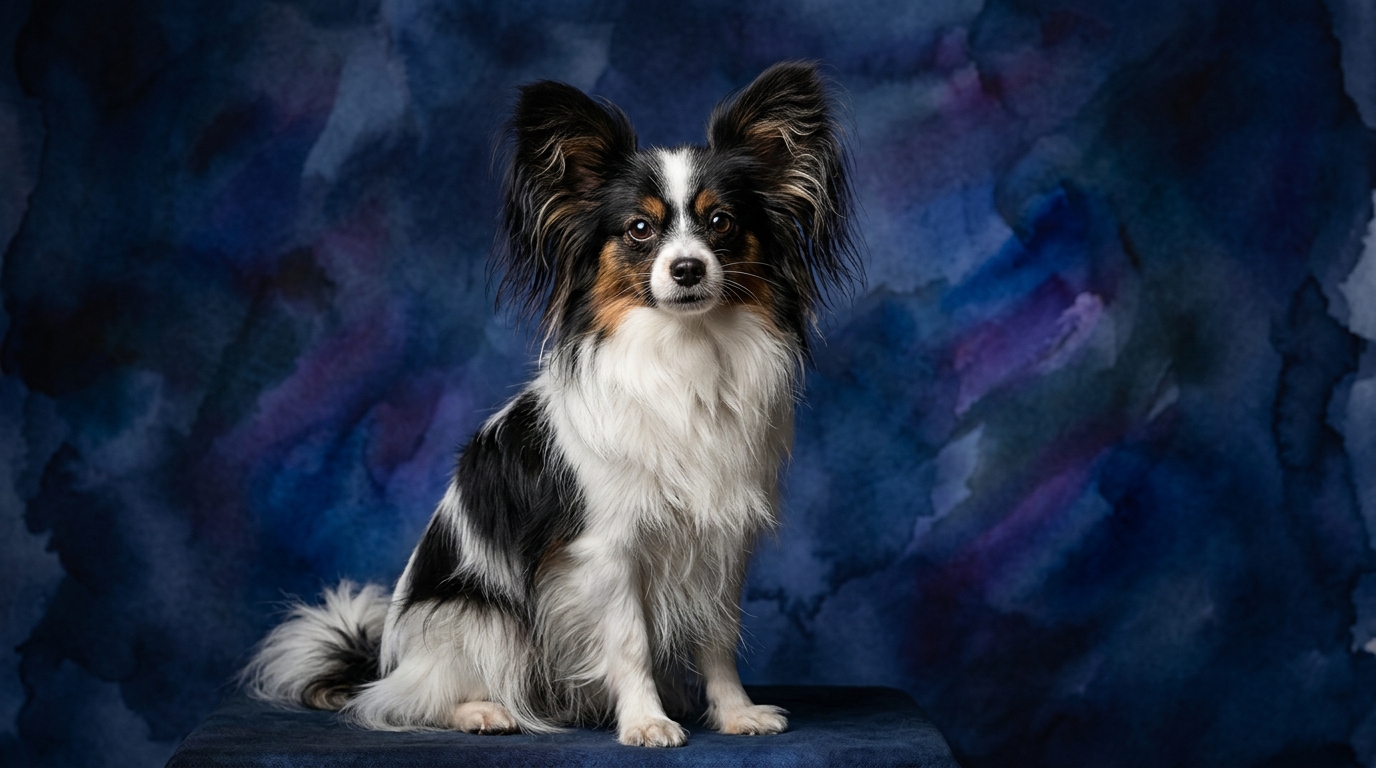
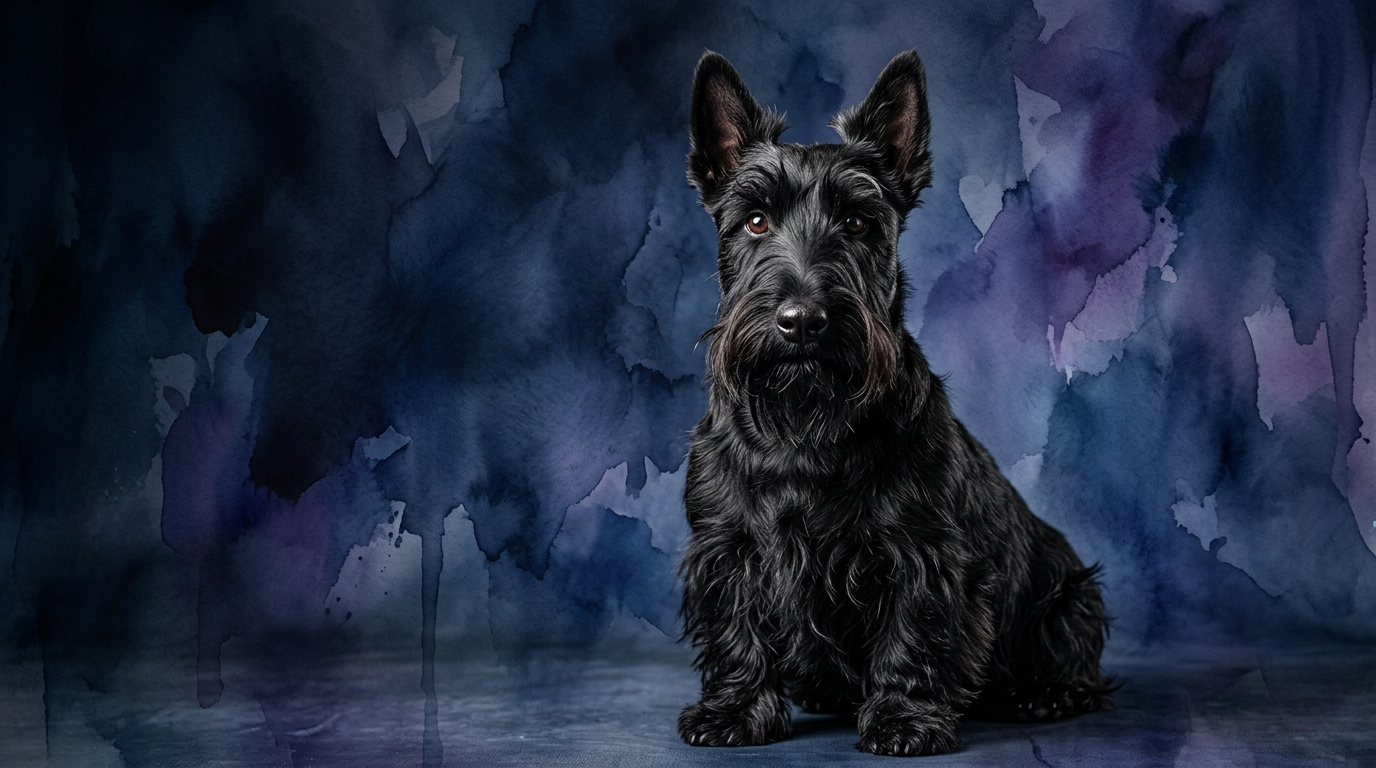
Side-by-Side Cognitive Profiles: Papillon vs. Scottish Terrier
To understand the unique mental makeup of these two breeds, we break down their intelligence across five key dimensions, offering a clear comparison of their inherent cognitive strengths and behavioral tendencies.
Problem Solving: Papillon (5/5) suggests exceptional capacity for figuring out novel situations, overcoming obstacles, and understanding complex sequences. Scottish Terrier (3/5) indicates a practical, task-oriented approach to problems, capable of solving challenges related to its specific interests.
Training Speed: Papillon (5/5) signifies rapid comprehension of new commands, quick association of actions with consequences, and a keen desire to learn from human instruction. Scottish Terrier (3/5) points to a moderate pace of learning, where repetition and clear motivation are key, and progress may be steady.
Social Intelligence: Papillon (4/5) reflects a strong ability to interpret human cues, understand social hierarchies, and adapt behavior based on companion emotions, fostering deep bonds. Scottish Terrier (3/5) suggests a more independent social stance, capable of attachments but often appearing self-possessed, less overtly reliant on constant human interaction.
Instinctive Drive: Papillon (3/5) indicates a moderate level of inherent breed-specific behaviors, such as curiosity or a desire to chase, manageable with ease. Scottish Terrier (3/5) also shows a moderate drive, but for terriers, this often manifests as a strong prey drive, digging inclination, and determined persistence.
Memory: Papillon (5/5) highlights an excellent capacity for retaining learned information, remembering complex sequences of commands, routines, and past experiences for consistent performance. Scottish Terrier (3/5) implies a functional memory, sufficient for daily routines and learned behaviors, but less adept at recalling intricate details over extended periods without reinforcement.
Where the Papillon Excels Cognitively
The Papillon's cognitive profile positions it as a standout in areas demanding mental agility and responsiveness. Its 5/5 in Problem Solving means it excels at navigating complex environments, figuring out how to open tricky puzzle toys, or devising novel solutions to reach desired objects. This isn't just simple trial and error; it's anticipating outcomes and adapting strategies. Coupled with a 5/5 in Training Speed, Papillons absorb new commands and routines with remarkable ease, often requiring fewer repetitions. They connect actions to rewards almost instantaneously, making them prime candidates for advanced obedience, agility, and intricate trick training. Furthermore, their 5/5 Memory ensures that once a lesson is learned, it's retained with impressive fidelity, allowing for consistent performance even after breaks. This robust memory also contributes to their adaptability, as they quickly recall past experiences to inform current decisions, making them highly flexible companions.
Where the Scottish Terrier's Cognitive Strengths Lie
While the Scottish Terrier's IQ scores appear lower compared to the Papillon, their cognitive strengths lie in focused independence and tenacious application of their instincts. Their 3/5 in Instinctive Drive, while numerically matching the Papillon, manifests distinctly as unyielding determination and a keen prey drive, reflecting their historical role as vermin hunters. This drive isn't about broad problem-solving but dedicated, persistent pursuit of a specific goal, showing deep focus. Their 3/5 in Problem Solving, combined with this drive, means they are exceptionally adept at solving practical, often physical, challenges related to their inherent instincts, such as locating hidden objects or navigating obstacles with single-minded purpose. This focused approach allows them to excel in situations requiring resilience and self-reliance, making them less prone to anxiety when left to their own devices. Their 3/5 Social Intelligence also translates into a dignified independence, meaning they don't constantly seek human validation, a trait some owners find appealing in a confident companion.
Training Dynamics: Which Breed is Easier to Train?
The Papillon, with its stellar 5/5 in Training Speed and 5/5 in Memory, is unequivocally the easier breed to train. They possess an inherent eagerness to please and a quick grasp of new concepts, often picking up complex commands in just a few repetitions. Their superior problem-solving ability allows them to understand the “why” behind an action, making them proactive learners who generalize commands with minimal effort. This translates into rapid progress in obedience, trick training, and even competitive dog sports. In contrast, the Scottish Terrier's 3/5 in Training Speed and Memory means training requires more patience and consistency. Scotties are not inherently less capable, but their learning style is more deliberate, and their independence means they need a compelling reason to comply. They may test boundaries, requiring an owner who understands how to motivate a determined terrier, often through positive reinforcement appealing to their inherent drives. Real behavioral differences include a Papillon's almost immediate recall versus a Scottie's potential for “selective hearing” when a more interesting scent or task arises.
Matching Breeds to Lifestyles: Active vs. Relaxed Owners
The Papillon's high cognitive scores mean they thrive on mental stimulation, making them suitable for owners who enjoy engaging their dog's mind, regardless of their physical activity level. An active owner might enjoy training them for agility, while a relaxed owner could satisfy their cognitive needs with puzzle toys or indoor tricks. While they enjoy walks, their physical exercise needs are generally moderate, making them adaptable to various living situations, provided their intellect is challenged daily. The Scottish Terrier demands an owner who understands and respects its independent and purposeful nature. Their moderate instinctive drive means they benefit from regular, structured exercise that allows them to explore and engage their senses, such as brisk walks with sniffing opportunities. A relaxed owner might find their determination challenging if not properly channeled, as an under-stimulated Scottie might invent its own “work.” An active owner providing consistent training and outdoor adventures appealing to terrier instincts will find a loyal, resilient companion.
The Verdict
Choose the Papillon if you seek a highly responsive, eager-to-please companion that excels in learning complex tasks, thrives on mental engagement, and adapts readily to various living situations, offering a truly interactive partnership.
Opt for the Scottish Terrier if you appreciate a dog with a dignified independence, a tenacious spirit, and a focused drive, valuing a companion that is confident, resilient, and whose loyalty is earned through consistent, respectful engagement.
🧠 Find Your Pet's IQ Score
Our Pet IQ Lab assessment covers 25+ tests across 5 cognitive dimensions — personalized to your breed.
Take the Full IQ Test →Frequently Asked Questions
Are Papillons good for first-time dog owners?
Yes, Papillons often make excellent choices for first-time owners due to their high trainability and eagerness to please, which simplifies the learning process for both dog and human. Their social intelligence also helps them adapt to new family dynamics quickly.
Do Scottish Terriers need a lot of physical exercise daily?
Scottish Terriers require regular, moderate exercise to satisfy their natural instincts and maintain their physical condition, typically benefiting from daily brisk walks and opportunities for secure off-leash exploration. Mental stimulation is equally important to prevent boredom.
How do their problem-solving skills differ in a home environment?
A Papillon might quickly figure out how to manipulate a complex puzzle toy or open a cabinet latch, showcasing broad cognitive flexibility. A Scottish Terrier's problem-solving might be more focused, like persistently working to retrieve a buried toy or finding a way to track a scent, demonstrating determination in specific tasks.