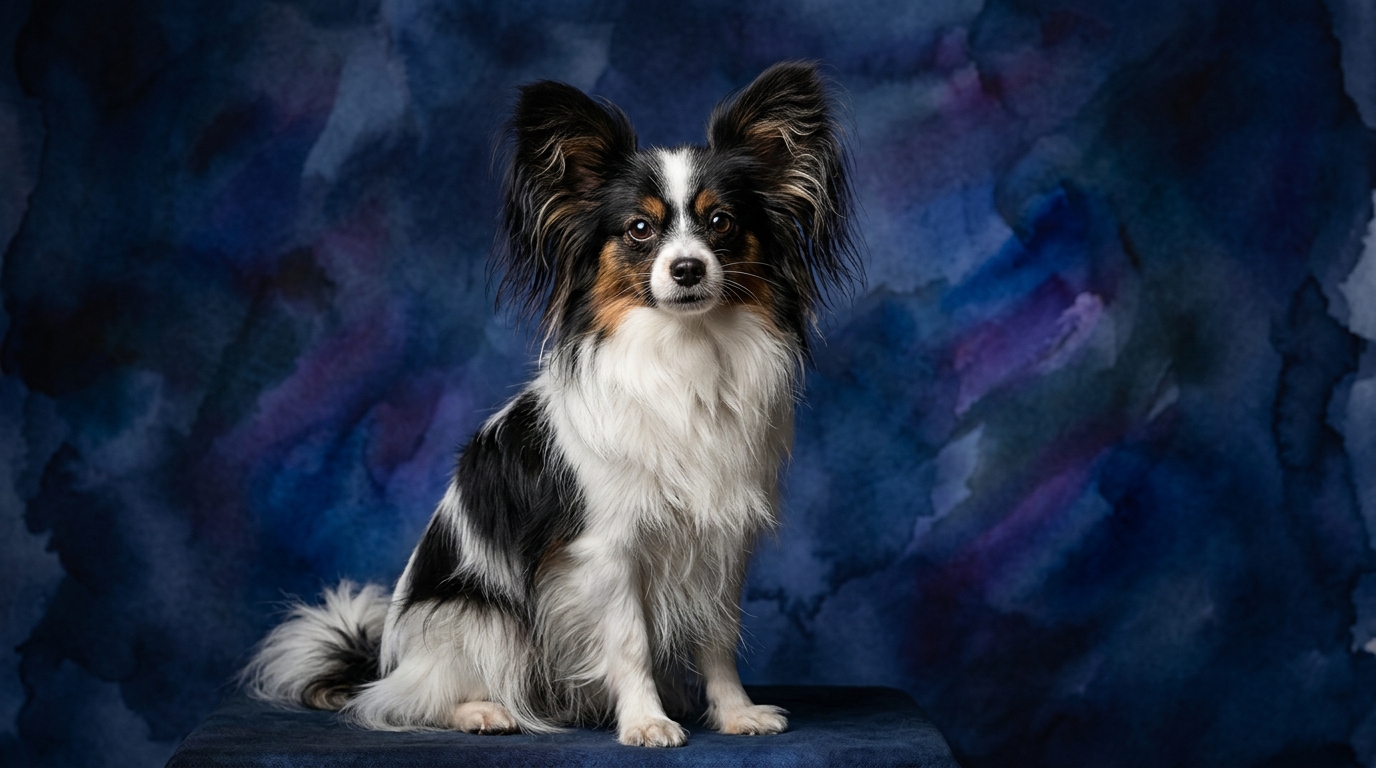
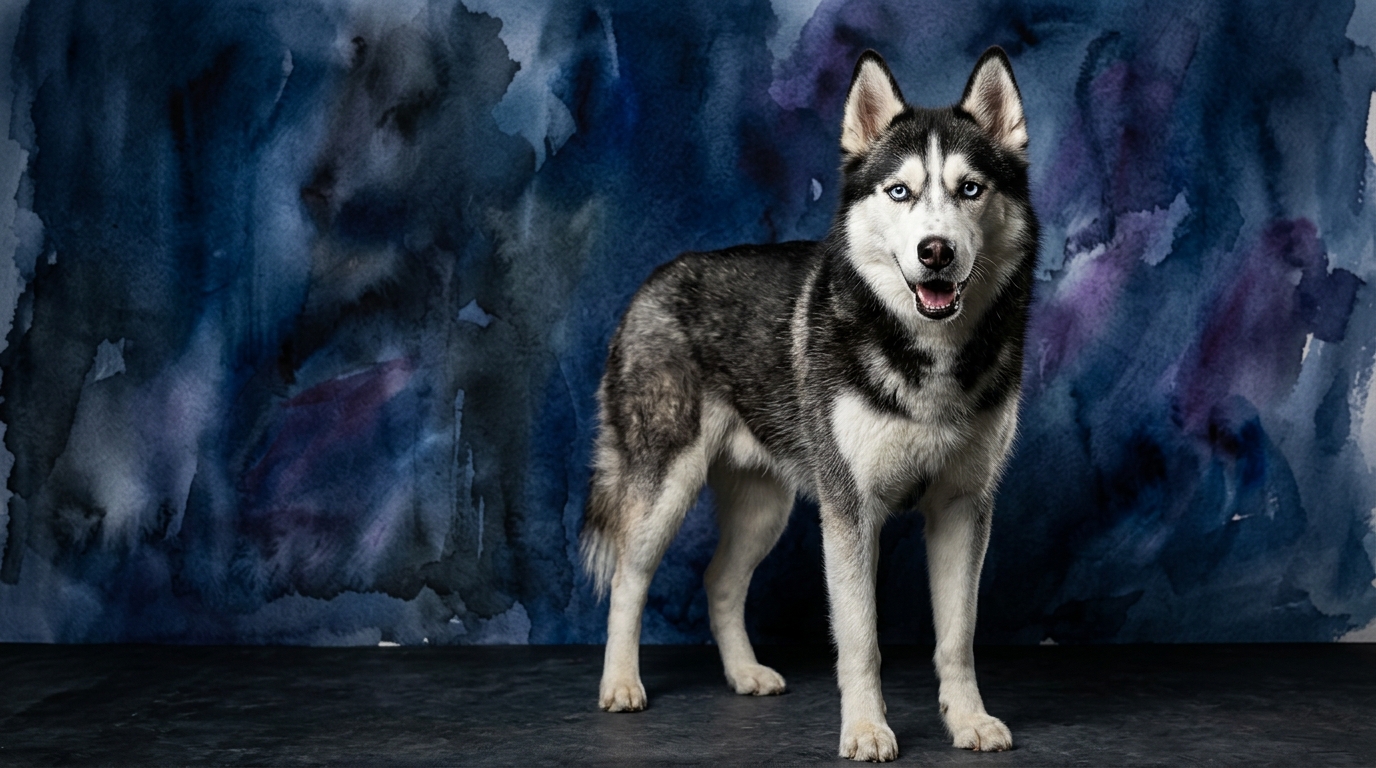
Side-by-Side Cognitive Profiles: Papillon vs. Siberian Husky
The Papillon, ranked #8 by Coren for obedience and working intelligence, demonstrates a remarkable cognitive aptitude across several key dimensions. Its Problem Solving is rated an exceptional 5/5, indicating an outstanding capacity to analyze novel situations and devise effective solutions. Training Speed also earns a perfect 5/5, meaning these dogs grasp new commands and concepts with astonishing swiftness, often requiring very few repetitions. Social Intelligence stands at a strong 4/5, reflecting their adeptness at interpreting human cues and adapting their behavior within social contexts. Their Instinctive Drive is moderate at 3/5, suggesting a balanced approach to innate behaviors, less dominated by primal urges. Finally, an impeccable 5/5 in Memory highlights their profound ability to retain learned information and experiences over extended periods, making them incredibly consistent.
In contrast, the Siberian Husky, positioned at Coren rank #45, presents a cognitive profile optimized for endurance and independence rather than strict obedience. Their Problem Solving is a commendable 4/5, showcasing a robust ability to navigate obstacles and find solutions, particularly when self-motivated. However, their Training Speed is rated 2/5, indicating a slower pace in acquiring new commands, often demanding considerable patience and repetition from trainers due to their independent streak. Social Intelligence is 3/5, pointing to a generally friendly but often self-directed approach to interactions, less focused on subtle human signals. A defining characteristic is their powerful Instinctive Drive, rated 5/5, embodying strong urges for running, pulling, and exploring, deeply ingrained for their original purpose. Their Memory is a solid 4/5, reflecting a good ability to retain information, though this might be overshadowed by their potent drives in daily application.
Where the Papillon's Mind Shines Brightest
The Papillon's cognitive strengths lie in its remarkable capacity for rapid learning, intricate problem-solving, and enduring recall. Its 5/5 Problem Solving isn't about brute force but about elegant, often subtle solutions, allowing them to excel at complex puzzle toys or manipulating objects to achieve a goal. This cognitive agility enables them to adapt rapidly to new environments and unexpected changes, making them remarkably flexible companions. Their 5/5 Training Speed means they absorb new commands and routines with astonishing efficiency, often grasping concepts in just a few repetitions. This translates into a dog that can quickly master an extensive repertoire of tricks, obedience commands, or even intricate agility courses, making them a joy for enthusiasts of canine sports. Furthermore, their perfect 5/5 Memory ensures that once a lesson is learned, it tends to stick, minimizing the need for constant re-training and allowing for consistent performance over time. This combination of rapid learning and robust recall makes the Papillon a standout for complex cognitive tasks and precise execution.
The Siberian Husky's Unique Cognitive Strengths
The Siberian Husky's cognitive prowess is deeply rooted in its ancestral role as a sled dog, manifesting most powerfully in its 5/5 Instinctive Drive. This isn't merely about physical endurance; it's a cognitive drive to work, to pull, and to cover vast distances, often in challenging conditions, requiring inherent decision-making skills. Their problem-solving at 4/5 often manifests in resourcefulness and independence, such as finding ways to navigate difficult terrain, escape enclosures, or track scents over long distances, demonstrating practical intelligence for survival and task completion. While their Training Speed is lower, their problem-solving is frequently applied to achieving their own goals, which may not always align with human commands, requiring a different approach to motivation. This breed's memory, rated 4/5, is particularly strong for spatial awareness and long-term navigation, remembering routes and landmarks, crucial for their working heritage. Their social intelligence (3/5) is geared more towards effective cooperation within a working pack and general friendliness rather than solely deferring to human direction, allowing them to make independent decisions when necessary for the task at hand.
Training Dynamics: Papillon's Eagerness vs. Husky's Independence
The Papillon's 5/5 Training Speed and high problem-solving make them exceptionally receptive to training, often finding the process itself engaging and thriving on mental stimulation and positive reinforcement. Their strong memory (5/5) means commands, once learned, are rarely forgotten, leading to consistent performance. This breed's cooperative nature and desire to engage with their human companions contribute to their rapid learning curve, making them ideal candidates for advanced obedience, rally, or agility. They are typically eager to please and quick to understand what is being asked of them, making the training journey a rewarding and often swift experience for owners who enjoy teaching complex sequences and tricks.
The Siberian Husky, with its 2/5 Training Speed, presents a distinctly different training challenge. Their powerful 5/5 Instinctive Drive often means they prioritize their own impulses – like exploring a compelling scent or indulging their innate desire to run – over human commands. They are not unintelligent, but their intelligence is often applied to their own agenda, which requires a trainer to be more creative and consistent. Training a Husky demands immense patience, unwavering consistency, and a deep understanding of their motivations. They respond best to positive reinforcement and methods that make training feel like a game or a collaborative effort, rather than strict compliance, as they are thinkers who weigh options. Their social intelligence (3/5) is more about being friendly and part of a pack, which might include their human family, but it doesn't automatically translate into automatic obedience; they require a partnership approach, where the dog is convinced that following commands is in its best interest, or leads to a desirable outcome for them.
Lifestyle Match: Active Expeditions vs. Relaxed Companionship
The Papillon's cognitive profile makes it an excellent fit for owners who enjoy engaging in mental games, intricate training, and a companion that is easily integrated into a varied home life. Their high problem-solving and training speed mean they thrive on consistent mental enrichment, making them suitable for owners who might prefer indoor activities, puzzle toys, or short, engaging training sessions over extensive physical expeditions. Their moderate instinctive drive (3/5) means they are generally content with regular walks and playtime, rather than demanding intense, prolonged physical exertion, making them adaptable to more relaxed home environments where intellectual stimulation is prioritized.
The Siberian Husky's strong instinctive drive (5/5) and resourcefulness make them ideal for active owners who relish outdoor adventures, structured exercise, and mental challenges that align with their working heritage. They need consistent outlets for their immense energy and problem-solving skills, such as sledding, skijoring, long hikes, or secure, large yards for extensive running. Owners who appreciate a dog with a strong will and independent thought will find the Husky a rewarding partner, provided they can offer the consistent training, management, and significant physical activity required to channel their powerful cognitive and physical drives constructively. Their needs demand a lifestyle that embraces their inherent desire to explore and work, not just a casual stroll.
The Verdict
Choose the Papillon if you seek a highly trainable, mentally agile companion eager to learn complex tasks and integrate seamlessly into a variety of home environments, thriving on intellectual engagement and close companionship.
Opt for the Siberian Husky if you are an active individual or family prepared for a strong-willed, independent partner with deep working instincts, requiring significant physical outlets and consistent, patient training to channel its formidable cognitive and physical drives.
🧠 Find Your Pet's IQ Score
Our Pet IQ Lab assessment covers 25+ tests across 5 cognitive dimensions — personalized to your breed.
Take the Full IQ Test →Frequently Asked Questions
Does a Papillon's small size mean it needs less mental stimulation?
Absolutely not. Despite their small stature, Papillons possess a high problem-solving ability (5/5) and exceptional memory (5/5), meaning they require substantial mental engagement. They thrive on learning new commands, solving puzzle toys, and participating in dog sports like agility, demonstrating that cognitive capacity isn't tied to physical size.
Why is the Siberian Husky's training speed rated low despite its intelligence?
The Siberian Husky's lower training speed (2/5) isn't an indicator of a lack of intelligence, but rather a reflection of its strong independent nature and powerful instinctive drives (5/5). Their minds are often preoccupied with their own agenda, such as exploring or running, making them less inclined to follow human commands without significant motivation and consistent, patient reinforcement.
How does 'instinctive drive' impact daily life for these breeds?
For the Papillon (3/5 instinctive drive), daily life is generally more adaptable, with moderate needs for activities like chasing or digging, making them easier to accommodate in diverse living situations. For the Siberian Husky (5/5 instinctive drive), these drives are profound, manifesting as a strong urge to run, explore, and pull, requiring owners to provide structured outlets to prevent behaviors like escaping or excessive digging in a typical home environment.