Side-by-Side IQ Profile: Unpacking Cognitive Dimensions
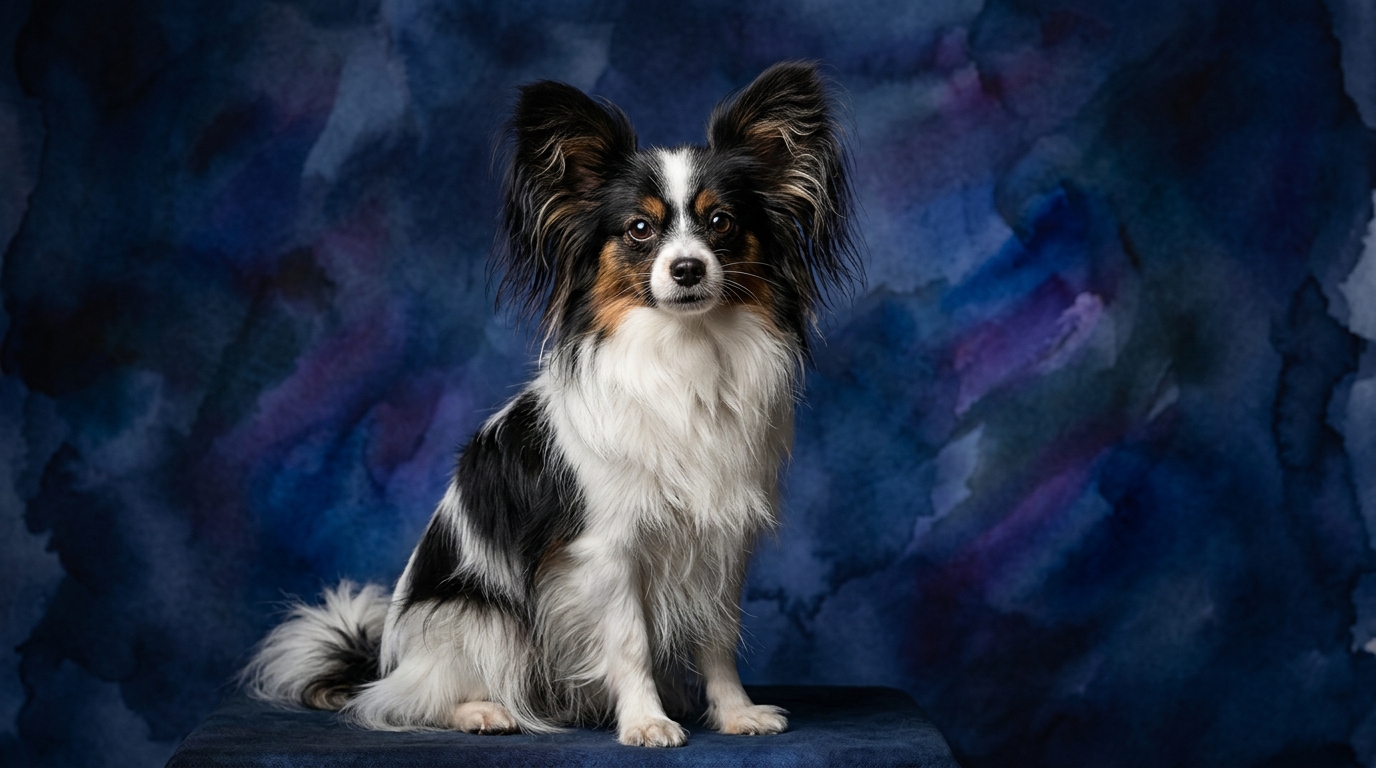
At The Cosmic Pet Pet IQ Lab, we evaluate canine intelligence across five critical dimensions. The Papillon, ranking impressively at Coren #8, demonstrates an outstanding Problem Solving ability (5/5), meaning they excel at navigating complex environments and figuring out novel solutions to obstacles, whether it's opening a tricky latch or devising a new game. Their Training Speed (5/5) is equally exceptional, allowing them to grasp new commands and routines with remarkable swiftness, often requiring fewer repetitions than most breeds. Papillons also exhibit strong Social Intelligence (4/5), demonstrating a keen aptitude for understanding human cues, emotions, and social structures, enabling nuanced communication and adaptability within family dynamics. Their Instinctive Drive (3/5) is moderate, suggesting they possess inherent curiosity or a desire to chase small movements without being overwhelmingly prey-driven. Finally, their Memory (5/5) is outstanding, allowing them to retain training, specific locations, and past experiences over long periods.
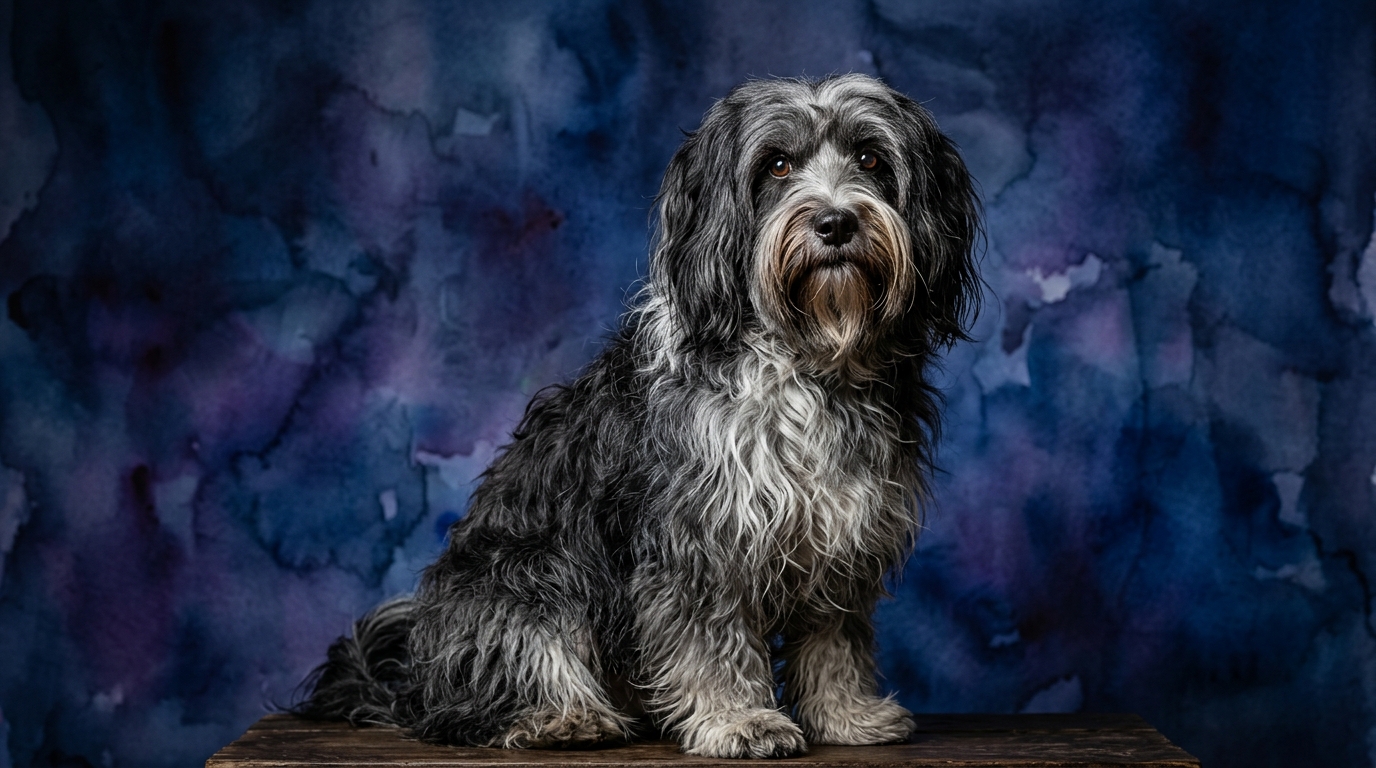
In contrast, the Tibetan Terrier, with a Coren rank of #63, presents a more balanced, moderate profile across these cognitive dimensions. Their Problem Solving ability (3/5) is solid, capable of learning routines and tackling straightforward challenges but less inclined to innovate complex solutions independently. Similarly, their Training Speed (3/5) is average, meaning they learn at a steady pace, requiring consistent and patient repetition to solidify new commands and behaviors. Tibetan Terriers' Social Intelligence (3/5) is also balanced, allowing them to connect with their human family and interpret basic social cues without exhibiting extreme sensitivity or over-analysis. Their Instinctive Drive (3/5) mirrors the Papillon's, suggesting they are not overwhelmingly prone to strong prey drives or territorial behaviors, making them generally adaptable. Their Memory (3/5) is good and reliable for important routines and learned commands, though they might not recall obscure details or past events with the same vividness as some breeds.
Where the Papillon Wins Cognitively
The Papillon’s cognitive strengths are particularly evident in its exceptional problem-solving and memory capabilities. A Papillon often demonstrates a remarkable capacity for strategic thinking, quickly assessing a situation—such as how to retrieve a dropped toy from under furniture or open a cabinet door—and executing a multi-step solution. This isn't just about simple learning; it's about applying learned principles to novel situations, showcasing a flexible and adaptive mind. Furthermore, their 5/5 memory means that once a concept is grasped or a route is learned, it is deeply ingrained, allowing for consistent performance and impressive retention of complex sequences or tricks over extended periods without significant refresher training.
Where the Tibetan Terrier Wins Cognitively
While the Papillon excels in rapid cognitive processing, the Tibetan Terrier's more moderate intellectual profile offers its own distinct advantages, particularly for owners seeking a companion with a balanced and less demanding mental landscape. A Tibetan Terrier’s 3/5 problem-solving and memory mean they are less likely to constantly seek out complex mental puzzles or become bored if not perpetually challenged, which can be a 'win' for a household that prefers a dog less inclined to outwit its environment or its humans. This translates to fewer instances of dogs figuring out elaborate escape routes, opening secure bins, or developing intricate 'nuisance' behaviors out of sheer cognitive boredom. Their balanced 3/5 social intelligence also means they are less likely to be overly sensitive to subtle shifts in human mood or environmental stressors, often leading to a more emotionally stable and less reactive companion in busy or unpredictable settings, providing a steady and predictable presence.
Training Dynamics: Papillon's Swiftness vs. Tibetan Terrier's Steadiness
When it comes to formal training, the Papillon undeniably holds an edge due to its 5/5 training speed and problem-solving. These breeds absorb new commands and behaviors with astonishing rapidity, often requiring only a handful of repetitions before solidifying a concept. Their keen problem-solving skills mean they can quickly generalize learned behaviors to new environments and situations, making them adaptable and eager participants in advanced obedience, agility, or trick training. They thrive on positive reinforcement and mental challenges, often anticipating the next cue and exhibiting a genuine joy in learning complex sequences. This innate drive to learn makes them highly responsive to consistent, engaging training methods, and their quick grasp of concepts means they can progress to advanced tasks relatively quickly.
In contrast, the Tibetan Terrier, with its 3/5 training speed, requires a more patient and consistent approach. While perfectly capable of learning, they benefit from shorter, more frequent training sessions and clear, repetitive instruction to ensure new behaviors are firmly established. Their moderate problem-solving means they might not independently 'figure out' a solution as quickly as a Papillon, necessitating careful guidance through each step of a new task. This doesn't mean they are untrainable; rather, their learning style is more methodical, requiring a dedicated and understanding trainer who can provide consistent reinforcement and structure. Their balanced social intelligence means they form strong bonds and respond well to a calm, confident leader, valuing consistency over rapid-fire learning.
Matching Breeds to Lifestyles: Active vs. Relaxed Owners
The choice between these two breeds often hinges on an owner's lifestyle and their capacity for providing mental and physical engagement. The Papillon, with its high problem-solving, training speed, and memory, thrives with active owners who enjoy engaging in mentally stimulating activities like dog sports, complex trick training, or puzzle toys. Their zest for learning and keen observational skills mean they can become bored or restless if not provided with regular intellectual challenges, potentially leading to self-directed problem-solving that might not align with human expectations. These dogs are often happiest when they have a 'job' to do, even if it's just learning a new trick daily, and they flourish in environments where their cognitive abilities are regularly exercised alongside their physical needs.
Conversely, the Tibetan Terrier, with its balanced 3/5 scores across most cognitive dimensions, is often a better fit for relaxed owners who appreciate a companion that is content with a more moderate level of daily activity and mental engagement. While they still require regular walks and playtime to stay healthy and happy, their lower drive for constant mental stimulation means they are often more adaptable to a quieter home environment, less prone to developing destructive behaviors out of cognitive under-stimulation, and generally more relaxed in their daily disposition once their basic needs are met. Their steady nature and moderate social intelligence make them excellent family dogs who enjoy being part of the action without needing to be the constant center of attention or intellectual challenge.
The Verdict
Choose a Papillon if you are an engaged owner eager to delve into advanced training, dog sports, and provide consistent mental stimulation for a highly responsive and quick-witted companion. Their exceptional memory and problem-solving make them ideal for those who enjoy a dog that actively participates in learning and thrives on complex interactions.
Opt for a Tibetan Terrier if you seek a steadfast, adaptable companion with a balanced temperament, content with a moderate routine of exercise and mental engagement. Their steady cognitive profile makes them a wonderful choice for families or individuals who appreciate a loyal presence without the constant demand for intricate intellectual challenges.
🧠 Find Your Pet's IQ Score
Our Pet IQ Lab assessment covers 25+ tests across 5 cognitive dimensions — personalized to your breed.
Take the Full IQ Test →Frequently Asked Questions
Are Papillons always busy and needing mental work?
Papillons, with their 5/5 problem-solving and memory, do thrive on consistent mental stimulation. While not needing to be "busy" every waking moment, they benefit greatly from regular training, puzzle toys, and interactive games to keep their sharp minds engaged and prevent boredom-driven behaviors.
Can a Tibetan Terrier learn complex tricks or advanced obedience?
Absolutely, a Tibetan Terrier can learn complex tricks and advanced obedience, though their 3/5 training speed means it will require more patience and repetition than with a Papillon. Their steady learning style responds well to positive reinforcement and consistent practice, allowing them to master a wide range of commands over time.
How do their social intelligence scores impact their family life?
The Papillon's 4/5 social intelligence means they are highly attuned to human emotions and family dynamics, often anticipating needs and responding subtly. The Tibetan Terrier's 3/5 social intelligence indicates a good, balanced understanding, making them affectionate and connected without being overly sensitive or prone to anxiety from minor social shifts, contributing to a stable home presence.