Side-by-Side IQ Profile: Papillon vs. Treeing Walker Coonhound
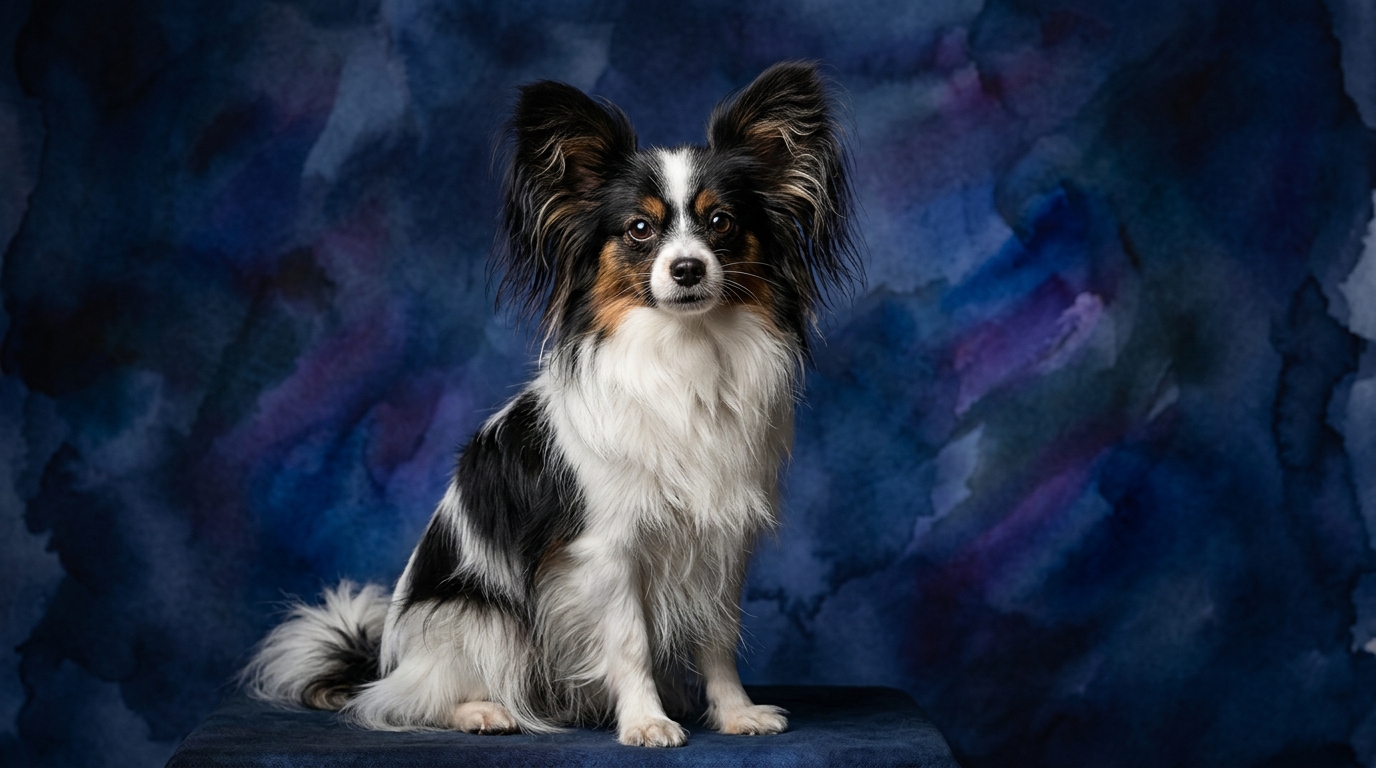
The Cosmic Pet Pet IQ Lab employs five key dimensions to evaluate canine cognition, providing a nuanced perspective beyond simple rankings. For the Papillon, a Toy breed with a Coren ranking of #8, its profile is notably strong: Problem Solving 5/5, Training Speed 5/5, Social Intelligence 4/5, Instinctive Drive 3/5, and Memory 5/5. This suggests a dog adept at rapid learning, complex thought, and excellent retention of information.
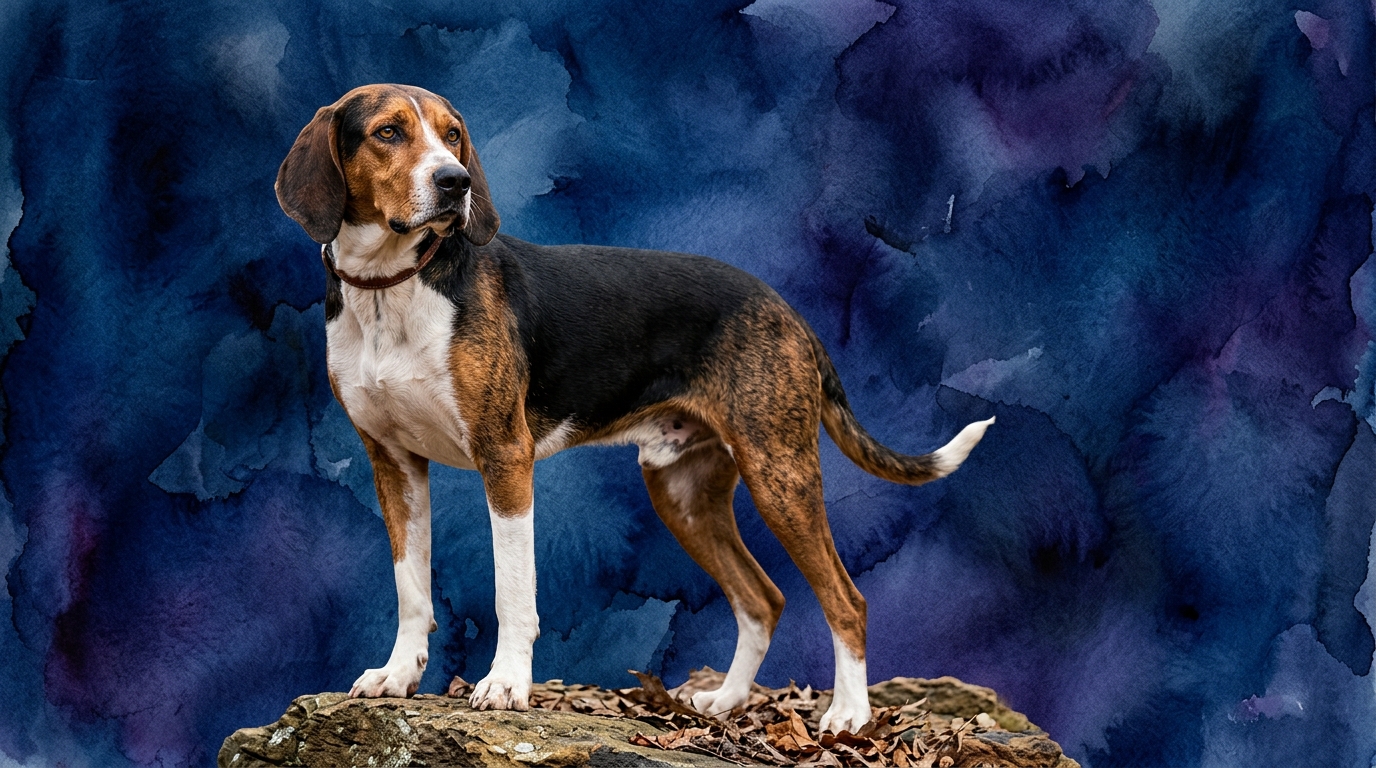
In stark contrast, the Treeing Walker Coonhound, a Hound breed not listed in Coren's rankings, presents a different cognitive blueprint: Problem Solving 3/5, Training Speed 3/5, Social Intelligence 3/5, Instinctive Drive 3/5, and Memory 3/5. These scores indicate a more specialized intelligence, often geared towards their historical role rather than broad adaptability to human-centric tasks. While their instinctive drive score mirrors the Papillon's, its manifestation in a scent hound is profoundly different, focusing on sustained pursuit rather than diverse problem-solving.
Where the Papillon Excels Cognitively
The Papillon’s cognitive strengths are evident across multiple dimensions, particularly in Problem Solving, Training Speed, and Memory, all scoring a perfect 5/5. This breed demonstrates a remarkable capacity for deciphering novel situations, quickly understanding new commands, and retaining those lessons over extended periods. For instance, a Papillon will often quickly figure out how to open a child-proof gate or manipulate puzzle toys designed for larger breeds, showcasing an inventive approach to overcoming obstacles.
Their high Training Speed means they absorb complex routines rapidly, making them stars in obedience, rally, and agility. Owners frequently report Papillons learning multi-step sequences with minimal repetition, eager to engage in mental challenges. This quick uptake is supported by their exceptional Memory, allowing them to recall a vast repertoire of cues, tricks, and even the schedules of their human companions. Their 4/5 Social Intelligence also means they are adept at interpreting subtle human body language and vocal inflections, further aiding in cooperative learning environments and making them highly responsive companions.
Where the Treeing Walker Coonhound's Cognition Shines
While the Treeing Walker Coonhound's general IQ scores are moderate, their cognitive strengths are deeply rooted in their specialized purpose. Their Problem Solving (3/5) is not geared towards abstract puzzles but rather the intricate, real-world challenge of tracking a scent. This requires immense focus, sequential deduction, and environmental analysis – following a cold trail through varied terrain, distinguishing target scents from myriad distractions, and adapting their strategy based on environmental cues like wind and ground cover. This is a highly specialized form of intelligence that excels in a specific domain.
The Treeing Walker Coonhound's Instinctive Drive (3/5), while numerically similar to the Papillon's, is the engine of their cognitive prowess. It’s a relentless, singular focus on scent, propelling them through hours of pursuit. Their Memory (3/5) in this context is crucial for recalling complex scent patterns, recognizing the unique signature of different animals, and remembering successful hunting grounds or strategies. Their Social Intelligence (3/5) is often expressed in pack dynamics, communicating through a distinctive 'bawl' or 'chop' while tracking, indicating the progress of the hunt to human handlers or fellow hounds. This is a cooperative intelligence optimized for a specific, demanding task.
Training Dynamics: Papillon vs. Treeing Walker Coonhound
When it comes to ease of training, the Papillon clearly holds an advantage due to its 5/5 Training Speed and Memory, coupled with its strong Problem Solving ability. Papillons are typically highly motivated by praise and treats, and they quickly grasp new commands, often anticipating the next step in a sequence. Their eagerness to engage and their capacity for understanding complex cues make them exceptionally responsive. Owners can teach a Papillon a wide array of tricks and behaviors with relative ease, and they thrive on the mental stimulation of learning.
The Treeing Walker Coonhound, with its 3/5 Training Speed and Memory, requires a different approach. Their powerful Instinctive Drive means that once a compelling scent is detected, their focus shifts entirely to that trail, making it challenging to redirect their attention to human-initiated commands. Training a Coonhound demands immense patience, consistency, and often, an integration of their natural drives into the training process. For example, using scent games or incorporating tracking elements can make training more engaging for them, appealing to their inherent motivations rather than fighting against them. While they can learn, their independent nature and single-minded pursuit of scent mean they are less inclined to offer immediate, enthusiastic compliance to arbitrary commands compared to a Papillon.
Suitability for Active vs. Relaxed Owners
The Papillon, despite its small size, can surprise owners with its capacity for activity, making it suitable for both active and moderately relaxed owners who can provide consistent mental engagement. Their high Problem Solving and Training Speed mean they excel in dog sports like agility, flyball, and obedience, requiring an owner willing to channel that mental energy. However, they are also content with regular walks and indoor play, provided they receive ample mental stimulation through puzzle toys, training sessions, and interactive games. A relaxed owner who enjoys teaching tricks and providing consistent, engaging interaction can find a Papillon to be a delightful companion, as their exercise needs are adaptable.
The Treeing Walker Coonhound, on the other hand, is unequivocally suited for active owners. Their strong Instinctive Drive and the physical demands of their heritage mean they require significant daily exercise, ideally involving opportunities for scent work or long, vigorous runs in secure areas. A relaxed owner who cannot commit to hours of physical activity and mental stimulation focused on their innate drives will likely find a Coonhound challenging. Without appropriate outlets, their energy and vocalizations can become problematic. They thrive with owners who understand and appreciate their hound nature, providing ample space and opportunities for them to engage their powerful noses and athletic bodies.
The Verdict: When to Choose Each Breed
The Verdict
Choose a Papillon if you seek a highly responsive, adaptable companion eager to learn complex tasks and thrive on mental engagement, fitting well into both active and moderately relaxed home environments that prioritize interactive training and companionship.
Opt for a Treeing Walker Coonhound if you are an active owner, deeply committed to providing extensive outdoor exercise and opportunities for scent work, understanding that their specialized intelligence and independent drive require a dedicated, consistent approach to training and management.
🧠 Find Your Pet's IQ Score
Our Pet IQ Lab assessment covers 25+ tests across 5 cognitive dimensions — personalized to your breed.
Take the Full IQ Test →Frequently Asked Questions
Are Papillons good for first-time dog owners?
Yes, Papillons can be an excellent choice for first-time owners due to their high trainability, adaptability, and eager-to-please nature. They quickly pick up on cues and generally form strong bonds with their human companions, making the learning process enjoyable for both.
Do Treeing Walker Coonhounds bark a lot?
Treeing Walker Coonhounds are known for their vocalizations, particularly their distinctive 'bawl' or 'chop' when on a scent trail. In a home environment, they can be prone to barking if not adequately exercised or mentally stimulated, using their voice to express boredom or alert to perceived intruders.
Can a Papillon participate in dog sports?
Absolutely. Papillons excel in a wide range of dog sports, including agility, obedience, rally, and even flyball, thanks to their exceptional Problem Solving, Training Speed, and athletic capabilities. Their small size doesn't hinder their performance; rather, it often makes them agile and quick competitors.