Side-by-Side IQ Profile: Papillon vs. Vizsla
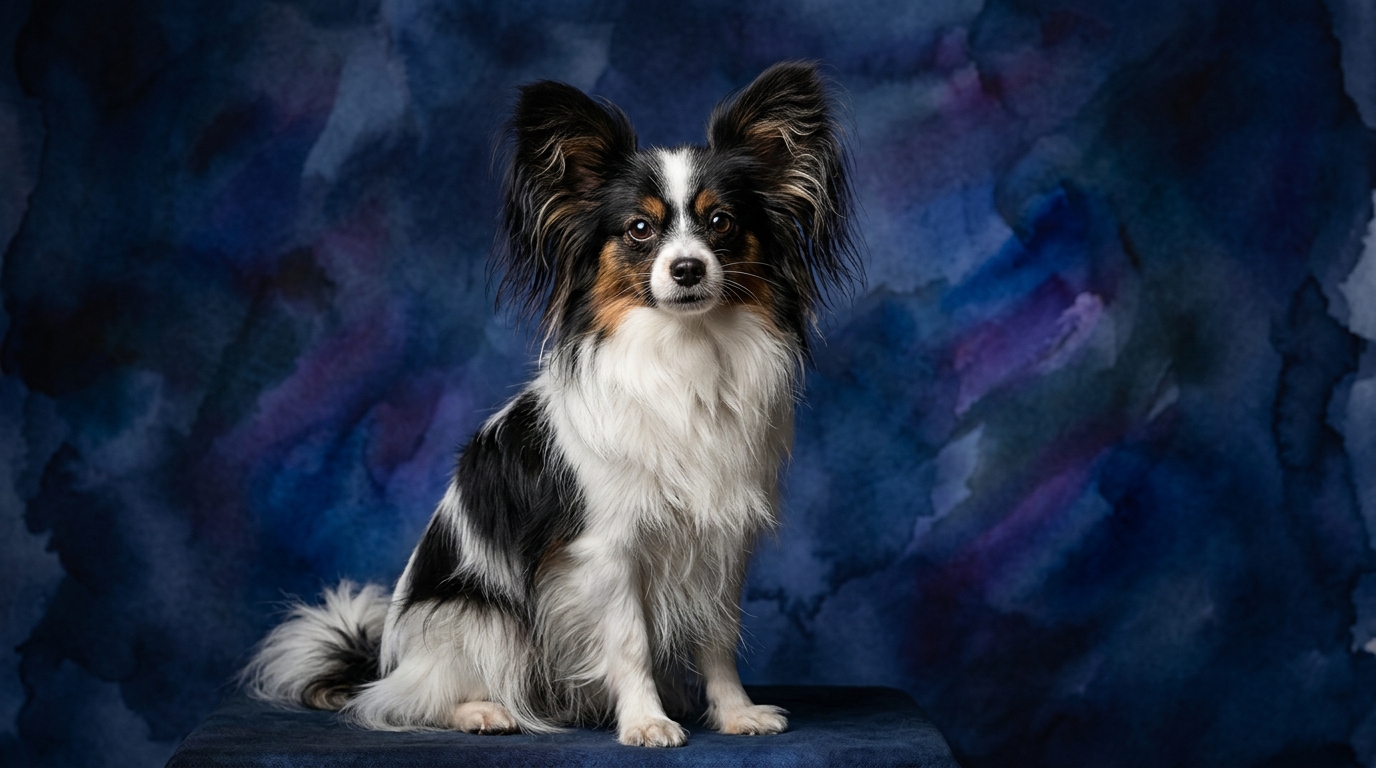
At The Cosmic Pet Pet IQ Lab, we analyze canine intelligence across five critical dimensions to provide a nuanced understanding of each breed's cognitive architecture. For the Papillon, ranking an impressive #8 on the Coren intelligence scale, its cognitive profile is dominated by exceptional mental acuity. Its Problem Solving ability is rated 5/5, indicating an innate talent for figuring out complex situations and navigating novel challenges with remarkable ingenuity. A Training Speed of 5/5 means Papillons grasp new commands and routines with astonishing swiftness, often requiring minimal repetition before mastery. Social Intelligence at 4/5 reflects their capacity to read human cues and form strong, perceptive bonds, though perhaps with a more selective circle than some breeds. Their Instinctive Drive is moderate at 3/5, focusing more on companionship and alertness rather than intense prey or working impulses. Finally, Memory is a standout 5/5, demonstrating an enduring capacity to recall past experiences, learned behaviors, and even intricate sequences over extended periods.
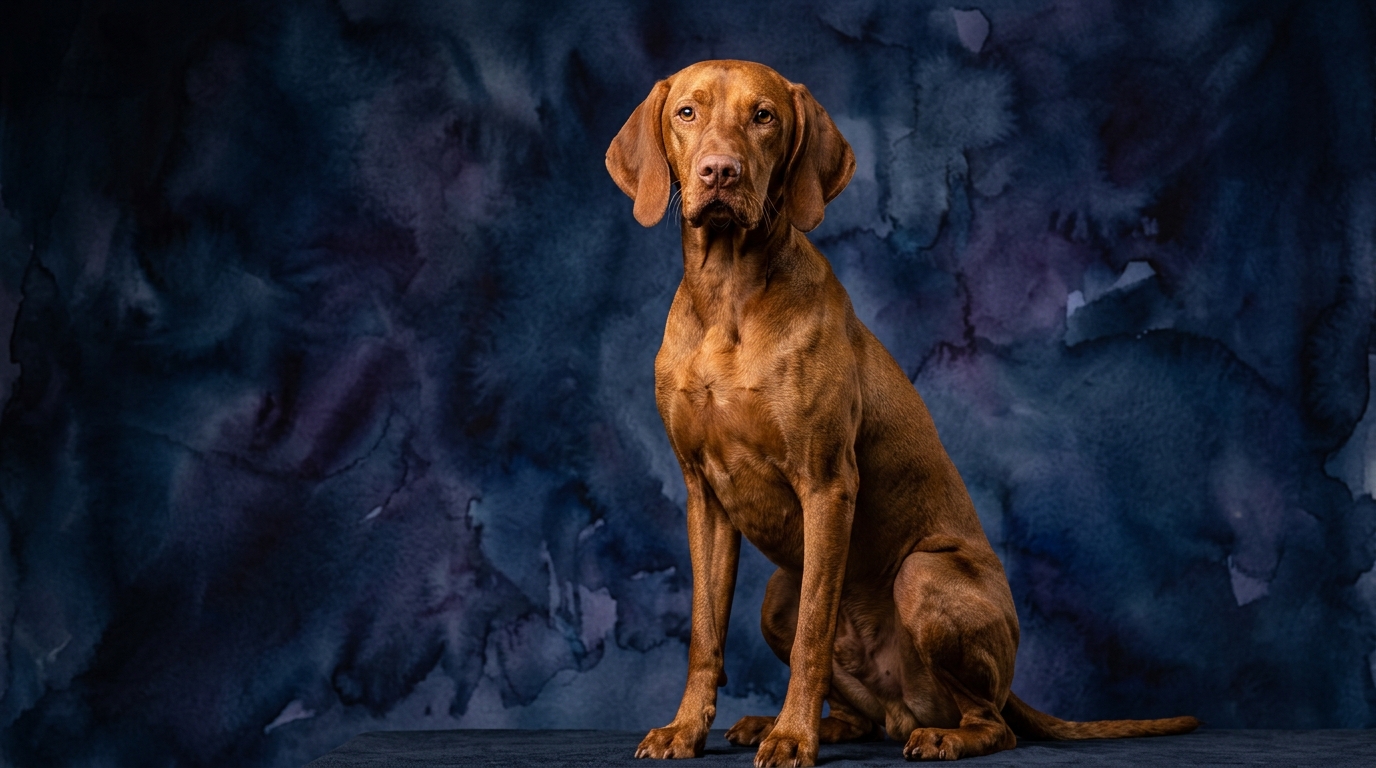
In contrast, the Vizsla, a robust Sporting breed with a Coren rank of #31, presents a different yet equally compelling intellectual landscape. Its Problem Solving skill is rated 4/5, showcasing a determined approach to overcoming obstacles, often through persistence and physical engagement rather than purely abstract thought. Training Speed stands at 4/5, indicating an efficient learning process, particularly when tasks align with their natural aptitudes and involve active participation. The Vizsla truly shines in Social Intelligence with a perfect 5/5, highlighting their profound ability to connect with humans, understand subtle emotional states, and thrive on deep, reciprocal relationships. Their Instinctive Drive is an undeniable 5/5, rooted in centuries of selective breeding for hunting and retrieving, resulting in an intense focus on scent, movement, and pursuit. Memory for the Vizsla is rated 4/5, reflecting a solid ability to retain learned skills and routines, especially those vital for their working roles, though perhaps not with the same breadth of detail as the Papillon.
Where the Papillon Wins Cognitively
The Papillon’s cognitive strengths are particularly evident in its superior problem-solving capabilities, rapid training acquisition, and remarkable memory. With a perfect 5/5 in Problem Solving, Papillons frequently demonstrate an uncanny ability to independently decipher complex situations, whether it's figuring out how to open a child-proof gate or navigating an intricate agility course. This cognitive flexibility allows them to adapt quickly to new environments and unexpected challenges, often displaying inventive solutions that surprise their owners. Their Training Speed, also at 5/5, means they pick up new commands with very few repetitions, making them exceptional candidates for advanced obedience, trick training, and competitive dog sports where a vast repertoire of behaviors is required. They don't just learn; they generalize concepts, applying learned principles to novel situations with ease. Furthermore, their 5/5 Memory rating underpins these other strengths, enabling them to retain an extensive array of commands, routines, and even specific details about people and places over long durations. This enduring recall means a Papillon can revisit a trick learned years ago with surprising proficiency or remember a particular path after only a single exposure, making them incredibly reliable and consistent learners.
Where the Vizsla Wins Cognitively
The Vizsla’s cognitive prowess lies predominantly in its exceptional social intelligence and powerful instinctive drives, both rated 5/5. Their unparalleled Social Intelligence makes them profoundly attuned to human emotions and intentions, fostering an incredibly deep and empathetic bond with their families. Vizslas often anticipate their owners' needs and moods, exhibiting a 'Velcro dog' quality that stems from their innate desire for close companionship and cooperative interaction. This high social acuity makes them superb partners in activities requiring close teamwork, such as hunting, tracking, or even as therapy dogs, where understanding nuanced human signals is paramount. Complementing this is their potent Instinctive Drive, also a perfect 5/5, which shapes their remarkable focus and determination. Bred for centuries as versatile hunting dogs, Vizslas possess an unwavering drive to work, track scents, and retrieve. This intrinsic motivation translates into incredible endurance and a sustained commitment to tasks, making them outstanding in fields like field trials, search and rescue, or any activity that allows them to channel their natural working instincts. Their cognitive framework is perfectly aligned to excel in roles where dedication, partnership, and a strong natural impulse for a specific task are essential.
Which is Easier to Train and Why
When comparing ease of training, the Papillon generally presents a quicker learning curve for novel commands and behaviors, primarily due to its 5/5 Training Speed and superior problem-solving skills. They process new information with remarkable efficiency, often requiring only a handful of repetitions to grasp a concept and perform it reliably. This makes them highly responsive to positive reinforcement and allows for rapid progression through complex training curricula, from basic obedience to intricate freestyle routines. Their training often feels like a partnership in discovery, where the Papillon actively engages its cognitive abilities to figure out the desired outcome.
The Vizsla, with its 4/5 Training Speed, is also a highly trainable breed, but their training dynamic can be different. Their profound instinctive drives (5/5) mean that while they are eager to please and cooperative, these powerful natural urges need to be effectively channeled. A Vizsla might learn a 'stay' command quickly, but maintaining that 'stay' when a squirrel darts by requires consistent, focused training to manage their innate prey drive. Their training often benefits from incorporating activities that leverage their natural instincts, like retrieving or scent work, which provides a constructive outlet for their energy and focus. While Papillons might excel at learning a vast array of disparate tricks, Vizslas often thrive in structured environments where they can apply their intelligence and drive to a defined 'job,' making their training more about partnership in purpose than sheer intellectual acquisition.
Which Suits Active Owners vs. Relaxed Owners
The choice between a Papillon and a Vizsla significantly depends on an owner's lifestyle and activity level, largely dictated by their respective instinctive drives. The Vizsla, with its commanding 5/5 Instinctive Drive, is unequivocally suited for active owners. These dogs possess an abundant reservoir of energy and a deep-seated need for physical and mental engagement. They thrive in environments where they can run for miles, participate in dog sports like agility, flyball, or field trials, and engage in extended outdoor adventures such as hiking or swimming. A Vizsla without sufficient outlets for its natural drives can become restless or destructive, making them an ideal match for individuals or families committed to incorporating their dog into a consistently active lifestyle, providing daily opportunities for vigorous exercise and purposeful work.
Conversely, the Papillon, with a moderate 3/5 Instinctive Drive, offers greater adaptability for both active and more relaxed owners, though their cognitive needs remain high. While energetic and playful for their size, Papillons do not demand the same intense physical output as a Vizsla. They are content with regular walks, indoor play sessions, and mental enrichment activities such as puzzle toys or trick training. They can comfortably adapt to apartment living or smaller homes, provided their minds are kept stimulated. For owners who enjoy daily strolls and engaging in cognitive games but might not be seeking a demanding outdoor adventure partner, the Papillon presents an excellent choice. They offer companionship and mental engagement without requiring the extensive physical commitment characteristic of a true sporting breed.
The Verdict
Opt for a Papillon if your lifestyle favors a companion that excels in mental challenges, learns new behaviors with astonishing speed, and possesses an enduring memory for tricks and routines, all within a more adaptable physical activity requirement. They are ideal for owners who enjoy intricate training, agility, or simply a clever, attentive friend who can thrive in varied living situations.
Select a Vizsla if you're an active individual or family seeking a deeply bonded, highly driven working companion that excels in physically demanding tasks and outdoor adventures. Their profound social intelligence and potent instinctive drives make them perfect for owners dedicated to consistent training, providing ample exercise, and integrating their dog into an active, engaged lifestyle.
🧠 Find Your Pet's IQ Score
Our Pet IQ Lab assessment covers 25+ tests across 5 cognitive dimensions — personalized to your breed.
Take the Full IQ Test →Frequently Asked Questions
Are Papillons better at agility than Vizslas?
While both breeds can excel in agility, Papillons often demonstrate a quicker grasp of complex sequences and a more precise execution due to their superior problem-solving and training speed. Vizslas, with their athleticism and drive, perform exceptionally well but might require more focus management to maintain precision.
How do their social needs differ?
Vizslas have a higher social intelligence rating, indicating a profound need for close human interaction and strong bonding, often exhibiting 'Velcro dog' tendencies. Papillons are also social and attentive, but their needs are slightly less intense, allowing them to be more independent while still cherishing companionship.
Do Papillons or Vizslas require more mental stimulation?
Both breeds demand significant mental engagement, but it manifests differently. Papillons thrive on puzzles, trick training, and novel learning experiences, leveraging their high problem-solving and memory. Vizslas require mental work that often ties into their instinctive drives, such as scent work, retrieving, or complex obedience tasks that provide a 'job.'