Side-by-Side Cognitive Profiles
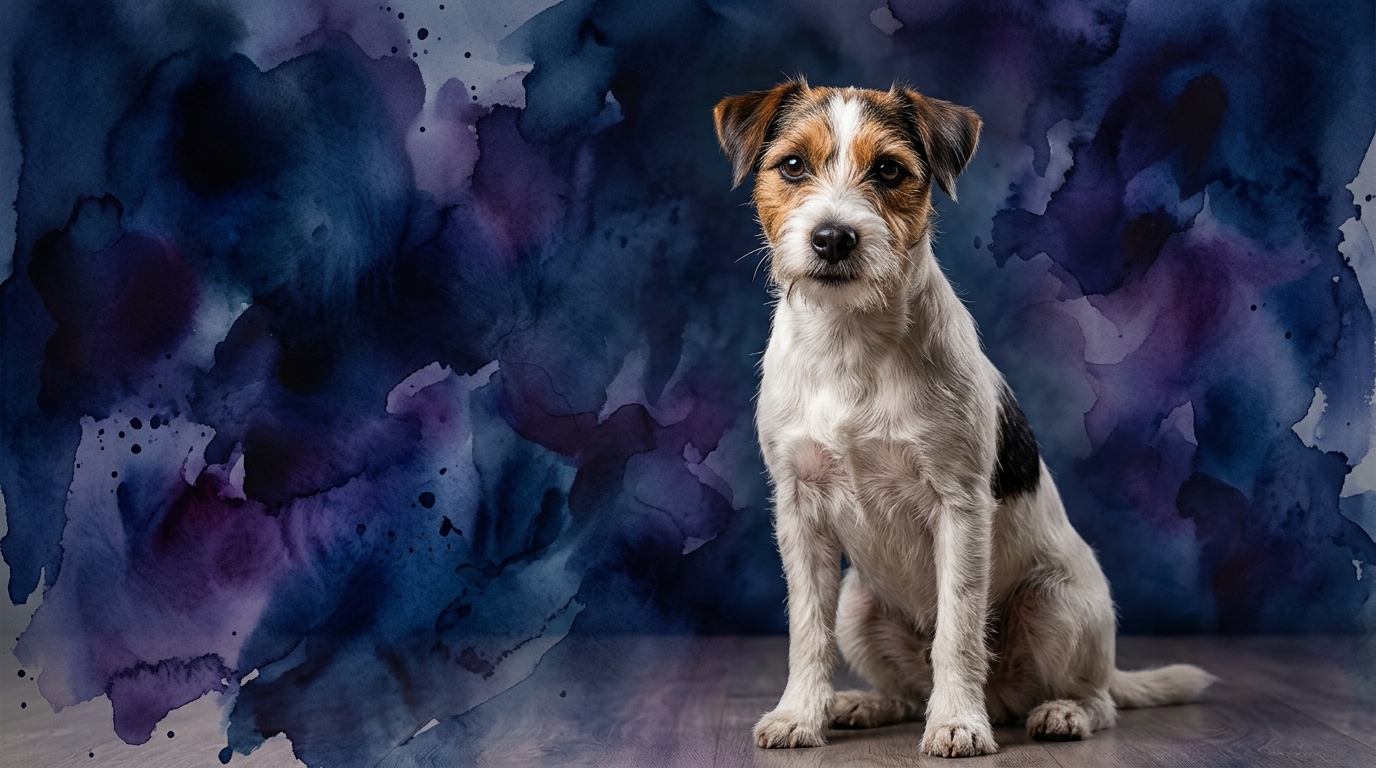
The Parson Russell Terrier, a breed hailing from the Terrier group, exhibits a consistent '3 out of 5' rating across all five cognitive dimensions in The Cosmic Pet Pet IQ Lab. This means their problem-solving capabilities are robust enough to tackle moderate challenges, often with characteristic terrier persistence. Their training speed indicates an average capacity for learning new commands, though their independent spirit can sometimes influence this pace. Social intelligence in the Parson Russell Terrier is geared towards understanding pack dynamics and human intentions, often with a working dog's pragmatism. Their instinctive drive is strong, rooted in their original purpose of hunting vermin, manifesting as keen scenting abilities and digging tendencies. Finally, their memory allows them to retain learned behaviors and environmental cues effectively.
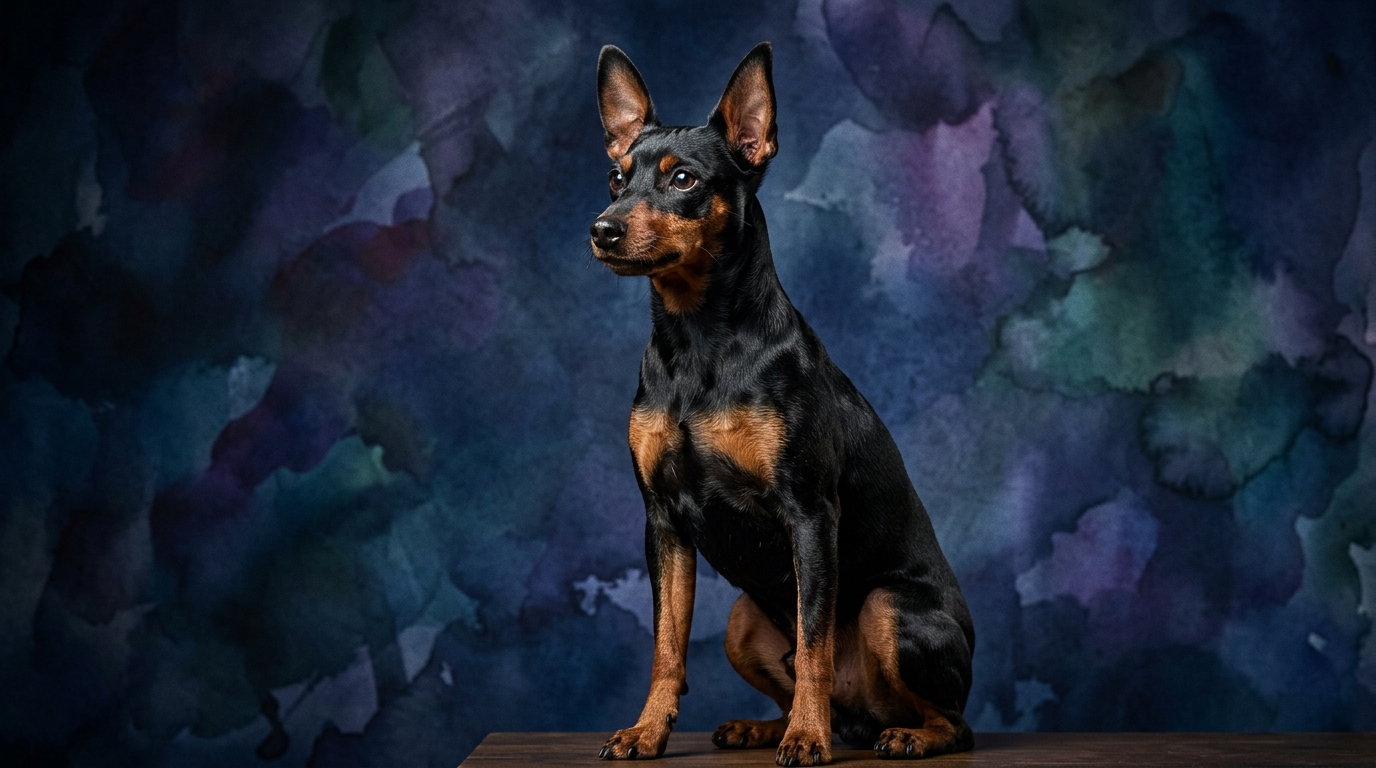
Similarly, the Miniature Pinscher, a spirited member of the Toy group, also scores a '3 out of 5' in every cognitive category. Their problem-solving approach is often characterized by cleverness and a certain 'big dog in a small body' attitude, finding resourceful ways to achieve their desires. The Miniature Pinscher's training speed is on par with the Parson Russell, learning at a moderate rate, but their independent and sometimes stubborn nature requires consistent motivation. Socially, they are often perceptive of human moods and household routines, frequently using their charm or demanding nature to get attention. Their instinctive drive includes strong watchdog tendencies, a propensity to chase small moving objects, and a confident, assertive demeanor. Their memory is reliable for routines and specific associations within their environment.
Where the Parson Russell Terrier Excels Cognitively
While both breeds share identical numerical scores, the Parson Russell Terrier's cognitive strengths often lean into their tenacious terrier heritage. Their problem-solving, rated 3/5, frequently involves physical persistence; a PRT is more likely to methodically work through a puzzle toy or find a way under a fence through sheer will and focused effort. This isn't just about figuring out a solution, but about the unwavering resolve to see it through, even if it takes time and repeated attempts. Their instinctive drive, also 3/5, is particularly sharp in tasks requiring scent discrimination and tracking, reflecting their origins as hunting dogs. Owners often observe their memory (3/5) shining when recalling complex sequences of actions in agility courses or remembering the precise location of a hidden toy during scent games, showcasing a practical, task-oriented recall.
The Parson Russell's social intelligence, while rated 3/5, often manifests as a keen understanding of boundaries and hierarchies, both within their human family and with other canines. They are adept at reading intentions and can be quite discerning, making them capable of adjusting their behavior based on perceived threats or opportunities for engagement. This practical social awareness, coupled with their robust physical problem-solving, makes them particularly adept at navigating diverse outdoor environments and challenges where their innate drives can be channeled productively.
Where the Miniature Pinscher Shines Cognitively
The Miniature Pinscher, despite identical scores, presents its own unique cognitive strengths, often reflecting its confident 'King of Toys' persona. Their problem-solving (3/5) frequently involves more subtle, strategic approaches, such as figuring out how to manipulate a situation for a treat or attention, rather than brute-force physical effort. This can manifest as clever ways to 'ask' for what they want or navigating complex household dynamics to their advantage. Their social intelligence (3/5) is often highly attuned to human emotions and household routines, allowing them to anticipate events and respond with appropriate, often charming or demanding, behaviors. They can be remarkably perceptive of their owner's mood shifts and adjust their interactions accordingly.
The Min Pin's training speed (3/5) can be particularly effective when the motivation is high and the training involves showmanship or a clear reward. They often pick up tricks that involve specific body movements or vocalizations with enthusiasm, enjoying the attention it brings. Their memory (3/5) is particularly strong for recalling specific people's habits, the location of favored resting spots, or the precise timing of meal preparations, demonstrating a sharp recall for personal and environmental specifics that impact their daily comfort and interactions.
Training: Distinct Challenges for Each
Neither the Parson Russell Terrier nor the Miniature Pinscher are described as effortless to train, both scoring 3/5 in training speed, but their challenges stem from different aspects of their nature. The Parson Russell Terrier's strong instinctive drive and independent problem-solving can make training a test of consistency and patience. Their prey drive, rated 3/5, means they can be easily distracted by scents or movement, requiring significant effort to maintain focus in varied environments. Channeling their natural tenacity into constructive learning requires an owner who understands terrier psychology, using positive reinforcement to make training more engaging than chasing a squirrel.
The Miniature Pinscher's training journey is often characterized by their independent streak and confident disposition. While they learn at a moderate pace, their willingness to comply can be conditional, often weighing 'what's in it for me?' before performing. Their social intelligence, while allowing them to read cues, can also be used to 'train' their owners. Consistency is paramount, as is establishing clear boundaries from a young age to prevent undesirable behaviors like excessive barking or resource guarding from becoming entrenched. Both breeds demand an owner who is firm, fair, and understands how to motivate their specific temperament.
Lifestyle Match: Active vs. Relaxed Owners
When considering an owner's lifestyle, the Parson Russell Terrier firmly aligns with active individuals or families. Their robust physical endurance and strong instinctive drive necessitate significant daily exercise and mental stimulation. They thrive in environments where they can engage in activities like agility, earthdog trials, or long hikes, allowing them to utilize their problem-solving skills and energy. A PRT is not content to be a sedentary companion; they require an outlet for their physical and mental vigor, making them an ideal partner for an owner who leads an outdoorsy, engaged life.
The Miniature Pinscher, while possessing bursts of energy and a need for mental engagement, offers more adaptability than the PRT. They are suitable for active apartment dwellers or those with smaller yards, provided their exercise needs are met with daily walks and play sessions. While not a true couch potato, they are generally less demanding in terms of sheer physical output compared to the terrier. However, their confident and sometimes assertive personality means they still benefit from structured activities and consistent interaction, making them a good fit for owners who enjoy a spirited companion but might not be seeking a full-time outdoor adventure partner.
The Verdict: When to Choose Each
The Verdict
Choose the Parson Russell Terrier if you are an active, experienced owner seeking a tenacious, spirited partner for outdoor adventures and enjoy channeling a strong working drive into structured activities like agility or scent work.
Opt for the Miniature Pinscher if you desire a confident, spirited companion in a smaller package, are prepared for their independent personality, and can provide consistent training, boundaries, and engaging mental stimulation within a moderately active lifestyle.
🧠 Find Your Pet's IQ Score
Our Pet IQ Lab assessment covers 25+ tests across 5 cognitive dimensions — personalized to your breed.
Take the Full IQ Test →Frequently Asked Questions
Are Parson Russell Terriers good family dogs?
Parson Russell Terriers can be excellent family dogs for active households that understand their energetic nature. They thrive with consistent training and plenty of activity to prevent boredom and destructive behaviors. Their robust nature means they can typically handle enthusiastic play with older, respectful children well.
Do Miniature Pinschers bark a lot?
Miniature Pinschers do have a tendency to bark, often acting as diligent watchdogs for their territory and family. This behavior stems from their instinctive drive and confident nature, but with consistent training and early socialization, excessive barking can be managed effectively.
Which breed is better for first-time dog owners?
Neither breed is typically recommended for novice dog owners without prior research and commitment, as both require consistent training and management of their independent temperaments. However, a Miniature Pinscher might be marginally more manageable for a dedicated first-timer due to their slightly less demanding exercise needs compared to the high-energy Parson Russell Terrier.