Side-by-Side IQ Profile: Parson Russell Terrier vs. Norwegian Elkhound
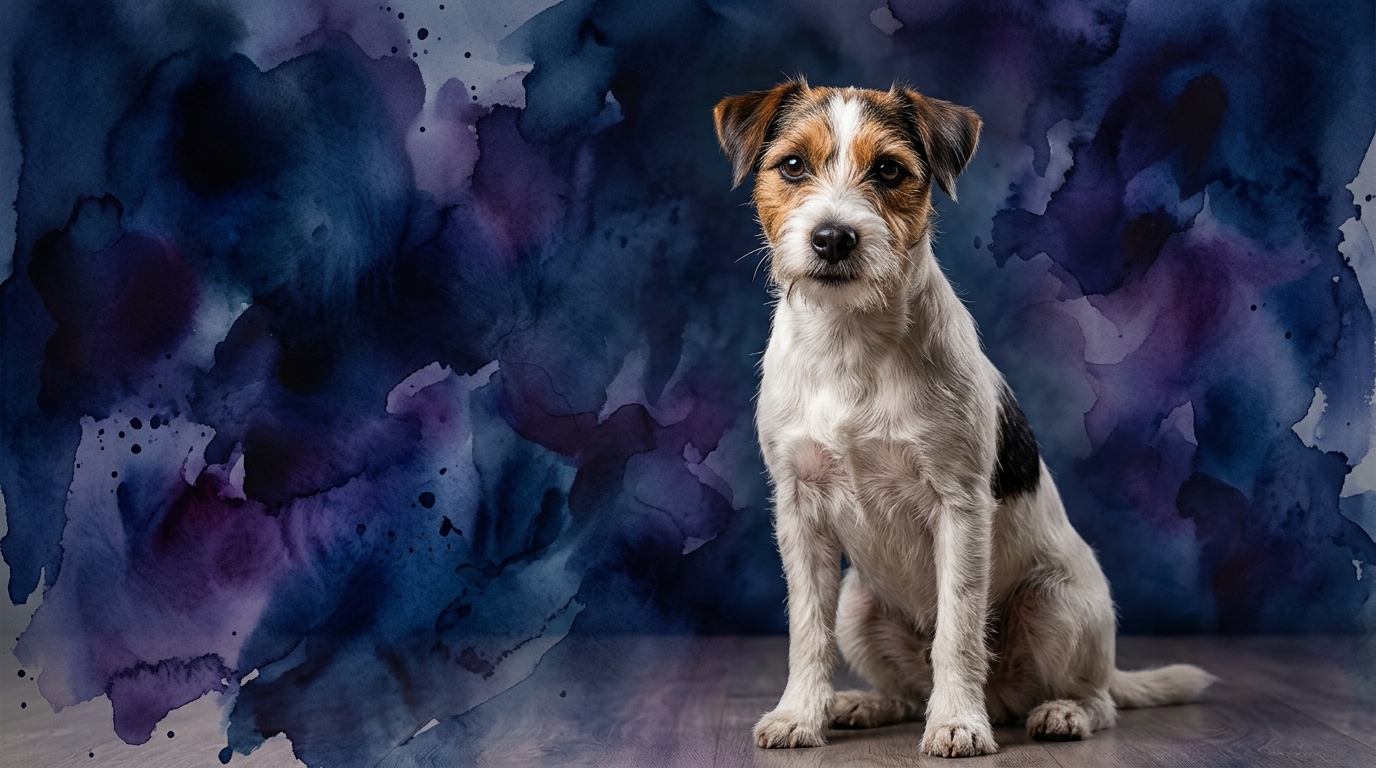
Originating from fox hunting, the Parson Russell Terrier exhibits a spirited, tenacious intellect. Its problem-solving is 3/5, reflecting independent thought and overcoming obstacles with determination. Training speed, also 3/5, means they learn, but their independent streak demands consistent, engaging methods. Social intelligence, 3/5, indicates strong bonds and understanding human cues, though their focus often prioritizes their own objectives. Their instinctive drive, a robust 3/5, manifests as strong prey drive and an urge to explore. Memory, 3/5, allows retention of behaviors, but complex sequences might not be recalled rapidly.
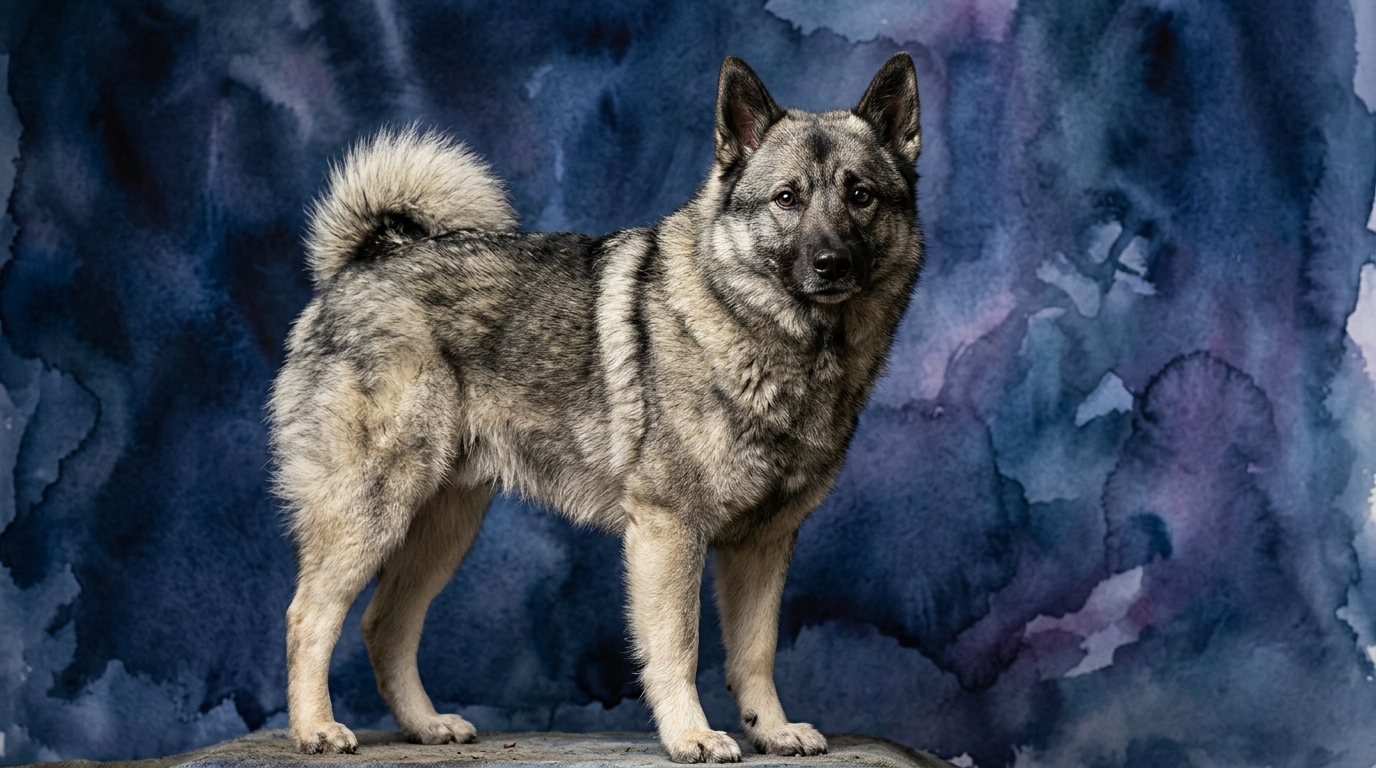
Bred for tracking large game, the Norwegian Elkhound presents a robust, thoughtful cognitive makeup, earning a #36 rank in Stanley Coren's hierarchy. Problem-solving scores 4/5, indicating strong independent reasoning for navigating complex situations. Training speed is 4/5, suggesting they grasp new commands quickly and efficiently. Social intelligence is 3/5; they are loyal and form deep attachments, understanding family dynamics, but may be reserved with strangers. Instinctive drive is 3/5, rooted in their hunting legacy, manifesting as a keen sense of smell. Memory, 4/5, highlights their aptitude for retaining learned behaviors and complex routes over extended periods.
Where the Parson Russell Terrier Wins Cognitively
The Parson Russell Terrier, despite slightly lower numerical scores, possesses a unique cognitive advantage in its sheer tenacity and independent application of intellect. While problem-solving is 3/5, this manifests as a determined, trial-and-error approach; where an Elkhound might analyze, the Parson Russell Terrier often dives in with energetic, persistent effort. This breed's 3/5 instinctive drive, coupled with its size, means it can navigate and explore tight spaces with unyielding curiosity, applying problem-solving to physical challenges like finding a hidden toy or tunneling with unparalleled dedication. Their social intelligence, while 3/5, is expressed through a lively, engaging personality, making them highly responsive to playful interaction. They excel at tasks requiring quick, agile thinking and relentless pursuit, making them formidable in earthdog trials or agility where their determined spirit shines.
Where the Norwegian Elkhound Wins Cognitively
The Norwegian Elkhound demonstrates a clear cognitive edge in structured problem-solving, training speed, and memory. With a 4/5 in problem-solving, they typically approach challenges with a measured, analytical perspective, assessing situations before acting, a trait honed by tracking game. This allows them to learn complex tasks and sequences more efficiently. Their 4/5 training speed is a significant advantage; Elkhounds generally pick up new commands and cues quicker, requiring fewer repetitions. Furthermore, their superior memory, also 4/5, means they retain learned behaviors and complex information for longer. This robust memory also contributes to their tracking prowess. While both have an instinctive drive of 3/5, the Elkhound's manifests as a more focused, sustained drive for tasks like scent work, leveraging their problem-solving and memory. Their #36 Coren rank further underscores their capacity for intelligent obedience and adaptive learning.
Which is Easier to Train and Why?
Based on their Cosmic Pet Pet IQ Lab profiles, the Norwegian Elkhound is generally easier to train. The Elkhound's training speed is 4/5, indicating a quicker grasp of new commands, requiring fewer repetitions. This stems from their analytical problem-solving (4/5) and superior memory (4/5), allowing efficient information processing and retention. Their instinctive drive (3/5) is often channeled into focused tasks, making them receptive to goal-oriented training. In contrast, the Parson Russell Terrier's training speed and problem-solving are 3/5. While capable, their strong independent streak and inherent terrier tenacity make them more challenging to motivate and engage. They might prioritize their investigative urges over commands, demanding more patience and consistency. Their 3/5 instinctive drive, often directed towards hunting, can lead to distractions. Thus, while both are trainable, the Elkhound typically offers a smoother, faster learning curve, making it more straightforward for novice trainers or those seeking advanced obedience.
Which Suits Active Owners vs. Relaxed Owners
Both the Parson Russell Terrier and the Norwegian Elkhound thrive with active engagement, but their ideal activity types and intensity differ. The Parson Russell Terrier, with its boundless energy and strong instinctive drive (3/5), is undeniably suited for highly active owners. They require consistent physical and mental stimulation, excelling in agility, earthdog trials, long hikes, and vigorous play. Their problem-solving (3/5) is often applied to physical challenges, and they need outlets for their tenacious spirit. A relaxed owner unable to commit to substantial daily activity would find a Parson Russell Terrier overwhelming.
The Norwegian Elkhound also requires an active owner, but their needs lean more towards endurance and purpose-driven work. Their instinctive drive (3/5) is well-suited for long walks, hiking, scent work, and activities engaging their analytical problem-solving (4/5) and memory (4/5). They are robust companions for outdoor adventures but might be content with a more structured exercise routine rather than the relentless motion a terrier demands. While not for truly "relaxed" owners, an Elkhound might fit an active owner who appreciates a thoughtful, enduring companion for sustained activities.
The Verdict
Opt for the Parson Russell Terrier if you are an experienced, highly active owner who enjoys a tenacious, independent, and spirited companion for agility, earthdog, or constant engagement. Their unique blend of determination and charm thrives with consistent, creative mental and physical outlets.
Select the Norwegian Elkhound if you are an active owner seeking a loyal, thoughtful, and trainable companion for endurance activities, scent work, or advanced obedience, appreciating their analytical mind and reliable memory. Their steady intelligence and robust nature make them excellent partners for structured activities.
🧠 Find Your Pet's IQ Score
Our Pet IQ Lab assessment covers 25+ tests across 5 cognitive dimensions — personalized to your breed.
Take the Full IQ Test →Frequently Asked Questions
Do Parson Russell Terriers bark a lot?
Parson Russell Terriers can be vocal, often barking at perceived threats, new sounds, or out of boredom if not adequately stimulated. Their instinctive drive and territorial nature contribute to their tendency to alert, requiring consistent training to manage.
Are Norwegian Elkhounds good with children?
Norwegian Elkhounds are typically good with children within their own family, often being patient and protective. However, their reserved nature means they might not tolerate rough play from unfamiliar children and require early socialization.
Which breed is better for apartment living?
Neither breed is ideally suited for small apartment living without significant commitment to outdoor activity. However, a well-exercised Norwegian Elkhound might adapt slightly better due to their more measured indoor demeanor compared to the Parson Russell Terrier's higher, more constant energy demands.