The Pet IQ Lab Profiles: Unpacking Identical Scores
The Cosmic Pet Pet IQ Lab evaluates canine cognition across five critical dimensions: problem-solving, training speed, social intelligence, instinctive drive, and memory. A score of 3/5 across the board, as seen in both the Pekingese and Tibetan Spaniel, indicates a solid, functional cognitive foundation – neither exceptionally quick nor particularly slow, but consistently capable in most scenarios. This balanced score suggests both breeds possess a practical capacity to learn, adapt, and interact effectively within their environments, though the manifestation of these abilities can differ significantly.
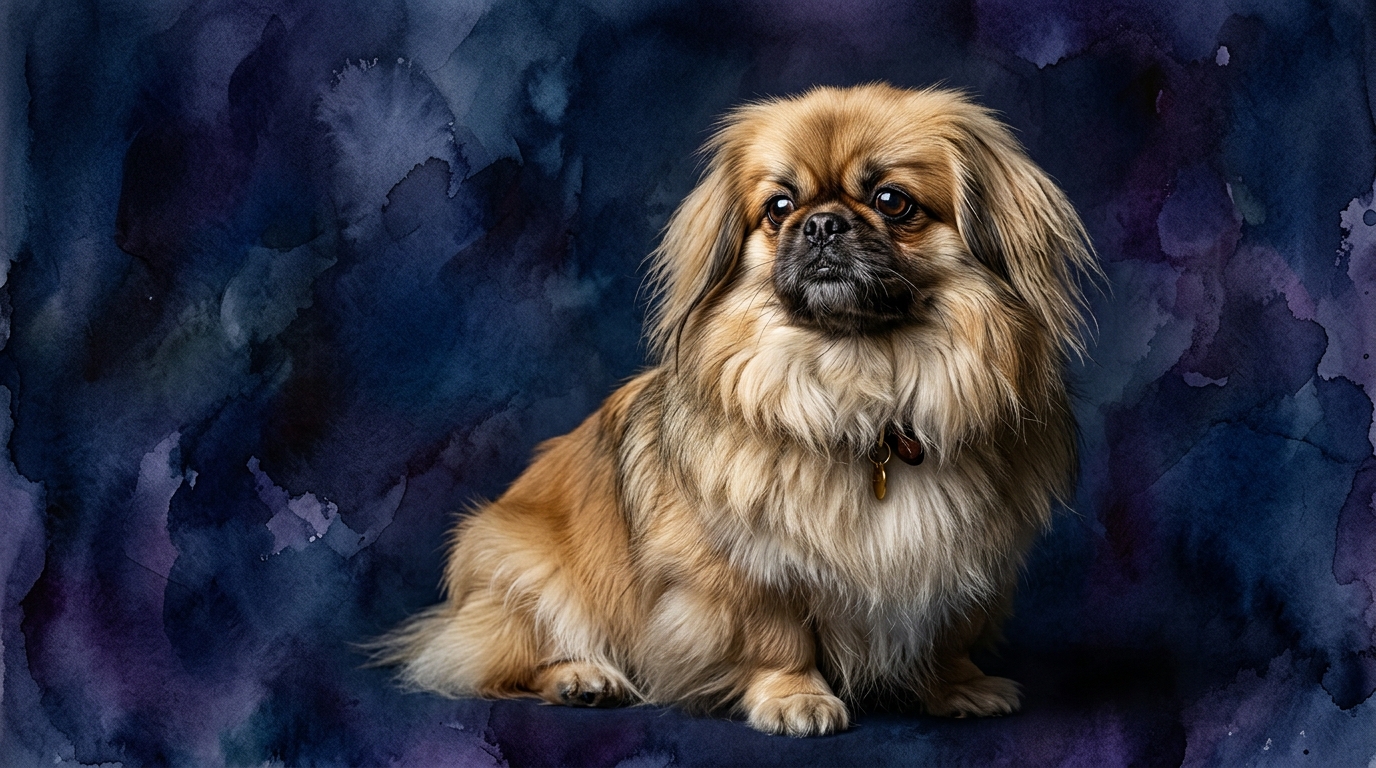
For the Pekingese, a regal breed historically cherished by Chinese royalty, their 3/5 in problem-solving often manifests in finding optimal comfort zones, strategically employing their charm to achieve desired outcomes, or navigating complex household layouts to secure a favored spot. Their training speed, while not lightning-fast, allows them to master routines and commands with patience, particularly when a reward system aligns with their self-important nature. Social intelligence at 3/5 means they are astute observers of human emotion and household dynamics, often forming deep, selective bonds and displaying a discerning wariness towards strangers. Their instinctive drive, also 3/5, leans towards guarding their chosen territory and people with a surprising boldness, while their memory allows them to retain routines, preferred people, and past experiences with remarkable accuracy.
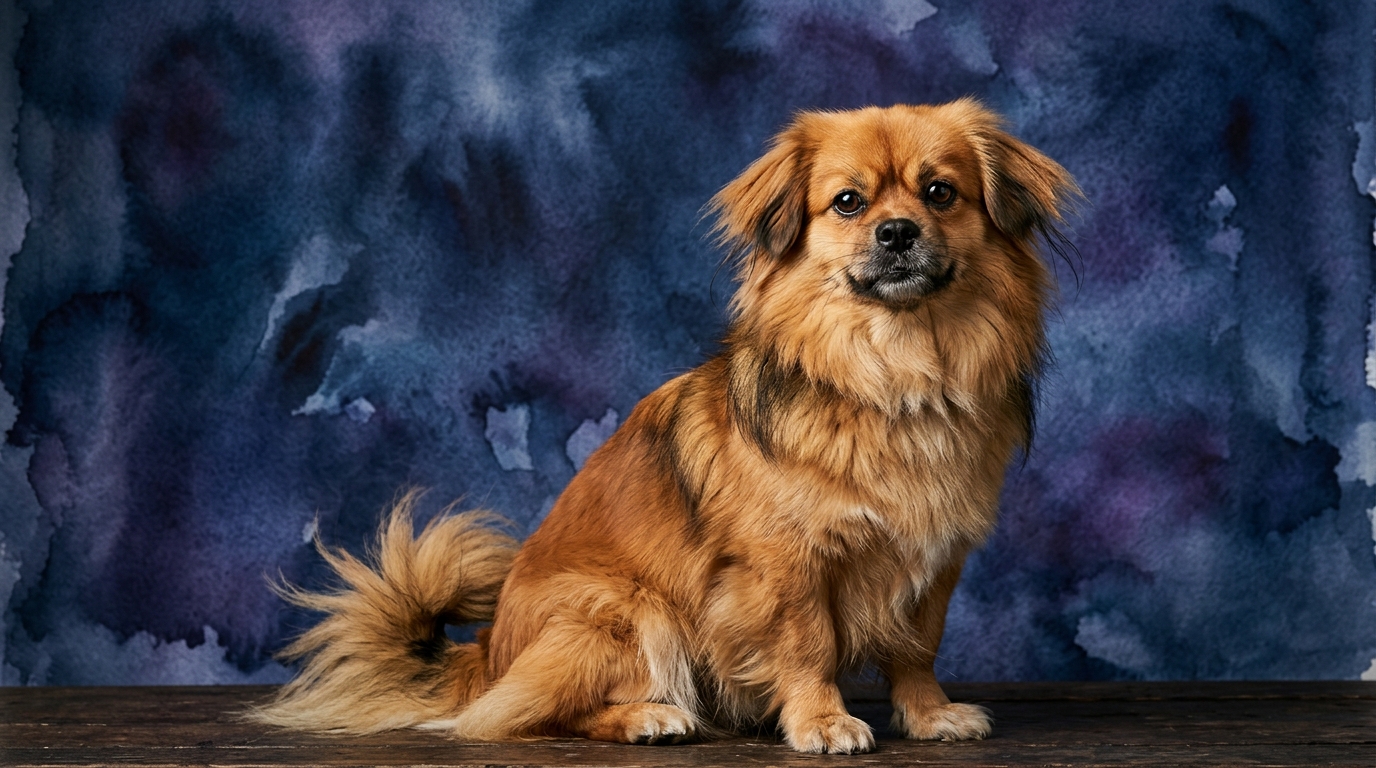
The Tibetan Spaniel, a watchful companion from Himalayan monasteries, similarly scores 3/5 in problem-solving, often applying it to their environmental awareness – figuring out vantage points, understanding household schedules, or alerting to unusual sounds. Their training speed, also 3/5, benefits from their desire to please and participate, though their independent spirit means consistency is key. Their social intelligence at 3/5 is evident in their empathetic nature, their ability to read family moods, and their capacity to form strong, affectionate bonds with their human companions, often displaying a nuanced understanding of social cues. Instinctive drive at 3/5 for the Tibetan Spaniel often translates into their traditional role as 'little lions' – alert watchdogs who survey their surroundings and provide vocal warnings. Their memory ensures they recall people, places, and learned behaviors reliably, contributing to their steady companionship.
Pekingese: Where Ancient Royalty Shines Cognitively
The Pekingese, despite their compact size, possess a cognitive profile honed by centuries of pampered cohabitation with humans, allowing them to excel in specific, self-serving ways. Their problem-solving abilities, rated at 3/5, are frequently directed towards optimizing their personal comfort and convenience. This might involve strategically positioning themselves to monopolize a sunbeam, or subtly communicating their desires for attention or a favored treat with a precise glance or a well-timed sigh. Their social intelligence, also a 3/5, isn't about broad sociability but rather a highly refined understanding of their immediate human companions. They are adept at discerning who in the household is most likely to yield to their charms, and they possess a keen sense for subtle shifts in human mood, which they can either exploit for their benefit or react to with dignified aloofness.
The Pekingese's instinctive drive, while not for hunting or herding, is powerfully directed toward their role as guardians. Their 3/5 score here manifests as a formidable protective instinct for their home and family, often expressed through a surprisingly deep bark that belies their stature. They are quick to identify perceived threats, whether a delivery person at the door or an unfamiliar sound, and will alert their humans with unwavering resolve. Their memory, also a 3/5, is particularly strong for routines and the specific preferences of their chosen people. They remember where the treats are kept, the usual time for walks, and the particular comfort of a specific lap, reinforcing their structured and often predictable daily lives.
Tibetan Spaniel: The Watchful Companion's Cognitive Edge
The Tibetan Spaniel's cognitive strengths, rooted in their history as monastery companions and watchdogs, lean towards environmental awareness and nuanced social interaction. Their 3/5 problem-solving score is often expressed through keen observation and analysis of their surroundings. They are adept at identifying changes in their environment, such as a new object in the yard or an unfamiliar car approaching, and will process this information to decide if an alert is necessary. This observational intelligence makes them excellent communicators of their environment to their human family, often acting as a living early warning system.
Their social intelligence, also 3/5, is characterized by a strong bond with their family and a sensitive understanding of human emotions. They are often described as empathetic, capable of offering quiet comfort or joining in joyful play, demonstrating a flexible and responsive social demeanor. This allows them to integrate smoothly into diverse family dynamics, adapting their interactions to individual members. The Tibetan Spaniel's instinctive drive, also 3/5, is prominently displayed in their traditional watchdog role; they possess an innate desire to perch on high vantage points and survey their domain, providing vocal alerts to anything they deem unusual, without being overly aggressive. Their memory, a robust 3/5, ensures they recall faces, family routines, and learned commands, contributing to their steadfast companionship and making them reliable participants in daily life.
Navigating the Training Path: Pekingese vs. Tibetan Spaniel
When it comes to training, both the Pekingese and Tibetan Spaniel present a moderate challenge, reflected in their 3/5 training speed score. Neither breed is inherently difficult to train, but neither will be a 'one-and-done' learner. Success with both hinges on understanding their individual motivations and employing consistent, positive reinforcement methods. Patience and creativity are paramount, as simply repeating commands without engagement will likely prove ineffective for either.
The Pekingese can be perceived as more challenging due to their independent, often self-important nature. Their problem-solving might lead them to evaluate whether a command benefits them personally before complying. House-training can be a particular hurdle, as their small size and sometimes stubborn demeanor mean they may not always alert their owners promptly, or might prefer to relieve themselves indoors if the weather is undesirable. They respond best when training is framed as a mutual agreement or when they believe they are making the decision themselves. Consistency and highly valued rewards are essential to overcome their regal self-determination.
The Tibetan Spaniel, while also possessing an independent streak, generally exhibits a greater eagerness to please their family, which can make them slightly more receptive to training. Their social intelligence means they are often more attuned to their owner's desires and emotional responses, making positive reinforcement particularly effective. However, their alert nature and instinctive drive to survey their surroundings can lead to distractions; they might exhibit selective hearing if something more interesting catches their attention. Early socialization and consistent impulse control training are vital to manage their vocal tendencies and ensure they channel their watchfulness constructively rather than becoming overly reactive.
Lifestyle Fit: Active Minds in Different Bodies
For owners seeking a companion with a discerning mind but a generally relaxed physical demeanor, the Pekingese is an ideal match. While their minds are actively engaged in observing their environment and managing their comfort, their exercise needs are minimal, typically satisfied by short daily strolls and indoor play. They thrive in calm, stable environments where they can be the focal point of their human's affection, appreciating a predictable routine. They are well-suited to relaxed owners who value a dignified, independent companion and are prepared for a dog that expects to be catered to, offering deep, selective loyalty in return.
The Tibetan Spaniel, while not a high-energy breed, does possess a more active and engaged physical presence than the Pekingese. Their 3/5 instinctive drive and social intelligence make them enjoy being involved in family activities, including daily walks, backyard play, and even short hikes. They suit owners who appreciate a companion that is both affectionate and independently watchful, willing to participate in moderate daily exercise and mental stimulation. Their desire to be a part of the family unit means they thrive on interaction and can become bored if left alone for extended periods, making them a better fit for owners who are home more often or can include their dog in their daily routines.
The Verdict
For those seeking a loyal, dignified companion whose intelligence manifests in subtle manipulation for comfort and unwavering protection, the Pekingese offers a unique, low-physical-impact partnership. They are best suited for owners who appreciate a dog with a strong sense of self and minimal exercise demands.
If you desire an empathetic, watchful companion eager to participate in moderate family activities and offer consistent alerts, the Tibetan Spaniel is an excellent choice. They thrive with owners who can provide regular interaction, mental engagement, and appreciate a dog that is both independent and deeply devoted.
🧠 Find Your Pet's IQ Score
Our Pet IQ Lab assessment covers 25+ tests across 5 cognitive dimensions — personalized to your breed.
Take the Full IQ Test →Frequently Asked Questions
Are Pekingese dogs difficult to house-train?
Pekingese can present challenges with house-training due to their independent nature and small size, which means accidents might go unnoticed. Consistent, positive reinforcement and a structured routine are crucial for success, often requiring more patience than with other breeds.
Do Tibetan Spaniels bark excessively due to their watchdog instincts?
Tibetan Spaniels do possess a strong instinctive drive to alert their family to perceived changes or intruders, which means they can be prone to barking. Early socialization and consistent training to manage impulse control can help channel this natural tendency into appropriate warning barks rather than incessant noise.
Which breed adapts better to apartment living?
Both breeds adapt well to apartment living due to their size, but with different considerations. The Pekingese's minimal exercise needs make them naturally suited, while the Tibetan Spaniel's greater need for mental stimulation and moderate activity means they require more engagement from their owners within an apartment setting.