Side-by-Side IQ Profile
At The Cosmic Pet Pet IQ Lab, we analyze canine intelligence across five critical dimensions to provide a nuanced understanding of each breed's cognitive strengths. The Pembroke Welsh Corgi, ranked #11 by Coren, and the Akita, ranked #54, demonstrate distinct approaches to learning and interaction, reflecting their historical roles and inherent predispositions.
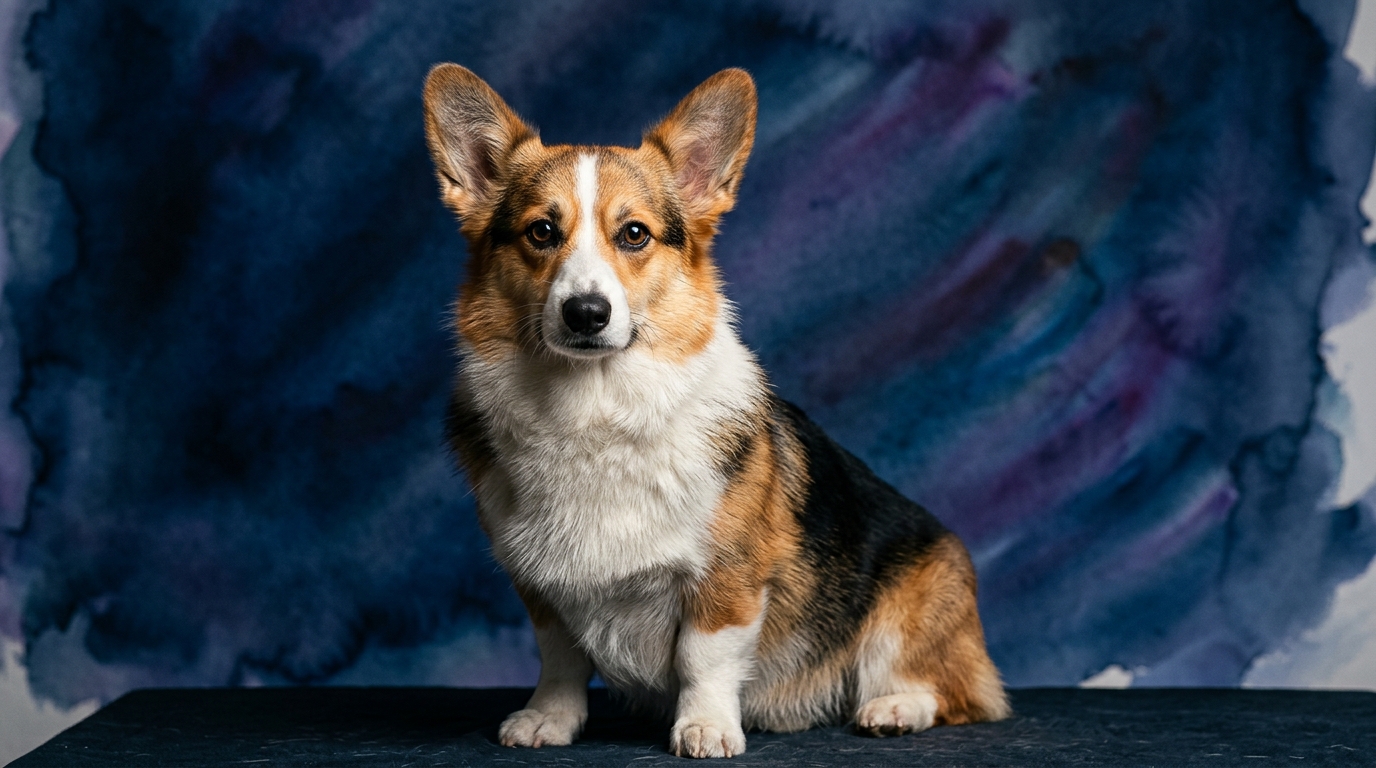
The Pembroke Welsh Corgi, a member of the Herding group, excels in dynamic environments requiring quick thinking and responsiveness. Their Problem Solving ability is rated 4/5, indicating a capacity to adapt rapidly to changing situations and devise effective solutions, often with a keen awareness of their surroundings. This breed's Training Speed is exceptional at 5/5; they absorb new commands and routines with remarkable alacrity, driven by a desire to engage and cooperate. Social Intelligence for the Corgi stands at 4/5, reflecting their ability to read human cues and form strong, interactive bonds. Their Instinctive Drive, a perfect 5/5, is largely channeled into their herding heritage, manifesting as a persistent desire to organize and control movement. Finally, their Memory is rated 4/5, allowing them to retain complex sequences and past experiences, which aids in consistent performance and recall.
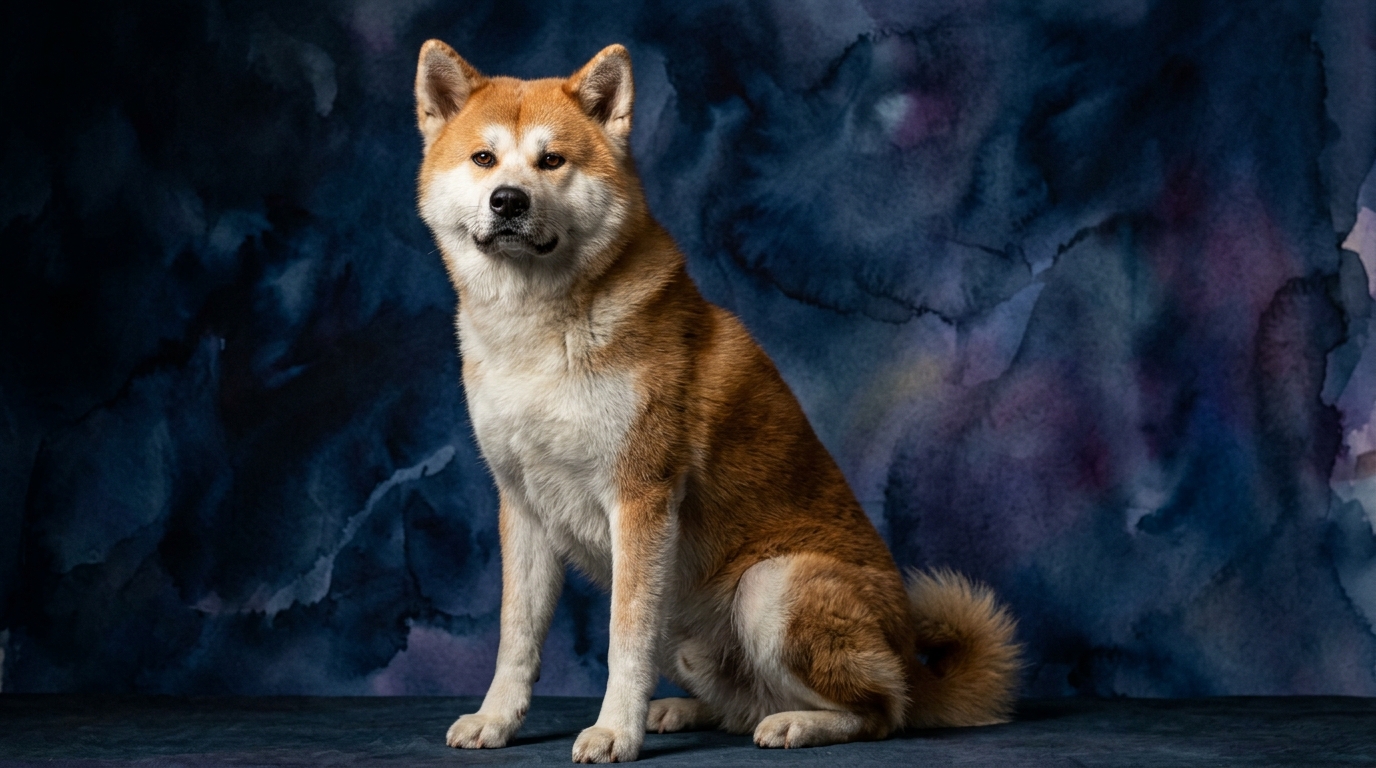
In contrast, the Akita, a robust member of the Working group, approaches cognitive tasks with a different mindset, influenced by their role as guardians and hunters. Their Problem Solving score is 3/5; while capable of independent thought, they often prefer to analyze situations and act on their own initiative, sometimes without immediate human input. The Akita's Training Speed is rated 2/5, meaning they learn at a deliberate pace and require consistent, patient motivation, often evaluating the utility of a command before compliance. Their Social Intelligence, at 3/5, is characterized by a reserved nature towards strangers and a deep, discerning loyalty to their inner circle, understanding social hierarchies within their family unit. An outstanding Instinctive Drive of 5/5 underscores their powerful protective and territorial instincts, coupled with a significant prey drive. Their Memory, like the Corgi's, is 4/5, indicating a strong ability to recall past events and training, though their willingness to perform might be influenced by current motivation or perceived importance.
Where Pembroke Welsh Corgi Wins Cognitively
The Pembroke Welsh Corgi's cognitive profile showcases a clear advantage in areas demanding quick processing, cooperative learning, and social adaptability. Their 4/5 Problem Solving score, coupled with their background in herding livestock, means they are adept at making split-second decisions and navigating complex, dynamic environments. This isn't just about figuring out puzzles; it's about anticipating movement and reacting appropriately to maintain order, a skill that translates into household adaptability and a natural inclination to learn new routines quickly. The Corgi's exceptional 5/5 Training Speed is a direct result of their eagerness to engage with their human companions and their historical role requiring precise responses to handler commands. They often find joy in the process of learning, making them highly receptive to positive reinforcement training methods. Furthermore, their 4/5 Social Intelligence allows them to integrate smoothly into various social settings, interpreting human body language and vocal tones with considerable accuracy, fostering a communicative and responsive relationship.
Where Akita Wins Cognitively
The Akita's cognitive strengths lie in their independent thought, profound loyalty, and formidable instinctive drives, which manifest differently from the Corgi's. While their Problem Solving is rated 3/5, this often reflects a preference for self-reliance rather than a lack of capability; they can independently assess threats and situations, making decisions based on their ingrained protective instincts. This self-sufficiency is a hallmark of a working breed tasked with guarding and hunting without constant human direction. Their 5/5 Instinctive Drive is a profound asset when it comes to their primary role as a guardian; they possess an unwavering commitment to protecting their family and territory, demonstrating a deep, intrinsic understanding of their responsibilities. This drive is not just a reactive response but a cognitive framework that prioritizes vigilance and discernment. Moreover, their 4/5 Memory, combined with their strong will, means they retain significant experiences and lessons, particularly those related to safety, hierarchy, and family members, often for life, reinforcing their role as a steadfast companion.
Which is Easier to Train and Why
When comparing training ease, the Pembroke Welsh Corgi clearly stands out due to its intrinsic motivations and historical purpose. With a Training Speed of 5/5, Corgis are typically eager to learn and respond rapidly to commands, often viewing training as an engaging activity and an opportunity to interact with their people. Their herding background instilled a deep-seated desire to cooperate and receive direction, making them naturally attentive and responsive to their handler's cues. This breed thrives on consistent, positive reinforcement, quickly connecting actions with rewards and readily offering desired behaviors. Their high social intelligence also contributes to their trainability, as they are adept at understanding and anticipating human expectations.
The Akita, with a Training Speed of 2/5, presents a different training dynamic. This breed's working heritage emphasizes independence and self-sufficiency, meaning they are less inclined to blindly follow commands and more apt to evaluate the 'why' behind an instruction. They learn, but their compliance is often a conscious choice based on trust, respect for their trainer, and their own assessment of the situation. Training an Akita requires immense patience, consistency, and a deep understanding of their independent nature. They respond best to fair, firm, and respectful methods, often viewing repetitive drills as tedious. Their strong instinctive drive means that while they might learn a command, applying it in a high-distraction environment might be challenging if they deem their protective or prey drive more relevant in that moment. Their training journey is often about building a strong, mutually respectful partnership rather than simply imparting commands.
Which Suits Active Owners vs Relaxed Owners
For owners who are active in terms of consistent engagement and mental stimulation, the Pembroke Welsh Corgi is an excellent match. While their exercise needs are moderate due to their compact size, their high instinctive drive and problem-solving abilities demand regular mental work. An active owner for a Corgi is someone who enjoys daily training sessions, puzzle toys, and activities that tap into their herding instincts, like agility or trick training. Their desire for interaction and their quick learning speed mean they thrive with owners who are proactive in providing structured activities and varied experiences, preventing boredom and channeling their energetic minds constructively. A relaxed owner might find a Corgi challenging if they neglect the need for mental engagement, potentially leading to undesirable behaviors born from an understimulated mind.
The Akita, conversely, requires an owner who is "active" in a different sense: active in leadership, consistency, and a deep understanding of canine psychology, rather than necessarily extreme physical exercise. While they need regular walks and opportunities to explore, their primary demand is for an owner who can consistently provide clear boundaries, firm guidance, and a stable, predictable environment. A relaxed owner who is not confident in asserting calm authority or who struggles with consistency will likely find the Akita's independent and discerning nature overwhelming. This breed flourishes with owners who are committed to extensive socialization from a young age and who can manage their powerful protective instincts responsibly. The Akita owner must be actively engaged in building a respectful partnership and understanding their dog's unique perspective, rather than expecting blind obedience.
The Verdict
Choose the Pembroke Welsh Corgi if you seek a highly engaged, quick-witted companion eager for cooperative training and mental games within a family setting. They thrive with owners who enjoy consistent interaction and structured learning activities.
Opt for the Akita if you are an experienced, patient owner prepared for a deeply loyal but independent guardian who requires consistent, firm leadership and a profound understanding of their unique working dog mentality.
🧠 Find Your Pet's IQ Score
Our Pet IQ Lab assessment covers 25+ tests across 5 cognitive dimensions — personalized to your breed.
Take the Full IQ Test →Frequently Asked Questions
Does Coren's rank fully define a breed's intelligence?
Coren's ranking primarily assesses 'working and obedience intelligence,' focusing on trainability and command comprehension. It offers a valuable snapshot but doesn't encompass the full spectrum of cognitive abilities, such as independent problem-solving or social discernment, which can vary significantly between breeds.
Why does the Akita's training speed seem lower despite its intelligence?
The Akita's lower training speed rating reflects its independent nature and discerning thought process, not a lack of intelligence. They often evaluate commands and require strong motivation and a trusted bond before consistently complying, contrasting with breeds that possess a more inherent eagerness to please.
Are Corgis prone to specific cognitive challenges due to their intelligence?
Corgis, with their high cognitive engagement, can become bored or mischievous if not provided with sufficient mental stimulation. Their intelligence and strong herding drive mean they need outlets for their energy and problem-solving skills to prevent them from finding their own, potentially undesirable, forms of entertainment.