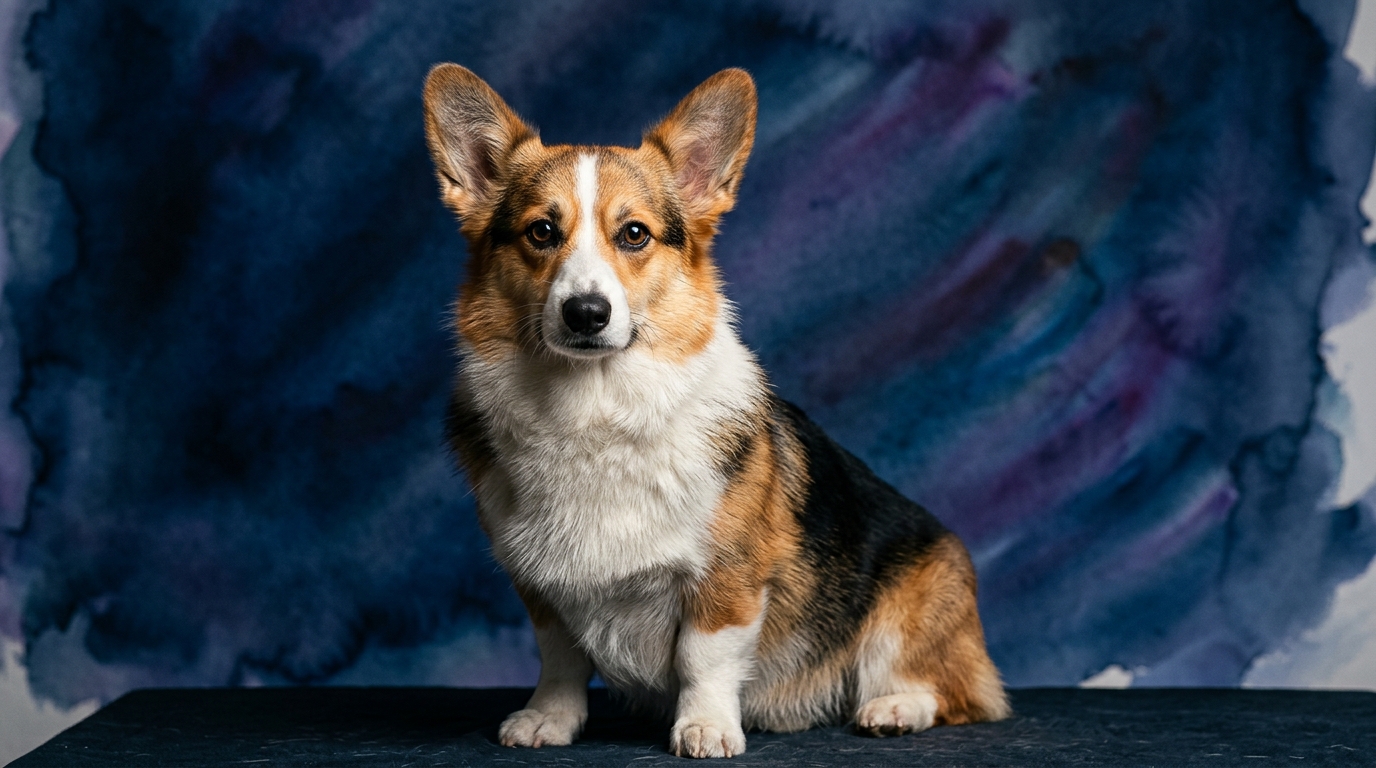
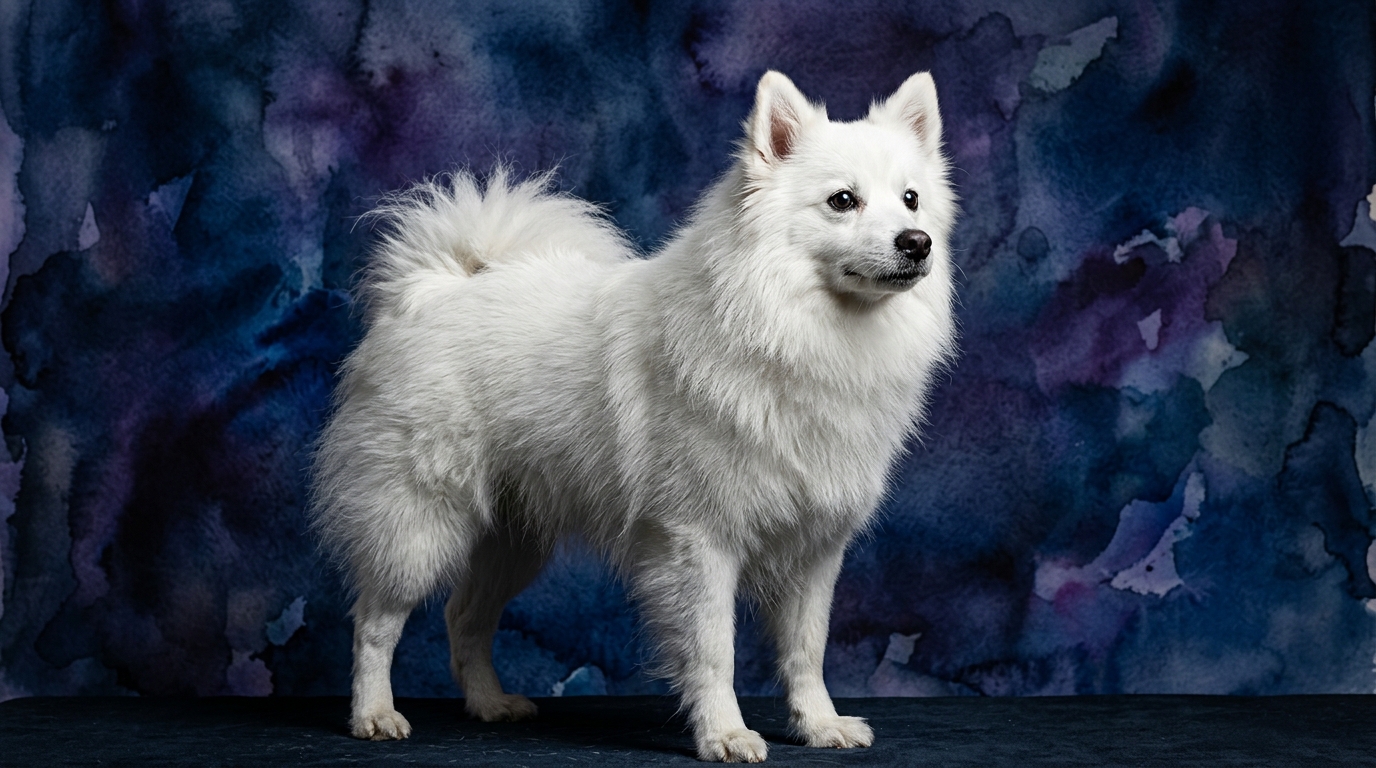
Side-by-Side IQ Profile: Pembroke Welsh Corgi vs. American Eskimo Dog
**Pembroke Welsh Corgi (Herding Group, Coren Rank #11)**
**Problem Solving (4/5):** These compact herders exhibit a keen ability to navigate complex situations, often devising their own strategies to move livestock or achieve goals. Their quick thinking allows them to adapt to changing environments and learn from experience, making them adept at puzzle toys and figuring out how to outsmart barriers. This score reflects a breed that doesn't just follow instructions but can actively think through challenges.
**Training Speed (5/5):** The Corgi's capacity for rapid learning is a hallmark of their breed. They pick up new commands and routines with exceptional speed, often understanding a new cue after just a few repetitions. This eagerness to engage and their sharp recall make them highly responsive to positive reinforcement and a joy for owners who appreciate quick progress in training.
**Social Intelligence (4/5):** Corgis are generally perceptive to human moods and intentions, forming strong bonds with their families. They can read social cues effectively, often anticipating needs or reacting appropriately to emotional states. Their social acumen contributes to their role as watchful family members, though their herding instincts can sometimes manifest as “nipping” at heels if not channeled correctly.
**Instinctive Drive (5/5):** Possessing a very strong innate drive, the Corgi's herding heritage is ever-present. This manifests as a desire to control movement, a natural inclination to gather, and a watchful, alert demeanor. This high drive requires outlets through structured activities or jobs, otherwise, it can be redirected towards household members or other pets.
**Memory (4/5):** Corgis have a robust memory, retaining learned commands, routines, and experiences over long periods. This strong recall contributes significantly to their training success and their ability to navigate their environment confidently. They remember where things are, who belongs, and what is expected of them, making them creatures of habit in the best sense.
**American Eskimo Dog (Non-Sporting Group, Not Coren-Ranked)**
**Problem Solving (3/5):** American Eskimo Dogs demonstrate moderate problem-solving abilities. While capable of learning and navigating everyday situations, they may require more guidance and structured approaches to overcome novel challenges compared to breeds with higher scores. They can certainly figure out basic puzzles, but complex, multi-step tasks might be less intuitive for them.
**Training Speed (3/5):** Eskies are trainable, but they learn at a more moderate pace. They require consistent, patient training with plenty of positive reinforcement and repetition to solidify new commands. While they are eager to please their owners, their uptake of new information is not as instantaneous as some other breeds, necessitating a more methodical approach.
**Social Intelligence (3/5):** These dogs are generally friendly and bond well with their families, but their social intelligence leans towards a more straightforward, less nuanced understanding of complex human social dynamics. They are affectionate companions but might not always pick up on subtle cues as readily as breeds with a higher score. They thrive on clear communication and consistent interaction.
**Instinctive Drive (3/5):** The American Eskimo Dog possesses a moderate instinctive drive. While they are alert and can be good watchdogs, their drive is primarily geared towards companionship rather than specific working tasks like herding or hunting. They enjoy engaging in play and activity but typically do not exhibit the intense, task-oriented focus seen in breeds with higher scores, making them adaptable family pets.
**Memory (3/5):** Eskies have a competent memory, capable of retaining basic commands and routines. They remember their family members and familiar environments well. However, mastering extensive command repertoires or intricate sequences might take more time and reinforcement to embed deeply into their memory compared to dogs with higher cognitive recall.
Where the Pembroke Welsh Corgi Wins Cognitively
The Pembroke Welsh Corgi's cognitive profile shines brightly in areas demanding quick wit and purpose-driven action. Their 4/5 problem-solving score means they are adept at independent thought, often finding creative solutions to obstacles, a trait honed by centuries of herding livestock. This translates into a dog that can quickly assess a situation, like navigating a new agility course or figuring out a complex treat puzzle, often surprising owners with their ingenuity. Their exceptional 5/5 training speed is another clear cognitive advantage, allowing them to absorb and execute new commands with remarkable efficiency. This rapid learning curve makes them highly responsive to advanced training, enabling them to master a broad repertoire of behaviors and participate successfully in competitive dog sports where precision and speed are paramount. Furthermore, their 5/5 instinctive drive, while requiring management, is a potent cognitive engine, providing a deep motivation to engage in meaningful tasks and learn new skills, making them tireless partners in activities that provide a sense of purpose.
Where the American Eskimo Dog Excels Cognitively in Different Contexts
While the American Eskimo Dog's IQ scores are generally moderate, their cognitive strengths lie in areas that foster a harmonious companion lifestyle, rather than intense working roles. Their 3/5 social intelligence, for instance, translates into a straightforward, affectionate bond with their family members, often without the nuanced, sometimes manipulative, social strategies seen in highly driven breeds. They are loyal and loving, thriving on consistent interaction and clear communication, which simplifies the owner-dog relationship. Moreover, their 3/5 instinctive drive, being less intense than a Corgi's, means they are typically less prone to engaging in high-energy, potentially disruptive behaviors like obsessive herding or intense territorial guarding that require constant redirection. This moderated drive makes them more content with a balanced routine of walks and play, rather than needing constant mental “work” to feel fulfilled. Their cognitive make-up leans towards contentment in a family setting, valuing companionship over complex tasks, which is a definite win for owners seeking a devoted, less demanding mental presence.
Training Ease: Corgi vs. Eskie
Based on their respective IQ profiles, the Pembroke Welsh Corgi is distinctly easier to train than the American Eskimo Dog, primarily due to their superior training speed and instinctive drive. The Corgi's 5/5 training speed means they grasp new commands almost immediately, often requiring fewer repetitions and responding with palpable eagerness to learn. Their innate desire to work and please, stemming from their strong herding background, translates into a dog that is highly motivated to engage in structured learning sessions. They possess an inherent understanding of direction and control, making them naturally receptive to cues. In contrast, the American Eskimo Dog, with a 3/5 training speed, requires more patience, consistency, and creative motivation. While intelligent and capable of learning, Eskies can exhibit a more independent streak, sometimes needing more convincing to perform tasks and requiring a greater number of repetitions to solidify a behavior. Their moderate instinctive drive means they might not have the same inherent “job” motivation as a Corgi, making training more about building a strong, trusting relationship through positive reinforcement rather than leveraging an intrinsic desire to work.
Suitability for Active vs. Relaxed Owners
For owners who thrive on activity and wish for a canine partner deeply engaged in tasks, the Pembroke Welsh Corgi is an ideal match. Their 5/5 instinctive drive and 4/5 problem-solving acumen mean they flourish with consistent mental and physical stimulation, excelling in activities like agility, obedience trials, or even urban herding games. They are not content to be mere couch potatoes; their energetic minds and bodies require purposeful engagement to prevent boredom and potential behavioral issues. Conversely, the American Eskimo Dog, with its moderate 3/5 instinctive drive and problem-solving, is better suited for owners who appreciate a more relaxed, yet still active, companionship. While Eskies enjoy regular walks, playtime, and mental enrichment through puzzles, they do not typically demand the intense, structured “work” that a Corgi often requires. They fit well into households that can offer consistent daily exercise and engagement but without the pressure of needing to fulfill a strong working drive, making them excellent companions for those seeking a balanced, affectionate presence.
The Verdict
Choose a Pembroke Welsh Corgi if you are an active owner seeking a highly trainable, purpose-driven companion eager to learn and excel in various dog sports or tasks, capable of independent problem-solving.
Choose an American Eskimo Dog if you desire a loving, alert companion who thrives on consistent affection and moderate activity, appreciating a more straightforward bond without the intense working drive of a herding breed.
🧠 Find Your Pet's IQ Score
Our Pet IQ Lab assessment covers 25+ tests across 5 cognitive dimensions — personalized to your breed.
Take the Full IQ Test →Frequently Asked Questions
Are Pembroke Welsh Corgis good family dogs?
Yes, Corgis with their 4/5 social intelligence can be very devoted family members, often forming strong bonds. Their herding instincts mean they might try to “manage” children or other pets, which requires consistent training and early socialization to channel appropriately.
Do American Eskimo Dogs bark a lot?
American Eskimo Dogs are known for being alert and can be quite vocal, often barking to announce visitors or anything unusual. This stems from their moderate instinctive drive and role as watchdogs, so consistent training can help manage excessive barking.
How much exercise does a Pembroke Welsh Corgi need compared to an American Eskimo Dog?
A Pembroke Welsh Corgi, with its 5/5 instinctive drive, generally requires more intense and structured exercise, including mental challenges like training or dog sports, for at least an hour daily. An American Eskimo Dog, having a 3/5 instinctive drive, thrives on consistent daily walks and playtime for 30-60 minutes, but typically doesn't demand the same level of rigorous “work.”