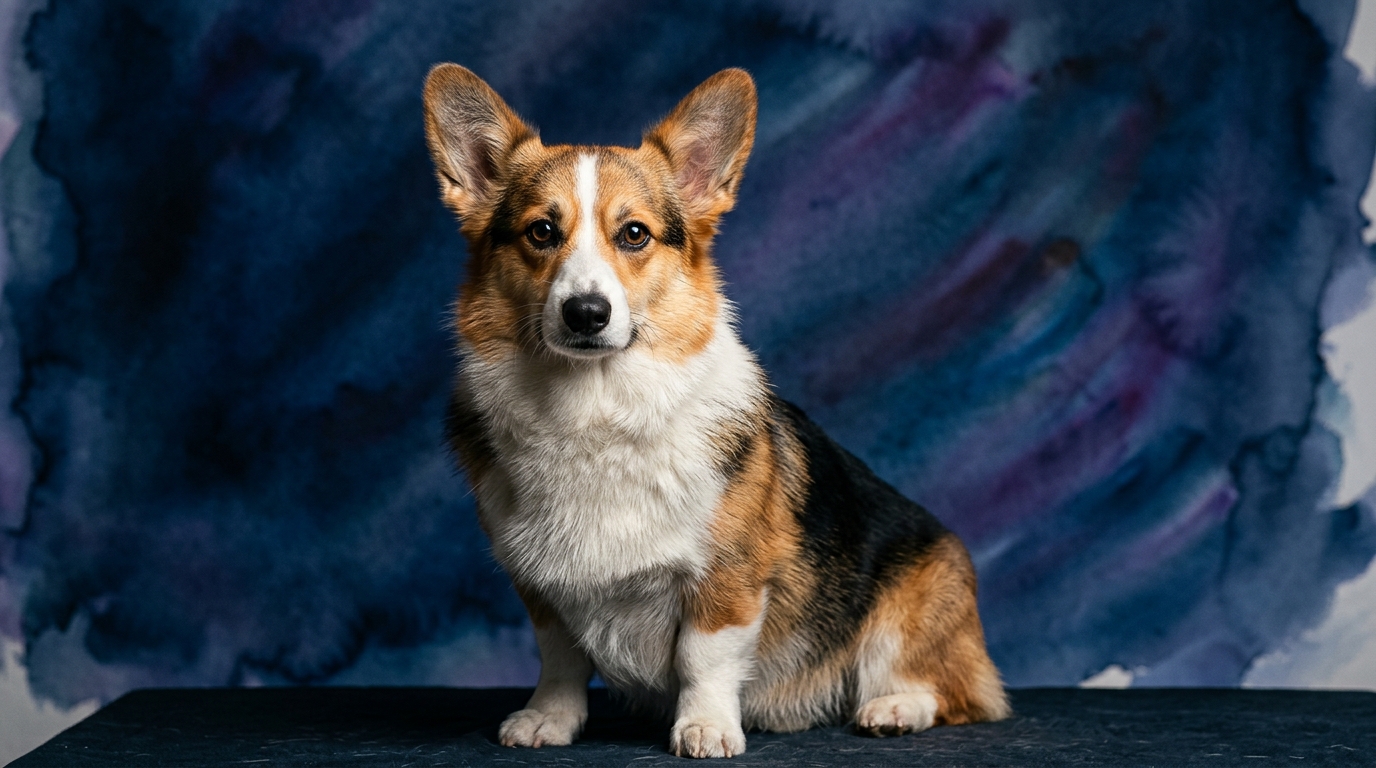
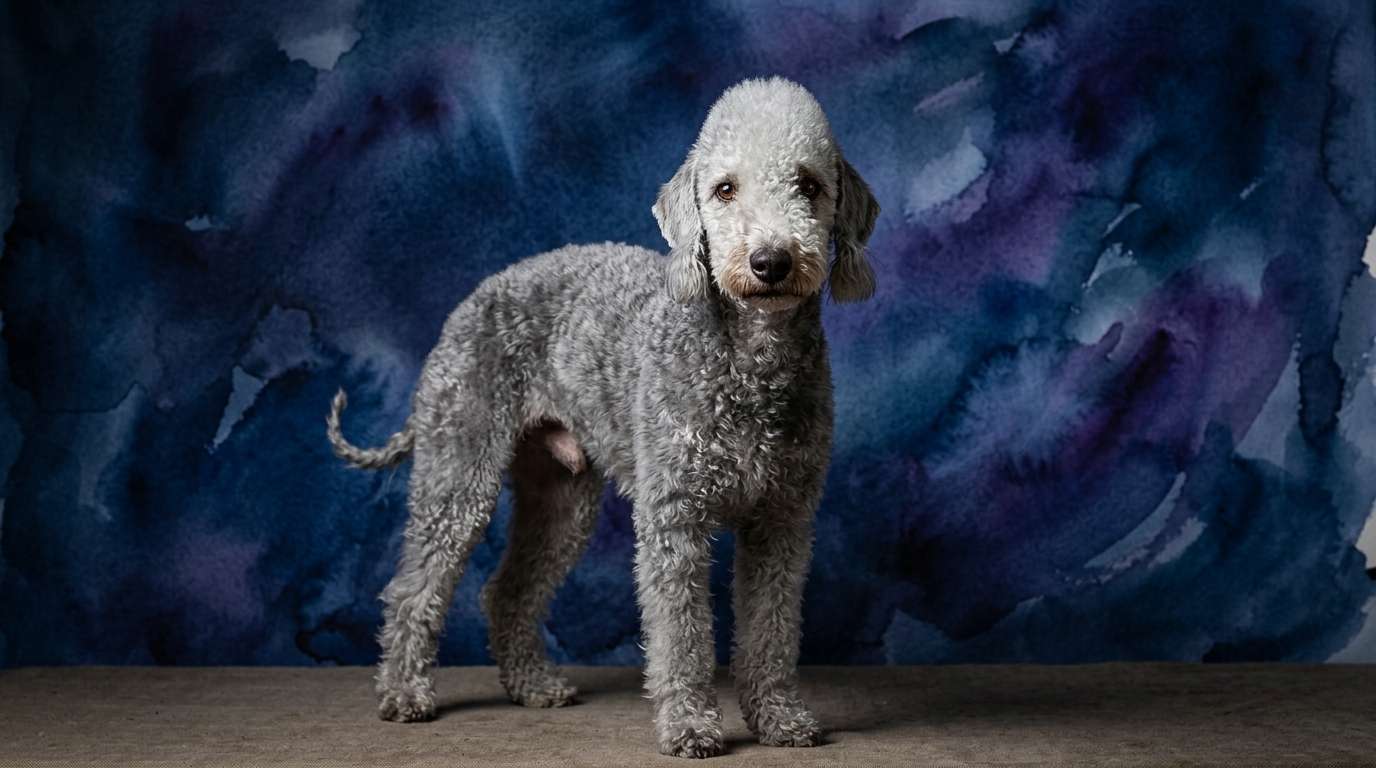
Side-by-Side IQ Profile: Corgi vs. Bedlington
The Cosmic Pet Pet IQ Lab provides a standardized framework to assess canine intelligence, breaking it down into five crucial dimensions. For the Pembroke Welsh Corgi, a breed with a notable Coren rank of #11, their profile reflects a sharp, cooperative mind. They score 4/5 in Problem Solving, indicating a robust capacity for figuring out novel situations and navigating complex environments. Their Training Speed is exceptional at 5/5, highlighting a rapid ability to grasp and execute commands. Social Intelligence sits at a strong 4/5, demonstrating their adeptness at understanding human cues and social structures. Instinctive Drive is also at 5/5, reflecting their strong herding impulses, while Memory is rated 4/5, indicating good retention of learned behaviors and experiences.
In contrast, the Bedlington Terrier, while not Coren-ranked, presents a distinct cognitive blueprint rooted in its terrier heritage. Across all five dimensions, the Bedlington Terrier consistently scores 3/5. This includes Problem Solving, suggesting a practical, persistent approach to challenges, often related to their original function. Their Training Speed is 3/5, indicating they learn at a moderate pace, often requiring more patience and repetition. Social Intelligence at 3/5 means they form strong bonds but might be more independent or reserved than their Corgi counterparts. Instinctive Drive, also 3/5, points to a focused prey drive, distinct from the Corgi's herding impulse. Finally, their Memory at 3/5 suggests solid, but not exceptional, recall of information and experiences.
Where Pembroke Welsh Corgi Wins Cognitively
The Pembroke Welsh Corgi consistently outperforms the Bedlington Terrier across all measured cognitive dimensions, a testament to their heritage as attentive, responsive herding dogs. Their superior Training Speed of 5/5 means they absorb new commands and routines with remarkable efficiency, often requiring fewer repetitions to achieve mastery. This rapid learning curve makes them highly adaptable to various training disciplines, from basic obedience to complex agility courses. Their Problem Solving score of 4/5 reflects an innate ability to strategize and adapt to changing conditions, a crucial trait for a dog tasked with managing livestock. This translates to navigating household puzzles or figuring out how to achieve a desired outcome.
Furthermore, the Corgi's high Social Intelligence (4/5) enables them to quickly attune to human emotions and intentions, fostering a deep, communicative bond with their families. They are keenly aware of their role within a social unit and often seek to cooperate. Their Instinctive Drive (5/5) is not just about herding; it’s about a strong desire for purpose and engagement, which fuels their willingness to learn and participate in tasks. Coupled with a Memory score of 4/5, Corgis retain commands, routines, and experiences effectively, building a robust foundation for ongoing learning and predictable behavior. This combination of traits makes them particularly adept at tasks requiring consistent engagement and understanding of human direction.
Where Bedlington Terrier Wins Cognitively
While the Bedlington Terrier's scores are consistently 3/5, these represent a unique cognitive strength tailored to their terrier origins rather than a deficiency. Their Problem Solving at 3/5, for instance, is not about abstract strategy but about tenacious, single-minded pursuit of a goal, particularly when it involves their instinctive prey drive. They excel at figuring out how to get to something they want, whether it’s a burrowed critter or a hidden toy, demonstrating a focused determination that can be a cognitive advantage in specific scenarios. This persistence, combined with their instinctive drive (3/5) for chasing and digging, means they are incredibly effective at tasks requiring sustained effort and independence.
The Bedlington's moderate scores across the board also point to a certain resilience and self-reliance. Their Training Speed (3/5) might mean slower acquisition of commands, but it also reflects an independent spirit less prone to 'people-pleasing' and more focused on their own motivations. This independence, while challenging for some owners, means they can operate effectively without constant human oversight in certain contexts. Their Social Intelligence (3/5) ensures strong bonds with their immediate family, but their more reserved nature means they are less likely to be overwhelmed by external social pressures, allowing them to remain composed in novel situations where a more socially sensitive dog might become anxious. Their memory (3/5) is sufficient for retaining crucial information relevant to their life and tasks, allowing them to build a stable understanding of their environment and routines.
Which is Easier to Train and Why
Without question, the Pembroke Welsh Corgi is significantly easier to train than the Bedlington Terrier, a distinction directly reflected in their IQ profiles. The Corgi's Training Speed of 5/5 is a standout attribute, driven by their inherent desire to please and their strong social intelligence (4/5), which makes them highly attuned to human expectations. Their background as herding dogs means they are naturally predisposed to working in cooperation with a handler, responding eagerly to commands and cues. They thrive on having a 'job' and find satisfaction in mastering new tasks, making positive reinforcement highly effective. Their herding instinct, while sometimes manifesting as nipping at heels, also translates into a strong focus and responsiveness to direction, viewing their human as the leader of their 'flock.'
The Bedlington Terrier's Training Speed of 3/5 tells a different story. Their terrier heritage imbues them with a strong independent streak and a formidable will, often described as stubbornness. While capable of learning, they require far more patience, consistency, and creative motivation. Their problem-solving (3/5) is often applied to figuring out how to get their own way or pursue a scent, rather than strictly adhering to human commands. Their instinctive drive (3/5) is centered on prey, which can make them easily distracted by environmental stimuli during training. Owners often report that Bedlingtons will learn a command but may choose whether or not to obey based on their current motivation, making consistent reinforcement and engaging training methods crucial to success.
Which Suits Active Owners vs. Relaxed Owners
The choice between a Pembroke Welsh Corgi and a Bedlington Terrier often comes down to an owner's lifestyle and their willingness to engage with specific cognitive needs. For active owners seeking a highly engaged and cooperative companion, the Pembroke Welsh Corgi is an excellent fit. Their high instinctive drive (5/5) means they thrive on regular mental and physical stimulation, far beyond simple walks. They excel in dog sports like agility, obedience, and even herding trials, which tap into their problem-solving (4/5) and training speed (5/5). They need consistent interaction and tasks to feel fulfilled, making them ideal for owners who enjoy structured activities and want a dog actively participating in their daily routines.
The Bedlington Terrier, while possessing a moderate instinctive drive (3/5), requires a specific kind of active engagement rather than constant, generalized activity. They can be surprisingly calm and relaxed indoors, often content to lounge with their family, making them potentially suitable for owners who appreciate quieter home lives. However, their terrier instincts mean they need dedicated outlets for chasing, digging, and exploring. They are not content with just a stroll; they need bursts of intense, focused activity that satisfies their prey drive. This might involve lure coursing, earthdog trials, or vigorous games of fetch in a securely fenced area. Owners must be prepared to manage their powerful prey drive outdoors, often requiring leashes or secure off-leash environments. Therefore, they suit owners who are relaxed indoors but committed to providing specific, intense outdoor mental and physical stimulation that caters to their unique terrier nature.
The Verdict: When to Choose Each Breed
Choosing between a Pembroke Welsh Corgi and a Bedlington Terrier boils down to aligning their distinct cognitive profiles with your lifestyle and expectations. The Corgi, with its superior scores in training speed, problem-solving, and social intelligence, is an ideal companion for owners who desire a highly trainable, eager-to-please, and socially attuned dog ready to participate in a wide range of cooperative activities. They thrive with consistent mental and physical engagement, fitting well into active households that enjoy structured training and dog sports.
Conversely, the Bedlington Terrier appeals to those who appreciate an independent spirit, a charmingly unique personality, and are prepared for a more nuanced training journey. They are best suited for owners who understand and can accommodate a strong prey drive, providing specific outlets for their instincts, while also enjoying a generally calm companion indoors. If you value a dog with a distinct will and can offer patient, consistent guidance, the Bedlington Terrier will reward you with unwavering loyalty and affection.
The Verdict
Choose the Pembroke Welsh Corgi if you seek a highly trainable, socially astute companion eager for cooperative tasks and consistent, varied engagement.
Choose the Bedlington Terrier if you appreciate an independent spirit, are prepared for patient, consistent training, and can provide outlets for their unique terrier instincts.
🧠 Find Your Pet's IQ Score
Our Pet IQ Lab assessment covers 25+ tests across 5 cognitive dimensions — personalized to your breed.
Take the Full IQ Test →Frequently Asked Questions
Is a Pembroke Welsh Corgi a good choice for first-time dog owners?
Yes, Corgis can be an excellent choice for first-time owners due to their high training speed and social intelligence. Their eagerness to please and responsiveness make the training process more manageable, though consistent exercise and mental stimulation are still crucial.
Do Bedlington Terriers get along well with other pets?
Bedlington Terriers can coexist with other pets, especially if socialized from a young age, but their strong prey drive (3/5 instinctive drive) means caution is needed around smaller animals like cats or rodents. Introductions should be carefully managed, and supervision is always recommended.
Which breed requires more grooming?
The Bedlington Terrier typically requires more extensive grooming than the Pembroke Welsh Corgi. Their unique lamb-like coat needs regular brushing to prevent matting and professional clipping every 6-8 weeks to maintain its distinctive appearance, whereas Corgis have a double coat that sheds but is less demanding to maintain.