Unpacking Their Cognitive Blueprints: A Side-by-Side IQ Profile
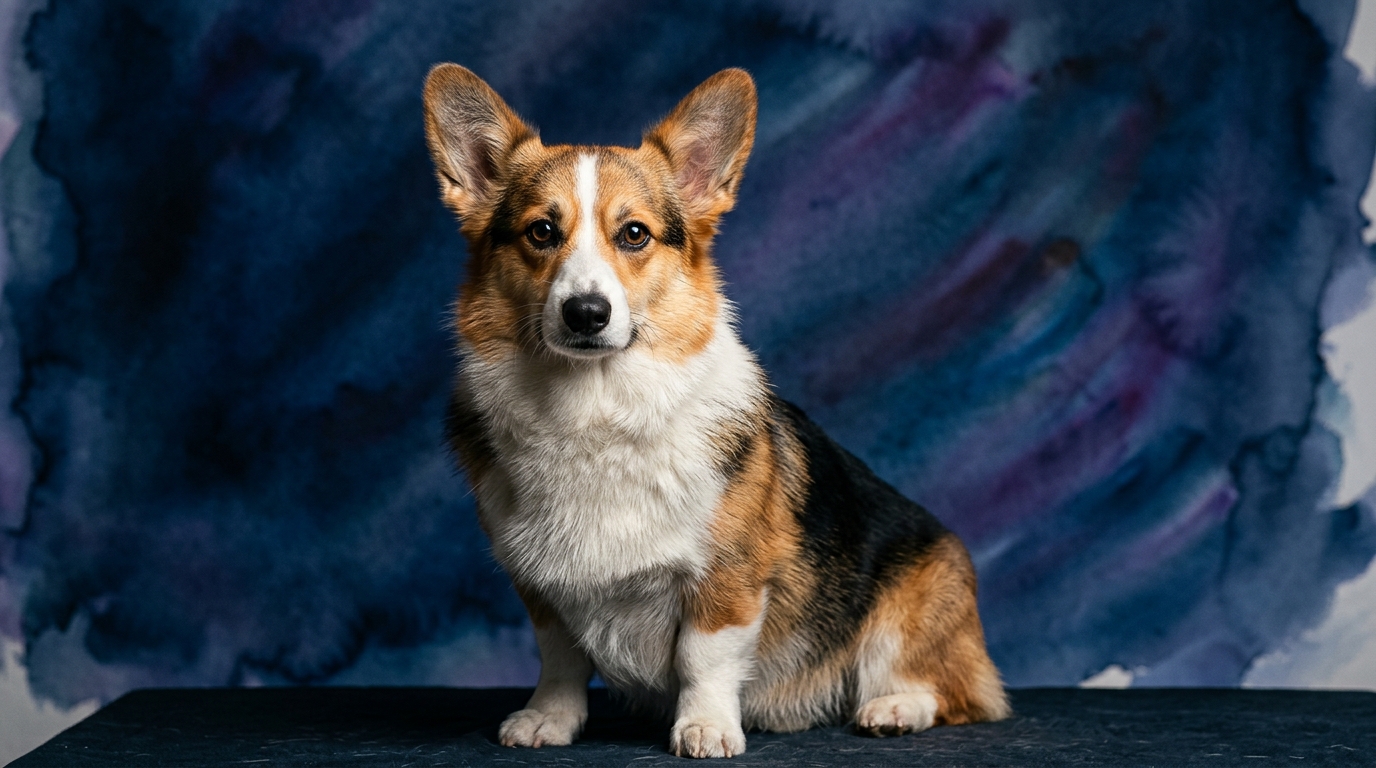
The Cosmic Pet Pet IQ Lab provides a unique lens through which to compare the mental attributes of these two beloved breeds. For the Pembroke Welsh Corgi, a Herding group member, their Coren rank of #11 positions them among the most adept learners. Their Problem Solving score of 4/5 indicates a capacity for navigating complex environments and devising solutions, while a Training Speed of 5/5 highlights their rapid acquisition of new commands. Social Intelligence at 4/5 suggests good communication with humans, complemented by a robust Instinctive Drive of 5/5, reflecting their heritage. Their Memory score of 4/5 ensures retention of learned behaviors and experiences.
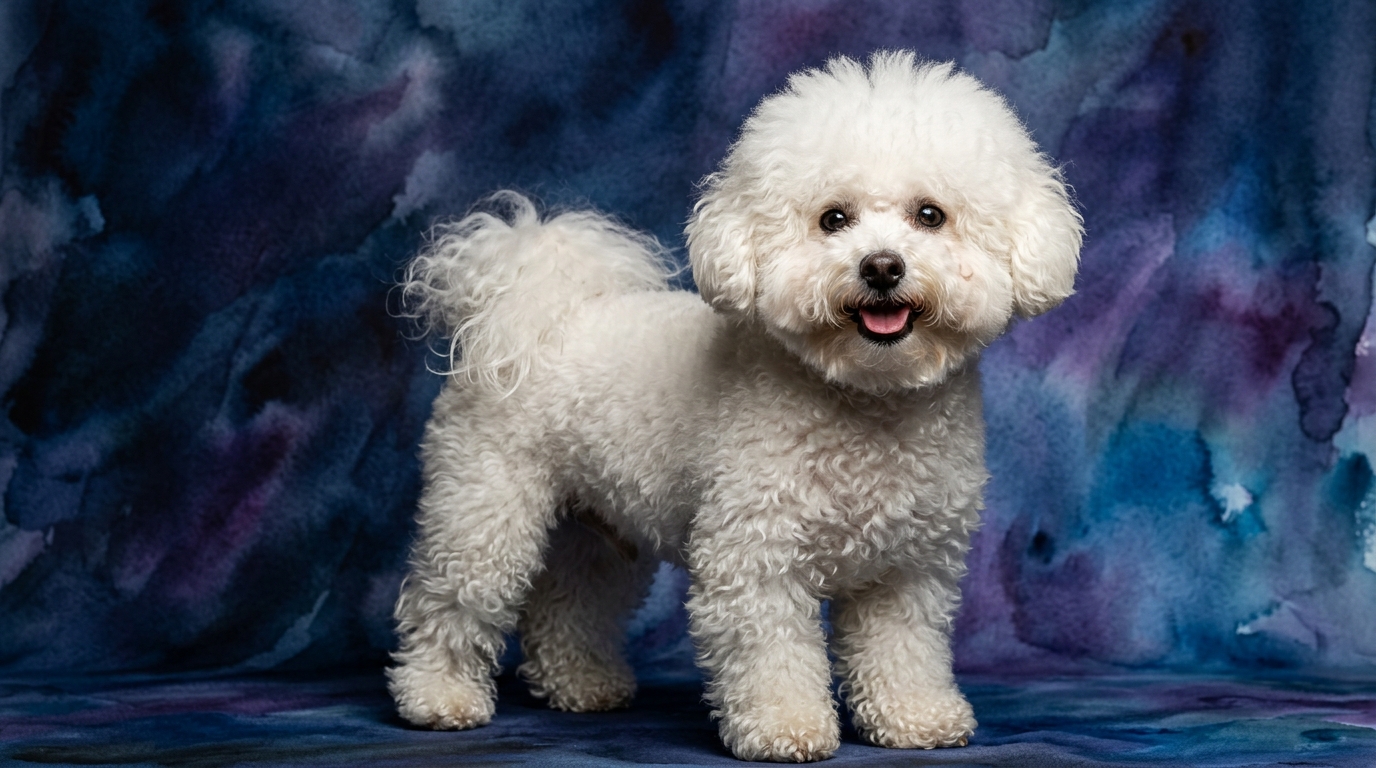
In contrast, the Bichon Frisé, from the Non-Sporting group, holds a Coren rank of #45, indicating a respectable but different cognitive profile. Their Problem Solving is rated 3/5, suggesting a moderate ability to tackle new challenges independently. Training Speed also sits at 3/5, meaning they require more consistent repetition during learning. However, the Bichon truly shines with a perfect 5/5 in Social Intelligence, demonstrating exceptional attunement to human emotions and interactions. Their Instinctive Drive is lower at 2/5, indicating less inclination for traditional working tasks, and their Memory is rated 3/5, solid but not as sharp as the Corgi’s.
Where the Pembroke Welsh Corgi's Mind Excels
Pembroke Welsh Corgis display a remarkable capacity for operational thinking, a trait deeply rooted in their herding heritage. Their 4/5 problem-solving score means they are not just reacting, but actively strategizing, whether it's figuring out how to open a cabinet or maneuvering around furniture to get to a favorite toy. This proactive mental approach sets them apart, making them adept at navigating complex situations independently and often anticipating human actions based on routine.
Furthermore, their 5/5 training speed is a significant advantage. A Corgi often grasps a new command or a complex sequence of actions in fewer repetitions than many other breeds. This rapid acquisition stems from a combination of their sharp memory (4/5) and their inherent desire to engage in purposeful activity, making training sessions highly efficient and rewarding for both dog and owner. Their robust instinctive drive (5/5) means they are often motivated by tasks and challenges, channeling this energy into learning and working, from basic obedience to more advanced canine sports.
The Bichon Frisé's Unique Cognitive Strengths
The Bichon Frisé truly shines in the realm of social intelligence, earning a perfect 5/5. This isn't merely about being friendly; it reflects a profound ability to interpret human emotions, body language, and vocal inflections. A Bichon often acts as a finely tuned emotional barometer for their family, responding to joy, sadness, or stress with appropriate comfort or playful distraction. This deep empathy allows them to integrate seamlessly into family life, often anticipating needs for affection or interaction, and forming incredibly strong bonds.
While their problem-solving and training speed scores are moderate, their exceptional social acumen means they are highly motivated by human approval and connection. They learn behaviors that foster positive social interactions, making them exceptionally well-suited for roles as companion animals where emotional bonding is paramount. Their comparatively lower instinctive drive (2/5) means they are less likely to be driven by independent pursuits like chasing or guarding, preferring to be close to their human companions and engaging in reciprocal affection.
Training Dynamics: Corgi's Quick Grasp vs. Bichon's Social Motivation
Training a Pembroke Welsh Corgi typically feels like a brisk, engaging partnership. Their 5/5 training speed means they quickly form associations between commands and actions, often needing only a few repetitions to solidify a new behavior. This speed is fueled by their problem-solving ability (4/5) and a strong instinctive drive (5/5) to participate in structured activities, making them eager to learn and excel in obedience, agility, or even herding trials. They respond well to consistent, clear commands and positive reinforcement, quickly understanding what is expected of them and thriving on mental challenges.
In contrast, training a Bichon Frisé, while certainly achievable, requires more patience and a different approach due to their 3/5 training speed. They may take more repetitions to fully grasp a new command, and consistency is absolutely key to prevent learned behaviors from fading. However, their exceptional social intelligence (5/5) can be leveraged effectively; a Bichon is highly motivated by praise, affection, and the desire to please their human companions. Training becomes a bonding experience, where positive social interaction serves as a primary reward, making them responsive to gentle encouragement rather than demanding tasks.
Lifestyle Compatibility: Active Engagement vs. Companion Comfort
The Pembroke Welsh Corgi, with its herding lineage and high instinctive drive (5/5), thrives with active owners who can provide consistent mental and physical engagement. Their problem-solving acumen (4/5) means they need more than just physical exercise; they require opportunities to use their minds, whether through puzzle toys, obedience training, or structured play that mimics their herding instincts. Owners who enjoy dog sports like agility, rally, or even just long, varied walks with training interludes will find a Corgi a fulfilling companion. Without sufficient outlets for their sharp minds and energetic bodies, Corgis can become restless or develop unwanted behaviors like excessive barking or nipping.
The Bichon Frisé, on the other hand, is a natural fit for more relaxed owners seeking a devoted companion. Their lower instinctive drive (2/5) means they are generally content with moderate daily walks and indoor play, prioritizing companionship over strenuous activity. Their supreme social intelligence (5/5) makes them ideal for households where they can be integral to daily life, thriving on interaction, cuddles, and simply being near their human family. While they enjoy play, their need for intense physical or mental challenges is significantly lower than that of a Corgi, making them excellent choices for apartment living or less active lifestyles, provided they receive ample affection and social engagement.
The Verdict
Choose a Pembroke Welsh Corgi if you are an active individual or family seeking a highly trainable, mentally agile companion eager for structured activities and problem-solving challenges. They thrive with consistent engagement and clear leadership, rewarding owners with a quick-witted and versatile partner.
Opt for a Bichon Frisé if you prioritize a deeply affectionate, socially attuned companion who excels in emotional connection and thrives on close human interaction. They are best suited for owners who value companionship and are content with moderate activity, offering unwavering devotion and charm.
🧠 Find Your Pet's IQ Score
Our Pet IQ Lab assessment covers 25+ tests across 5 cognitive dimensions — personalized to your breed.
Take the Full IQ Test →Frequently Asked Questions
Are Corgis stubborn during training?
While Corgis are fast learners, their strong instinctive drive and problem-solving abilities mean they can sometimes exhibit independent thinking. This isn't stubbornness but a desire to 'do it their way,' requiring consistent, positive reinforcement to channel their intelligence effectively.
Do Bichon Frisés need a lot of grooming due to their coat?
Yes, Bichon Frisés require regular grooming, including daily brushing to prevent mats and professional grooming every 4-6 weeks, to maintain their distinctive fluffy, hypoallergenic coat. This is a practical consideration distinct from their cognitive profile but important for potential owners.
Which breed is better with children?
Both breeds can be good with children, but their approaches differ. Corgis, with their herding instincts, might playfully 'herd' children, requiring supervision and guidance. Bichons, with high social intelligence, are often gentle and patient, thriving on positive interactions and adapting well to family dynamics, making them excellent family companions.