A Side-by-Side Look at Cognitive Profiles
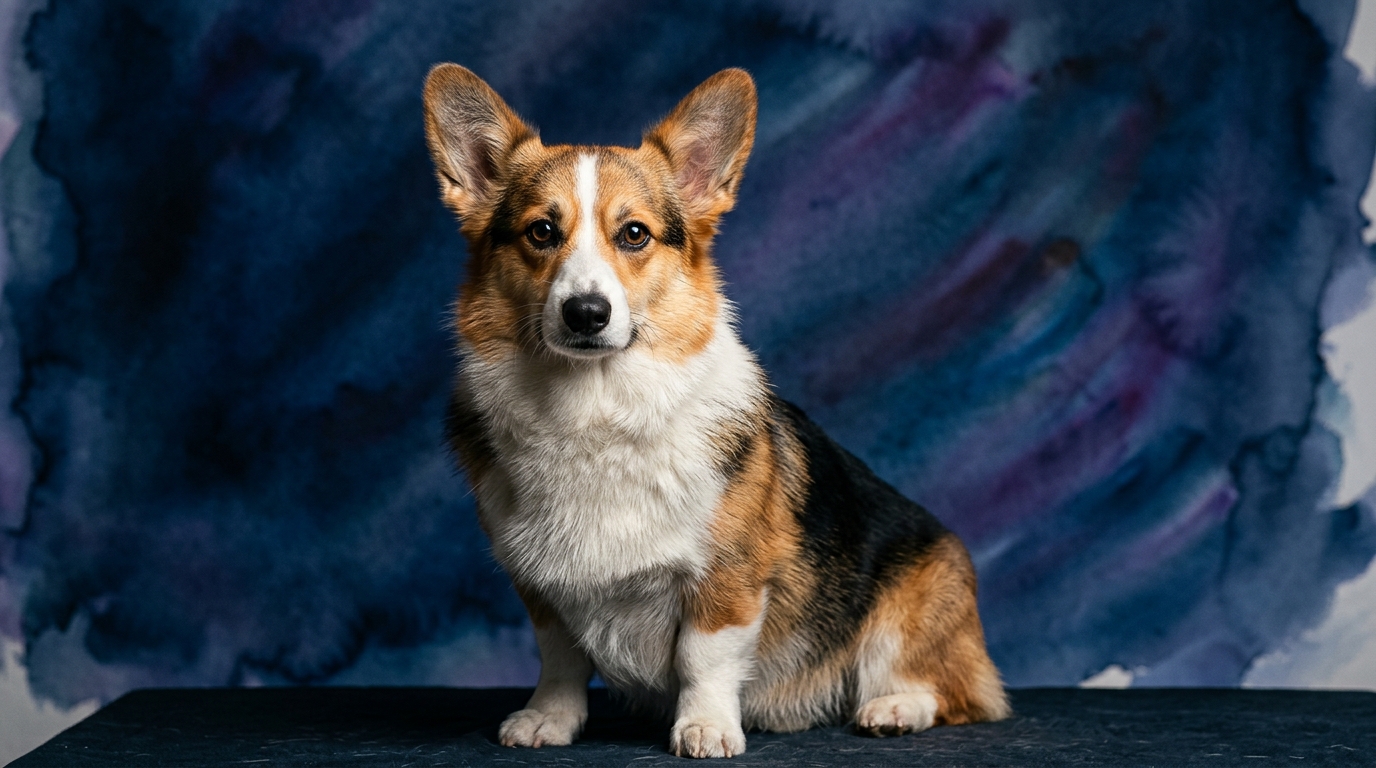
The Pembroke Welsh Corgi, a breed historically tasked with managing livestock, exhibits a cognitive profile reflecting its working heritage, earning a Coren rank of #11. Its Problem Solving is rated at 4/5, indicating a capacity for strategic thinking and figuring out complex situations independently. Training Speed stands at an impressive 5/5, meaning these dogs grasp new commands and concepts with remarkable quickness. Social Intelligence is 4/5, allowing them to read human cues and adapt within their social structure effectively. An Instinctive Drive of 5/5 highlights their strong internal motivation for purpose-driven activities, often channeling their herding instincts into various tasks. Finally, their Memory is 4/5, enabling them to retain a wide array of commands, routines, and experiences.
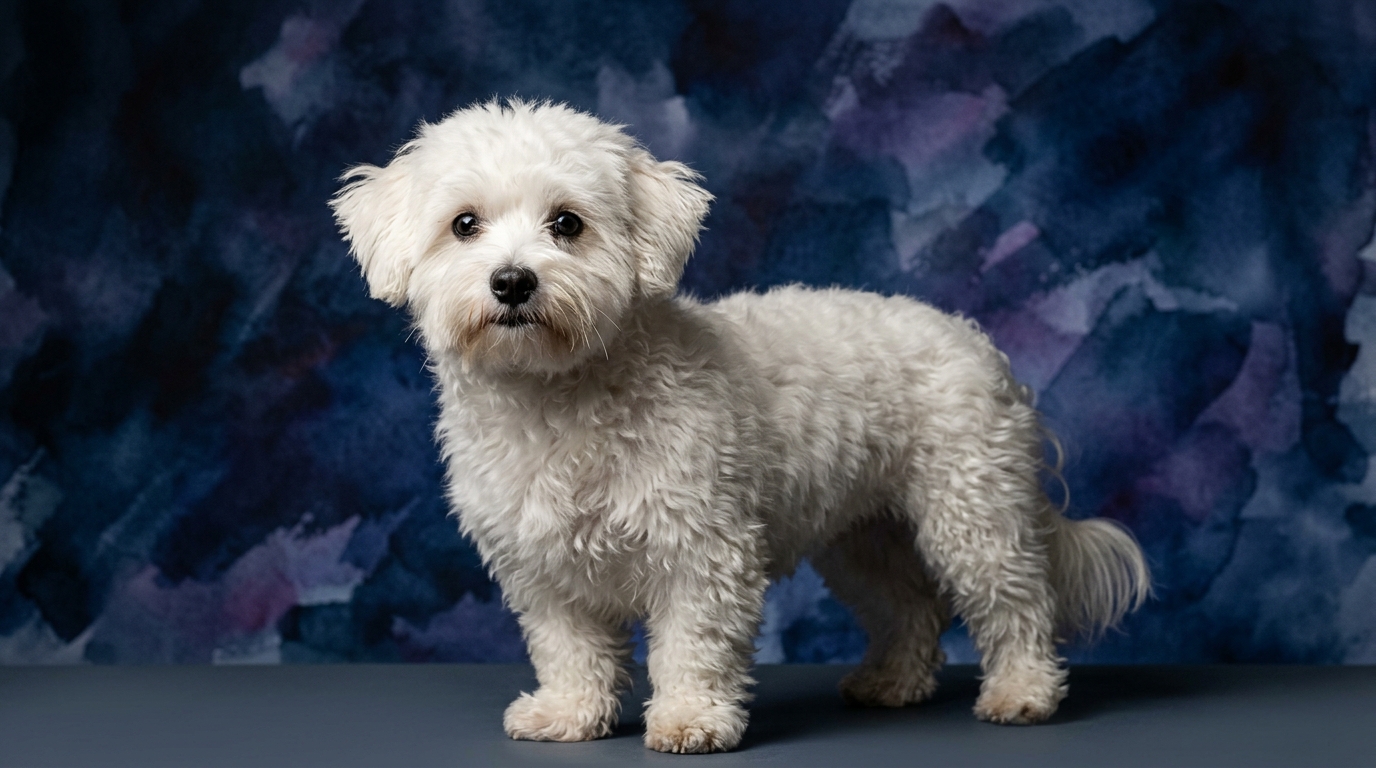
In contrast, the Coton de Tuléar, primarily bred for companionship, presents a different set of cognitive strengths. While not Coren-ranked, its intelligence is geared towards social engagement rather than complex tasks. Its Problem Solving is 3/5, meaning it can navigate challenges but might prefer human guidance or require more repetition to master intricate puzzles. Training Speed is 3/5; Cotons learn steadily and reliably, though not with the rapid-fire acquisition seen in some working breeds. Social Intelligence also rates 3/5, reflecting a deep emotional bond with its family and a good understanding of familiar social dynamics. An Instinctive Drive of 3/5 suggests a motivation rooted more in interaction and affection than in a strong inherent drive for specific jobs. Their Memory, at 3/5, allows them to recall routines and commands consistently with proper reinforcement.
Where the Pembroke Welsh Corgi Shows Its Cognitive Edge
The Pembroke Welsh Corgi's cognitive strengths are particularly evident in its exceptional Training Speed (5/5) and robust Instinctive Drive (5/5). This combination makes them highly proficient in structured learning environments, often picking up complex command sequences or agility courses with surprising speed. Their 4/5 Problem Solving means they don't just follow instructions; they can analyze situations and devise solutions, whether it's figuring out how to open a gate or navigating a novel obstacle. This keen mental agility, coupled with a solid 4/5 Memory, allows them to build a vast repertoire of learned behaviors and apply them appropriately. Owners seeking a canine partner for competitive dog sports, advanced obedience, or intricate trick training will find the Corgi's sharp intellect and driven nature exceptionally rewarding. Their historical role as herders imbues them with a persistent, goal-oriented focus that, when channeled correctly, manifests as impressive mental endurance and task dedication.
The Coton de Tuléar's Unique Cognitive Strengths
While the Coton de Tuléar's cognitive profile may appear less geared towards complex task performance, its strengths lie in its profound capacity for companionship and emotional attunement. Its 3/5 Social Intelligence translates into a sensitive and responsive family member, often displaying an uncanny ability to sense and respond to the moods of its human companions. This breed thrives on interaction, and its Problem Solving (3/5) often manifests in finding ways to engage with its owners, rather than tackling abstract puzzles. Cotons excel in creating a harmonious home environment, using their moderate Training Speed (3/5) and Memory (3/5) to learn household rules and routines reliably, becoming polite and adaptable members of the family. Their cognitive makeup prioritizes the formation of strong, affectionate bonds, making them highly receptive to positive reinforcement and eager to please their loved ones. This focus on social connection is a distinct cognitive advantage for owners seeking a devoted and emotionally responsive canine presence.
Training Dynamics: Corgi's Cadence vs. Coton's Consistency
Training a Pembroke Welsh Corgi often presents a dynamic experience due to its rapid learning capabilities (Training Speed 5/5) and strong Instinctive Drive (5/5). They absorb commands quickly and retain them well (Memory 4/5), making them appear easy to train. However, their high problem-solving capacity (4/5) and inherent drive mean they can also be quite independent and may use their cleverness to test boundaries or find creative ways around rules if training isn't consistent and engaging. Without sufficient mental stimulation, a Corgi might invent its own 'jobs,' which could manifest as persistent barking or heel-nipping, echoing its herding ancestry. Successful training with a Corgi requires an owner who can consistently provide challenging mental exercises and clear, firm, yet fair guidance.
The Coton de Tuléar, with its more moderate Training Speed (3/5) and Memory (3/5), generally requires a more patient and consistent approach. They respond best to positive reinforcement, gentle methods, and a focus on building a strong, trusting relationship. While they may not pick up new commands with the Corgi's lightning speed, they are eager to please their family and will reliably learn and execute behaviors with regular practice. Their lower Instinctive Drive means they are less likely to become bored and destructive if not constantly challenged, preferring instead to be involved in family activities. Training a Coton is often a process of nurturing good manners through consistent, loving guidance, resulting in a well-adjusted and affectionate companion who learns at a comfortable pace.
Matching Breeds to Lifestyles: Active Explorers vs. Calm Companions
For active owners who thrive on engagement and structured activities, the Pembroke Welsh Corgi is an excellent match. Its high Instinctive Drive and Problem Solving skills mean it requires consistent mental and physical outlets. Owners who enjoy participating in dog sports like agility, obedience trials, or herding games will find the Corgi a willing and capable partner. Daily, engaging walks, puzzle toys, and learning new tricks are not just beneficial but often essential to keep a Corgi mentally satisfied and prevent boredom-driven behaviors. This breed is ideal for individuals or families who can dedicate time to channeling its sharp mind and energetic spirit into productive and enjoyable pursuits.
Conversely, the Coton de Tuléar is perfectly suited for more relaxed owners seeking a devoted and adaptable companion. While they appreciate daily walks and interactive play, their exercise requirements are generally moderate. Cotons flourish in environments where their primary role is to be a cherished family member, enjoying cuddles on the couch, accompanying their owners on errands, and simply being part of the household's daily rhythm. Owners who value a dog that is content to be by their side, offering gentle affection and requiring less intense mental and physical stimulation than a working breed, will find the Coton's calm demeanor and social focus to be an ideal fit for a harmonious home life.
The Verdict
Opt for the Pembroke Welsh Corgi if you seek a quick-witted, purpose-driven companion eager for mental challenges and structured activities, ready to learn and engage with zeal.
Select the Coton de Tuléar if you desire a warm, adaptable companion whose joy comes from close companionship and gentle interaction, thriving on consistent affection and a relaxed pace.
🧠 Find Your Pet's IQ Score
Our Pet IQ Lab assessment covers 25+ tests across 5 cognitive dimensions — personalized to your breed.
Take the Full IQ Test →Frequently Asked Questions
Are Corgis difficult to train because of their intelligence?
Corgis are quick learners (Training Speed 5/5) but their innate problem-solving (4/5) and strong instinctive drive (5/5) mean they require consistent mental engagement and clear boundaries. Without adequate stimulation, they might apply their cleverness to less desirable activities, making consistent management crucial.
Does the Coton de Tuléar's lower IQ rating mean it's not smart?
Not at all. The Coton de Tuléar possesses a different kind of intelligence, excelling in social attunement and adaptability within its family unit. Its moderate ratings reflect a steady learning pace and a focus on companionship rather than complex task execution, making it a responsive and affectionate partner.
Which breed is better for a first-time dog owner?
The Coton de Tuléar might be more forgiving for a first-time owner due to its generally calmer disposition and lower intensity of instinctive drives, making training and management less demanding. The Pembroke Welsh Corgi, while highly trainable, requires an owner prepared to consistently channel its sharp mind and strong will, which can be challenging for novices.