Unpacking the Cognitive Profiles: Corgi vs. Glen
At The Cosmic Pet Pet IQ Lab, we analyze canine cognition across five key dimensions to provide a nuanced understanding of each breed's mental landscape. This framework allows us to move beyond broad labels and delve into the specific ways dogs interact with their world, learn, and adapt. For the Pembroke Welsh Corgi, a breed rooted in herding, and the Glen of Imaal Terrier, a tenacious earthdog, these dimensions paint two very different pictures.
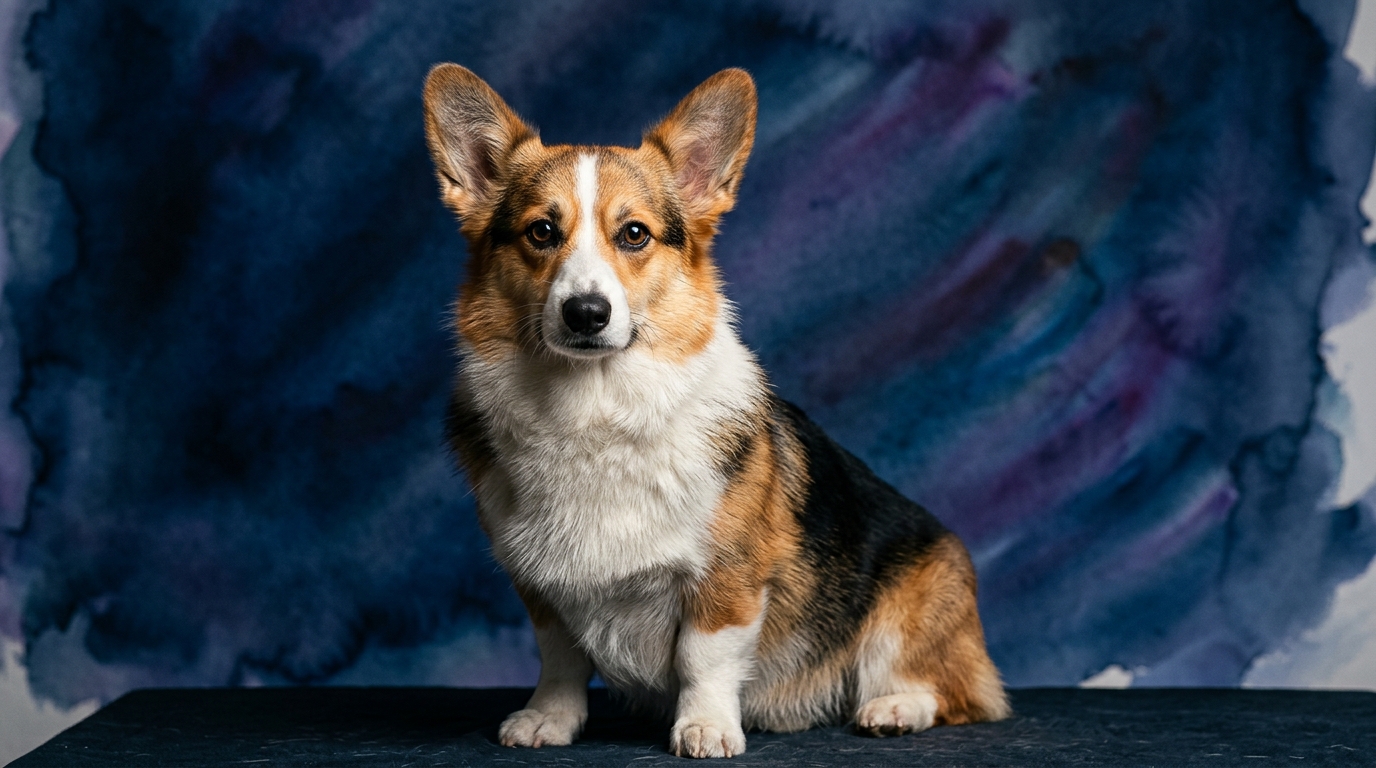
The Pembroke Welsh Corgi, recognized by Stanley Coren as ranking #11 among working breeds in terms of obedience and working intelligence, demonstrates a cognitive profile geared towards collaboration and quick learning. Their Problem Solving is rated at 4/5, indicating an adeptness at navigating complex situations and figuring out solutions beyond simple trial and error. Training Speed is a standout at 5/5, reflecting their eagerness and capacity to rapidly acquire new commands and routines. Social Intelligence, at 4/5, suggests a strong ability to interpret human cues and adapt to social environments, often using this understanding to their advantage. Their Instinctive Drive is a robust 5/5, fueled by their deep-seated herding heritage, which manifests as a persistent desire to manage and organize. Finally, their Memory at 4/5 means they retain lessons, experiences, and routines effectively, contributing to their consistent performance.
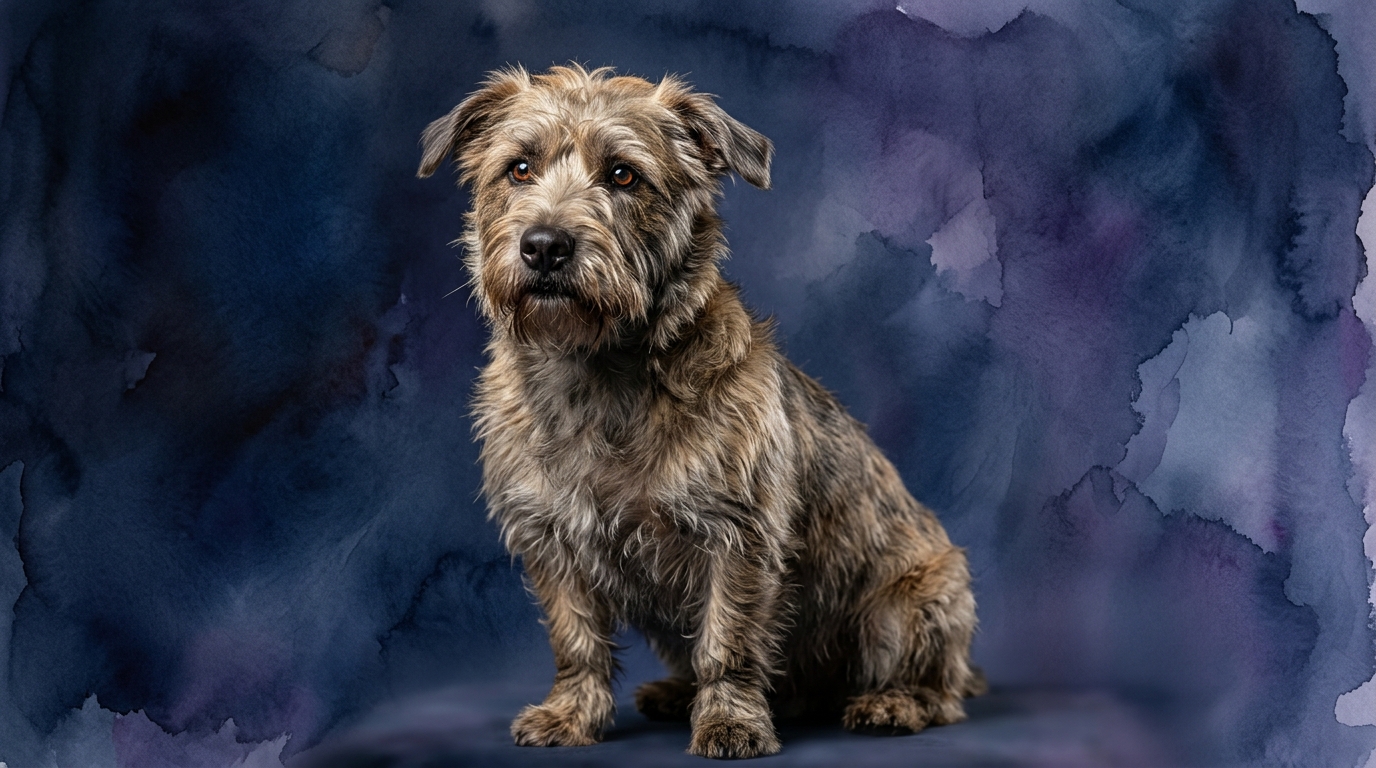
In contrast, the Glen of Imaal Terrier, a breed less focused on broad obedience and more on independent, task-specific work, presents a distinct cognitive makeup and is not ranked by Coren in the same manner. Their Problem Solving is rated at 3/5, suggesting they can work through challenges but often with a more focused, persistent approach rather than broad strategic thinking. Training Speed is a moderate 3/5, indicating they are capable learners but require more patience and consistent motivation due to their independent nature. Social Intelligence also scores 3/5; while they form deep bonds, their social interactions can be more reserved or self-directed, particularly with strangers. Instinctive Drive, at 3/5, is centered around their earthdog purpose, involving intense focus on scent and digging, rather than the wide-ranging management of a herder. Their Memory, at 3/5, allows them to recall basic commands and routines, though complex sequences may require more reinforcement compared to their Corgi counterparts.
Where the Pembroke Welsh Corgi Excels Cognitively
The Pembroke Welsh Corgi's cognitive strengths primarily lie in their versatile problem-solving and rapid acquisition of new skills. Their 4/5 Problem Solving score isn't just about figuring out basic puzzles; it speaks to an adaptability that allows them to excel in diverse scenarios, from navigating intricate agility courses to understanding the nuances of a new trick. This cognitive flexibility is a direct inheritance from their herding lineage, where split-second decisions and strategic maneuvering of livestock were paramount. They don't just solve problems; they often find efficient, elegant solutions.
A Corgi's 5/5 Training Speed is perhaps their most defining cognitive advantage. This isn't merely about obedience; it reflects a deep capacity for associative learning and a strong desire to engage meaningfully with their human companions. They quickly connect actions with consequences, especially positive reinforcement, making them exceptionally responsive to guidance. This rapid learning curve means Corgis can master a broad repertoire of commands and complex behaviors, making them highly suitable for advanced obedience, rally, or even competitive herding events, where quick understanding and execution are crucial.
Where the Glen of Imaal Terrier Shines Cognitively
While the Glen of Imaal Terrier may not match the Corgi's broad cognitive versatility, their unique strengths are rooted in a tenacious, focused persistence. Their 3/5 Problem Solving score, while lower, reflects a specialized form of intelligence geared towards single-minded task completion. When a Glen locks onto a scent or a digging challenge, their determination is formidable. This isn't about quick, adaptable solutions but rather an unyielding drive to see a specific task through, demonstrating a depth of focus that can be truly impressive in its specific context.
The Glen also exhibits a notable cognitive independence, particularly in scenarios that tap into their ancestral earthdog role. Unlike the Corgi, who thrives on collaborative decision-making with a handler, the Glen often makes autonomous choices based on their own assessment of a situation. This isn't a lack of intelligence but a different style of cognition—one that values self-reliance and initiative in pursuit of a goal. This self-directed approach means they can be incredibly effective at tasks requiring independent thought and sustained effort, even without constant human direction, provided the task aligns with their inherent drives.
Trainability: A Tale of Two Temperaments
Comparing the ease of training between these two breeds reveals significant behavioral differences rooted in their cognitive profiles. The Pembroke Welsh Corgi, with its 5/5 Training Speed and 4/5 Social Intelligence, is generally far more receptive and easier to train. Corgis possess a strong desire to work with their handler and interpret human cues effectively, making them eager participants in training sessions. They quickly form associations between commands, actions, and rewards, responding well to positive reinforcement and consistent methods. Their ingrained herding drive also predisposes them to listen and respond to direction, seeing their human as a leader in a working partnership.
Conversely, the Glen of Imaal Terrier's 3/5 Training Speed and 3/5 Social Intelligence suggest a more challenging training journey. Glens are capable of learning, but their independent terrier spirit means they may not always see the immediate value in complying with a command, especially if it deviates from their own perceived agenda. They require more patience, creativity, and consistency, as their motivation often stems from their own interests rather than an inherent desire to please. A Glen might understand a command perfectly but choose to weigh its execution against their current inclinations, demanding a handler who understands how to make training personally rewarding and engaging for them.
Matching Canine Cognition to Owner Lifestyles
The cognitive profiles of the Pembroke Welsh Corgi and the Glen of Imaal Terrier suggest suitability for different owner lifestyles. Active owners who enjoy structured activities and mental challenges for their pets will find a strong match in the Pembroke Welsh Corgi. Despite their relatively small size, Corgis possess a high 5/5 Instinctive Drive rooted in their herding background, requiring regular mental and physical engagement. They thrive on activities like obedience, agility, herding games, and puzzle toys that tap into their problem-solving abilities and rapid training speed. Owners who can provide consistent training, varied enrichment, and opportunities for collaborative work will find a Corgi a highly rewarding and engaged companion.
For more relaxed owners, the Glen of Imaal Terrier offers a different kind of companionship. While they certainly require regular exercise to prevent boredom and maintain health, their 3/5 Instinctive Drive is less demanding than the Corgi's constant need for a 'job.' Glens are content with moderate daily walks, focused play sessions, and opportunities for scent work or digging in a controlled environment. Their independent cognitive style means they are less likely to constantly demand interaction and can entertain themselves for periods, making them suitable for owners who appreciate a dog with a self-sufficient streak. They are an excellent choice for those who value a resilient, determined companion with a quieter presence, provided they can offer patient, consistent training that respects the Glen's independent spirit.
The Verdict
Opt for a Pembroke Welsh Corgi if you seek a highly trainable, collaborative companion eager to engage in diverse activities and mentally stimulating tasks, thriving on a close working partnership. Their quick learning and social responsiveness make them ideal for owners committed to consistent training and active participation in dog sports or advanced obedience.
Select a Glen of Imaal Terrier if you appreciate a resilient, independent companion with a quiet determination and a more self-sufficient nature, valuing their focused drive for specific, engaging tasks. They are well-suited for owners who enjoy a dog with character, are patient with training, and can provide moderate exercise and mental enrichment without the need for constant, high-energy interaction.
🧠 Find Your Pet's IQ Score
Our Pet IQ Lab assessment covers 25+ tests across 5 cognitive dimensions — personalized to your breed.
Take the Full IQ Test →Frequently Asked Questions
Are Corgis good for first-time dog owners?
Pembroke Welsh Corgis can be suitable for first-time owners due to their high trainability and eagerness to please, but their strong herding instincts mean they require consistent guidance and socialization. Their quick wit demands mental engagement to prevent boredom and redirected behaviors, so owners must be prepared for an active mind.
Do Glen of Imaal Terriers bark a lot?
Glen of Imaal Terriers are generally known for being quieter than many other terrier breeds, earning them the nickname 'the silent terrier.' While they will bark to alert or express themselves when necessary, they are not typically excessive barkers, making them a good choice for those sensitive to noise.
What kind of mental stimulation do Glens need?
Glen of Imaal Terriers thrive on mental challenges that tap into their natural terrier instincts, such as scent work, puzzle toys, and supervised digging opportunities in designated areas. Engaging them in short, consistent training sessions that reward their independence and focus also provides valuable enrichment and fulfills their drive.