Side-by-side IQ profile
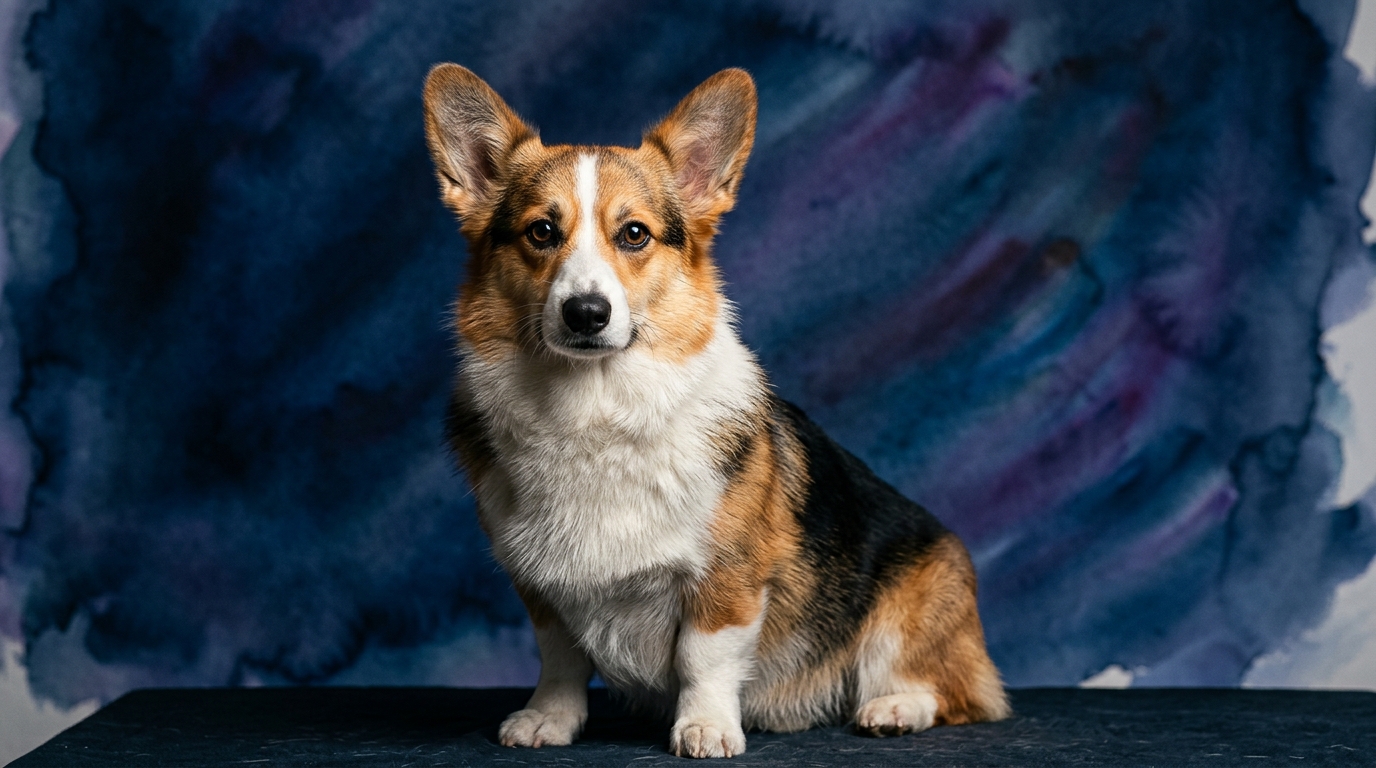
The Pembroke Welsh Corgi, a breed rooted deeply in herding sheep and cattle, exhibits a cognitive profile tailored for quick decision-making and responsiveness. Their problem Solving is rated 4/5, reflecting an aptitude for navigating complex environments and figuring out novel challenges efficiently. With a training Speed of 5/5, Corgis are eager and rapid learners, absorbing new commands and routines with remarkable alacrity. Their social Intelligence scores 4/5, indicating a keen ability to interpret human cues and adapt to family dynamics, often using their wits to get what they want. An instinctive Drive of 5/5 highlights their powerful herding impulses, which manifest as a strong desire to manage and direct, often applying this to family members or other pets. Finally, their memory is rated 4/5, ensuring they retain learned behaviors and routines effectively over time.
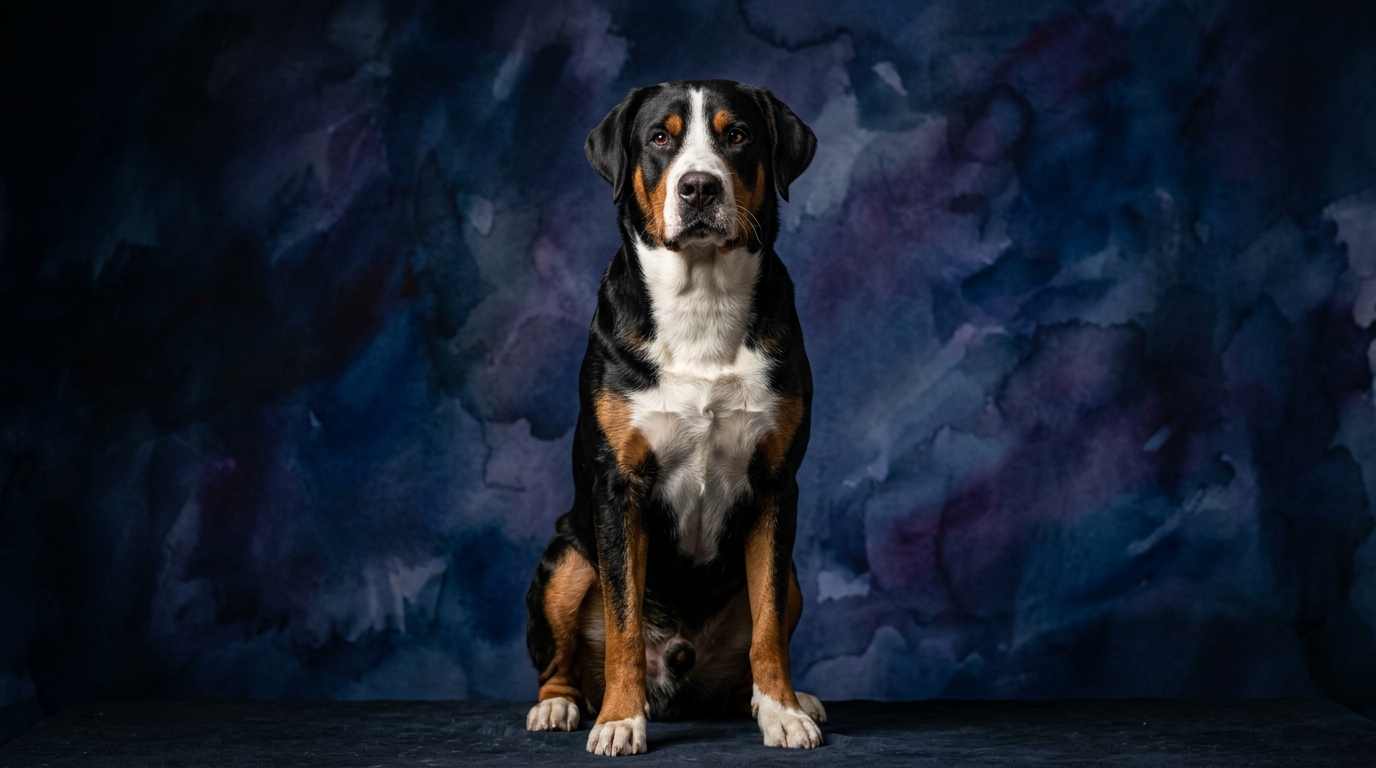
As a breed historically tasked with drafting, guarding, and droving, the Greater Swiss Mountain Dog presents a different cognitive blueprint, emphasizing steadfastness and reliability over lightning-fast reactions. Their problem Solving is rated 3/5; they are capable of tackling tasks, but may require more time and thoughtful consideration to arrive at a solution compared to their quicker counterparts. With a training Speed of 3/5, Swissys are steady learners, requiring consistent reinforcement and patience, but once a command is understood, it's typically well-ingrained. Their social Intelligence also scores 3/5, suggesting a loyal and affectionate nature within their family unit, though they may be more reserved or discerning with strangers, taking time to assess new social situations. An instinctive Drive of 3/5 points to their historical roles in guarding and drafting, providing a foundational motivation for purposeful work, yet it is generally less intense or constantly expressed than a Corgi's herding drive. Their memory is rated 3/5, indicating a solid capacity for retaining information and routines when training is consistent.
Where Pembroke Welsh Corgi wins cognitively
The Pembroke Welsh Corgi truly shines in areas demanding rapid cognitive processing and adaptability. Their 4/5 problem-solving score, combined with a 5/5 training speed, means they often master complex obedience sequences or agility courses with impressive swiftness, picking up multiple cues and executing them in quick succession. This breed excels at puzzle toys, quickly figuring out mechanisms to access treats, showcasing their ability to strategize and experiment. Their strong herding instinct (5/5 instinctive drive) translates into a natural inclination to organize their environment and respond proactively to changes, making them adept at anticipating and reacting to subtle shifts in their surroundings, whether it's a wandering toddler or an open gate. This cognitive agility allows them to thrive in environments where quick thinking and responsiveness are valued.
Where Greater Swiss Mountain Dog wins cognitively
While not as quick-witted as the Corgi, the Greater Swiss Mountain Dog's cognitive strengths lie in their deliberate, enduring approach to tasks and their steadfast nature. Their 3/5 problem-solving, though lower, often means they approach challenges with a methodical persistence, capable of sustained effort on a task like pulling a cart or patrolling a property without becoming easily distracted. Their social intelligence, rated 3/5, manifests as a profound loyalty and protective instinct towards their family, offering a discerning social awareness that prioritizes the well-being of their loved ones. This isn't about reading subtle human emotions for personal gain, but rather a deep-seated understanding of their role within the family unit and who belongs. Their instinctive drive (3/5), though not as high as a Corgi's, is channeled into reliable work ethic and a calm, confident presence, making them exceptional at tasks requiring strength, consistency, and a watchful eye rather than frenetic energy.
Which is easier to train and why
Without a doubt, the Pembroke Welsh Corgi generally proves easier and faster to train due to their superior scores in both training speed (5/5) and problem-solving (4/5). Corgis, originating from a background where quick responses to a shepherd's commands were crucial for managing livestock, are inherently wired to pick up new information rapidly and execute instructions with precision. This means they often grasp new commands in fewer repetitions and are more inclined to experiment with behaviors to achieve a desired outcome, like getting a treat. In contrast, the Greater Swiss Mountain Dog, with 3/5 scores in both training speed and problem-solving, requires a more patient and consistent approach. While perfectly trainable, Swissys tend to be more deliberate learners; they need clear, consistent cues and more repetitions to solidify a behavior. Their independent working dog heritage means they might not always see the immediate "point" of a command, requiring trainers to be engaging and persistent, rather than expecting instant compliance.
Which suits active owners vs relaxed owners
The choice between these breeds often boils down to an owner's lifestyle and energy levels. The Pembroke Welsh Corgi, with its 5/5 instinctive drive and high overall cognitive engagement, is an ideal fit for active owners who enjoy consistent interaction and mental stimulation. These dogs thrive on activities like agility, obedience trials, herding games, or even just regular, engaging walks that challenge their minds and bodies. Their cognitive profile demands an owner willing to provide outlets for their sharp intellect and strong desire to "manage" things. Conversely, the Greater Swiss Mountain Dog, while certainly needing regular exercise, is generally better suited for owners who might prefer a more relaxed pace once the dog matures. Their 3/5 instinctive drive means they are not constantly seeking a task to fulfill, and while they appreciate purposeful activity like hiking or carting, their energy tends to be more steady and less frenetic than a Corgi's. They are content with a comfortable home life, offering a calm, protective presence, making them suitable for owners who appreciate a strong, loyal companion without the constant need for high-intensity mental engagement.
The Verdict
Consider the Pembroke Welsh Corgi if you seek a quick-witted, highly trainable dog eager for mental challenges and consistent engagement, thriving in an active household that can channel its strong herding instincts.
Opt for the Greater Swiss Mountain Dog if you prefer a steadfast, loyal, and more deliberate companion, requiring patient, consistent training but offering a calm, protective presence and a strong, reliable work ethic for owners who appreciate a more relaxed, yet still active, lifestyle.
🧠 Find Your Pet's IQ Score
Our Pet IQ Lab assessment covers 25+ tests across 5 cognitive dimensions — personalized to your breed.
Take the Full IQ Test →Frequently Asked Questions
Does a lower Coren rank or unranked status mean a dog is less capable?
Not at all; Coren's ranking primarily assesses obedience and working intelligence, reflecting how quickly a dog learns and obeys commands. Breeds unranked or lower-ranked may possess different, equally valuable cognitive strengths, like independent problem-solving or specialized instinctive drives, that aren't captured by obedience-focused metrics.
Are Corgis prone to being "naughty" due to their intelligence?
Corgis are indeed intelligent and can be very clever, which means if their minds aren't adequately stimulated, they might invent their own "jobs" or problem-solve in ways owners don't appreciate, such as counter-surfing or herding children's ankles. Providing consistent training and mental enrichment is key to channeling their cognitive abilities constructively.
How can I best engage a Greater Swiss Mountain Dog's cognitive abilities?
Greater Swiss Mountain Dogs benefit from consistent, positive reinforcement training that emphasizes their natural strength and reliability, such as drafting (pulling carts), hiking, or even serving as a watchful companion. Engaging their problem-solving skills with durable puzzle toys or scent work at a steady pace can also provide satisfying mental stimulation.