Side-by-Side IQ Profile: Corgi vs. Chin
The Cosmic Pet Pet IQ Lab employs a comprehensive five-dimensional framework to assess canine intelligence, moving beyond simplistic notions to reveal a nuanced cognitive landscape for each breed. This allows us to dissect the distinct mental architectures of the Pembroke Welsh Corgi and the Japanese Chin, understanding their predispositions.
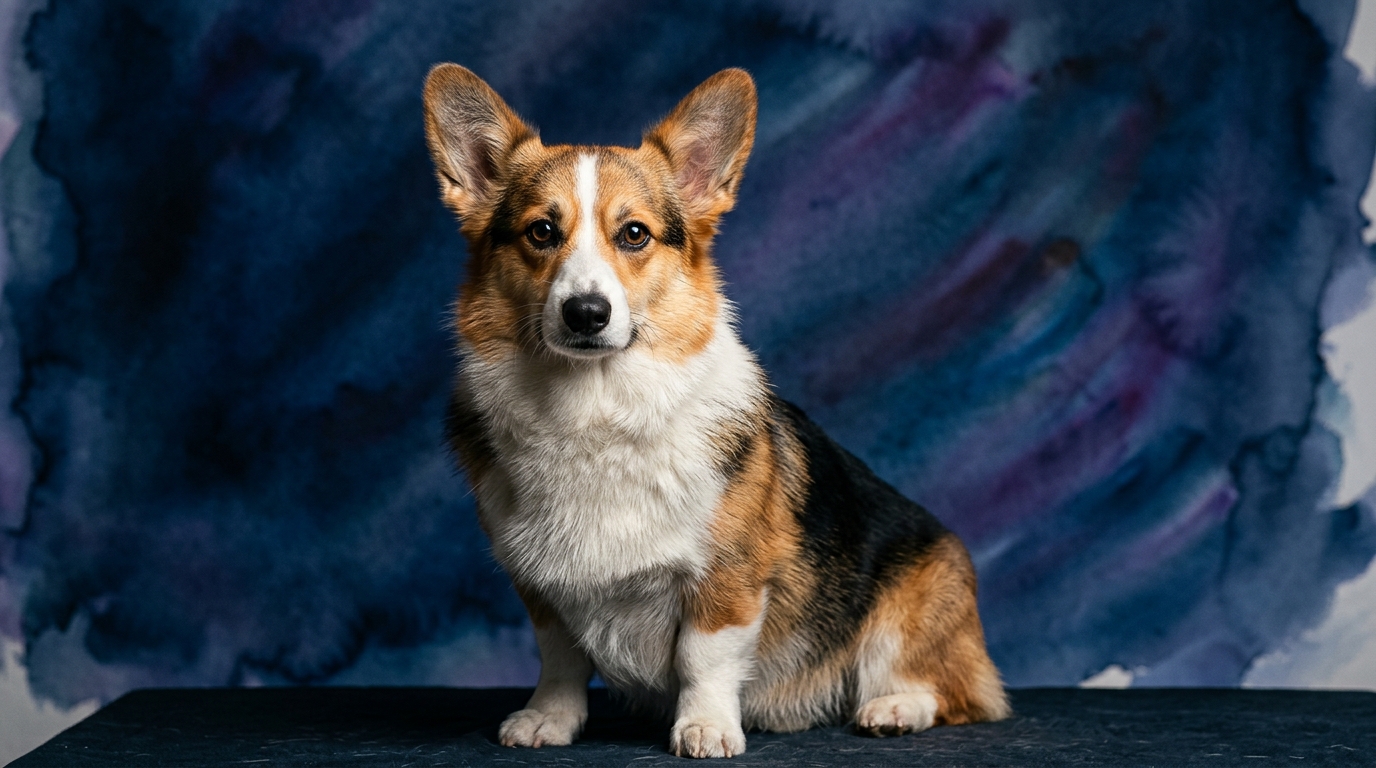
The Pembroke Welsh Corgi, a breed with a historical role in herding, demonstrates a robust cognitive profile. Its Problem Solving is rated 4/5, indicating a strong capacity to figure out complex tasks and adapt to new challenges, often leveraging its environment. Training Speed is exceptionally high at 5/5, reflecting its eagerness and ability to quickly grasp and execute new commands, a trait essential for working dogs. Social Intelligence stands at 4/5, suggesting a keen awareness of human cues and a desire for collaborative interaction. Instinctive Drive, pivotal for its original purpose, is a pronounced 5/5, meaning a powerful innate urge to herd, track, or engage in goal-oriented behaviors. Memory is also strong at 4/5, enabling it to retain learned behaviors and spatial information effectively over time. This overall profile places the Corgi at Coren rank #11, signifying a high degree of working intelligence.
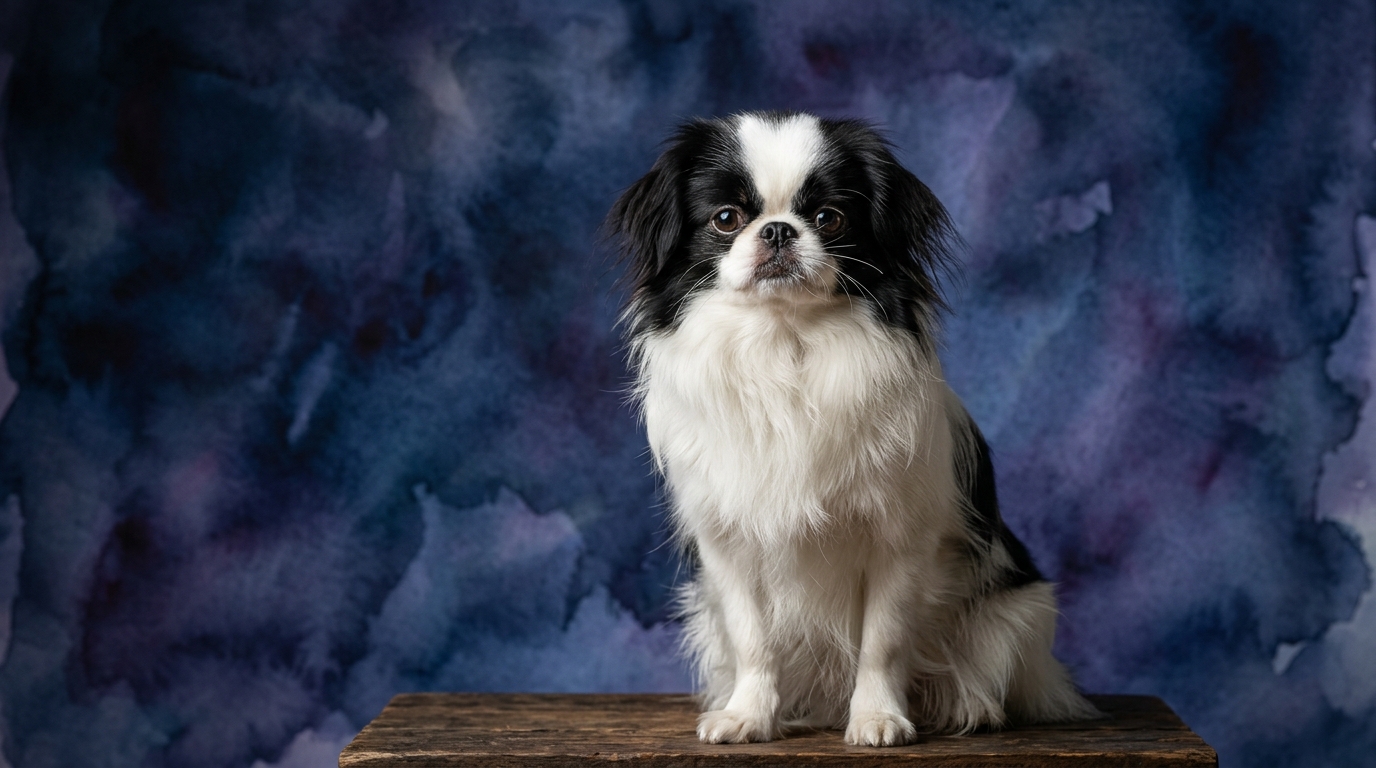
In contrast, the Japanese Chin, primarily bred for companionship, presents a more moderate, yet equally fitting, cognitive makeup for its role. Its Problem Solving is rated 3/5, indicating it can solve typical domestic challenges but might require more guidance for intricate puzzles. Training Speed is 3/5, meaning it learns at a steady pace, responding well to consistent, positive reinforcement. Social Intelligence is 3/5, suggesting it forms strong bonds and understands its owner's moods, though perhaps with less overt collaborative intent than a working breed. Instinctive Drive is 3/5, implying a moderate level of innate behaviors, generally not overwhelming or difficult to redirect in a home setting. Memory is also 3/5, allowing it to remember routines and basic commands without the extraordinary recall of a working dog. The Japanese Chin is not Coren-ranked, which is common for toy breeds whose primary function isn't complex work.
Where Pembroke Welsh Corgi Wins Cognitively
The Pembroke Welsh Corgi's cognitive strengths are deeply rooted in its herding heritage, manifesting in superior problem-solving and an intense drive. Its 4/5 Problem Solving score means it excels at navigating complex environments, often finding creative solutions to obstacles, whether it's figuring out how to open a gate or outsmarting livestock. This isn't just about raw processing power; it's about applying intelligence practically to achieve a goal. Their 5/5 Instinctive Drive fuels this, providing the motivation to persist until a task is completed, a trait that translates into a persistent and focused approach to learning and exploration in a home setting.
Furthermore, the Corgi's exceptional 5/5 Training Speed is a significant cognitive advantage. This isn't just about obedience; it reflects a mental agility and eagerness to engage with human instruction, absorbing new commands with remarkable rapidity. Coupled with a 4/5 Social Intelligence, they are adept at reading human body language and vocal cues, making them highly responsive partners in any activity. Their strong memory (4/5) ensures that once a lesson is learned, it is retained, allowing for the building of a vast repertoire of skills over time, far beyond basic commands.
Where Japanese Chin Wins Cognitively
While the Japanese Chin's cognitive scores are generally more moderate, these attributes represent a distinct advantage for its intended role as a sophisticated companion. Its 3/5 Instinctive Drive is a significant win for owners seeking a calm household, as it translates to a reduced propensity for intense chasing, herding, or guarding behaviors that can be demanding in a small living space. This lower drive means less internal pressure to 'work,' allowing it to relax and enjoy quiet companionship without constant stimulation.
The Chin's 3/5 Social Intelligence, while not as high as the Corgi's, is perfectly attuned to intimate human interaction. This breed excels at subtle communication and forming deep, intuitive bonds, often anticipating its owner's needs or moods without requiring complex commands. Their moderate 3/5 Problem Solving and Memory scores mean they are perfectly capable of navigating daily routines and learning household rules, but without the intense, sometimes demanding, curiosity of a working breed. This creates a more placid and predictable cognitive partner, one who is content with a gentle rhythm of life rather than constantly seeking mental challenges.
Which is Easier to Train and Why
When considering ease of training, the Pembroke Welsh Corgi clearly holds an advantage due to its exceptionally high Training Speed (5/5) and strong Problem Solving (4/5). Corgis possess an innate desire to work and please, a legacy of their herding ancestry, which makes them highly receptive to instruction. They quickly connect actions with consequences and are motivated by the opportunity to engage collaboratively with their owner. Their strong instinctive drive means they often channel this energy into learning tasks, viewing training as an engaging activity rather than a chore. This eagerness translates into faster acquisition of both basic obedience and more complex tricks or tasks, often requiring fewer repetitions.
The Japanese Chin, with a Training Speed of 3/5 and Problem Solving of 3/5, is certainly trainable, but typically requires a different approach and more patience. Chins are not inherently driven by the same work ethic as Corgis; they are more independent and can be selective about when they choose to engage. Their training success often hinges on making the process enjoyable and rewarding, using positive reinforcement methods that appeal to their companion-oriented nature. While they can learn a wide array of commands, the pace will generally be slower, and consistency is paramount. Owners might encounter moments of 'selective hearing' where the Chin's preference for comfort over compliance comes into play, a behavioral difference stemming from their less intense instinctive drive.
Which Suits Active Owners vs. Relaxed Owners
The distinct cognitive profiles of these two breeds make them ideally suited for different owner lifestyles. The Pembroke Welsh Corgi, with its 5/5 Instinctive Drive, 4/5 Problem Solving, and 4/5 Social Intelligence, thrives with active, engaging owners. These dogs require consistent mental stimulation and physical activity to prevent boredom and channel their considerable energy constructively. Owners who enjoy teaching new tricks, participating in dog sports like agility or obedience, or simply engaging in frequent, varied walks and interactive play sessions will find a Corgi to be a highly rewarding and enthusiastic partner. Their social intelligence means they genuinely enjoy collaborative activities and being an integral part of family outings and adventures.
Conversely, the Japanese Chin, with its more moderate 3/5 across all cognitive dimensions, is a superb match for relaxed owners who appreciate a calmer, less demanding companion. While Chins enjoy walks and playtime, their need for intense physical exertion or constant mental challenges is significantly lower than that of a Corgi. Their moderate instinctive drive means they are typically content with quiet companionship, cuddling on the couch, and gentle interaction. Owners seeking a sophisticated lap dog who is attuned to their moods and requires less structured activity will find the Chin's temperament and cognitive makeup perfectly align with a tranquil home environment and a more leisurely pace of life.
The Verdict
Choose the Pembroke Welsh Corgi if you are an active owner seeking a highly trainable, intelligent, and driven companion eager for mental challenges and collaborative activities. Its strong working instincts and problem-solving abilities thrive with consistent engagement and purposeful interaction.
Opt for the Japanese Chin if you prefer a serene, affectionate companion who excels in a relaxed home environment and requires less intense physical or mental stimulation. Its moderate drives and gentle social intelligence make it an ideal choice for quiet companionship and subtle interaction.
🧠 Find Your Pet's IQ Score
Our Pet IQ Lab assessment covers 25+ tests across 5 cognitive dimensions — personalized to your breed.
Take the Full IQ Test →Frequently Asked Questions
Do Pembroke Welsh Corgis require a lot of exercise?
Yes, Corgis possess a high instinctive drive (5/5) and are energetic, requiring regular physical activity and mental stimulation. Daily walks, playtime, and engaging tasks are essential to keep them content and prevent boredom-related behaviors.
Are Japanese Chins difficult to train due to lower scores?
Not necessarily difficult, but their training requires patience and positive reinforcement, as their training speed is 3/5. They are not as inherently driven to work as Corgis, so making training fun and rewarding is key to their success.
Which breed is better for apartment living?
The Japanese Chin, with its moderate instinctive drive and lower exercise needs, is generally better suited for apartment living, provided it gets regular, albeit moderate, walks. Corgis can adapt to apartments but require a more dedicated owner to meet their higher activity and mental stimulation requirements.