Side-by-Side Cognitive Profiles
The Cosmic Pet Pet IQ Lab employs a multi-dimensional framework to evaluate canine cognition, moving beyond single-score rankings to appreciate the nuances of a breed's mental aptitude. For the Pembroke Welsh Corgi, a breed recognized for its working obedience, and the Norwegian Buhund, a less universally ranked but equally capable herding dog, this detailed assessment offers a clearer picture of their respective cognitive toolkits.
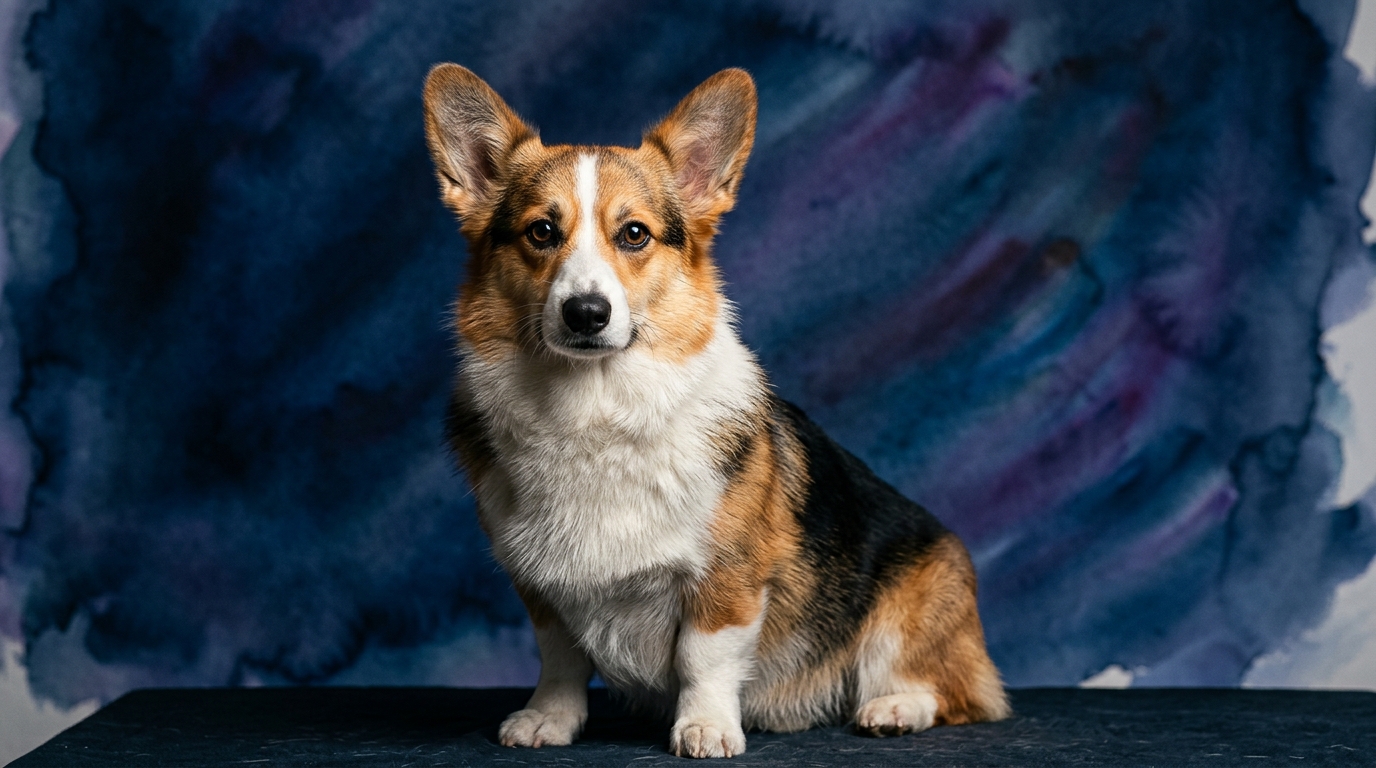
The Pembroke Welsh Corgi, holding a Coren rank of #11, demonstrates a cognitive profile geared towards rapid learning and cooperative work. Their Problem Solving is rated 4/5, indicating an adeptness at navigating novel challenges and strategizing. Training Speed stands at an impressive 5/5, reflecting their eagerness and efficiency in acquiring new behaviors. Social Intelligence is 4/5, showcasing a strong capacity for understanding human cues and forming communicative bonds. Their Instinctive Drive is a powerful 5/5, underpinning their persistent herding behaviors and task focus. Finally, Memory is 4/5, meaning they retain learned commands and experiences reliably.
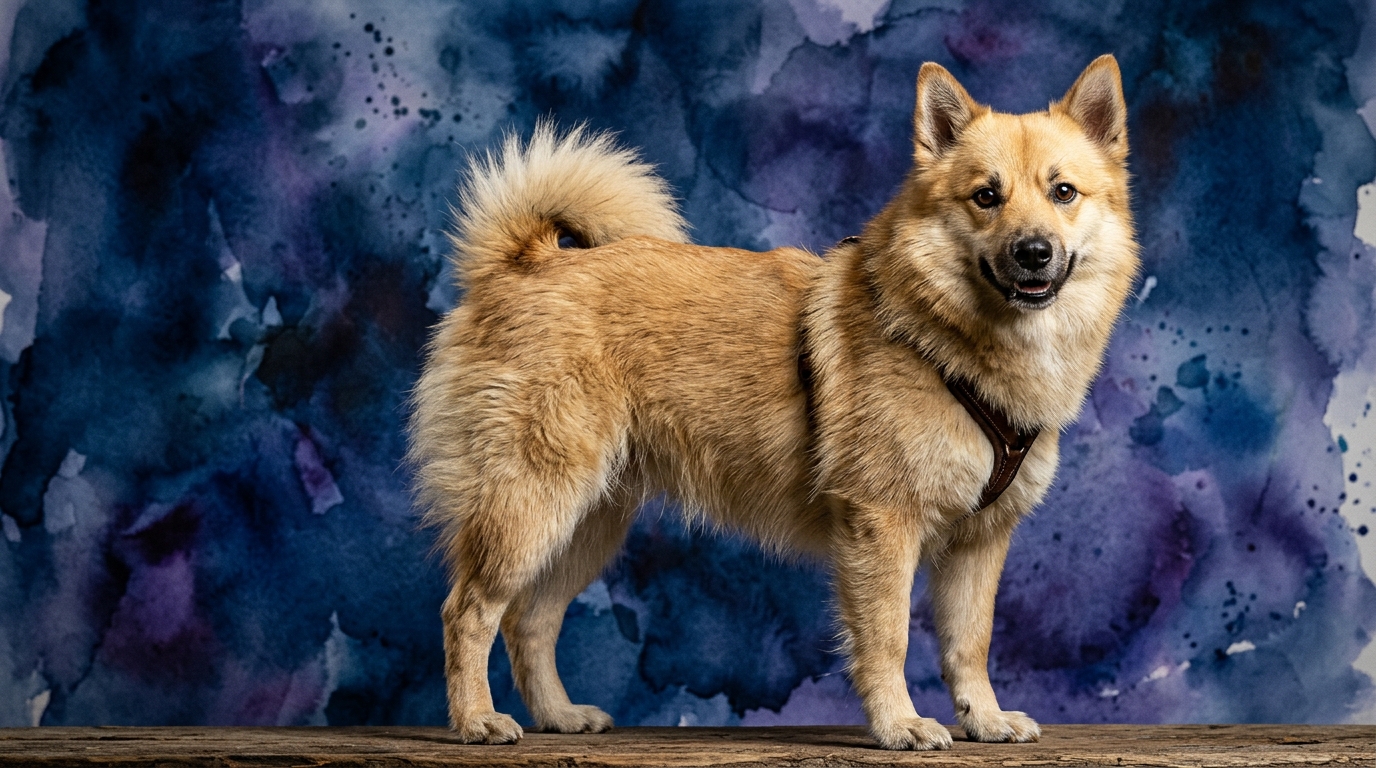
In contrast, the Norwegian Buhund, while not appearing on Coren's standardized list, presents a balanced and sturdy cognitive makeup. Their Problem Solving is rated 3/5, suggesting a practical approach to challenges, capable of finding solutions though perhaps not with the same innovative speed as the Corgi. Training Speed is 3/5, indicating they learn at a steady, deliberate pace, requiring consistent methods. Social Intelligence also scores 3/5, highlighting their friendly nature and ability to bond, though they might exhibit more independence. Their Instinctive Drive is 3/5, present but potentially less intense or singularly focused than the Corgi's herding impulse. Memory is also 3/5, meaning they retain information but may benefit from periodic refreshers for less frequently practiced skills.
Where the Pembroke Welsh Corgi Excels Cognitively
The Pembroke Welsh Corgi's cognitive profile reveals several areas of distinct advantage. Their Training Speed of 5/5 is a significant differentiator, allowing them to grasp new commands and routines with remarkable swiftness. This efficiency stems from a combination of their eagerness to please and an inherent aptitude for understanding human instruction, making them exceptionally responsive to structured learning environments.
Furthermore, the Corgi's Problem Solving at 4/5, coupled with their high Social Intelligence (4/5), enables them to not only figure out complex tasks but also to do so in collaboration with their human companions. They are adept at interpreting subtle cues, adapting their behavior, and even anticipating expectations. This collaborative problem-solving is a hallmark of their Coren #11 ranking, demonstrating a breed that thrives on mental engagement and partnership. Their powerful Instinctive Drive (5/5) means they approach tasks with intense focus and persistence, translating into a dog that is not easily deterred once a goal is set, whether it's herding livestock or mastering an agility course.
Unique Cognitive Strengths of the Norwegian Buhund
While the Norwegian Buhund's scores are consistently moderate, this does not imply a lack of cognitive ability; rather, it points to a different emphasis in their mental makeup. Their balanced 3/5 ratings across all dimensions – Problem Solving, Training Speed, Social Intelligence, Instinctive Drive, and Memory – suggest a robust, self-reliant, and practical intelligence.
The Buhund's moderate instinctive drive (3/5) can be a distinct advantage for owners seeking a herding breed without the intense, often demanding, focus on 'work' that breeds with 5/5 drive might exhibit. This allows them to integrate more readily into a family pet role, while still possessing the mental and physical resilience for varied activities. Their balanced cognitive profile suggests a dog that is sturdy in thought and action, capable of independent judgment, and less prone to over-reliance on constant human direction, making them adaptable companions in diverse settings. They offer a grounded and dependable presence, processing information steadily and applying learned skills reliably over time.
Ease of Training: Corgi vs. Buhund
When considering ease of training, the Pembroke Welsh Corgi generally presents a more straightforward experience for most owners. Their exceptional Training Speed (5/5) means they pick up new commands and routines very quickly, often requiring fewer repetitions than many other breeds. This is amplified by their high Social Intelligence (4/5), which makes them highly attuned to their handler's intentions and eager to comply. For instance, a Corgi is likely to master 'sit' and 'stay' in a handful of short sessions, driven by their desire to engage and please their human.
The Norwegian Buhund, with a Training Speed of 3/5, requires a more patient and consistent approach. While certainly capable of learning, they tend to process information at a more deliberate pace and may exhibit a streak of independence, characteristic of their more self-reliant cognitive profile. A Buhund might take longer to generalize commands to new environments, requiring more diverse training scenarios and consistent positive reinforcement. Their 3/5 Social Intelligence means they bond well, but might not always be as driven by human approval as the Corgi, sometimes needing more convincing through high-value rewards or engaging play to maintain focus during training sessions. Owners must be prepared for a steady, rather than rapid, progression.
Suitability for Active vs. Relaxed Owners
Both breeds originated as working herding dogs, meaning neither is truly suited for a 'relaxed' owner who prefers minimal activity. However, their cognitive profiles suggest different types of 'active' engagement. The Pembroke Welsh Corgi, with its 5/5 Instinctive Drive and 4/5 Problem Solving, thrives with owners who can provide consistent mental and physical challenges. They excel in dog sports like agility, obedience, and herding trials, benefiting from structured training and puzzle toys that engage their quick minds. An active owner for a Corgi is one who enjoys teaching new tricks, participating in competitive events, and maintaining a predictable routine that channels their energy and cognitive agility.
The Norwegian Buhund, possessing a balanced 3/5 in Instinctive Drive and Problem Solving, also requires an active lifestyle but might flourish with a different kind of owner. They enjoy varied outdoor activities, such as hiking, long walks, and exploring new environments, utilizing their robust physique and practical intelligence. While they can participate in dog sports, their enjoyment might stem more from the physical exertion and companionship than from the intricate problem-solving demands. An active owner for a Buhund is someone who appreciates a sturdy, resilient companion for adventures, values their independent spirit, and is prepared to provide consistent physical outlets and engaging family time without necessarily pursuing advanced competitive dog sports.
The Verdict: When to Choose Each Breed
The Verdict
Choose the Pembroke Welsh Corgi if you seek a highly trainable, quick-witted companion eager for advanced obedience, dog sports, and intricate mental engagement, thriving on a consistent, interactive routine.
Opt for the Norwegian Buhund if you appreciate a robust, independent, and versatile companion for outdoor adventures, valuing a steady learner with a balanced drive who forms strong family bonds but retains a self-reliant spirit.
🧠 Find Your Pet's IQ Score
Our Pet IQ Lab assessment covers 25+ tests across 5 cognitive dimensions — personalized to your breed.
Take the Full IQ Test →Frequently Asked Questions
Are Pembroke Welsh Corgis prone to specific behavioral issues related to their high intelligence?
Corgis' 5/5 instinctive drive and 4/5 problem-solving can lead to nipping at heels (herding instinct) or clever manipulation if not properly channeled. Their cognitive agility requires consistent mental stimulation to prevent boredom and destructive behaviors, ensuring their considerable intellect is used constructively.
How does the Norwegian Buhund's independence (implied by 3/5 social intelligence) affect their suitability as a family pet?
The Buhund's 3/5 social intelligence means they are friendly and bond well, but may not be as 'velcro' as some breeds, appreciating their own space. This independence makes them resilient and capable, but requires families to be patient with training and respect their self-reliant nature, ensuring consistent positive reinforcement.
Can a Norwegian Buhund participate in dog sports, despite not being Coren-ranked for working obedience?
Absolutely. While not Coren-ranked and having 3/5 training speed, Norwegian Buhunds are robust and capable. They can excel in sports like agility, obedience, and rally with consistent, patient training, often enjoying the physical and mental engagement, even if they don't learn at the rapid pace of a Corgi.