Side-by-Side Cognitive Profiles
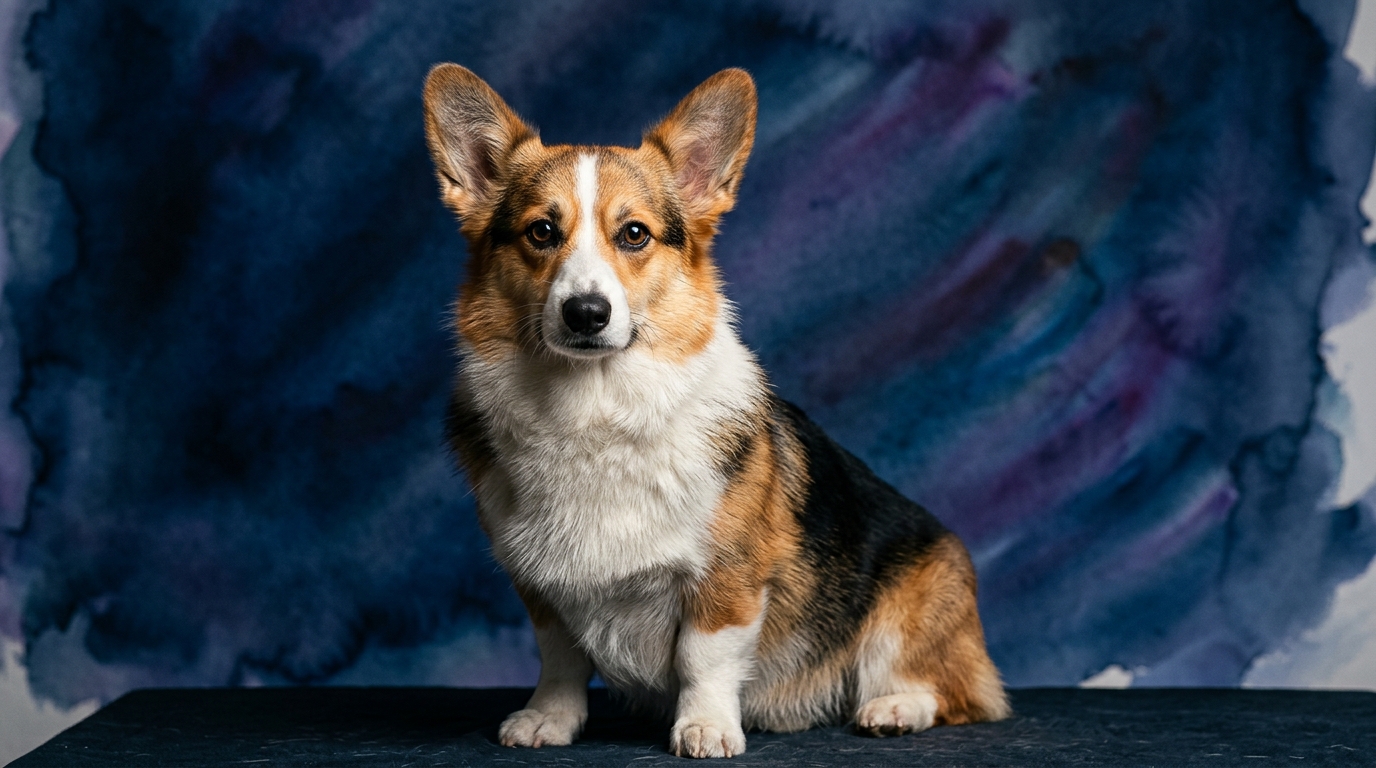
The Pembroke Welsh Corgi, a breed with a Coren rank of #11, demonstrates a robust cognitive toolkit tailored for its herding origins. Its problem-solving ability scores 4/5, indicating a strong capacity to strategize and adapt to new challenges, often involving spatial reasoning or manipulating objects to achieve a goal. Training speed is exceptionally high at 5/5, reflecting their eagerness to learn and retain commands quickly. Social intelligence, rated 4/5, suggests a keen awareness of human cues and emotional states, making them highly responsive companions. Their instinctive drive, also 5/5, is powerfully geared towards their herding heritage, manifesting as a desire to gather and direct. Finally, a memory score of 4/5 ensures they reliably recall learned behaviors and routines.
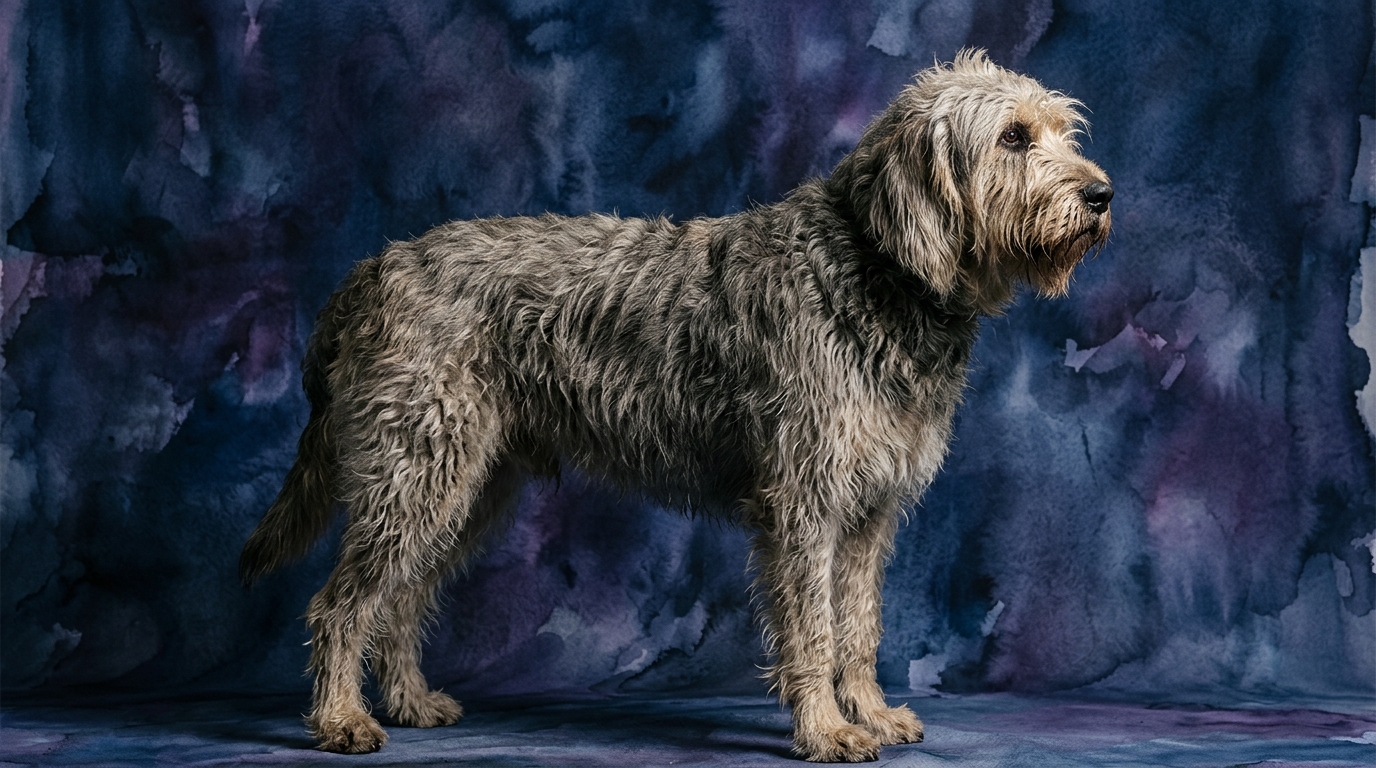
In contrast, the Otterhound, a non-Coren-ranked breed, presents a different cognitive landscape shaped by its history as a scent-hunting specialist. Their problem-solving score of 3/5 suggests a more focused, persistent approach to challenges, often relying on their primary sensory input rather than quick abstract thought. Training speed is 3/5, indicating they can learn, but typically require more repetition and motivation than their herding counterparts. Social intelligence also stands at 3/5, meaning they are affable but tend towards a more independent demeanor, less overtly seeking human direction in complex situations. Their instinctive drive, rated 3/5, is predominantly focused on scent tracking and endurance, driving them to pursue a trail with unwavering focus. Memory, at 3/5, allows them to retain essential information for their tasks, albeit perhaps with less immediate recall for arbitrary commands compared to the Corgi.
Where Pembroke Welsh Corgi Wins Cognitively
The Pembroke Welsh Corgi distinctly outshines the Otterhound in areas requiring rapid learning, complex problem-solving, and nuanced social interaction. Their 5/5 training speed is a significant advantage, allowing them to master a wide array of commands and tricks with fewer repetitions. This quick assimilation of information stems from their herding background, where swift responses to handler cues were crucial for managing livestock. Their 4/5 problem-solving capability means they are adept at figuring out puzzles, navigating novel environments, and even outsmarting their owners in playful ways, such as finding creative methods to access forbidden treats. This isn't just about speed; it's about a flexible, adaptive mental approach. Furthermore, their 4/5 social intelligence makes them highly attuned to human emotions and intentions, enabling them to integrate seamlessly into family dynamics and anticipate needs, a trait less pronounced in the more independent Otterhound. A Corgi's memory (4/5) also ensures that once a lesson is learned, it tends to stick, making them reliable in their learned behaviors and routines.
Where Otterhound Wins Cognitively
While the Otterhound's cognitive profile may appear less agile in traditional obedience metrics, their strengths lie in a different, equally formidable set of skills. Their instinctive drive, though rated 3/5, is profoundly specialized for sustained scent work, a domain where their problem-solving (3/5) becomes a relentless, methodical pursuit rather than quick, abstract reasoning. An Otterhound excels at following a complex scent trail over long distances and varied terrain, a 'problem' that requires immense focus and olfactory discrimination rather than rapid decision-making from a human handler. Their stamina and singular dedication to a scent are unparalleled, a cognitive 'win' for tasks requiring deep, persistent concentration on a specific sensory input. This persistent nature, combined with their moderate memory (3/5), means they will remember and revisit promising scent areas. Their social intelligence (3/5), while lower, reflects an independent working style, meaning they are less prone to distraction by environmental stimuli or the need for constant human validation when engrossed in a task, allowing them to work autonomously for extended periods.
Which Is Easier to Train and Why
Based on their respective Pet IQ Lab scores, the Pembroke Welsh Corgi is demonstrably easier to train than the Otterhound. The Corgi's training speed of 5/5 means they grasp new commands and concepts with remarkable swiftness, often requiring only a few repetitions to solidify a behavior. Their high problem-solving (4/5) allows them to understand the 'why' behind a command more readily, making them less prone to rote learning and more capable of applying lessons in varied contexts. Real behavioral differences include a Corgi's inherent desire to work cooperatively with humans, a trait honed by centuries of herding where precise responses to handler signals were paramount. They are generally more motivated by praise and food rewards, eager to please their human companions.
The Otterhound, with a training speed of 3/5 and problem-solving of 3/5, demands more patience and consistency. Their independent nature, stemming from their hunting heritage, means they are less inherently inclined to look to humans for constant direction. Training an Otterhound often requires finding motivators strongly linked to their natural instincts, such as scent games or opportunities to explore, to capture their attention. While capable of learning, they may take longer to generalize commands and might offer a more 'what's in it for me?' attitude. Their focus can be easily diverted by interesting smells, requiring a trainer to be particularly engaging and persistent to maintain their attention over time.
Which Suits Active Owners vs. Relaxed Owners
The Pembroke Welsh Corgi, with its high instinctive drive (5/5) and problem-solving (4/5), is an excellent match for active owners who enjoy engaging their dog in various activities beyond just physical exercise. These are dogs that thrive on mental stimulation, whether it's learning new tricks, participating in dog sports like agility or obedience, or even 'herding' family members. Their social intelligence (4/5) means they enjoy being part of family activities and require consistent interaction. An active owner for a Corgi isn't just about long walks, but about providing a job or a purpose that taps into their sharp minds and strong herding instincts. They enjoy structured play and learning sessions.
The Otterhound, possessing a significant instinctive drive (3/5) primarily focused on scent, combined with a more moderate problem-solving (3/5) and social intelligence (3/5), suits owners who appreciate a dog with endurance and a love for exploration. While not as demanding of constant mental 'puzzles' as a Corgi, an Otterhound requires substantial physical activity, particularly long, rambling walks where they can engage their powerful nose. These are not dogs for highly structured, fast-paced activities but rather for owners who are relaxed about the pace of a walk, allowing their dog to follow scents at leisure. Their independence means they are less 'velcro' than a Corgi, fitting owners who appreciate a companion happy to explore their world with less direct human intervention, though still requiring affection and inclusion.
The Verdict
Choose the Pembroke Welsh Corgi if you desire a highly trainable, socially astute companion eager for mental challenges and quick to learn new tasks, thriving on close interaction and varied activities. Their sharp mind and responsive nature make them ideal for owners seeking an engaged, versatile partner.
Opt for the Otterhound if you value a persistent, independent companion with an exceptional nose and a love for long, exploratory rambles, appreciating their methodical approach to the world and requiring less constant direction in their pursuits.
🧠 Find Your Pet's IQ Score
Our Pet IQ Lab assessment covers 25+ tests across 5 cognitive dimensions — personalized to your breed.
Take the Full IQ Test →Frequently Asked Questions
Are Pembroke Welsh Corgis good family dogs?
Yes, Corgis typically make excellent family dogs due to their high social intelligence (4/5) and adaptable nature. They form strong bonds with family members and are generally good with children, though their herding instinct may occasionally lead them to 'nip' at heels in play.
Do Otterhounds need a lot of exercise?
Otterhounds do require substantial exercise, particularly opportunities for long walks or hikes where they can engage their powerful sense of smell. Their instinctive drive (3/5) is geared towards endurance and scent tracking, meaning they benefit greatly from activities that allow them to explore and follow trails.
Can Otterhounds be trained for advanced obedience?
While Otterhounds can be trained, their training speed (3/5) and more independent problem-solving (3/5) mean they typically require more patience, consistency, and creative motivation than breeds like the Corgi. They may excel in scent work or tracking sports, which align with their natural drives, more readily than traditional advanced obedience.