Side-by-Side IQ Profile: Herding Instinct vs. Scenting Prowess
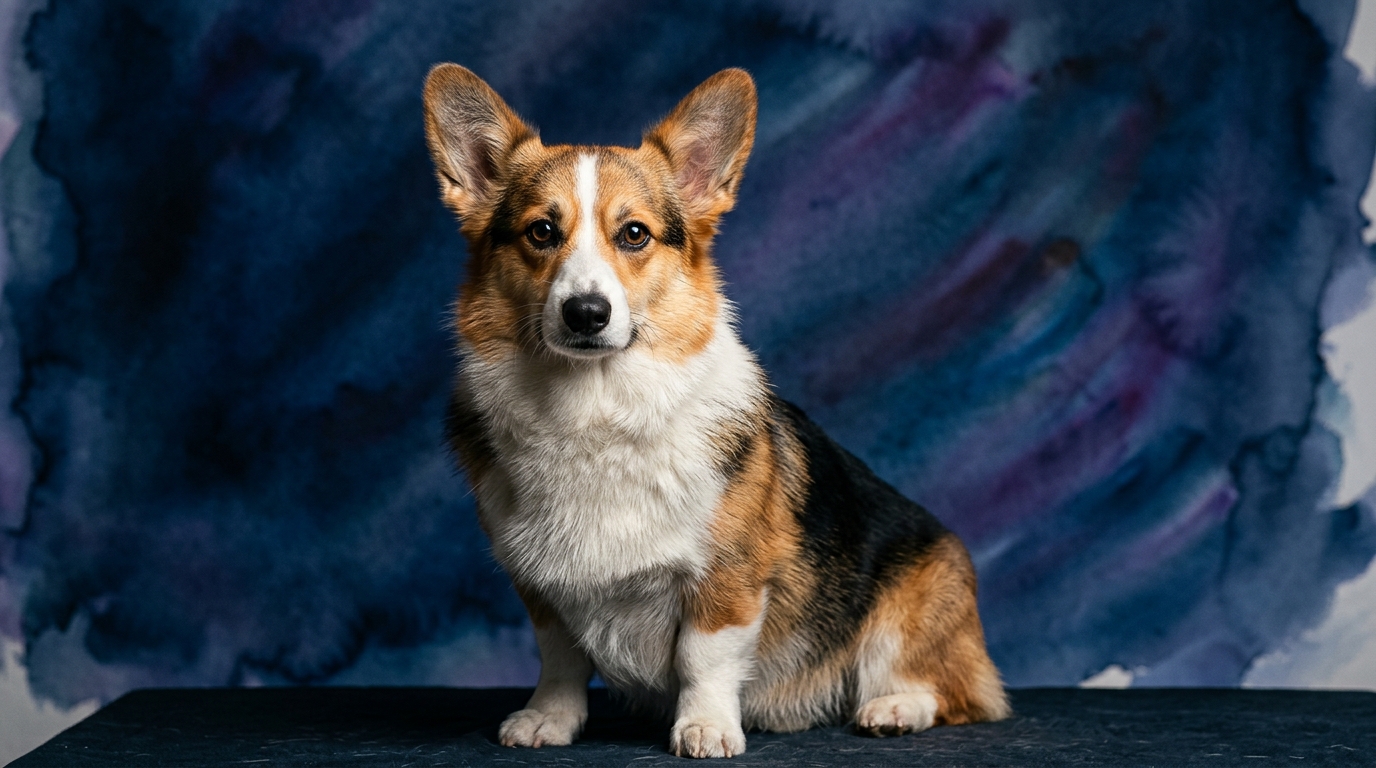
The Cosmic Pet Pet IQ Lab employs a five-dimensional framework to assess canine intelligence, providing a nuanced perspective beyond simple obedience. For the Pembroke Welsh Corgi, a breed with a Coren rank of #11, their scores reflect a highly engaged and adaptable mind: Problem Solving 4/5, Training Speed 5/5, Social Intelligence 4/5, Instinctive Drive 5/5, and Memory 4/5.
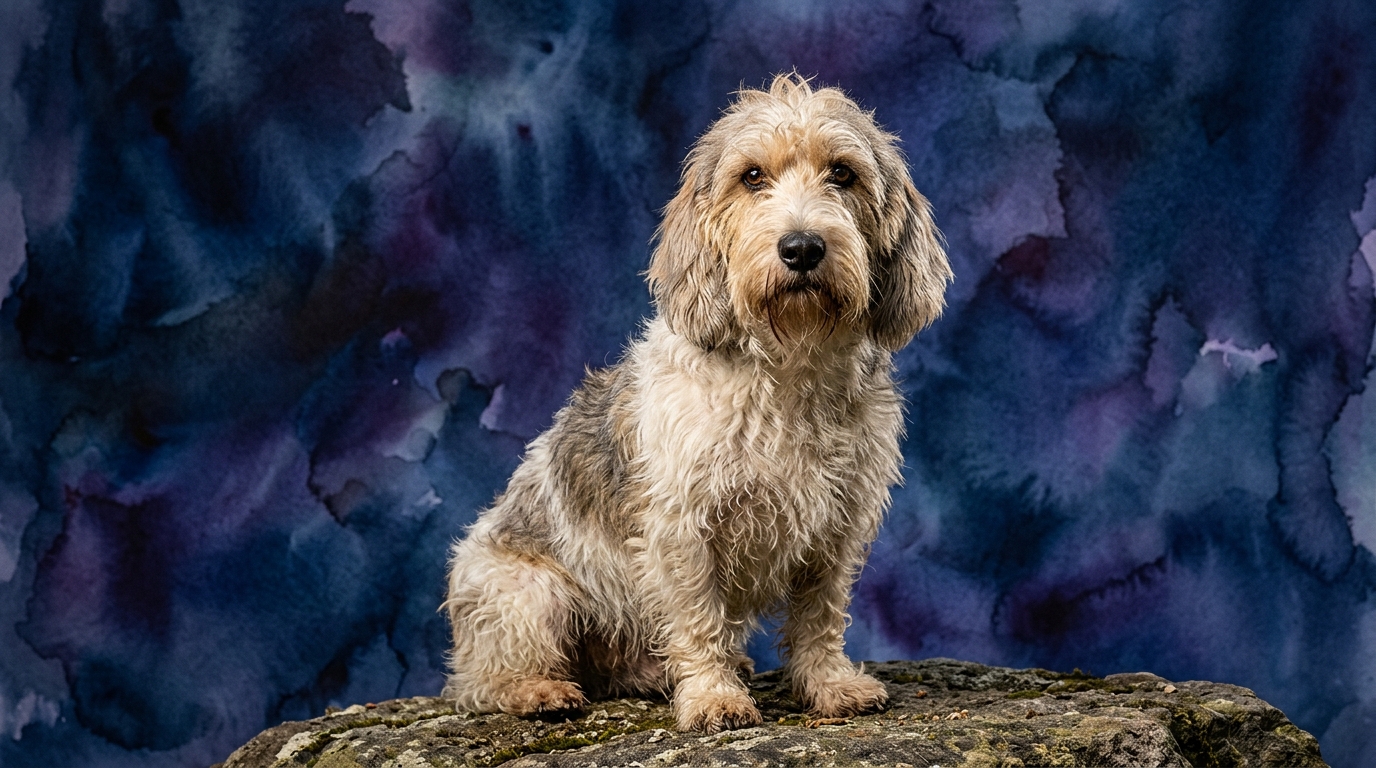
In contrast, the Petit Basset Griffon Vendéen (PBGV), a scent hound not listed in Coren's rankings, exhibits a different cognitive blueprint, reflecting its specialized role: Problem Solving 3/5, Training Speed 3/5, Social Intelligence 3/5, Instinctive Drive 3/5, and Memory 3/5. These scores are not indicative of a deficiency, but rather a prioritization of different cognitive functions essential to their purpose.
The Corgi's profile paints a picture of a dog adept at understanding complex instructions and applying them to dynamic situations, a legacy of their cattle-driving heritage. Their high Training Speed indicates a responsiveness and eagerness to learn human-directed tasks, while robust Social Intelligence supports strong cooperative bonds. A powerful Instinctive Drive points to an inherent motivation to perform work, and solid Memory ensures retention of learned behaviors and routines.
Conversely, the PBGV's scores suggest an independent thinker, whose problem-solving is often directed by sensory input rather than abstract human puzzles. Their moderate Training Speed reflects a focus that can be easily diverted by compelling scents, while Social Intelligence, though present, is less geared towards constant human-centric collaboration. The Instinctive Drive of a PBGV is profoundly tied to their nose, driving them to pursue trails with unwavering persistence, and their Memory excels in recalling the nuances of a scent path rather than a sequence of commands.
Where the Pembroke Welsh Corgi Excels Cognitively
The Pembroke Welsh Corgi's cognitive strengths are rooted in their historical role as a herding dog, demanding quick thinking, strategic problem-solving, and a strong partnership with humans. Their Problem Solving score of 4/5 highlights an impressive capacity for logical deduction and adapting to novel situations, such as navigating a flock through an obstacle or understanding multi-step commands.
A standout trait for the Corgi is their Training Speed, rated at 5/5. This indicates an exceptional ability to grasp and execute new commands rapidly, often requiring fewer repetitions than many other breeds. This speed is complemented by their 4/5 Social Intelligence, which allows them to keenly observe and interpret human cues, fostering a highly communicative and responsive working relationship.
Their Instinctive Drive of 5/5 means Corgis possess a deep-seated motivation to engage in purposeful activities. This drive, combined with their strong Memory (4/5), enables them to master and retain complex sequences of behaviors, making them proficient in dog sports like agility, obedience, and even advanced trick training where precise recall and execution are paramount. They thrive on mental challenges that leverage their collaborative nature and innate desire to manage or organize.
Where the Petit Basset Griffon Vendéen Excels Cognitively
The Petit Basset Griffon Vendéen's cognitive prowess lies in their specialized sensory intelligence, honed over centuries for tracking game through dense undergrowth. While their Problem Solving score of 3/5 might suggest less interest in abstract puzzles, it belies a profound ability to solve complex environmental problems using their nose, interpreting intricate scent patterns to locate a target.
The PBGV's Instinctive Drive, rated at 3/5, is almost exclusively channeled into their primary passion: scent work. This isn't a lack of drive, but rather a highly focused one, making them tireless and persistent in following a trail. Their Memory (3/5) is particularly strong in recalling specific scent profiles and the paths they've taken, allowing them to retrace steps or pick up a cold trail with remarkable accuracy.
Their Social Intelligence, also 3/5, is expressed through their generally gregarious nature with both humans and other dogs, but it is less about anticipating human commands and more about enjoying companionship on their own terms. PBGVs exhibit a form of independent problem-solving when on a scent, making their own decisions about the best route or how to overcome an obstacle, rather than waiting for human direction. This self-reliance is a unique cognitive strength, allowing them to operate effectively in challenging, unsupervised hunting environments.
Training Dynamics: Corgi vs. PBGV
When considering trainability, the differences between these two breeds become particularly apparent. The Pembroke Welsh Corgi, with its 5/5 Training Speed and 4/5 Social Intelligence, is generally a more straightforward and rewarding partner for traditional obedience training. Their inherent desire to please and work collaboratively with their human handler means they pick up commands quickly and reliably.
Corgis respond well to positive reinforcement and thrive on consistent, engaging training sessions that challenge their agile minds. Their strong Instinctive Drive (5/5) means they are motivated to have a job, and channeling this drive into structured training, rather than undirected herding behaviors, is highly effective. They are often enthusiastic participants in dog sports, eager to learn new routines and execute them precisely.
The Petit Basset Griffon Vendéen, with scores of 3/5 across Problem Solving, Training Speed, and Social Intelligence, presents a different training landscape. Their independent nature and overwhelming focus on scent often mean that traditional obedience commands compete directly with the allure of a captivating odor. Training a PBGV requires immense patience, consistency, and a deep understanding of their primary motivator.
While PBGVs are perfectly capable of learning, their Training Speed is moderate, and their attention can be fleeting if a more interesting scent presents itself. Effective training often involves integrating their love of scent, perhaps using scent games or engaging them in activities like tracking, which aligns with their natural cognitive strengths. Their moderate Social Intelligence means they are friendly, but less inclined to view human commands as the absolute priority when their nose is engaged, requiring handlers to be creative and highly motivating to maintain focus.
Suiting Lifestyles: Active Engagement vs. Relaxed Exploration
For owners seeking an active, mentally engaged canine partner, the Pembroke Welsh Corgi is an excellent match. Their high Instinctive Drive and Problem Solving ability mean they require consistent mental stimulation and physical activity. Owners who enjoy teaching new tricks, participating in dog sports like agility or rally obedience, or providing structured 'jobs' around the house will find a Corgi thrives in such an environment.
Corgis are not content to be couch potatoes; their herding background demands an outlet for their energy and strategic thinking. They benefit from owners who can provide consistent training, offer varied enrichment activities, and enjoy a collaborative relationship where the dog is a true partner in daily endeavors. Their robust social intelligence makes them keen family members who enjoy being at the center of household activities.
Conversely, the Petit Basset Griffon Vendéen is better suited for owners who appreciate a dog's independent spirit and are content with a more relaxed approach to structured activities, prioritizing exploration over precision. While PBGVs are active and require regular exercise, their cognitive fulfillment comes more from following their nose on long, meandering walks than from mastering complex obedience routines.
Owners who enjoy leisurely strolls through varied terrain, allowing their dog to investigate every interesting scent, will find a PBGV to be a delightful companion. They are generally amiable and enjoy companionship, but their independence means they are less likely to constantly seek human direction. A relaxed owner who understands and respects a hound's distinct drives will find the PBGV's charming antics and unwavering scenting ability a unique joy.
The Verdict
Choose a Pembroke Welsh Corgi if you desire a highly engaged, collaborative canine partner eager for complex learning, structured activities, and a strong working bond. Their quick grasp of commands and desire for purposeful tasks make them ideal for active, mentally stimulating households.
Opt for a Petit Basset Griffon Vendéen if you appreciate an independent, scent-driven companion whose joy is found in exploration and tracking, and you are prepared for a less conventional, more patient training journey. They thrive with owners who value their unique sensory prowess and enjoy leisurely, scent-rich outings.
🧠 Find Your Pet's IQ Score
Our Pet IQ Lab assessment covers 25+ tests across 5 cognitive dimensions — personalized to your breed.
Take the Full IQ Test →Frequently Asked Questions
Do Corgis shed a lot?
Yes, Pembroke Welsh Corgis have a double coat and are known for shedding considerably, especially during seasonal changes. Regular brushing is essential to manage their coat and minimize loose hair around the home.
Are PBGVs good with children?
Petit Basset Griffon Vendéens are generally known for their friendly and outgoing nature, often making them good companions for children. However, like all breeds, proper socialization from a young age and supervision with very young children are always recommended to ensure positive interactions.
What kind of exercise do Corgis need?
Corgis require moderate but consistent exercise, including daily walks, play sessions, and mental enrichment to satisfy their herding drive. Activities like agility, obedience, or puzzle toys are excellent for keeping their intelligent minds engaged and preventing boredom.