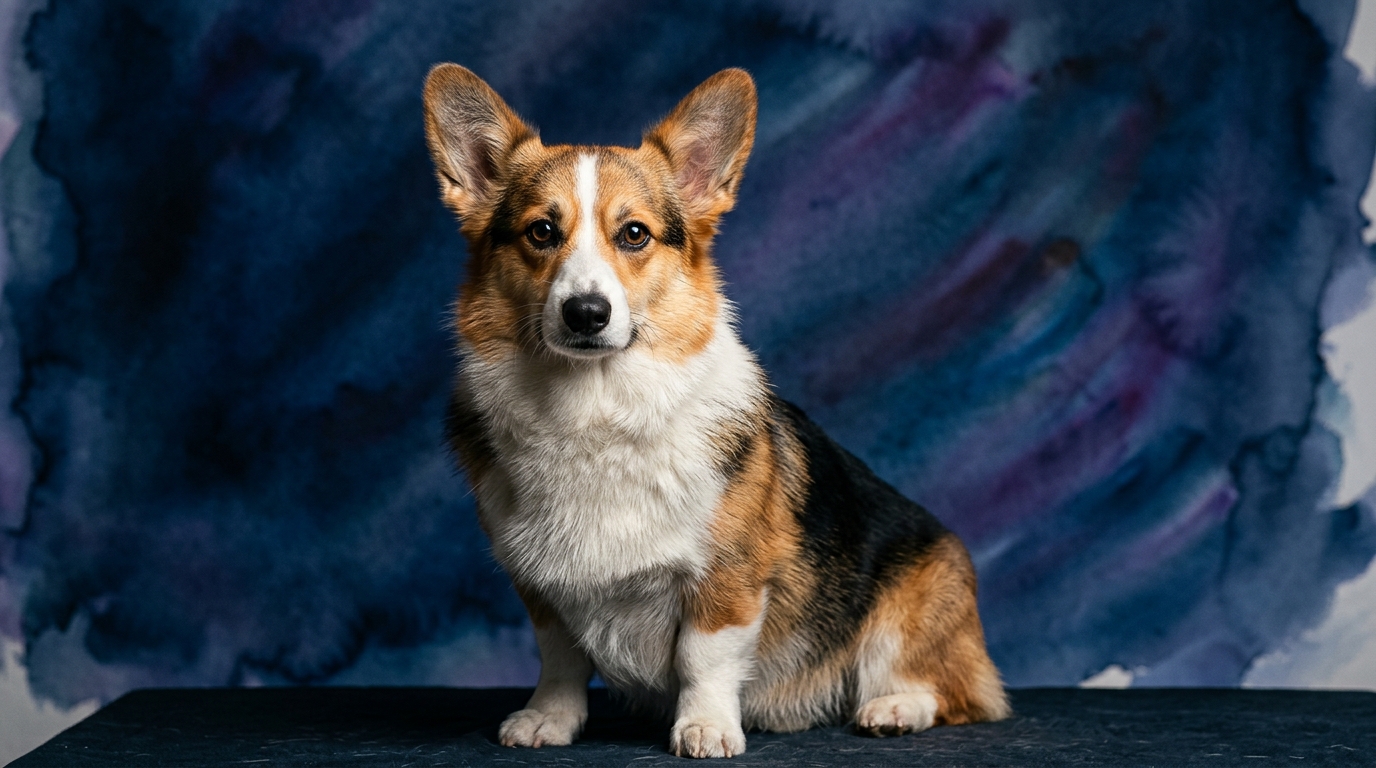
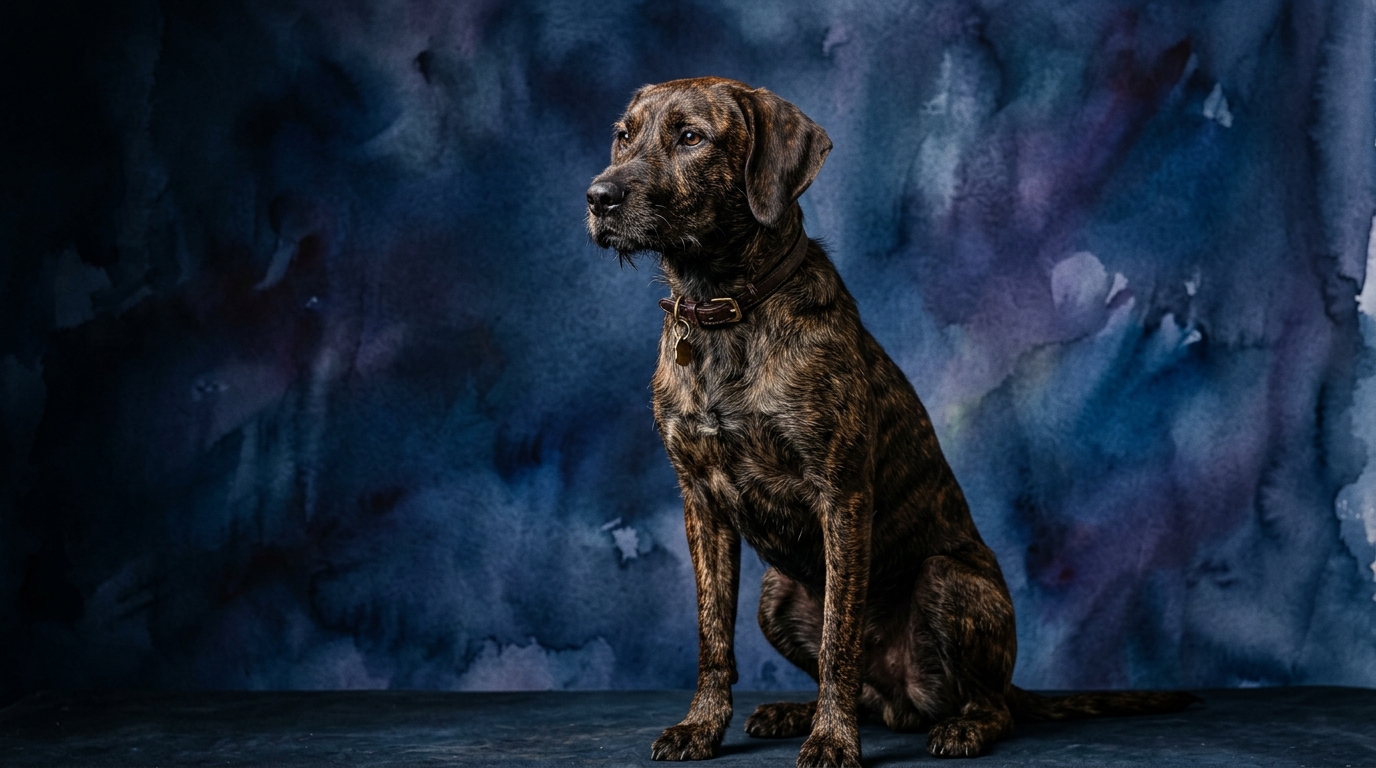
Side-by-Side IQ Profile: Pembroke Welsh Corgi vs. Plott Hound
The Pembroke Welsh Corgi, a distinguished member of the Herding group, holds a notable rank of #11 in Stanley Coren's intelligence hierarchy, reflecting its generally high cognitive functions. Its Problem Solving ability is rated at 4/5, indicating a strong capacity to analyze and adapt to new situations. Training Speed is an exceptional 5/5, showcasing its rapid grasp of new commands and routines. Social Intelligence, at 4/5, highlights its adeptness at interpreting human cues and interacting effectively within its social environment. An Instinctive Drive of 5/5 underscores its powerful herding instincts and inherent motivation for purposeful activity, while its Memory, rated 4/5, allows for efficient retention of learned behaviors and experiences.
In contrast, the Plott Hound, a member of the Hound group, is not specifically listed in Coren's rankings, suggesting a different, perhaps more specialized, cognitive blueprint. Its Problem Solving capability is rated 3/5, indicating a competent but often more independent approach to challenges. Training Speed stands at 3/5, suggesting a moderate pace of learning that benefits from consistent and patient instruction. Social Intelligence is also 3/5, implying it forms bonds and understands its family but may not be as overtly people-pleasing or attuned to subtle human social cues as the Corgi. An Instinctive Drive of 3/5 speaks to its profound, persistent motivation for tracking and hunting, often overriding other stimuli. Its Memory, rated 3/5, is sufficient for recalling complex scent trails and past hunting successes, though perhaps not as broadly applied as the Corgi's.
Where Pembroke Welsh Corgi Wins Cognitively
The Pembroke Welsh Corgi's cognitive advantages are deeply ingrained in its history as a herding dog, a role demanding sharp intellect and quick responses. Its 4/5 Problem Solving ability is evident in its capacity to strategize, whether it's outsmarting a gate latch or excelling in complex agility courses. This isn't just about following commands; it's about understanding the objective and devising a path to achieve it. The Corgi's high Social Intelligence (4/5) means it actively seeks to engage with and understand human direction, making it exceptionally receptive to communication and highly collaborative. This cooperative nature, combined with its remarkable 5/5 Training Speed, allows Corgis to master intricate command sequences and adapt rapidly to new household rules or training challenges. Their formidable 5/5 Instinctive Drive isn't solely focused on livestock; it translates into an innate desire for purpose and engagement, driving them to participate actively in mental games and structured activities. This breed demonstrates a significant capacity for learning and applying knowledge in varied domestic and competitive environments, making them highly versatile companions.
Where Plott Hound Wins Cognitively
While the Plott Hound's general cognitive scores might appear modest compared to the Corgi, its strengths are acutely specialized for its demanding role as a big-game hunter. Its 3/5 Problem Solving isn't about solving abstract puzzles but about independently navigating vast, often challenging terrains, interpreting subtle scent cues, and making autonomous decisions during pursuit. This breed excels in sustained, independent fieldwork, not constantly relying on human input for every step. The Plott's Instinctive Drive, rated 3/5, is a profound, persistent motivation to follow a trail, often for hours, overriding distractions and demonstrating incredible stamina and focus. This single-mindedness, while sometimes misinterpreted as stubbornness in a domestic setting, is an invaluable cognitive asset in its working environment. Their Memory (3/5) is particularly adept at recalling specific scent profiles and the geography of successful hunts, allowing them to build a mental map crucial for their specialized tasks. The Plott's unique cognitive profile shines in prolonged, independent, and sensory-driven tasks, where perseverance, acute olfactory interpretation, and rugged determination are paramount.
Which is Easier to Train and Why
The Pembroke Welsh Corgi is generally considered easier to train, primarily due to its exceptional Training Speed (5/5) and robust Social Intelligence (4/5). Corgis possess an inherent desire to work cooperatively with their handlers, a trait deeply rooted in their herding ancestry where precise, immediate responses were crucial for managing livestock. This means they are often eager to please, highly attentive to human cues, and quick to form associations between commands and actions. Their high instinctive drive is readily channeled into productive engagement, making them receptive to positive reinforcement and eager for mental challenges, often mastering complex sequences with relative ease.
The Plott Hound, with a Training Speed of 3/5 and Social Intelligence of 3/5, presents a different training dynamic. While certainly capable of learning, their independent nature and profound focus on scent mean they can be less inclined to defer to human commands when a compelling scent trail is present. Their instinctive drive is geared towards autonomous tracking and pursuit, not necessarily collaborative tasks, making them more prone to “selective hearing” when their nose takes over. Training a Plott requires immense patience, consistency, and a deep understanding of their hound mentality, often necessitating creative methods to make training more rewarding than the allure of the outdoors. They respond best to positive reinforcement and training that taps into their natural instincts, such as scent work.
Which Suits Active Owners vs. Relaxed Owners
Both breeds require active engagement, but the *nature* of that activity differs significantly, influencing which type of owner they suit. The Pembroke Welsh Corgi, with its high instinctive drive and quick mind, thrives with active owners who enjoy structured activities, mental challenges, and consistent interaction. They excel in obedience training, agility, herding games, or even trick training that engages their problem-solving abilities and desire to work alongside their human. While they enjoy physical exercise, their activity needs are often met with a combination of brisk walks, engaging play sessions, and mentally stimulating tasks within a family setting. They need a job, even if it's just being a diligent family companion.
The Plott Hound, on the other hand, is built for endurance and intense physical exertion driven by its powerful scenting abilities. It suits very active owners who are prepared for long, vigorous outdoor excursions, especially those involving off-leash exploration in secure areas or participation in scent work, tracking, or hunting. A “relaxed owner” expecting a low-maintenance companion will quickly find a Plott Hound bored, restless, and potentially destructive if its deep-seated instincts and substantial energy aren't adequately channeled. Their activity isn't about quick bursts of mental engagement but sustained physical output, allowing them to fulfill their inherent hunting drives.
The Verdict
Choose the Pembroke Welsh Corgi if you seek a highly trainable, cooperative companion eager to engage in diverse mental and physical activities within a family structure, thriving on consistent interaction and structured learning.
Opt for the Plott Hound if you are an experienced, active individual or family prepared to provide extensive, scent-driven outdoor exercise and patient, consistent training for an independent, tenacious companion.
🧠 Find Your Pet's IQ Score
Our Pet IQ Lab assessment covers 25+ tests across 5 cognitive dimensions — personalized to your breed.
Take the Full IQ Test →Frequently Asked Questions
Are Corgis good at problem-solving beyond herding?
Yes, Corgis, with their 4/5 problem-solving rating, demonstrate this ability in various contexts, from figuring out puzzle toys to navigating complex environments. Their quick wit allows them to adapt and strategize, applying their intelligence to new challenges beyond their traditional herding tasks.
Does the Plott Hound's 'instinctive drive' make it difficult to live with?
The Plott Hound's 3/5 instinctive drive, while lower than a Corgi's, is intensely focused on scent and tracking, which can indeed present challenges in a domestic setting. If not adequately channeled through extensive exercise and scent work, this drive can lead to independent exploration, 'selective hearing,' and a strong desire to follow a trail, potentially causing them to wander.
How does 'social intelligence' differ between these two breeds?
The Corgi's 4/5 social intelligence indicates a strong desire to understand and cooperate with human family members, often making them highly responsive to social cues and eager to please. The Plott Hound's 3/5 social intelligence suggests a more independent nature; while they form bonds, their primary focus can often be on their environment and scent, rather than constantly seeking human approval or direction.