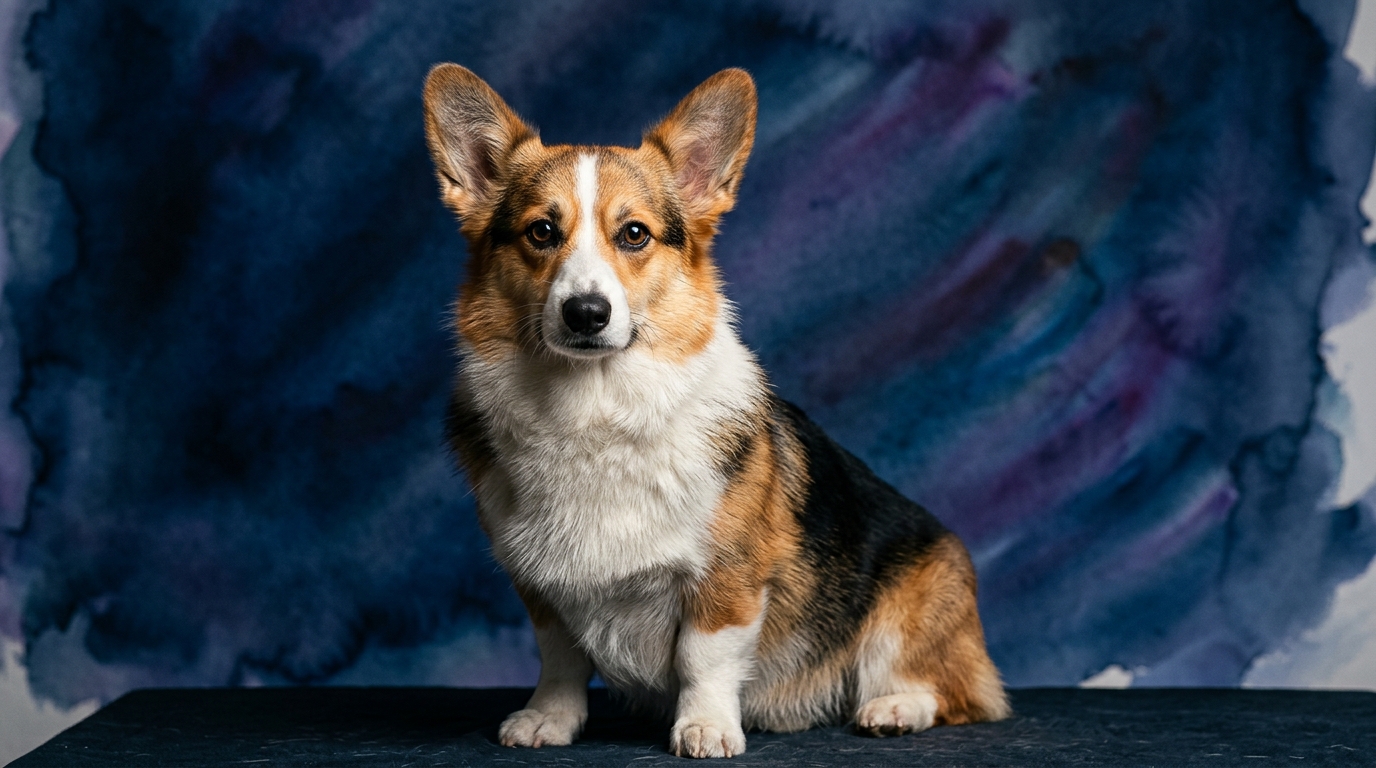

Side-by-Side IQ Profile: Herding Minds Unpacked
The Pembroke Welsh Corgi, a breed with a notable Coren rank of #11, boasts a cognitive profile indicative of high adaptability. Their problem-solving is 4/5, suggesting efficient navigation of novel situations, while training speed is a standout 5/5, reflecting rapid command acquisition. Social intelligence at 4/5 points to adeptness in understanding human cues, and an instinctive drive of 5/5 underscores their inherent herding needs. A memory score of 4/5 ensures effective retention of learned behaviors and social understandings, making them quick, interactive learners.
In contrast, the Polish Lowland Sheepdog (PON), though not Coren-ranked, presents a distinct cognitive makeup. Consistently scoring 3/5 across problem-solving, training speed, social intelligence, instinctive drive, and memory, the PON suggests a more deliberate and independent approach. Their 3/5 in problem-solving implies methodical solutions, and 3/5 training speed indicates a need for patient, consistent repetition. A social intelligence of 3/5 points to discernment, while an instinctive drive of 3/5 suggests a balanced herding and guarding aptitude. Their 3/5 memory supports practical, task-oriented retention.
Where the Pembroke Welsh Corgi Excels Cognitively
The Corgi's cognitive strengths are particularly evident in their rapid skill acquisition and ability to generalize learning. A training speed of 5/5 means they absorb complex command sequences and tricks in fewer repetitions, reflecting neural efficiency in forming associations. This quick uptake provides a significant advantage for owners interested in dog sports like agility or advanced trick training, allowing impressive progress and enthusiastic tackling of novel challenges.
Their 4/5 problem-solving allows Corgis to adapt swiftly to changing environments and devise creative solutions. Whether navigating puzzle toys or understanding subtle human cues, they demonstrate an intuitive grasp of cause and effect, often displaying resourcefulness. This cognitive flexibility, combined with a strong 4/5 memory, ensures they learn from experience and apply past knowledge to new situations, making them dynamic and engaging partners.
Unpacking the Polish Lowland Sheepdog's Distinct Strengths
While the PON's 3/5 cognitive scores might not suggest conventional "smartness," their profile highlights a robust intelligence rooted in independence. Their 3/5 problem-solving signifies a methodical, self-reliant approach, necessary for autonomous flock guarding. This translates to a dog that, while slower, will often solve problems through persistent, independent thought, rather than immediate human guidance, a valuable asset where self-sufficiency is key.
The PON's 3/5 social intelligence reflects a reserved, selective nature, which is a strength for a guardian breed. Instead of universal friendliness, they are wary of strangers and intensely loyal to family, making them excellent watchdogs. This discernment allows them to distinguish between friend and foe, focusing on their primary social unit, ensuring steadfast protective companionship. Their moderate 3/5 instinctive drive means they are purposeful without being overly intense.
Training Dynamics: Corgi's Eagerness vs. PON's Independence
The Corgi, with a training speed of 5/5 and social intelligence of 4/5, is typically a highly rewarding student. Their eagerness to please and quick grasp of concepts means they respond well to positive reinforcement, rapidly learning obedience and tricks. They thrive on mental stimulation, viewing training as engaging collaboration, and their strong memory ensures learned commands are retained, reducing the need for constant re-teaching.
The Polish Lowland Sheepdog, scoring 3/5 in both training speed and social intelligence, requires a more patient, consistent approach. Their independence means they might question commands or try to figure things out autonomously before complying, reflecting their self-reliant historical role. Owners will find repetition and clarity are crucial, and building a strong, trusting relationship is paramount, as PONs need to understand a command's purpose, not just perform to please.
Lifestyle Fit: Active Engagement vs. Thoughtful Companionship
The Corgi's cognitive profile aligns with active owners seeking a highly engaged companion. Their 5/5 instinctive drive, coupled with high problem-solving and training speed, demands consistent mental and physical stimulation. They are not content with inactivity, requiring regular walks, play, puzzle toys, and engaging training to channel their sharp minds. Owners enjoying dog sports or long hikes will find a Corgi an enthusiastic and fulfilling partner.
The PON, with a more moderate 3/5 instinctive drive and social intelligence, suits owners appreciating a thoughtful, independent dog. While requiring regular exercise, their drive manifests as watchful observation rather than constant high-octane engagement. They are content to supervise or engage in purposeful activities. Owners valuing a self-reliant, reserved companion, who can provide structured routines without needing constant, effusive interaction, might find the PON a better fit.
The Verdict
Choose the Pembroke Welsh Corgi if you seek a highly interactive, quick-to-learn companion eager for dog sports, advanced training, and constant mental engagement. Their rapid learning and social responsiveness make them ideal for owners who enjoy a truly collaborative partnership.
Opt for the Polish Lowland Sheepdog if you value an independent, discerning, and self-reliant companion, appreciating their methodical approach to tasks and inherent guardian instincts. They suit owners who can provide consistent, patient guidance and enjoy a dog that forms deep, selective bonds.
🧠 Find Your Pet's IQ Score
Our Pet IQ Lab assessment covers 25+ tests across 5 cognitive dimensions — personalized to your breed.
Take the Full IQ Test →Frequently Asked Questions
Are Pembroke Welsh Corgis prone to excessive barking due to their herding instincts?
Yes, Corgis, with their high instinctive drive, can be prone to barking, especially when herding or alerting to perceived threats. Early training and consistent management are essential to channel this vocal tendency appropriately, ensuring it doesn't become problematic.
How much exercise does a Polish Lowland Sheepdog need, given their moderate instinctive drive?
Despite a moderate instinctive drive, Polish Lowland Sheepdogs still require significant daily exercise, typically an hour or more of vigorous activity. This helps manage their energy and satisfy their need for mental stimulation, preventing boredom and potential behavioral issues.
Can a Polish Lowland Sheepdog live successfully in an apartment?
While adaptable, a Polish Lowland Sheepdog can live in an apartment if their extensive exercise needs are consistently met through daily walks, playtime, and mental enrichment. Their moderate social intelligence means they might be less prone to separation anxiety than some breeds, but space for their active nature is crucial.