Side-by-Side IQ Profile: Corgi vs. Samoyed
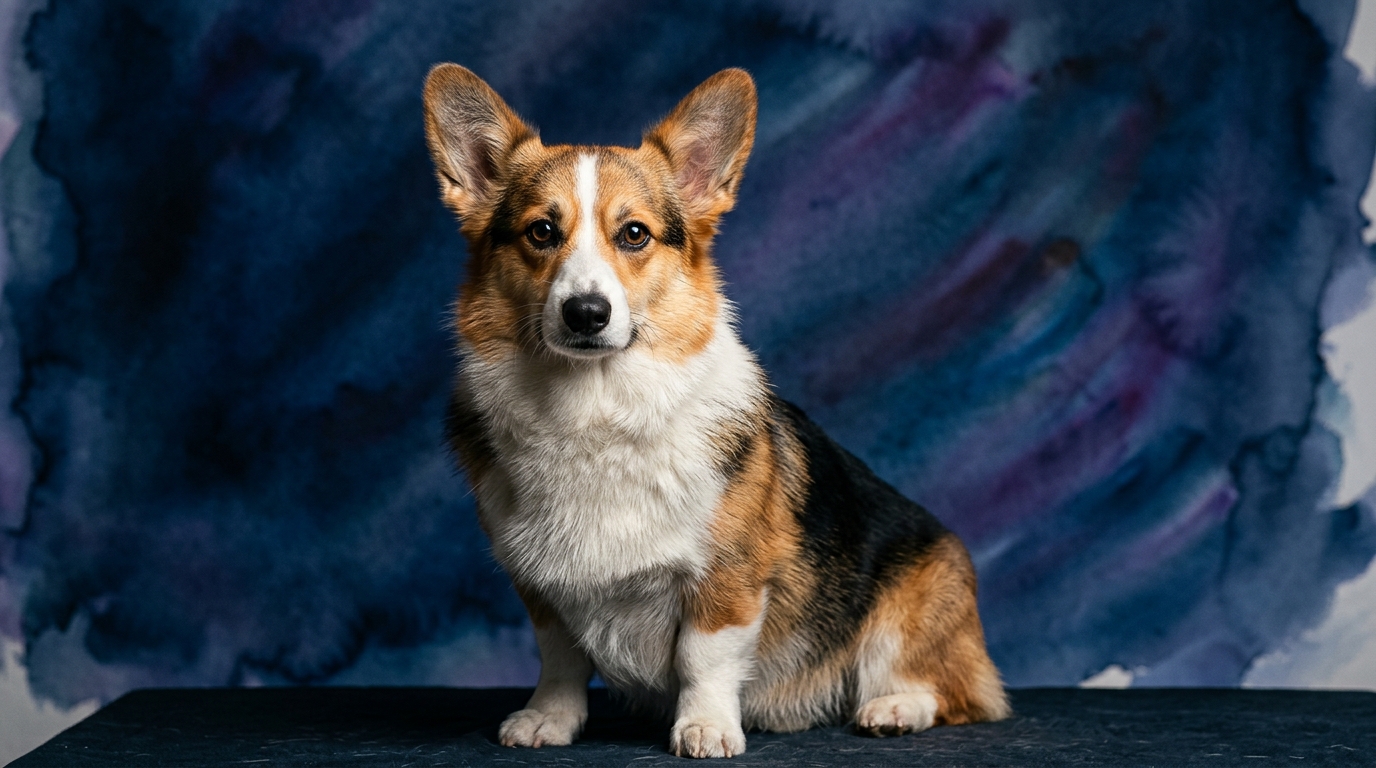
At The Cosmic Pet Pet IQ Lab, we analyze canine intelligence across five key dimensions, revealing the unique cognitive strengths of each breed. The Pembroke Welsh Corgi, ranking #11 on Stanley Coren's scale, showcases a formidable mental toolkit honed for intricate herding tasks. Their Problem Solving is rated 4/5, indicating an adeptness at figuring out complex tasks and often displaying cleverness in navigating obstacles or achieving goals independently. Corgis boast an impressive Training Speed of 5/5, meaning they grasp new commands and routines with exceptional quickness, eager to learn and respond to instruction. Their Social Intelligence stands at 4/5; they are generally good at reading human cues and interacting with their family, though their focus is often on tasks rather than purely social bonding, yet they can be perceptive of group dynamics. The Corgi's Instinctive Drive is a powerful 5/5, reflecting a strong, innate urge to herd, control movement, and be active, which is a core part of their cognitive makeup. Finally, their Memory is 4/5, effectively retaining learned commands, routines, and experiences, contributing to their remarkable trainability.
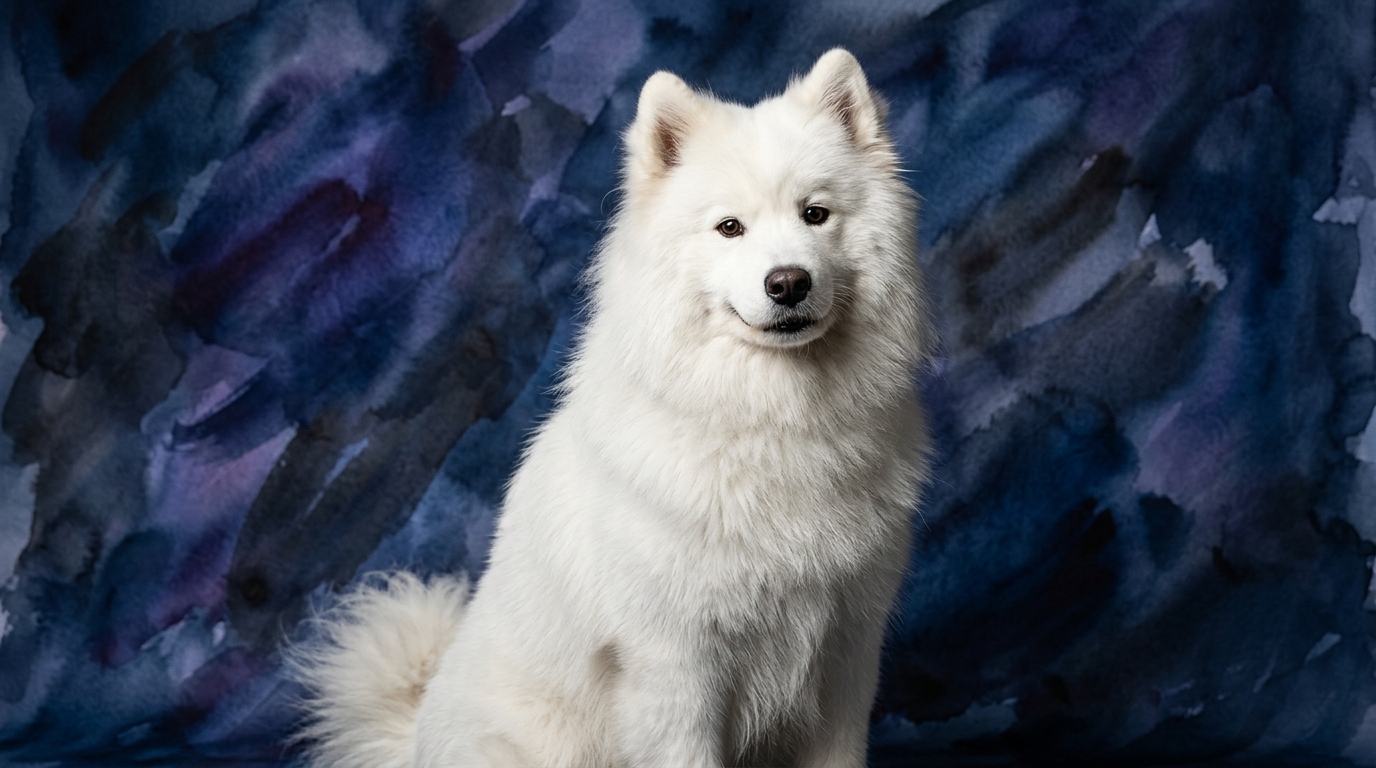
In contrast, the Samoyed, holding Coren's #33 rank, presents a different cognitive profile, reflecting their history as cooperative sled dogs and companions in demanding Arctic conditions. Their Problem Solving is 3/5; they are capable of solving problems but might approach them with less immediate ingenuity than a Corgi, often preferring established methods or requiring more guidance. Samoyeds have a Training Speed of 3/5, learning at a moderate pace and often requiring more repetition and consistent motivation due to their independent streak. Where they truly shine is in Social Intelligence, earning a perfect 5/5. Samoyeds are outstanding in their ability to connect with humans and other animals, displaying empathy, understanding social cues, and thriving on companionship, which was crucial for their role as close working partners. Their Instinctive Drive is 4/5, a strong urge for companionship, pulling, and often a desire to "work" alongside humans, though it differs from the Corgi's herding intensity, focusing more on cooperation than control. Their Memory is 3/5, retaining information and routines reasonably well, but perhaps not with the same immediate recall or retention for complex sequences as the Corgi, especially if not consistently reinforced.
Where the Pembroke Welsh Corgi's Mind Excels
The Pembroke Welsh Corgi's cognitive strengths distinctly lie in their agility of thought and rapid assimilation of information. Their 4/5 problem-solving acumen allows them to quickly assess novel situations and devise effective solutions, whether it's navigating a complex agility course or figuring out how to open a cabinet. This mental dexterity means they aren't merely following commands; they are actively processing and adapting. Coupled with their 5/5 training speed, Corgis can acquire and retain intricate command sequences with remarkable efficiency, making them exceptionally responsive to new instructions and capable of mastering a wide repertoire of behaviors. Their strong instinctive drive for purposeful engagement further fuels their cognitive performance, driving them to seek out and excel at tasks.
Where the Samoyed's Cognition Shines Brightest
The Samoyed's cognitive brilliance is most evident in their profound social intelligence, a perfect 5/5. This dimension goes beyond mere interaction; it encompasses a deep understanding of human emotions, an innate ability to offer comfort, and a remarkable capacity for cooperative partnership. A Samoyed can often sense subtle shifts in family dynamics or an owner's mood, responding with empathetic gestures or seeking to engage in comforting interaction. This high social intelligence was vital for their historical role, where working in close proximity with humans in harsh environments demanded not just strength but also a harmonious, intuitive bond. Their cooperative instinct, rated 4/5, means they excel in activities that foster this connection, such as pulling a sled or participating in family outings, where their joy comes from shared experience rather than singular task mastery.
Training Dynamics: A Tale of Two Breeds
When it comes to trainability, the Pembroke Welsh Corgi generally presents a more straightforward path for owners seeking rapid results. Their 5/5 training speed means they pick up new commands with impressive quickness, often requiring fewer repetitions. This, combined with their 4/5 problem-solving ability, allows them to generalize learned behaviors to new contexts with ease. Their 5/5 instinctive drive for activity and purpose makes them highly motivated by tasks and eager to engage in structured learning, often viewing training as a fulfilling outlet for their mental energy. They tend to be more biddable, readily accepting direction and thriving on the mental engagement that training provides, which stems from their herding background requiring swift responses to handler cues.
The Samoyed, with a 3/5 training speed and 3/5 problem-solving score, requires a more patient and nuanced approach. Their independence, a valuable trait in their original working capacity where they might have made decisions without direct human input, can sometimes be perceived as stubbornness in a modern training context. They thrive on positive reinforcement and engaging, game-like sessions that foster a strong bond rather than purely repetitive drills. Their exceptional 5/5 social intelligence means they respond best to training that strengthens their connection with their owner, rather than purely obedience-focused methods. Owners must understand that a Samoyed's desire to cooperate is often contingent on mutual respect and making the training experience enjoyable and rewarding for the dog, tapping into their cooperative drive rather than demanding compliance.
Matching Owners: Active Engagement vs. Deep Companionship
The Pembroke Welsh Corgi is an ideal match for active owners who relish consistent engagement and mental stimulation for their canine companion. Their 5/5 instinctive drive and high problem-solving capacity mean they thrive when given tasks, puzzles, and opportunities to learn and perform. Owners who enjoy teaching new tricks, participating in dog sports like agility or obedience, or even exploring the nuances of herding games will find a Corgi to be an enthusiastic and capable partner. A Corgi needs an owner willing to channel their considerable mental and physical energy into constructive outlets to prevent boredom and potential mischievous behaviors.
The Samoyed, while also benefiting from active owners who enjoy long walks, hikes, or even pulling activities, particularly suits those who prioritize deep social connection and cooperative experiences. Their 5/5 social intelligence means their primary form of "work" is often companionship and shared experiences with their human family. They need owners who appreciate a dog that desires to be an integral part of daily life, valuing the bond above strict obedience. While they certainly enjoy physical activity, their mental well-being is profoundly tied to their social interactions and feeling like a cherished, cooperative member of the household, making them excellent companions for owners who appreciate a gentle, empathetic presence.
The Verdict
Choose the Pembroke Welsh Corgi if you seek a highly trainable, quick-witted companion eager to learn and engage in structured activities like obedience, agility, or herding trials. They are ideal for owners who enjoy providing consistent mental challenges and a dynamic, task-oriented partnership.
Opt for the Samoyed if you value profound social connection, a gentle disposition, and a cooperative spirit that thrives on shared experiences and affection. This breed is best for individuals who appreciate a dog with an independent streak that still desires to be a cherished family member, willing to invest patience in training that strengthens their deep bond.
🧠 Find Your Pet's IQ Score
Our Pet IQ Lab assessment covers 25+ tests across 5 cognitive dimensions — personalized to your breed.
Take the Full IQ Test →Frequently Asked Questions
Are Corgis stubborn?
Corgis, with their high instinctive drive and problem-solving skills, can appear stubborn when they have their own ideas or are not sufficiently challenged. This is often a manifestation of their intelligence and independent decision-making rather than true obstinacy, requiring consistent and engaging training to direct their focused energy.
Do Samoyeds need a lot of exercise?
Samoyeds do require regular physical activity to maintain their health and well-being, stemming from their sled-pulling heritage. However, their need for mental stimulation often revolves more around social interaction and companionship rather than constant high-intensity tasks, making quality time and shared experiences with their human family paramount.
Which breed is better with children?
Both breeds can be good with children, but their approaches differ. Corgis, with their herding instincts, might try to "herd" children, requiring supervision and training, while Samoyeds often display a gentle, patient, and highly social nature, making them naturally empathetic companions for families.