Side-by-Side IQ Profile: Corgi vs. Scottie
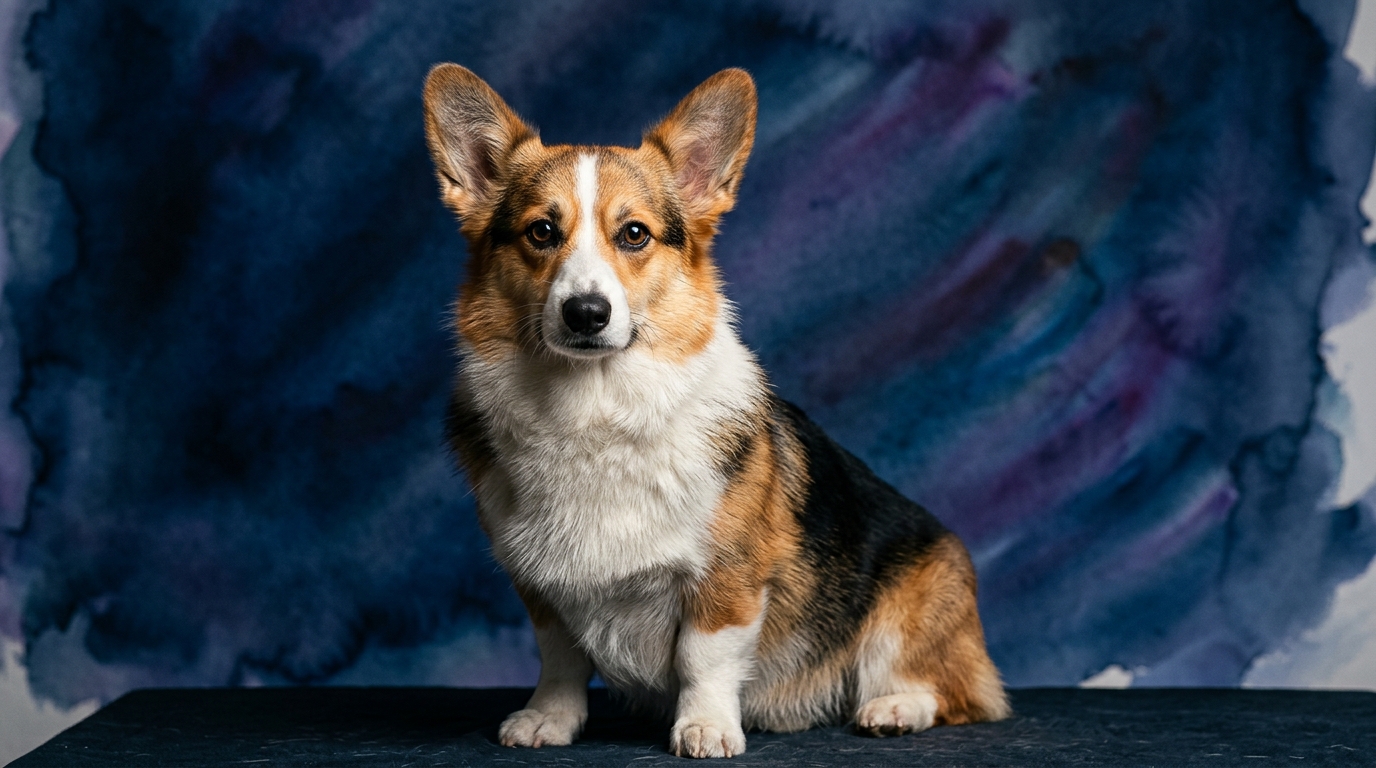
The Cosmic Pet Pet IQ Lab employs a five-dimensional model to evaluate canine intelligence, offering a nuanced understanding beyond simple rankings. For the Pembroke Welsh Corgi, a member of the Herding group, its Coren rank of #11 positions it among breeds with strong working intelligence, reflecting its historical role in livestock management. Its Problem Solving score of 4/5 indicates a capacity for adaptable thought, allowing it to navigate complex situations and find creative solutions. Training Speed is exceptional at 5/5, showcasing a rapid assimilation of new commands and routines, often driven by an eagerness to collaborate. Social Intelligence, rated 4/5, highlights its adeptness at reading human cues and forming strong, interactive bonds. An Instinctive Drive of 5/5 underscores its deep-seated herding behaviors, requiring outlets for this innate motivation. Finally, a Memory score of 4/5 suggests excellent retention of learned behaviors, routines, and social connections.
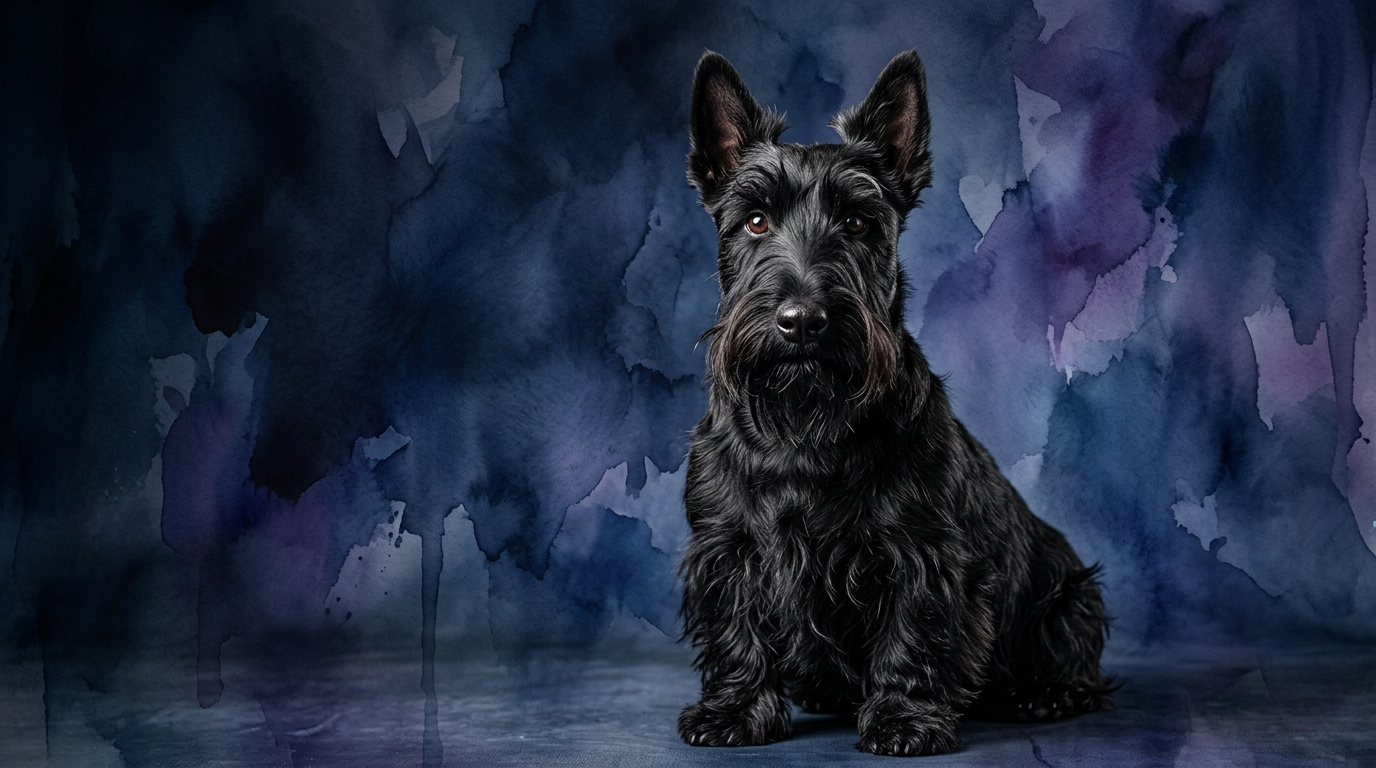
In contrast, the Scottish Terrier, hailing from the Terrier group, holds a Coren rank of #65, placing it in a different cognitive league, reflective of its independent vermin-hunting heritage. Its Problem Solving ability is rated 3/5, indicating practical intelligence focused on specific tasks rather than broad adaptability, often finding solutions through persistence. Training Speed sits at 3/5, meaning it can learn, but typically requires more repetition and a compelling reason to comply, due to a less eager-to-please temperament. Social Intelligence also scores 3/5, as Scotties tend to be devoted to their immediate family but more reserved and discerning with strangers, less overtly focused on human social dynamics than a Corgi. Its Instinctive Drive of 3/5 points to a strong, focused prey drive and digging instinct, distinct from the Corgi’s collaborative herding. Memory, at 3/5, indicates a functional recall for important associations and learned tasks, though perhaps less comprehensive than the Corgi.
Where Pembroke Welsh Corgi Wins Cognitively
The Pembroke Welsh Corgi demonstrates clear cognitive advantages, particularly in areas demanding collaboration and rapid learning. Its superior Training Speed (5/5) means it can absorb complex command sequences and new tricks with remarkable efficiency, making it a star pupil in obedience or agility. This swift learning is often fueled by its strong Social Intelligence (4/5), allowing it to quickly interpret human intentions and respond in ways that foster positive interaction. Corgis excel at understanding nuanced social cues, not just direct commands, making them highly responsive companions.
Furthermore, the Corgi’s Problem Solving (4/5) is more versatile, enabling it to adapt strategies across various scenarios, from navigating household puzzles to figuring out how to get attention. Their powerful Instinctive Drive (5/5) is geared towards working *with* a handler, translating into a dog that seeks purpose and guidance, readily engaging in structured activities. This combination of quick learning, social attunement, and a desire to work collaboratively gives the Corgi an edge in environments where partnership and adaptable thinking are valued.
Where Scottish Terrier Wins Cognitively
While the Corgi excels in collaborative intelligence, the Scottish Terrier shines in areas demanding independence, tenacity, and focused determination. Its Problem Solving (3/5), though rated lower, is highly effective within its sphere of expertise: finding and dispatching vermin. This translates to a breed that can independently assess situations and pursue goals with unwavering focus, often relying on its own judgment rather than waiting for human direction. This self-reliance is a key cognitive strength, making them adept at tasks requiring persistence and single-mindedness.
The Scottie's Instinctive Drive (3/5), though lower in score, is intensely concentrated on its terrier purpose. This means an impressive ability to track scents, dig with purpose, and remain undeterred by obstacles once a 'mission' is identified. Their Social Intelligence (3/5) manifests as a keen discernment, allowing them to accurately gauge sincerity and intentions, making them excellent, albeit reserved, watchdogs. They form deep, selective bonds and remember those they trust, demonstrating a practical and robust memory (3/5) for important people and experiences, rather than an expansive recall for abstract commands. This distinct cognitive profile makes the Scottie a master of self-directed, tenacious pursuit.
Which is Easier to Train and Why
When it comes to ease of training, the Pembroke Welsh Corgi generally presents a more straightforward experience for most owners. Their exceptional Training Speed (5/5) means they grasp new commands quickly, often after just a few repetitions. This is largely due to their strong Social Intelligence (4/5) and inherent desire to please and work alongside their human companions, a remnant of their herding lineage where taking direction was paramount. Corgis thrive on positive reinforcement and clear communication, eager to engage in the learning process and quickly associating actions with rewards, making them highly responsive to consistent training efforts.
The Scottish Terrier, by contrast, can be more challenging to train, requiring a different approach and a higher degree of patience. Their lower Training Speed (3/5) is coupled with a pronounced independent streak and Problem Solving (3/5) that often leads them to question 'why' they should comply. Their terrier nature means they are bred to work autonomously, making them less inclined to blindly follow commands. Successful training with a Scottie relies on making the learning process highly engaging, using high-value rewards, and demonstrating the direct benefit of cooperation. They can be stubborn, so consistency, fairness, and understanding their motivations are crucial to navigating their less eager-to-please temperament.
Which Suits Active Owners vs. Relaxed Owners
For owners with an active lifestyle and a desire for a highly engaged canine partner, the Pembroke Welsh Corgi is often the more suitable choice. Their high Instinctive Drive (5/5) and strong need for mental and physical stimulation mean they thrive on structured activities. Corgis excel in dog sports like agility, obedience, or even urban herding, requiring owners who can provide consistent training, regular exercise, and intellectual challenges to prevent boredom. Their social nature (4/5) means they genuinely enjoy being an integral part of family activities and are often keen to participate in whatever their humans are doing, demanding consistent interaction and engagement.
The Scottish Terrier, with its more independent cognitive style, can be a better fit for owners who appreciate a dog with a robust personality but require less constant, intense interaction. While Scotties certainly need daily walks and mental enrichment to satisfy their instinctive drives (3/5), they are often content to patrol their yard, investigate scents, or nap nearby, rather than constantly seeking direction or a 'job' from their owner. Their lower Social Intelligence score (3/5) means they are less likely to constantly demand attention or be overtly demonstrative, making them ideal for individuals who appreciate a loyal companion that is self-possessed and comfortable with its own company for periods, provided its basic needs for exercise and stimulation are met.
The Verdict
Choose the Pembroke Welsh Corgi if you seek a highly trainable, socially attuned companion for dog sports, active family life, and value a dog deeply responsive to human interaction and direction.
Opt for the Scottish Terrier if you admire independent thinkers, appreciate a tenacious, self-reliant spirit, and prefer a loyal companion that is less overtly demanding of constant human direction, provided you can manage their strong, focused instinctive drives.
🧠 Find Your Pet's IQ Score
Our Pet IQ Lab assessment covers 25+ tests across 5 cognitive dimensions — personalized to your breed.
Take the Full IQ Test →Frequently Asked Questions
Are Corgis better at learning complex tricks than Scottish Terriers?
Yes, Corgis generally excel at learning complex tricks due to their high Training Speed (5/5) and strong Social Intelligence (4/5), which makes them eager to please and responsive to intricate commands. Their adaptable Problem Solving (4/5) also helps them understand multi-step tasks more readily.
Do Scottish Terriers respond well to positive reinforcement training methods?
Scottish Terriers do respond to positive reinforcement, but it often requires more patience and high-value rewards compared to a Corgi. Due to their independent nature and lower Training Speed (3/5), trainers need to make the reward compelling enough for the Scottie to see the value in cooperating, rather than relying solely on their inherent desire to please.
Which breed is more prone to behavioral issues if not adequately stimulated?
Both breeds can develop behavioral issues without proper stimulation, but their manifestations differ. A Corgi, with its high Instinctive Drive (5/5) and need for purpose, might become overly vocal or engage in destructive herding behaviors, while a Scottie, with its strong prey drive, might become excessively prone to digging, chasing, or territorial barking if its independent problem-solving and hunting instincts are not channeled appropriately.