The Cosmic Pet Pet IQ Lab: Side-by-Side Cognitive Profiles
At The Cosmic Pet Pet IQ Lab, we evaluate canine intelligence across five key dimensions, offering a nuanced perspective beyond simple rankings. When we compare the Pembroke Welsh Corgi, a Herding breed, with the Siberian Husky, a Working breed, their unique cognitive strengths and challenges become clear, reflecting their historical roles.
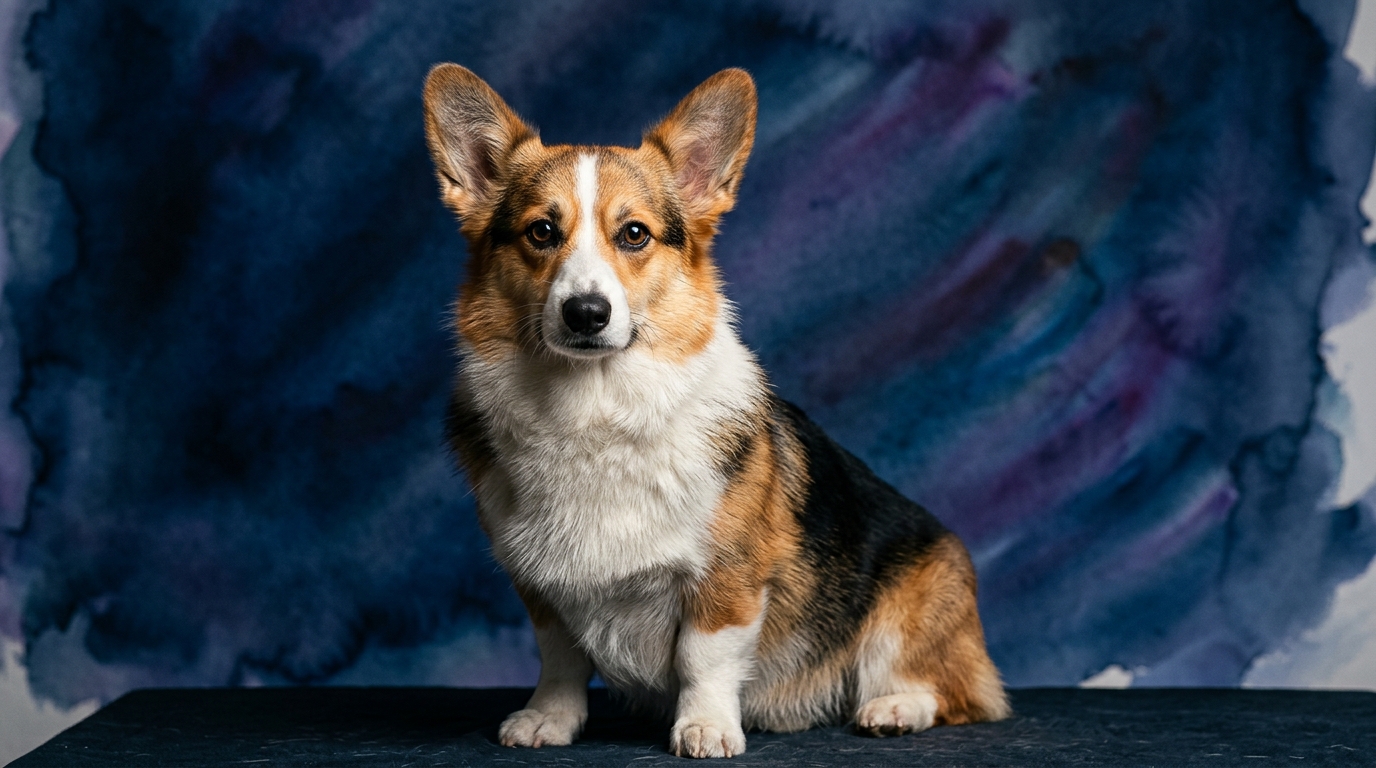
The Pembroke Welsh Corgi, with a Coren rank of #11, showcases a cognitive profile optimized for close partnership and rapid response. Their Problem Solving is rated 4/5, indicating an aptitude for navigating complex tasks and adapting to new situations. Training Speed is an impressive 5/5, highlighting their eagerness and ability to quickly grasp new commands and routines. Social Intelligence, at 4/5, points to their adeptness at reading human cues and engaging in cooperative tasks. Their Instinctive Drive, 5/5, is rooted in their herding heritage, manifesting as a strong desire to manage and organize, often translating into excellent focus on a task. Finally, Memory is rated 4/5, allowing them to recall learned behaviors and previous experiences effectively.
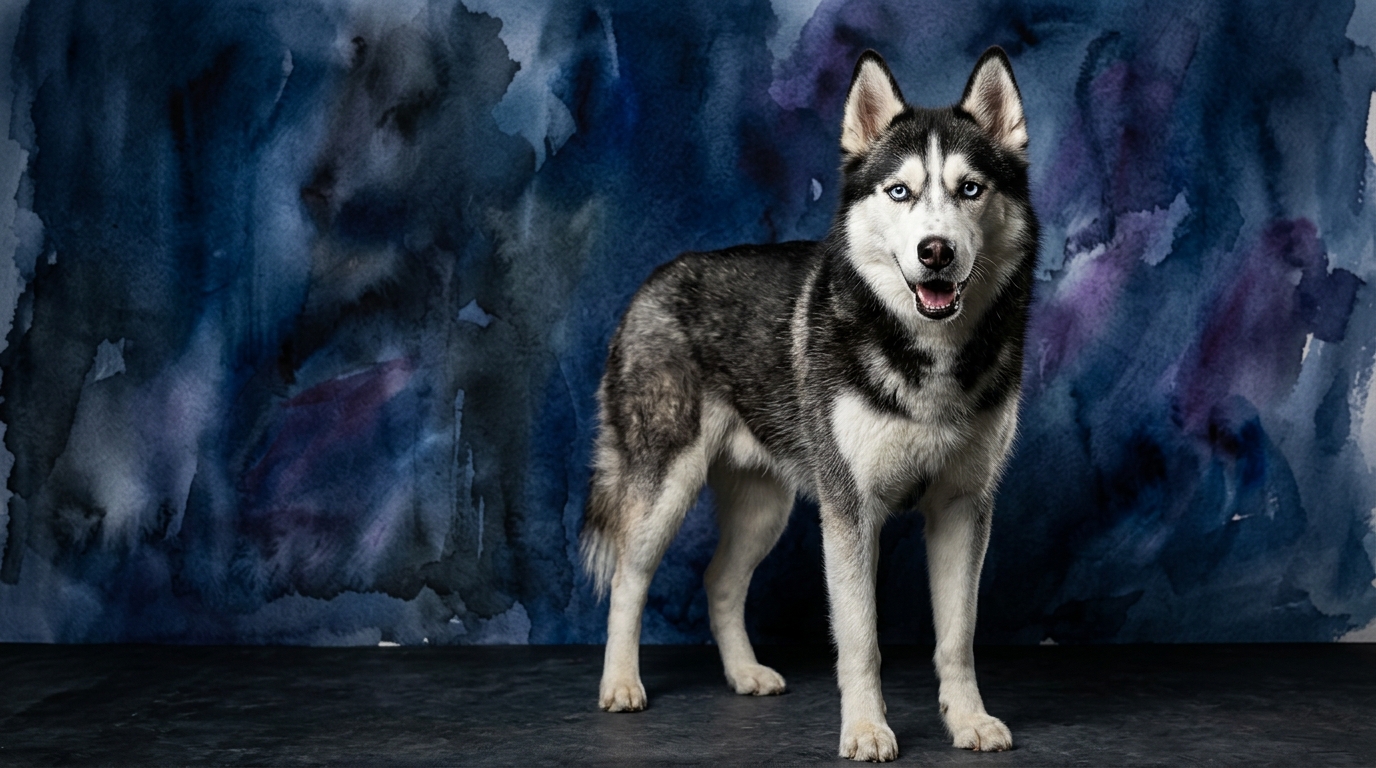
In contrast, the Siberian Husky, with a Coren rank of #45, displays a cognitive makeup geared for endurance, independence, and environmental navigation. Their Problem Solving also stands at 4/5, but this manifests differently, often involving finding solutions to challenges in their environment rather than solely through human direction. Training Speed is 2/5, suggesting a more independent learning curve that requires patience and varied motivation. Social Intelligence is 3/5, indicating they are social creatures but perhaps less driven by human approval in task execution compared to herding breeds. Their Instinctive Drive is 5/5, powerfully expressed through their inherent desire to run, pull, and explore, often driven by prey instincts. Memory is 4/5, particularly strong in spatial recall and navigation over long distances.
Where the Pembroke Welsh Corgi Excels Cognitively
The Pembroke Welsh Corgi's cognitive strengths are deeply intertwined with their history as cattle drovers, where quick thinking and responsiveness were paramount. Their exceptional Training Speed (5/5) means they absorb new commands with remarkable alacrity, often requiring fewer repetitions than many other breeds. This isn't just about rote memorization; it's about a rapid processing of human intention and a willingness to comply, making them highly adaptable to various training disciplines, from obedience to agility. Their Social Intelligence (4/5) further enhances this, as they are adept at interpreting subtle human body language and vocal tones, allowing for a fluid, communicative partnership. This enables them to anticipate requests and react appropriately within dynamic environments, a hallmark of their herding ancestry.
Furthermore, their Problem Solving (4/5) often manifests in scenarios requiring logical progression within a structured environment. A Corgi might quickly figure out how to open a gate or solve a puzzle toy designed to release treats, especially when the solution aligns with a perceived reward or an opportunity to engage with their human partner. Their strong Instinctive Drive (5/5) is channeled into focused, task-oriented behaviors, enabling them to sustain attention on a given activity without easily becoming distracted, provided the task is engaging and offers clear objectives.
Where the Siberian Husky Shines Cognitively
The Siberian Husky's cognitive profile reflects their heritage as resilient sled dogs, demanding independence and resourcefulness in harsh conditions. Their Problem Solving (4/5) is often demonstrated in their ability to navigate complex terrains, find alternative routes, or even figure out how to escape an enclosure. This isn't necessarily about seeking human guidance for solutions but rather about an intrinsic ability to assess a situation and devise a strategy independently, sometimes to their owner's chagrin if it involves outsmarting a fence.
Their Instinctive Drive (5/5) is a powerful cognitive asset for endurance and exploration. This drive fuels their capacity for sustained physical activity and their intrinsic motivation to cover vast distances, relying on an internal compass and an acute awareness of their surroundings. This robust drive is tied to their excellent Memory (4/5) for routes and spatial layouts. A Husky can often remember specific trails, landmarks, and even the location of resources over long periods, a critical skill for their original working role. Their Social Intelligence (3/5), while lower than a Corgi's, is geared towards pack dynamics, allowing them to cooperate effectively within a team of dogs and understand social hierarchies, even if their individual drive sometimes overrides immediate human directives.
Training: Responsiveness vs. Independence
When considering ease of training, the Pembroke Welsh Corgi generally presents a more straightforward path for the average owner. Their 5/5 Training Speed and 4/5 Social Intelligence mean they are typically eager to please and quick to form associations between commands and actions. Corgis often thrive on positive reinforcement, responding rapidly to rewards and praise, and their innate desire to work alongside humans makes them highly receptive to structured lessons. They are less likely to question a command and more inclined to execute it, reflecting their historical need to follow complex instructions from a shepherd.
The Siberian Husky, with a Training Speed of 2/5 and Social Intelligence of 3/5, requires a different approach. Their independence and strong instinctive drive mean they often weigh whether a command is worth their effort or if there's a more interesting, self-directed activity available. This isn't a lack of cognitive ability but a difference in motivational structure; they are less inherently driven by human approval and more by their own internal impulses or the thrill of the chase. Training a Husky often involves more patience, consistency, and creative methods to make learning feel like a game or a challenge they choose to engage with, rather than a directive they must follow. Their independent problem-solving can manifest as figuring out ways around commands, rather than direct compliance, presenting a unique training challenge.
Matching Canine Cognition to Owner Lifestyles
Understanding these cognitive distinctions is key to finding the right canine companion for your lifestyle. The Pembroke Welsh Corgi's cognitive profile makes them an excellent fit for owners who enjoy engaging in structured activities and desire a highly responsive partner. Owners who appreciate rapid learning, participate in dog sports like agility or obedience, or simply want a companion who quickly picks up household rules and routines will find the Corgi's cognitive makeup incredibly rewarding. Their social intelligence and cooperative nature mean they thrive on interaction and mental stimulation that involves working with their human, making them suitable for owners who are prepared to dedicate time to consistent training and mental enrichment.
The Siberian Husky's independent, driven cognitive style suits owners who are prepared for a companion with a strong will and a deep need for purposeful activity. Owners who embrace long hikes, running, or even urban mushing, and who appreciate a dog that thinks for itself, will likely find a Husky a fulfilling partner. They are ideal for individuals or families who understand that training will require patience, consistency, and a willingness to tap into the Husky's natural drives rather than trying to stifle them. Their cognitive strengths thrive when given opportunities to explore, navigate, and engage their powerful instincts, making them best for active, experienced owners who can provide ample physical and mental outlets.
The Verdict
Choose the Pembroke Welsh Corgi if you seek a highly responsive, cooperative companion eager to learn and engage in structured activities, perfect for an owner who values rapid trainability and a strong partnership.
Opt for the Siberian Husky if you're an active, patient owner who appreciates an independent, resourceful companion with a powerful instinctive drive for exploration and endurance, and are prepared for creative, consistent training.
🧠 Find Your Pet's IQ Score
Our Pet IQ Lab assessment covers 25+ tests across 5 cognitive dimensions — personalized to your breed.
Take the Full IQ Test →Frequently Asked Questions
Which breed is better at learning new tricks quickly?
The Pembroke Welsh Corgi, with a Training Speed of 5/5, generally learns new tricks and commands much faster than the Siberian Husky. Their eagerness to please and social intelligence make them highly receptive to instruction.
Does a higher Coren rank mean a dog is 'smarter' overall?
The Coren rank primarily reflects a breed's obedience and working intelligence, specifically their ability to learn and execute commands. It doesn't encompass all facets of cognitive ability, such as independent problem-solving or instinctive drives, where breeds like the Husky excel in different ways.
Which breed requires more mental stimulation to prevent boredom?
Both breeds require significant mental stimulation, but it manifests differently. Corgis need engaging tasks that involve their human, like puzzle toys or training sessions, while Huskies thrive on opportunities to use their problem-solving and instinctive drive through exploration, running, and scent work, often independently.