Side-by-Side IQ Profile: Herding Wit vs. Scenting Persistence
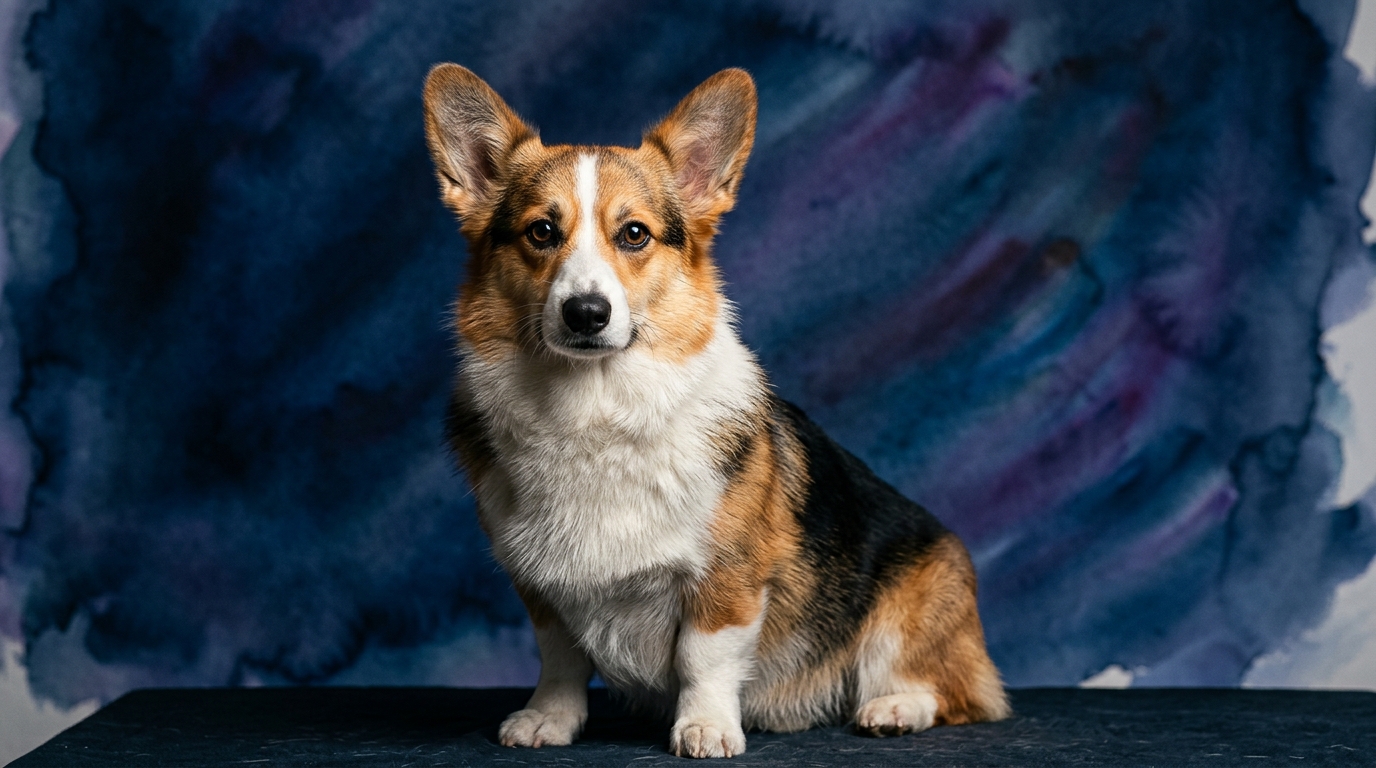
The Pembroke Welsh Corgi, a compact herding dog, presents a well-rounded cognitive profile reflecting its historical need for quick thinking and responsiveness. The Cosmic Pet Pet IQ Lab ranks their Problem Solving at 4/5, indicating an adeptness at navigating complex situations and figuring out solutions independently. Their Training Speed, an impressive 5/5, highlights their capacity to grasp new commands and routines with remarkable alacrity, often eager to engage with their handlers. Social Intelligence also scores high at 4/5, suggesting a keen ability to interpret human cues and adapt behavior accordingly. An Instinctive Drive of 5/5 underscores their strong herding impulses, while their Memory at 4/5 supports their consistent learning and recall. This breed's cognitive architecture is clearly optimized for interactive, dynamic work alongside humans, earning them a Coren rank of #11 among working dogs.
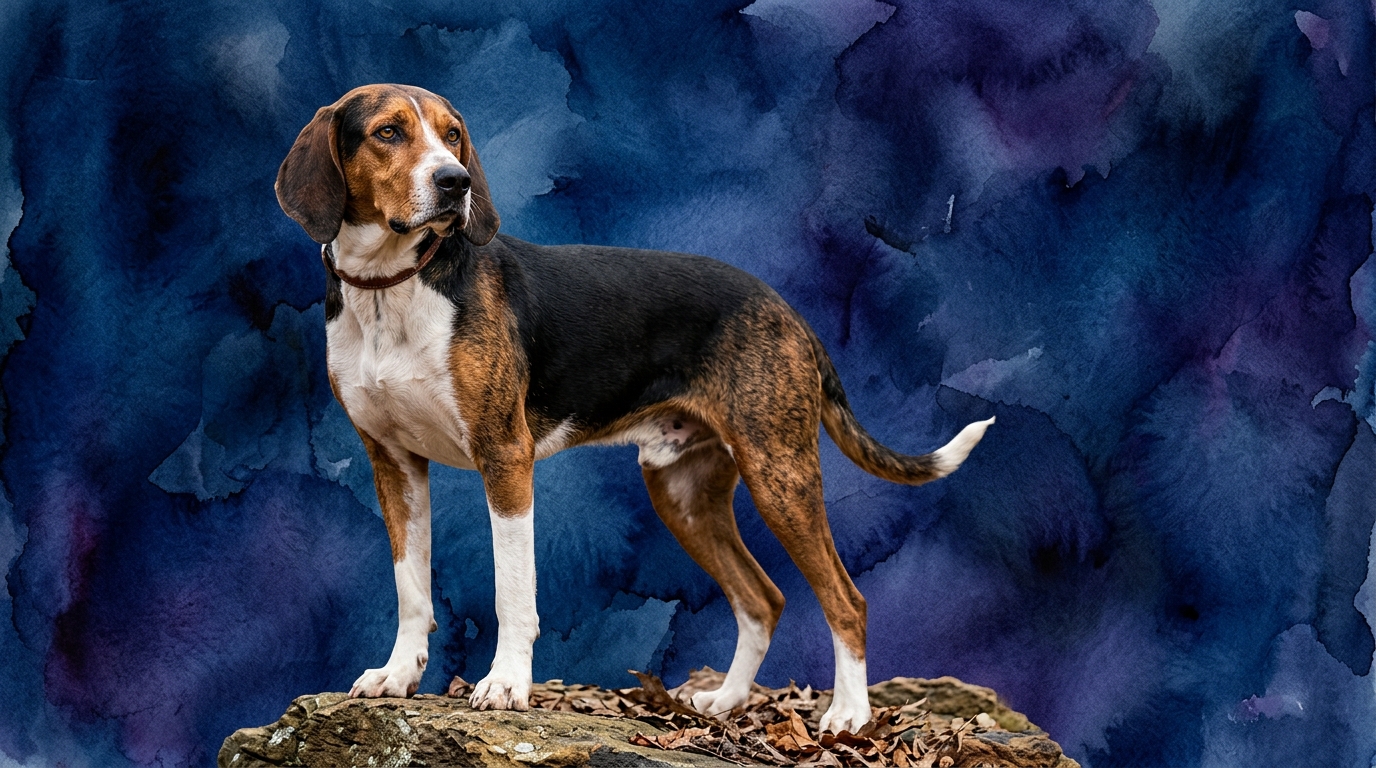
In contrast, the Treeing Walker Coonhound, a breed forged for the arduous task of scent-tracking and treeing game, exhibits a cognitive profile geared towards independent, sustained effort. Their Problem Solving is rated 3/5, which reflects a practical, field-oriented approach to obstacles rather than a generalized abstract problem-solving ability. A Training Speed of 3/5 indicates they learn at a steady pace, though perhaps with less immediate enthusiasm for repetitive obedience tasks compared to some other breeds. Social Intelligence at 3/5 suggests they are capable of forming bonds but are less reliant on constant human direction during their primary work. Their Instinctive Drive, also 3/5, is powerfully channeled into scent work and pursuit, driving them to follow a trail relentlessly. Memory, rated 3/5, supports their ability to recall scent patterns and navigate familiar hunting grounds. Notably, this breed is not listed in Coren's ranking, which primarily assesses obedience and working intelligence, a framework that doesn't fully capture the specialized cognitive strengths of many hound breeds.
Where Pembroke Welsh Corgi Wins Cognitively
The Pembroke Welsh Corgi demonstrates clear cognitive advantages in areas demanding rapid assimilation of information and flexible responses. Their superior Training Speed (5/5) means they pick up new commands and tricks at an accelerated pace, often requiring fewer repetitions than many other breeds. This quick learning ability is coupled with a strong Problem Solving score (4/5), enabling them to navigate novel situations by applying learned behaviors or devising new strategies efficiently. For instance, a Corgi might quickly figure out how to open a child-proof gate through observation and trial-and-error. Their high Social Intelligence (4/5) also allows them to interpret human moods and intentions, making them exceptionally responsive companions who often seem to anticipate their owner's wishes. This capacity for nuanced communication and a willingness to engage in cooperative tasks are hallmarks of their cognitive prowess, rooted in their history of managing livestock with minimal human vocal cues.
Where Treeing Walker Coonhound Wins Cognitively
While their general cognitive scores may appear lower, the Treeing Walker Coonhound excels in a highly specialized form of intelligence critical to their purpose: sustained, independent scent-driven problem-solving. Their cognitive strength lies in their unwavering focus on a scent trail, requiring them to filter out countless environmental distractions and make complex navigational decisions autonomously over vast and varied terrain. This isn't about solving a puzzle box, but about tracking a faint odor through dense underbrush, across streams, and up hills, often for hours. Their Instinctive Drive (3/5), though numerically lower than the Corgi's, represents an immense internal motivation to pursue a specific goal, which in the field translates into incredible persistence and a unique form of problem-solving centered on scent discrimination and unwavering pursuit. Their memory (3/5) is particularly adept at recalling scent patterns and geographical layouts relevant to their hunting grounds, showcasing a different kind of cognitive mapping.
Which is Easier to Train and Why
When it comes to traditional obedience training, the Pembroke Welsh Corgi generally presents as the easier breed to train. Their Training Speed of 5/5 is a significant indicator, reflecting their eagerness to learn and their historical role requiring them to be highly responsive to handler commands. Corgis were bred to work closely with shepherds, needing to understand and execute complex instructions quickly to manage livestock. This background has instilled in them a strong desire to please and a natural inclination to cooperate, making them receptive to positive reinforcement methods. They thrive on mental engagement and find satisfaction in mastering new skills, often making training sessions productive and rewarding for both dog and owner.
The Treeing Walker Coonhound, with a Training Speed of 3/5, can be more challenging in conventional obedience settings due to their distinct behavioral drivers. Their powerful instinctive drive is deeply rooted in scent work and independent pursuit, meaning their attention can be easily diverted by interesting smells. While they are capable of learning, their primary motivation often isn't handler-centric cooperation; rather, it's the thrill of the chase or the satisfaction of following a scent. Training a Coonhound often requires immense patience, consistency, and a deep understanding of their natural instincts. They may excel in scent-based tasks or tracking sports, but asking them to perform repetitive obedience commands in the absence of a compelling scent can feel less intrinsically rewarding to them, requiring more creative motivational techniques from the owner.
Which Suits Active Owners vs. Relaxed Owners
For owners seeking a companion that fits a more relaxed yet engaged lifestyle, the Pembroke Welsh Corgi is often a suitable choice. While they certainly require regular exercise and mental stimulation to prevent boredom and destructive behaviors, their energy levels are generally manageable with daily walks, play sessions, and interactive toys. Their cognitive agility means they thrive on learning new tricks and participating in dog sports like agility or obedience, offering a fulfilling outlet for their mental energy. They adapt well to various living situations, provided their needs for companionship and moderate activity are met, making them ideal for owners who enjoy consistent engagement without needing to commit to extreme physical demands.
Conversely, the Treeing Walker Coonhound is best suited for highly active owners who can meet their substantial physical and mental exercise requirements. These dogs possess incredible stamina and a relentless drive to track, making them excellent companions for avid hikers, runners, or those involved in scent work and hunting activities. A relaxed owner who cannot provide extensive daily exercise, particularly opportunities for off-leash exploration or scent-following, will likely find a Coonhound restless, vocal, and potentially destructive. Their strong hunting instincts mean they need a purpose or an outlet for their energy, and without it, they can become bored and difficult to manage. They thrive with owners who embrace their natural inclinations and provide ample opportunities for their specialized cognitive and physical abilities to flourish.
The Verdict: When to Choose Each Canine Companion
The Verdict
Choose a Pembroke Welsh Corgi if you seek a highly responsive, adaptable companion keen on learning and engaging in cooperative activities, fitting well into a moderately active household that values mental stimulation and a strong bond.
Opt for a Treeing Walker Coonhound if you are an exceptionally active individual or family, passionate about outdoor adventures and prepared to channel a powerful, independent scent drive into fulfilling activities like tracking or extensive exploration.
🧠 Find Your Pet's IQ Score
Our Pet IQ Lab assessment covers 25+ tests across 5 cognitive dimensions — personalized to your breed.
Take the Full IQ Test →Frequently Asked Questions
Why is the Pembroke Welsh Corgi Coren-ranked but the Treeing Walker Coonhound is not?
The Coren ranking primarily assesses obedience and working intelligence, emphasizing a dog's ability to learn and execute commands quickly. The Corgi's herding background aligns well with these criteria, while the Coonhound's independent scenting work falls outside the traditional parameters of Coren's assessment.
Does a lower IQ score mean the Treeing Walker Coonhound is less capable than a Corgi?
Not at all; it signifies a difference in cognitive specialization. The Coonhound's cognitive strengths are optimized for independent scent work and sustained pursuit, which are distinct from the Corgi's aptitude for rapid, cooperative problem-solving and obedience. Both breeds excel in their respective domains.
What kind of mental stimulation do Treeing Walker Coonhounds need beyond physical exercise?
Coonhounds thrive on mental stimulation that engages their powerful sense of smell. Scent work, tracking games, puzzle toys that dispense treats based on scent, and opportunities to follow a safe, controlled trail are excellent ways to provide cognitive enrichment that aligns with their natural instincts.