Side-by-Side IQ Profile: Pembroke Welsh Corgi vs. Vizsla
At The Cosmic Pet Pet IQ Lab, we evaluate canine intelligence across five key dimensions, providing a nuanced understanding beyond simple obedience. Here’s how the Pembroke Welsh Corgi and Vizsla stack up:
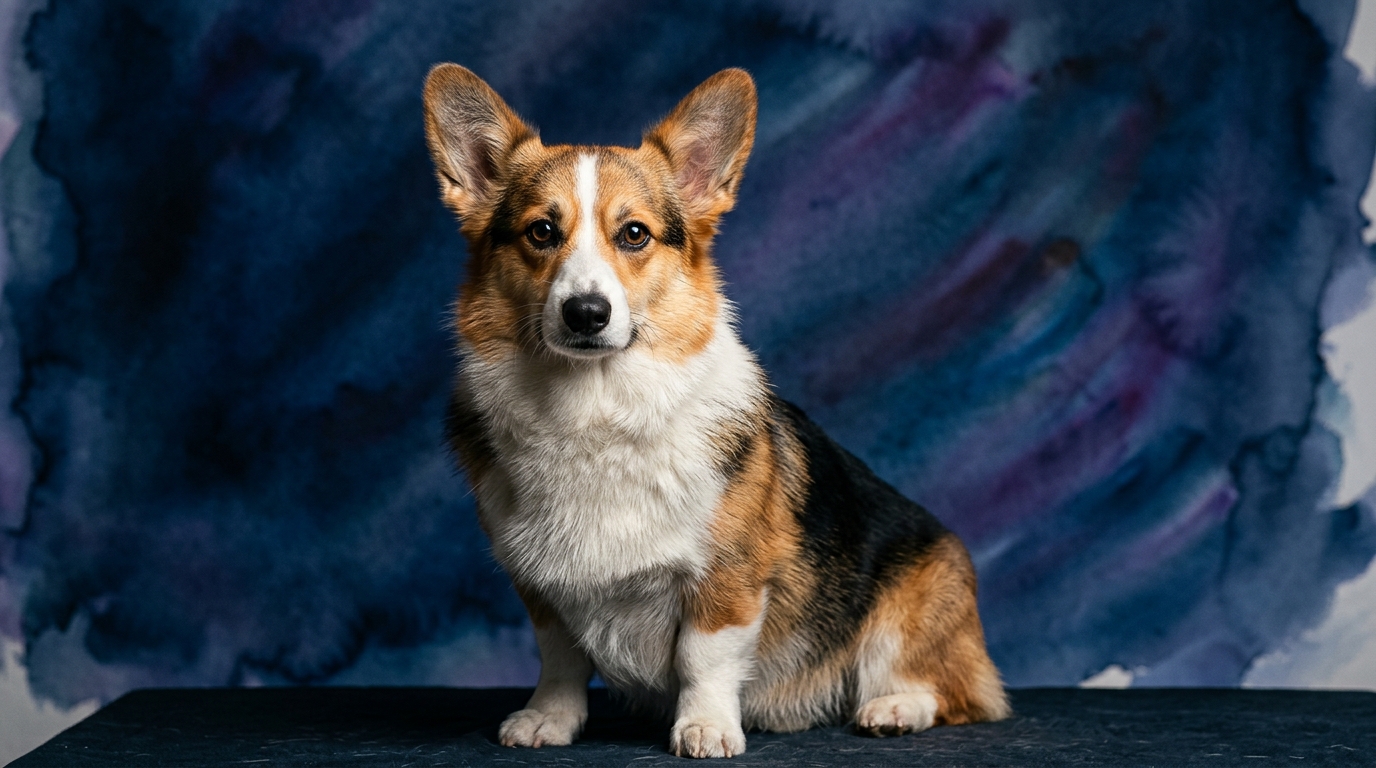
**Pembroke Welsh Corgi (Herding Group, Coren Rank #11)**: These compact herders are celebrated for their sharp minds and independent spirit.
* **Problem Solving (4/5):** Corgis exhibit a strong capacity for independent thought, often devising clever strategies to manage livestock or navigate complex environments. Their problem-solving isn't just about following commands; it's about assessing a situation and finding an effective solution, even if unconventional.
* **Training Speed (5/5):** The Corgi's ability to grasp new commands and routines is exceptional. They pick up on cues quickly, often requiring fewer repetitions than many other breeds, making them highly responsive to consistent training efforts. This rapid assimilation of information is a hallmark of their working heritage.
* **Social Intelligence (4/5):** Corgis are adept at understanding human emotions and intentions, forming strong bonds with their families. While they can be somewhat independent, they are generally perceptive to social dynamics within their pack and responsive to their owner's moods.
* **Instinctive Drive (5/5):** Their powerful herding instinct is ever-present, manifesting as a desire to gather, control, and organize. This drive translates into a need for purpose and mental engagement, often expressed through 'herding' family members or toys.
* **Memory (4/5):** Corgis possess a robust memory for commands, routines, and experiences. They retain learned behaviors over long periods and can recall specific events or locations with clarity, which is crucial for their independent herding tasks.
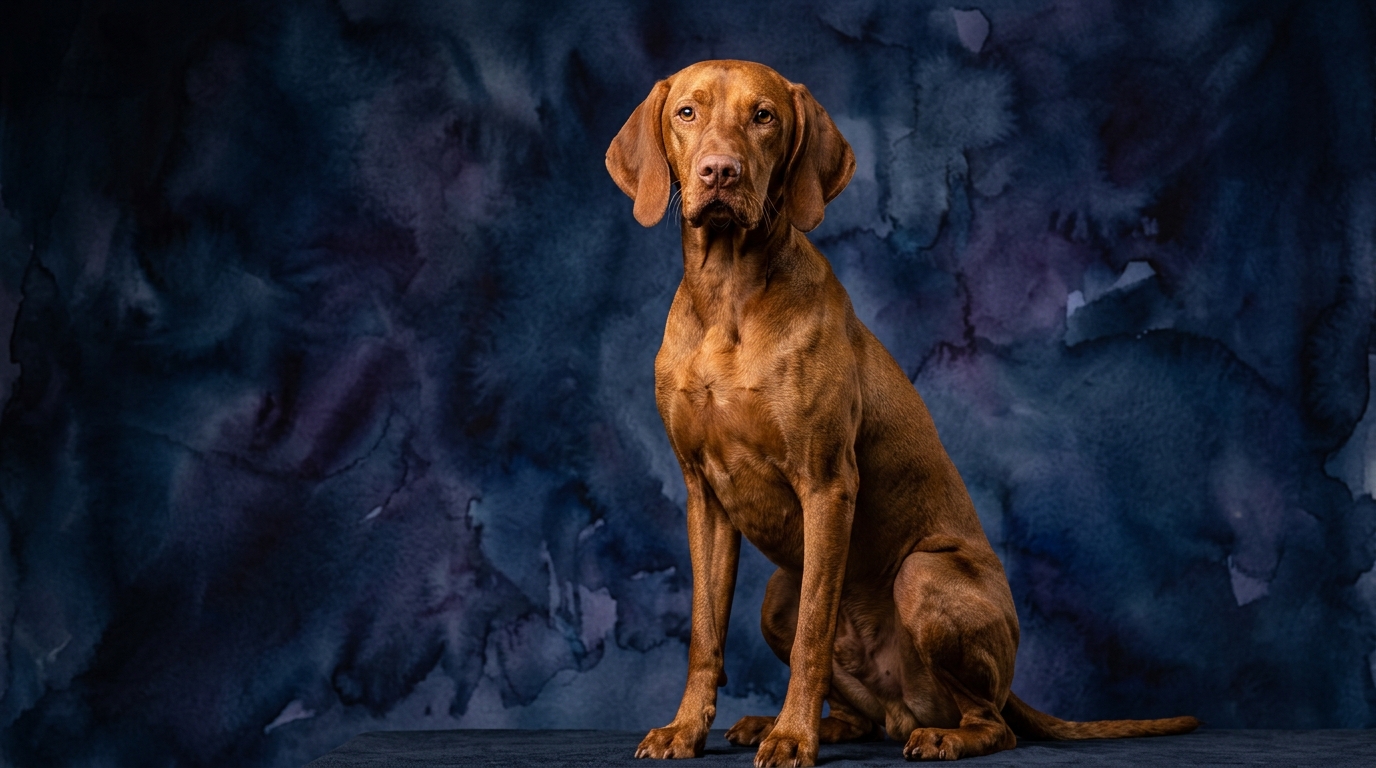
**Vizsla (Sporting Group, Coren Rank #31)**: Known for their striking appearance and devoted nature, Vizslas bring a different set of cognitive strengths to the table.
* **Problem Solving (4/5):** Vizslas demonstrate keen problem-solving skills, particularly in contexts related to their hunting heritage. They can strategize to locate game, navigate complex terrains, and overcome obstacles efficiently, often displaying ingenuity in pursuit of a goal.
* **Training Speed (4/5):** Vizslas are quick learners, eager to please, and respond well to positive reinforcement. While not quite as lightning-fast as the Corgi in initial command acquisition, their enthusiasm and desire for partnership ensure a smooth training progression.
* **Social Intelligence (5/5):** This breed truly shines in social cognition. Vizslas are exceptionally attuned to their human companions, often described as 'Velcro dogs' due to their intense desire for proximity and interaction. They excel at reading subtle human cues, anticipating needs, and forming deep, empathetic connections.
* **Instinctive Drive (5/5):** The Vizsla's instinctive drive is profoundly rooted in their pointing and retrieving ancestry. They possess an unwavering urge to hunt, track, and work alongside a human, manifesting as boundless energy and a focused determination in the field.
* **Memory (4/5):** Vizslas have an excellent memory, particularly for tracking scents, remembering learned hunting routes, and recalling training cues. Their ability to retain complex sequences of actions is vital for their demanding sporting roles.
Where the Pembroke Welsh Corgi Wins Cognitively
The Pembroke Welsh Corgi's cognitive edge is most apparent in its remarkable Training Speed, scoring a perfect 5/5 compared to the Vizsla's 4/5. This isn't merely about obedience; it speaks to the Corgi's inherent efficiency in processing and applying new information. From a young age, Corgis demonstrate an almost immediate grasp of novel commands and routines, often requiring fewer repetitions to solidify a behavior. This rapid learning ability stems from their history as independent livestock drovers, where quick decision-making and adaptability were paramount. A Corgi needed to understand complex instructions or adapt to changing flock dynamics on the fly, translating into an impressive capacity for quick cognitive uptake in a domestic setting. This means that owners often observe their Corgi connecting a verbal cue to an action almost instantaneously, making initial training phases remarkably swift and rewarding.
Where the Vizsla Wins Cognitively
Conversely, the Vizsla establishes a clear cognitive lead in Social Intelligence, earning a 5/5 against the Corgi's 4/5. This dimension highlights the Vizsla's profound capacity for connection and understanding within a social context. Vizslas are exceptionally perceptive to human emotions, body language, and subtle cues, often anticipating their owner's desires before a command is even given. Their historical role as close hunting partners demanded an unparalleled bond and intuitive communication with their handler. This deep social awareness means a Vizsla often operates almost as an extension of their human, meticulously tracking their movements and moods. They thrive on collaborative activities, deriving immense satisfaction from working *with* their person, exhibiting an empathetic understanding that allows them to seamlessly integrate into family life and respond to complex social situations with grace and sensitivity.
Which is Easier to Train and Why
When considering ease of training, the Pembroke Welsh Corgi generally presents a slightly smoother initial journey, primarily due to its superior Training Speed (5/5). Corgis quickly internalize commands, often needing fewer repetitions to master a new skill. Their problem-solving mindset, honed by generations of herding, means they can figure out what’s expected and execute it with precision. For instance, teaching a Corgi a new trick might involve just a few short sessions before they've got it down pat, eager to perform. This doesn't imply the Vizsla is difficult; with a 4/5 in Training Speed, they are still very capable learners. However, the Vizsla's training success is often more deeply tied to the strength of the bond and the owner's ability to maintain engagement. Vizslas, with their 5/5 Social Intelligence, crave partnership and will work tirelessly for an owner they trust and adore. If that bond is strong, their desire to please can overcome any slight difference in initial learning speed. The Vizsla might take a few more repetitions to learn a novel command, but their sustained focus and dedication once they understand the expectation, driven by their powerful desire for companionship, makes them incredibly reliable once trained. The Corgi's independence, a legacy of making decisions on the edge of a flock, means they might sometimes opt for their own interpretation if not consistently guided, whereas the Vizsla's drive is always to align with their human partner.
Which Suits Active Owners vs. Relaxed Owners
Neither the Pembroke Welsh Corgi nor the Vizsla can truly be classified as suitable for 'relaxed' owners in the traditional sense, as both possess a robust Instinctive Drive (5/5) that demands outlets. However, the *nature* of their activity requirements differs significantly. The Pembroke Welsh Corgi, with its herding background, thrives on mental stimulation and short bursts of physical activity. They excel in structured tasks like obedience, agility, or even herding games, which tap into their problem-solving abilities and need to 'manage' their environment. An active Corgi owner is one who enjoys engaging their dog's mind with puzzles, training sessions, and brisk walks, providing opportunities for controlled bursts of energy rather than sustained endurance. A Corgi might be satisfied with several shorter, mentally stimulating sessions throughout the day. In contrast, the Vizsla is the quintessential companion for the truly active owner. Their sporting heritage demands extensive physical exercise and constant companionship. A Vizsla owner should be prepared for long runs, hikes, or vigorous play sessions daily. Their boundless energy and desire to be constantly by their owner's side mean they are not content with independent backyard play; they need to *do* things *with* their human. A Vizsla will thrive in a home where they are a constant participant in outdoor adventures, making them ideal for runners, hikers, or those involved in dog sports requiring stamina and a close working partnership. For someone seeking a canine partner for sustained, high-intensity outdoor activities, the Vizsla is an unmatched choice, while the Corgi fits an owner who prefers more varied, structured mental and moderate physical engagement.
The Verdict
Choose the Pembroke Welsh Corgi if you value a quick-witted learner who thrives on mental challenges and structured activities, and you appreciate a dog with a strong, independent streak tempered by affection. They are ideal for owners who enjoy engaging in varied, shorter bursts of activity and training.
Opt for the Vizsla if you're an intensely active individual seeking a profoundly bonded canine partner for sustained outdoor adventures and collaborative endeavors. Their exceptional social intelligence and boundless energy make them perfect for those who want a constant, empathetic companion by their side.
🧠 Find Your Pet's IQ Score
Our Pet IQ Lab assessment covers 25+ tests across 5 cognitive dimensions — personalized to your breed.
Take the Full IQ Test →Frequently Asked Questions
Do Corgis and Vizslas get along well with other pets?
Corgis, with their herding instincts, might attempt to 'herd' other pets, which can be playful but may require supervision. Vizslas, known for their social intelligence, generally integrate well with other animals, especially if raised together, though their strong prey drive needs consideration with smaller non-canine pets.
How much mental stimulation does each breed require daily?
Both breeds require significant mental stimulation due to their high instinctive drives and cognitive capacities. Corgis need regular training, puzzle toys, and short, engaging activities to satisfy their problem-solving minds. Vizslas thrive on interactive play, advanced training, and tasks that allow them to work closely with their owner, fulfilling their desire for purpose.
Are Corgis or Vizslas better for first-time dog owners?
The Corgi's faster training speed can make them slightly more forgiving for a first-time owner committed to consistent training. However, both breeds require dedicated owners who understand their specific needs for exercise, mental engagement, and socialization. A Vizsla's intense need for companionship and high energy might be more demanding for someone new to dog ownership.