Side-by-side IQ profile
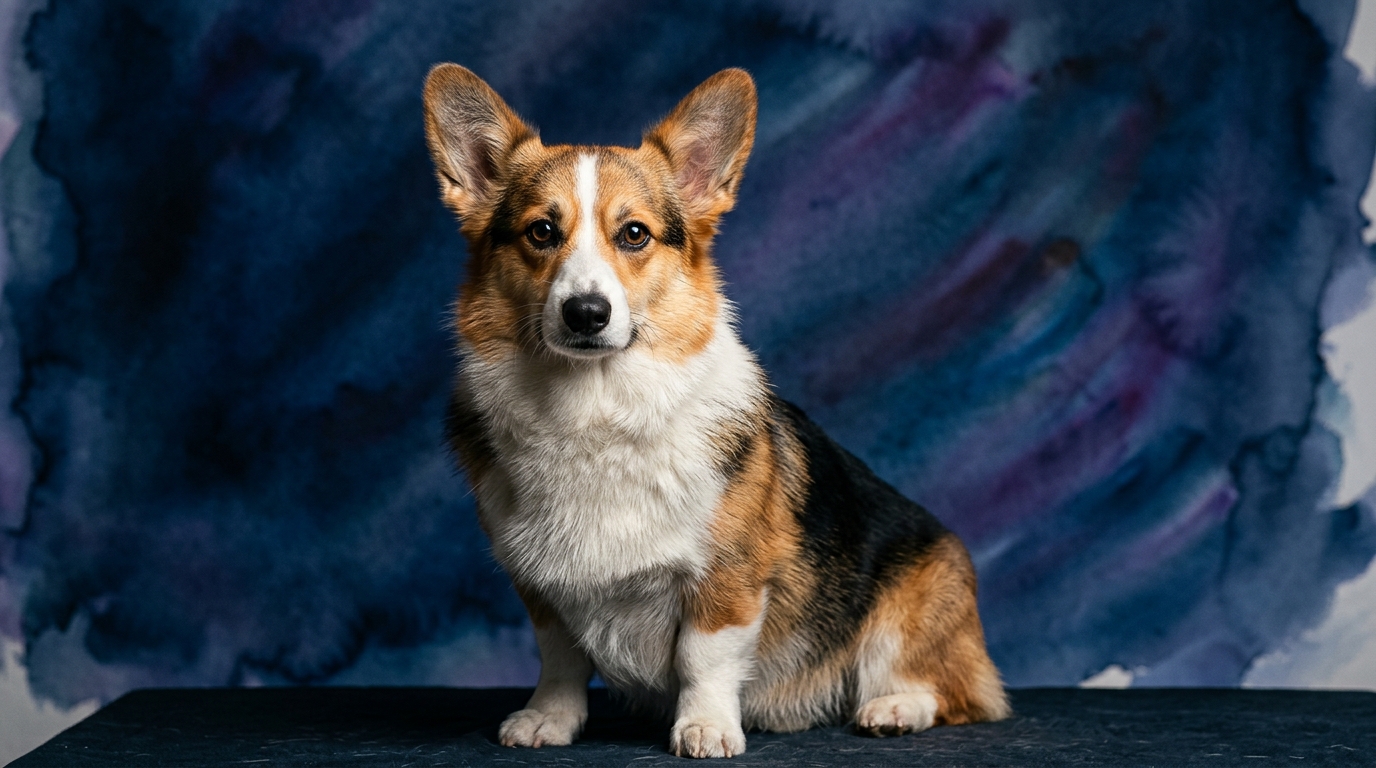
The Pembroke Welsh Corgi, a herding breed, stands out with a Coren rank of #11, indicating a high capacity for understanding and executing commands. Their problem-solving ability is rated at 4/5, showing a strong capacity for analyzing situations and devising strategies, much like maneuvering livestock. Training speed is an exceptional 5/5, meaning they acquire new behaviors rapidly and respond quickly to instruction. Social intelligence is 4/5, reflecting their keen awareness of human cues and household dynamics, allowing them to adapt well to family routines. An instinctive drive of 5/5 means the powerful impulse to herd is deeply ingrained, manifesting as a desire to gather and organize. Finally, their memory is a solid 4/5, aiding in long-term skill retention and consistent performance.
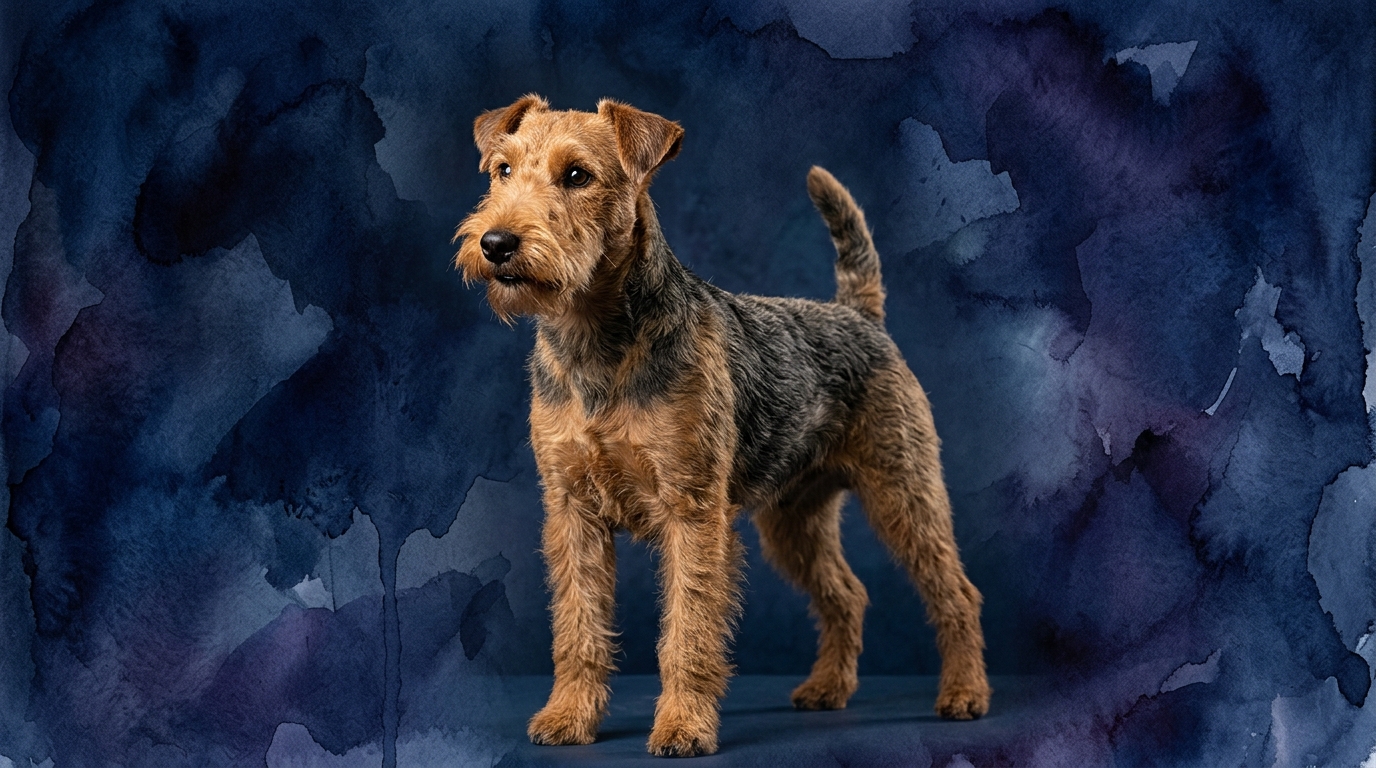
In contrast, the Welsh Terrier, a terrier group member, is not Coren-ranked, suggesting a different cognitive emphasis. Their problem-solving is rated at 3/5; they approach challenges with determination but might rely more on trial-and-error or physical persistence, characteristic of their independent hunting style. Training speed is 3/5, indicating they learn at a more measured pace, often requiring more repetition and motivational variety due to their independent nature. Social intelligence is 3/5; they are affectionate but can be more reserved in reading subtle human emotional shifts, often preferring direct interactions. Their instinctive drive is 3/5, focused on individual pursuit and investigation, driving their exploration and digging rather than cooperative management. Memory is also 3/5; their recall of commands and experiences is solid, yet they can display selective memory when a more engaging scent or activity distracts them, typical of their independent heritage.
Where Pembroke Welsh Corgi wins cognitively
The Pembroke Welsh Corgi’s cognitive strengths are particularly evident in their operational intelligence, a trait reflected in their impressive #11 Coren ranking. This means they are exceptionally adept at understanding human directives, learning tasks quickly, and responding reliably to commands. Their superior training speed, rated at 5/5, directly translates into their ability to master complex sequences of actions with remarkable efficiency, often requiring fewer repetitions than many other breeds.
The Corgi's problem-solving capacity, at 4/5, frequently involves strategic thinking, a skill refined through their historical role in managing livestock. They demonstrate a thoughtful approach to assessing situations and formulating plans, whether it’s figuring out how to retrieve a toy from a tricky spot or navigating an agility course with precision. Moreover, their high social intelligence (4/5) means they are generally more attuned to human emotions and intentions, making them highly responsive partners in cooperative tasks. This cognitive strength allows them to anticipate owner actions and adjust their behavior accordingly, fostering a strong, communicative bond and enhancing their adaptability within a family setting. Their robust memory (4/5) combined with a strong instinctive drive (5/5 for herding) further enables them to excel in structured activities, remembering expectations and possessing an inherent motivation to perform tasks aligned with their working heritage.
Where Welsh Terrier wins cognitively
While the Welsh Terrier's cognitive scores might appear lower in direct comparison, their strengths lie in a distinct set of attributes that reflect their independent terrier heritage. Their problem-solving ability, rated at 3/5, is characterized by a persistent and autonomous approach. Instead of focusing on collaborative strategy, they excel at independent exploration and overcoming physical obstacles through sheer tenacity, a crucial trait for their historical role in flushing out quarry from underground.
This breed’s instinctive drive, at 3/5, is centered less on managing a group and more on individual pursuit and investigation. This translates into a robust self-motivation for activities like scent work, digging, and chasing, driven by an internal curiosity that doesn't always require human direction to initiate. This independent drive allows them to remain engaged and purposeful even without constant handler input. Their social intelligence, rated at 3/5, while perhaps less about nuanced human reading, often manifests as a clear, direct communication style and a strong sense of self-preservation. They are less prone to anxiety about pleasing and more focused on asserting their own needs and boundaries, which can be a cognitive advantage in navigating unfamiliar social situations with confident self-assurance. The Welsh Terrier's memory (3/5) supports their independent nature by allowing them to recall locations of interest or past successful hunting strategies, even if it sometimes means recalling a forbidden digging spot with enthusiasm. Their training speed (3/5) reflects a more thoughtful, less impulsive learning style, which, once a task is truly understood and deemed worthwhile, can result in deeply ingrained habits.
Which is easier to train and why
When considering ease of training, the Pembroke Welsh Corgi generally holds a significant advantage. Their exceptional training speed (5/5) means they grasp new commands and routines with remarkable swiftness, often requiring fewer repetitions to achieve proficiency. This stems directly from their historical role as herding dogs, where understanding and executing complex, multi-step commands from a handler was paramount for effective livestock management. Their inherent eagerness to work alongside humans and their keen social intelligence (4/5) contribute significantly to this responsiveness, as they are often motivated by pleasing their owner and understanding subtle social cues.
In contrast, the Welsh Terrier, with a training speed of 3/5, presents a different training dynamic. While certainly capable of learning, their terrier independence and strong self-will mean they may require more patience, consistency, and creative motivation. Their problem-solving (3/5) often manifests as finding their own solutions rather than immediately deferring to a human-directed one. They might question the necessity of a command or simply decide that another activity, like investigating an interesting scent, is more rewarding in the moment. This doesn't indicate a lack of capacity, but rather a different motivational framework; training a Welsh Terrier often involves convincing them that cooperation is the most enjoyable and beneficial path, rather than relying solely on their inherent desire to comply. Their instinctive drive (3/5) is geared towards independent pursuit, which can sometimes compete with a handler's directives.
Which suits active owners vs relaxed owners
For owners seeking an active, engaged companion who thrives on structured activities, the Pembroke Welsh Corgi often proves to be an ideal match. Their high instinctive drive (5/5) for herding translates into a notable need for mental and physical stimulation that goes beyond simple walks. They excel in dog sports like agility, obedience, and rally, where their problem-solving (4/5) and quick training speed (5/5) are put to excellent use. These dogs require consistent engagement to prevent boredom, which can manifest as unwanted herding behaviors or excessive barking if their cognitive needs aren't met. An owner who enjoys teaching tricks, participating in canine sports, or providing regular, varied mental challenges will find a Corgi incredibly rewarding.
The Welsh Terrier, while certainly not a couch potato, can suit owners who appreciate a dog with a more independent spirit and a varied activity schedule that isn't always intensely structured. Their instinctive drive (3/5) for hunting means they enjoy activities like digging, chasing, and exploring, making them good companions for adventurous hikes or secure off-leash romps in safe areas. While they benefit from training and mental stimulation, their problem-solving (3/5) and social intelligence (3/5) suggest they might tolerate periods of less intense, self-directed activity better than a Corgi. A relaxed owner who can provide consistent, firm guidance and appreciates a dog with a strong personality and a penchant for independent investigation, rather than constant collaborative work, might find the Welsh Terrier a better fit.
The Verdict
Choose the Pembroke Welsh Corgi if you desire a highly trainable, cooperative companion eager for structured learning and collaborative activities. Their keen social awareness and quick grasp of commands make them excellent partners for dog sports and a communicative family member.
Opt for the Welsh Terrier if you appreciate an independent, tenacious companion who brings a unique blend of self-reliance and affectionate loyalty. They thrive with owners who understand their distinct terrier drive and enjoy a dog with a robust, assertive personality.
🧠 Find Your Pet's IQ Score
Our Pet IQ Lab assessment covers 25+ tests across 5 cognitive dimensions — personalized to your breed.
Take the Full IQ Test →Frequently Asked Questions
Are Corgis or Welsh Terriers better with children?
Pembroke Welsh Corgis, with their higher social intelligence (4/5), often adapt well to family dynamics and can be gentle with children, though their herding instincts might lead to playful nipping at heels. Welsh Terriers (social intelligence 3/5) can be affectionate family members but might be less tolerant of rough play, requiring supervision to ensure positive interactions.
Do Welsh Terriers require as much mental stimulation as Corgis?
While both benefit from mental engagement, Corgis, with their higher problem-solving (4/5) and strong instinctive drive (5/5 for herding), typically demand more structured, collaborative mental challenges to prevent boredom. Welsh Terriers (problem-solving 3/5, instinctive drive 3/5) thrive on exploration and scent work, often content with more independent forms of mental exercise.
Which breed is more vocal?
Pembroke Welsh Corgis are generally known for being quite vocal, often using barks to communicate or alert, a trait linked to their herding origins. Welsh Terriers can also be vocal, particularly when alerting to strangers or during play, but their barking frequency might depend more on individual temperament and training rather than a pervasive breed trait.