Side-by-Side Cognitive Profiles: Decoding Identical Scores
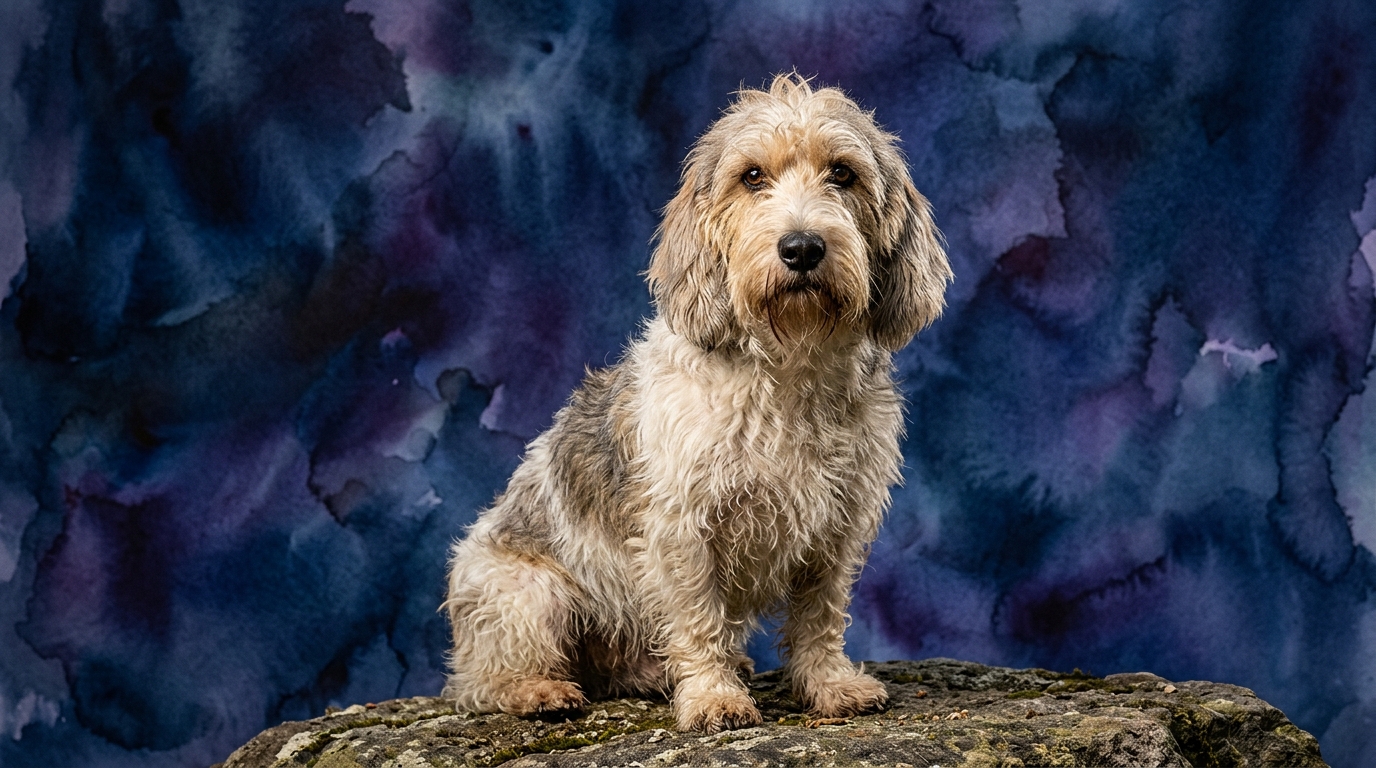
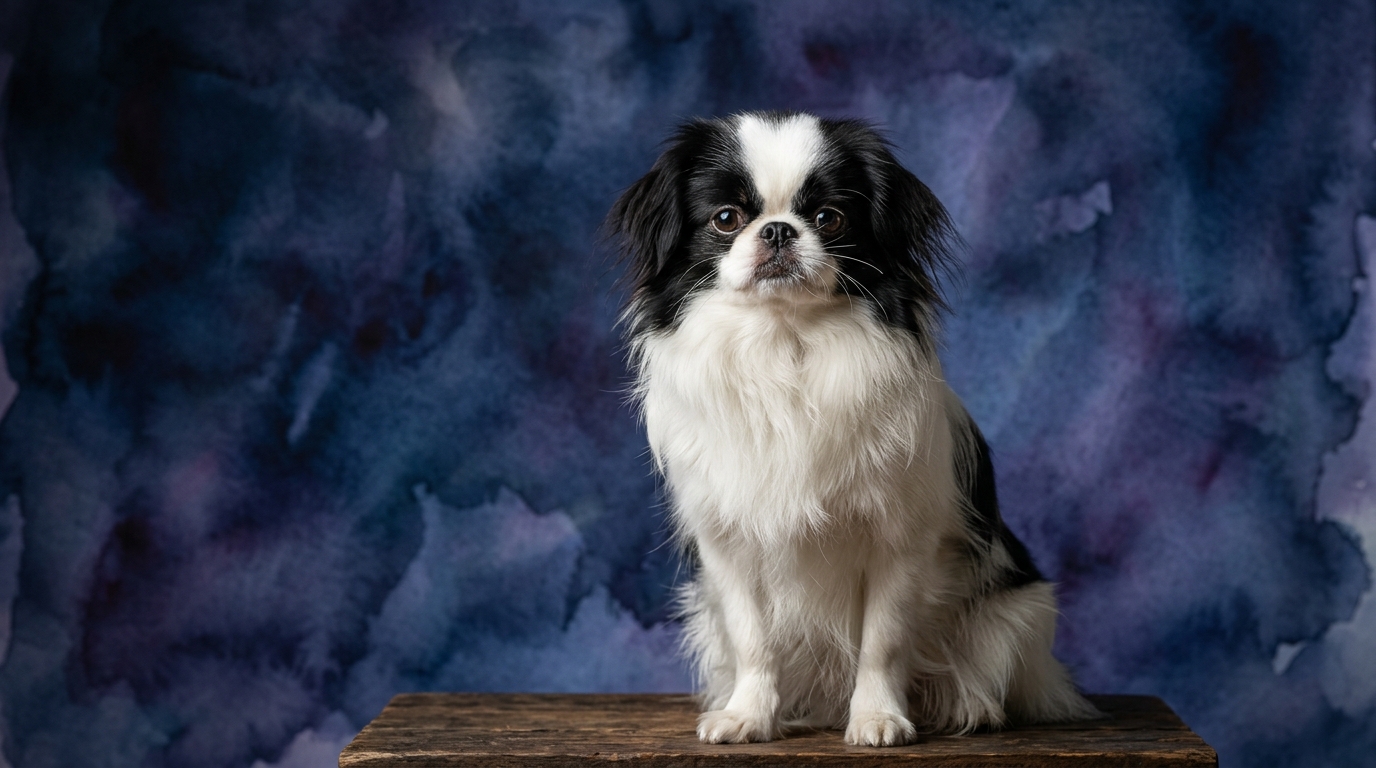
Despite their distinct appearances and breed groups, the Petit Basset Griffon Vendéen (PBGV) and the Japanese Chin share a fascinating symmetry in their Cosmic Pet Pet IQ Lab scores, each scoring 3/5 across problem solving, training speed, social intelligence, instinctive drive, and memory. This identical numerical assessment doesn't imply identical minds but rather suggests a moderate capacity within each dimension, expressed through the lens of their unique genetic predispositions and historical roles; understanding these scores requires interpreting them within the context of what a '3' means for a scent hound versus a sophisticated companion.
For the Petit Basset Griffon Vendéen, a 3/5 in Problem Solving often manifests as a practical ability to navigate complex outdoor environments, deciphering scent trails and overcoming physical obstacles in pursuit of a goal. Their Training Speed at 3/5 reflects a moderate learning curve, often tempered by their independent, hound nature that prioritizes scent over commands; Social Intelligence at 3/5 indicates a capacity for cooperative interaction within a pack or family unit, while their Instinctive Drive, also 3/5, is strongly channeled towards scent work and exploration. The Japanese Chin's 3/5 in Problem Solving typically involves understanding household routines and how to gain attention, with their Training Speed of 3/5 suggesting a reasonable pace for learning, often motivated by positive reinforcement and a desire to please. Their 3/5 Social Intelligence is a cornerstone of their being, enabling them to finely tune into human emotions and social cues for deep bonds, and their 3/5 Instinctive Drive is predominantly geared towards companionship and comfort.
Where the Petit Basset Griffon Vendéen Excels Cognitively
While both breeds share identical numerical IQ ratings, the PBGV's cognitive strengths lean into its heritage as a robust scent hound. Its 3/5 in Problem Solving, when paired with its 3/5 Instinctive Drive, allows it to excel in tasks requiring independent, persistent investigation of the environment. Imagine a PBGV systematically working a complex scent puzzle outdoors, using its keen olfactory senses to follow a trail through varied terrain, a challenge where a Chin would likely be less engaged or equipped; this is not about abstract thought, but practical, sensory-driven problem-solving crucial for its working role.
Furthermore, the PBGV's memory, though rated 3/5, is particularly adept at retaining intricate scent patterns and the layouts of explored territories, allowing them to recall the exact location of a past scent or the specific nuances of a trail encountered hours ago. This specialized memory, combined with a moderate social intelligence, allows them to cooperate in tracking activities, understanding the unspoken cues of a hunting partner, even if their primary drive remains the scent itself. Their cognitive architecture is built for the great outdoors, for navigating and interpreting a world rich in olfactory information.
Where the Japanese Chin Excels Cognitively
In contrast, the Japanese Chin's cognitive strengths lie in its profound social acumen and adaptability to human environments, even with identical 3/5 scores. Its 3/5 in Social Intelligence is finely tuned to human interaction, allowing it to interpret subtle facial expressions, vocal inflections, and body language with remarkable precision. A Chin can often anticipate its owner's mood or intentions, offering comfort or initiating play at just the right moment, a skill born from centuries of close companionship; this is a form of problem-solving applied to social dynamics, figuring out how to best interact within its human 'pack.'
The Japanese Chin's 3/5 in Memory and Instinctive Drive, when combined with its social intelligence, leads to an exceptional ability to learn and recall complex household routines and the preferences of its human family. They remember when it's time for a walk, a meal, or a cuddle, and can subtly communicate their desires. Their problem-solving might involve figuring out the most effective way to nudge a hand for petting or to position themselves perfectly for a lap nap, demonstrating a practical intelligence focused on optimizing their comfort and companionship within a domestic setting; their cognitive skills are highly specialized for harmonious cohabitation and reciprocal affection.
Which is Easier to Train and Why
When considering ease of training, the Japanese Chin generally presents a more straightforward experience for the average owner, despite both breeds sharing a 3/5 Training Speed score. The Chin's primary motivation is often to please its human companions and enjoy comfort, making it highly responsive to positive reinforcement, especially food rewards and affectionate praise; their 3/5 Social Intelligence means they are attentive to human cues and eager to engage in cooperative learning. While they can have a stubborn streak if not properly motivated, their inherent desire for closeness often overcomes this, making house training and basic obedience typically learned with consistent, gentle methods.
The Petit Basset Griffon Vendéen, while equally capable of learning at a 3/5 Training Speed, presents different training challenges rooted in its hound lineage. Their 3/5 Instinctive Drive for scent work and exploration means they are easily distracted by the rich olfactory world around them; outdoors, a compelling scent trail can completely override any command, making off-leash reliability a significant undertaking. Their independent problem-solving often means they'll 'think for themselves' rather than automatically comply, requiring more patience, consistency, and a strong understanding of hound psychology. While trainable, handlers must be prepared to manage their powerful natural instincts and work *with* their drive, rather than against it, especially in distracting environments.
Suiting Active Owners vs. Relaxed Owners
The distinction between these two breeds becomes particularly clear when matching them with owner lifestyles. The Petit Basset Griffon Vendéen is an ideal companion for active owners or those who appreciate engaging with a dog's natural working instincts. Their 3/5 Instinctive Drive and Problem Solving capacities thrive with opportunities for regular exercise, scent games, and exploration; they require daily walks, secure outdoor spaces for supervised sniffing expeditions, and mental stimulation that taps into their hound nature. Owners who enjoy hiking, scent work, or simply long, meandering walks where their dog can 'read the newspaper' (i.e., investigate scents) will find a fulfilling partner in the PBGV, as they possess a moderate energy level that needs an outlet.
Conversely, the Japanese Chin is perfectly suited for more relaxed owners who prioritize companionship and indoor activities. Their 3/5 Instinctive Drive is predominantly focused on social interaction and comfort, making them content with shorter, leisurely walks and ample cuddle time on the sofa; while they enjoy play, it's often in short bursts and within the home. Their 3/5 Social Intelligence means they are highly attuned to their human's presence and thrive on consistent, gentle interaction. Owners who work from home, are retired, or simply prefer a calm, affectionate presence will find the Chin's temperament and cognitive needs align beautifully with a more sedentary lifestyle, as they are happy to be a warm, attentive shadow.
The Verdict
Choose the Petit Basset Griffon Vendéen if you are an active owner who enjoys outdoor adventures, appreciates an independent spirit, and is prepared to channel a keen scent drive into engaging activities. This breed thrives with consistent, stimulating engagement that respects its hound heritage and offers opportunities for practical, sensory-driven problem-solving.
Opt for the Japanese Chin if you seek a devoted, gentle companion who excels in social interaction, thrives in a relaxed indoor environment, and offers intuitive emotional support. This breed is ideal for owners who prioritize close companionship and are prepared to engage with a dog whose intelligence is finely tuned to human connection and domestic harmony.
🧠 Find Your Pet's IQ Score
Our Pet IQ Lab assessment covers 25+ tests across 5 cognitive dimensions — personalized to your breed.
Take the Full IQ Test →Frequently Asked Questions
Do Petit Basset Griffon Vendéens get along with other pets?
Yes, PBGVs generally get along well with other dogs and even cats, especially if raised together. Their 3/5 Social Intelligence allows them to integrate into a multi-pet household, though their moderate prey drive means small, fast-moving critters might activate their hunting instincts.
Are Japanese Chins good with children?
Japanese Chins can be good with older, respectful children who understand how to interact gently with a small dog. Their 3/5 Social Intelligence makes them sensitive to rough play, so supervision is key to ensure positive interactions for both the dog and the child.
How much exercise does a Petit Basset Griffon Vendéen need daily?
A PBGV requires at least 45-60 minutes of varied exercise daily, including walks, playtime, and scent work. Their 3/5 Instinctive Drive means mental stimulation through sniffing and exploring is as important as physical exertion to keep them content.
What kind of mental stimulation does a Japanese Chin prefer?
Japanese Chins prefer mental stimulation that involves their human companions, such as learning new tricks for praise, playing interactive indoor games, or simply engaging in quiet cuddle sessions. Their 3/5 Social Intelligence thrives on attention and gentle interaction.