Side-by-Side IQ Profile: Petit Basset Griffon Vendéen vs. Keeshond
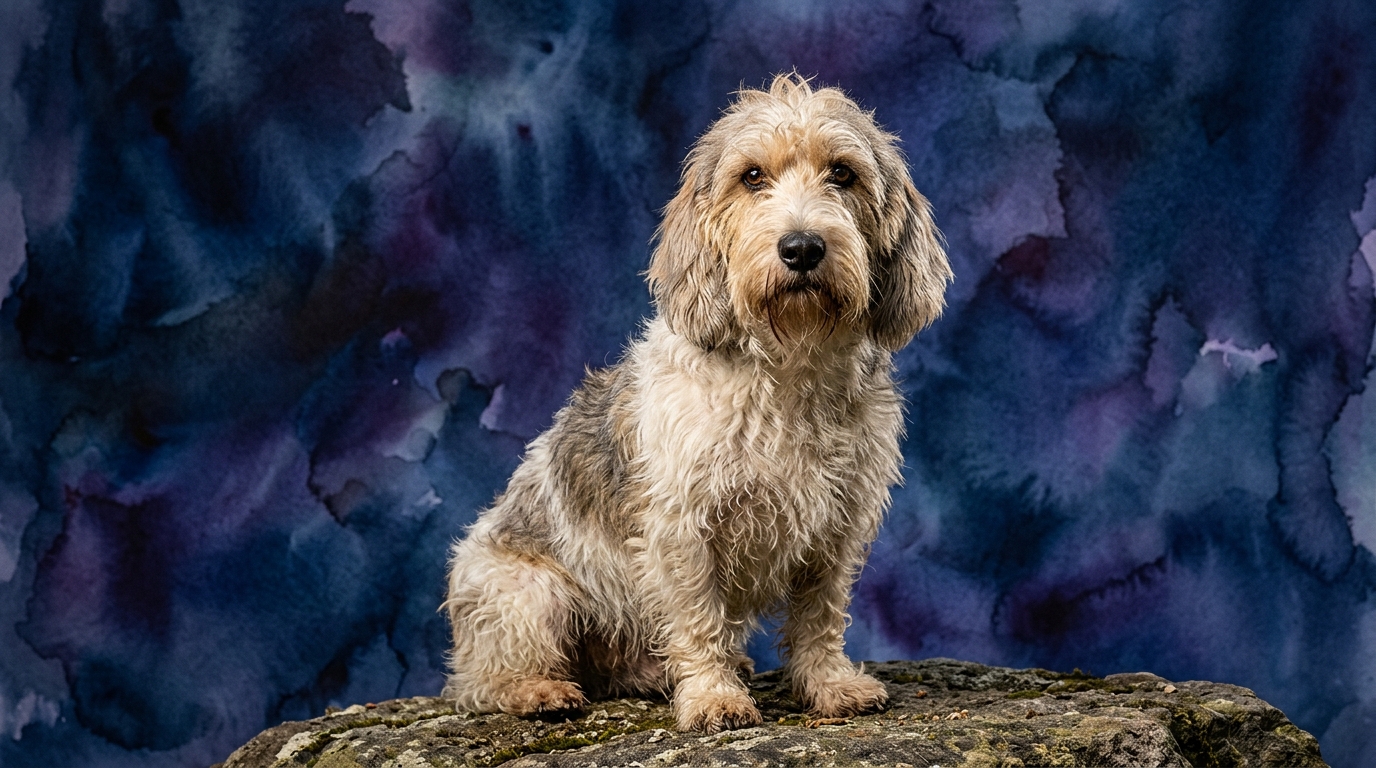
At The Cosmic Pet Pet IQ Lab, we evaluate canine intelligence across five key dimensions. For the Petit Basset Griffon Vendéen (PBGV), a charming Hound breed, we observe a balanced cognitive profile. Their Problem Solving is rated 3/5, indicating competence in tasks that align with their natural instincts, such as navigating complex scents or overcoming physical barriers through persistence. Training Speed also stands at 3/5; PBGVs can learn, but their independent, scent-driven nature means they often require consistent, engaging methods to capture their focus. Social Intelligence is 3/5, reflecting their generally amiable disposition and ability to interact appropriately in various social contexts. Their Instinctive Drive, rated 3/5, is strongly tied to their heritage as scent hounds, manifesting as a deep desire to explore and track. Finally, their Memory is 3/5, allowing them to retain learned behaviors and recognize familiar faces, though perhaps not with the precision of some other breeds.
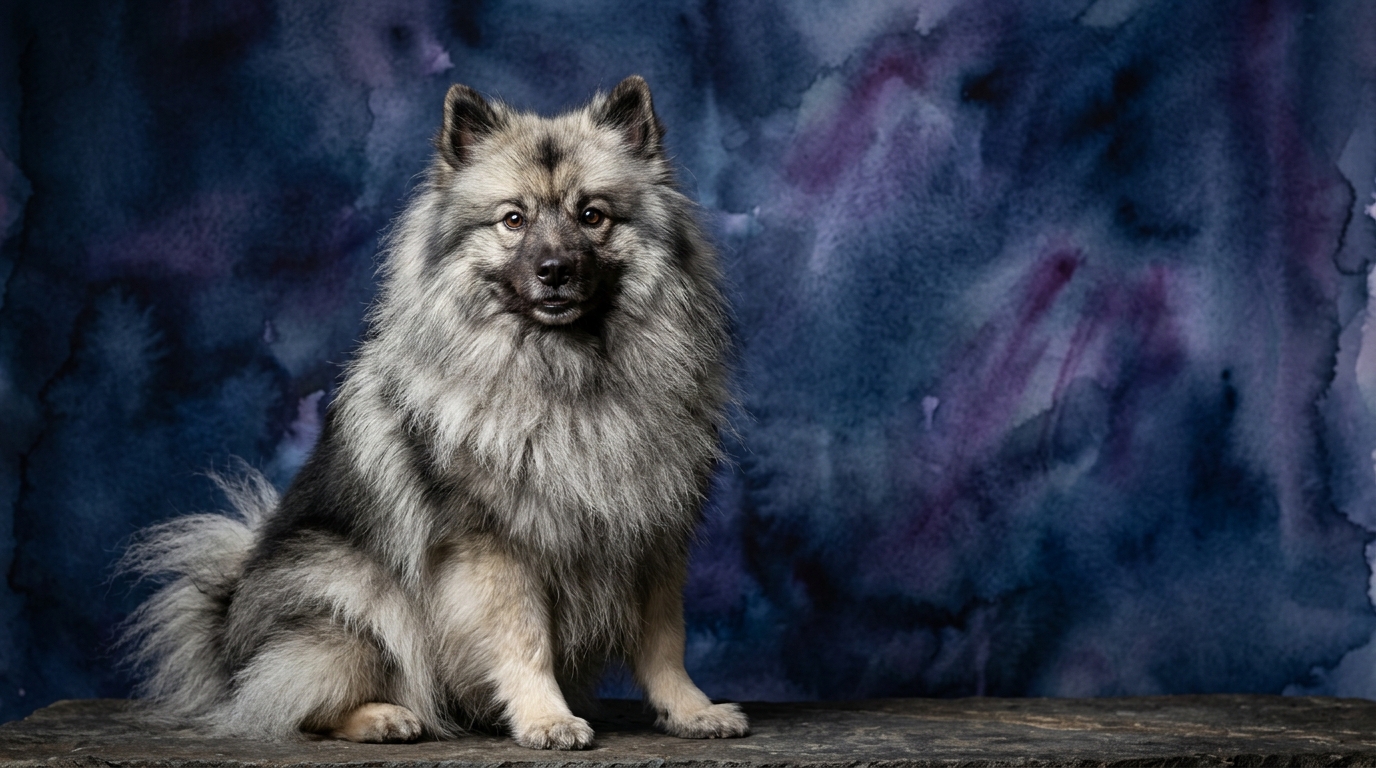
The Keeshond, a Non-Sporting breed with a Coren rank of #16, presents a cognitive profile with distinct strengths. Their Problem Solving is rated 4/5, showcasing a commendable ability to figure out new challenges, often through observation and logical deduction rather than purely instinctual action. Training Speed is also 4/5; Keeshonden typically pick up new commands and routines with impressive swiftness, eager to engage with their human companions. Their Social Intelligence is 3/5, similar to the PBGV, highlighting their strong family bonds and capacity for reading human emotions, though they can be reserved with strangers. Instinctive Drive is 3/5, primarily centered around companionship and watchful guardianship, making them excellent alert dogs without an overwhelming prey drive. Where the Keeshond truly shines is in Memory, earning a remarkable 5/5. This exceptional recall allows them to retain a vast repertoire of commands, remember specific experiences, and anticipate routines with remarkable clarity over long periods.
Where the Petit Basset Griffon Vendéen Wins Cognitively
While the Keeshond often demonstrates quicker grasp of formal training, the Petit Basset Griffon Vendéen's cognitive strengths lie in areas deeply connected to its hound heritage. Their problem-solving, rated 3/5, is particularly effective when the challenge involves tracking, scent discrimination, or navigating complex terrains to pursue an olfactory goal. A PBGV might independently figure out how to squeeze under a fence or locate a hidden treat purely by scent, demonstrating a persistent and focused approach that leverages their instinctive drive (3/5). This isn't about memorizing steps, but about applying an inherent skill set to achieve a desired outcome through exploration and sensory input. Their cognitive processing in these scenarios allows for a more fluid, adaptive response to environmental cues, making them uniquely adept at investigative tasks where a less scent-driven breed might falter.
Where the Keeshond Wins Cognitively
The Keeshond's cognitive profile boasts several clear advantages, particularly in areas valued by human-canine partnership. Their problem-solving (4/5) is more adaptable to varied challenges, often involving observation and logical deduction rather than purely instinctual pursuit. A Keeshond might quickly learn to open childproof latches or understand complex household routines, demonstrating a capacity for abstract reasoning beyond basic sensory input. Their outstanding memory (5/5) is a significant asset, allowing them to retain a vast repertoire of commands, remember specific experiences, and anticipate routines with remarkable accuracy. This superior recall means they build upon past lessons effectively, rarely forgetting a previously mastered behavior. Furthermore, their training speed (4/5) is a direct result of this memory combined with a willingness to engage, making them highly receptive to learning new tasks and consolidating them quickly.
Which Is Easier to Train and Why
Comparing the ease of training between these two breeds reveals distinct approaches and outcomes. The Keeshond, with its 4/5 training speed and exceptional 5/5 memory, generally presents a more straightforward training experience. They are eager to engage with their human companions and retain lessons efficiently, often requiring fewer repetitions to solidify a command. Their motivation often stems from a desire to please and be part of the family unit, making positive reinforcement highly effective. Real behavioral differences include their tendency to focus intently on their handler during sessions and their ability to generalize learned behaviors to new situations rapidly. In contrast, the Petit Basset Griffon Vendéen, with a 3/5 training speed and 3/5 memory, requires a more patient and creative approach. Their strong instinctive drive (3/5) towards scent exploration means they can be easily distracted by environmental stimuli. A PBGV might "forget" a command when a compelling scent crosses their path, not out of defiance, but because their cognitive processing prioritizes that deeply ingrained hound instinct. Training a PBGV often involves making the learning process feel like a fun game, utilizing their natural curiosity, and consistently competing with the allure of the outdoors. While they can and do learn, their independent nature and sensory focus mean the journey will likely involve more consistent reinforcement and creative engagement than with a Keeshond.
Which Suits Active Owners vs. Relaxed Owners
When considering ownership styles, both breeds offer unique appeals. The Petit Basset Griffon Vendéen, despite its "basset" name, is a surprisingly active dog. Their 3/5 instinctive drive, rooted in chasing and tracking, means they thrive with owners who enjoy outdoor adventures, especially those involving long walks, hikes, or even scent work games. They need opportunities to explore and satisfy their natural curiosity, making them a good fit for active owners who can provide consistent, engaging exercise that stimulates both their body and their nose. Their independent streak also means they can entertain themselves to some extent, but still require mental engagement. For the Keeshond, while they enjoy walks and playtime, their activity requirements are generally more moderate. Their social intelligence (3/5) and companion-oriented nature mean they are perfectly content with owners who enjoy shared, relaxed activities, perhaps a daily walk followed by quality time indoors. They are adaptable to various living situations as long as they are with their family. A relaxed owner who enjoys a watchful, devoted companion by their side, and who can provide consistent mental stimulation through training and interaction, would find the Keeshond a delightful fit. They are less driven by external exploration and more by familial presence.
The Verdict
For those seeking a dog that quickly masters commands, remembers lessons consistently, and is deeply attuned to family dynamics, the Keeshond is the clear choice.
If your lifestyle embraces outdoor exploration, scent-driven games, and an independent spirit that finds joy in the chase and discovery, the Petit Basset Griffon Vendéen will be a fulfilling companion.
🧠 Find Your Pet's IQ Score
Our Pet IQ Lab assessment covers 25+ tests across 5 cognitive dimensions — personalized to your breed.
Take the Full IQ Test →Frequently Asked Questions
Are Keeshonden difficult to train because of their watch dog nature?
Not at all. While Keeshonden have an instinctive drive (3/5) to be watchful and will alert to new things, their strong memory (5/5) and training speed (4/5) make them quite receptive to learning. They can be trained to differentiate between true threats and normal occurrences, and their tendency to bark can be managed with consistent behavioral reinforcement.
Do Petit Basset Griffon Vendéens get along with other pets?
Generally, yes. Their social intelligence (3/5) means they are usually amiable with other dogs and can coexist peacefully with cats if introduced properly. However, their instinctive drive (3/5) for scent and chase means small, fast-moving pets might occasionally trigger their prey drive, so supervision during initial introductions is always advisable.
How much mental stimulation does a Keeshond need daily?
Keeshonden benefit from consistent mental stimulation due to their problem-solving (4/5) and memory (5/5) capabilities. Daily training sessions, puzzle toys, and interactive games are excellent ways to engage their minds. While not as physically demanding as some breeds, neglecting their mental needs can lead to boredom, so varied activities are key.