Side-by-Side IQ Profile: Petit Basset Griffon Vendéen vs. Schipperke
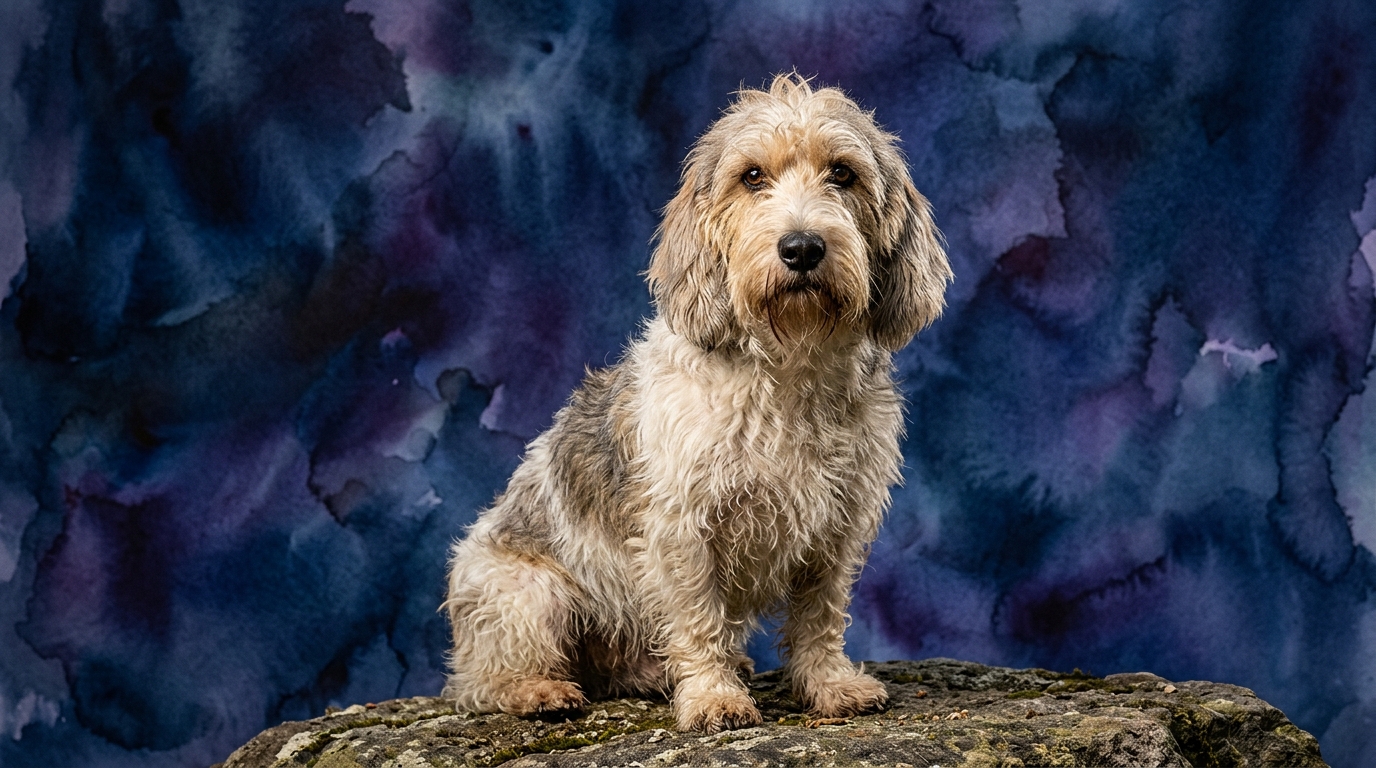
The Petit Basset Griffon Vendéen, often affectionately called a PBGV, embodies the cognitive traits of a dedicated scent hound. Their Problem Solving is rated 3/5, reflecting an aptitude for independent reasoning when tracking, often prioritizing a scent trail over direct human instruction. Training Speed, also 3/5, indicates they learn at a moderate pace, requiring consistent, positive reinforcement to overcome their inherent independence and focus on human-centric tasks. Social Intelligence stands at 3/5, suggesting a balanced understanding of pack dynamics and human communication, capable of forming strong bonds while maintaining a certain self-reliance. Their Instinctive Drive, a robust 3/5, is heavily geared towards scent work and following a trail, a powerful internal motivator that shapes much of their behavior and cognitive effort. Memory, at 3/5, allows them to retain learned behaviors and recognize familiar patterns, but perhaps not with the same rapid, long-term recall seen in breeds bred for complex, multi-stage tasks.
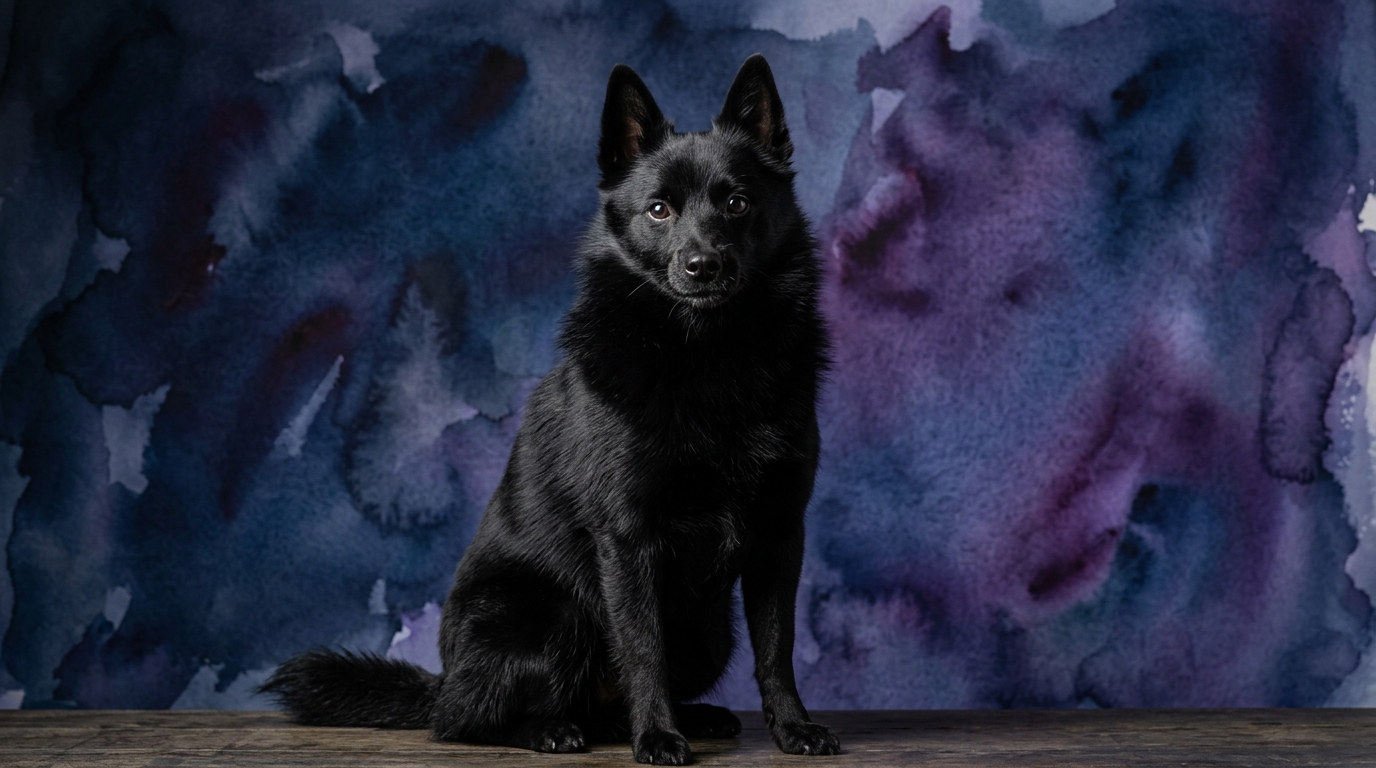
In stark contrast, the Schipperke presents a profile of acute mental agility. Their Problem Solving is a standout 5/5, demonstrating an exceptional capacity to analyze situations, devise strategies, and overcome obstacles, often with a mischievous flair. Training Speed is equally impressive at 5/5, signifying their rapid assimilation of new commands and concepts, making them quick studies in various disciplines. Social Intelligence, rated 3/5, indicates they understand social cues and family structures well, often developing deep, protective bonds, though their interactions can be assertive. Their Instinctive Drive, also 3/5, is powerfully channeled into vigilance, guarding, and herding, manifesting as an alert, watchful nature that drives their cognitive focus. Memory, a perfect 5/5, highlights their ability to recall complex sequences, commands, and experiences with remarkable precision and longevity, contributing significantly to their trainability and adaptability.
Where the Petit Basset Griffon Vendéen Wins Cognitively
While the Schipperke excels in speed and complex obedience, the Petit Basset Griffon Vendéen's cognitive strengths lie in a different domain: nuanced sensory processing and independent, persistent problem-solving within a natural environment. Their 3/5 Problem Solving score, though lower than the Schipperke's, specifically reflects their mastery of scent-based challenges. A PBGV can meticulously follow an intricate scent trail, deciphering subtle environmental cues that would be invisible to many other breeds. This isn't about solving a puzzle box for a treat; it's about independently navigating a complex olfactory landscape, a truly specialized form of intelligence. Their Instinctive Drive of 3/5, channeled into this precise tracking, means their brain is hardwired for this specific type of cognitive work. They demonstrate a unique form of 'situational awareness' rooted in their nose, allowing them to make independent decisions based on real-world sensory input, rather than waiting for human direction. This cognitive independence, while sometimes posing a challenge in formal obedience, is a profound advantage for tasks requiring sustained focus on an external stimulus and self-directed exploration, allowing them to work through a problem on their own terms, often with great success in their chosen field of scent work. Their social intelligence, also 3/5, allows them to cooperate effectively within a hunting pack or family unit, understanding their role without needing constant, explicit instruction, relying more on subtle group dynamics than rigid hierarchy.
Where the Schipperke Wins Cognitively
The Schipperke's cognitive architecture presents a clear advantage in areas demanding rapid learning, precise execution, and versatile problem-solving. Their Problem Solving score of 5/5 means they are adept at analyzing novel situations and quickly formulating effective responses, whether it's figuring out how to open a gate or mastering a new agility course obstacle. This breed demonstrates an impressive capacity for abstract thought relative to their size, often anticipating events and adapting their behavior accordingly. Their Training Speed, also 5/5, underscores their exceptional ability to absorb and integrate new information. A Schipperke can learn a new command or trick in remarkably few repetitions, making them highly receptive to advanced training and dog sports. This quick learning is bolstered by their 5/5 Memory score, allowing them to retain vast repertoires of commands, routines, and experiences over long periods. They don't just learn; they remember reliably, enabling complex sequencing and a deep understanding of their human's expectations. This combination of swift learning, enduring memory, and proactive problem-solving makes them exceptionally adaptable and capable of excelling in roles requiring mental dexterity, such as obedience, agility, or even complex assistance tasks. Their instinctive drive, rated 3/5, combined with their sharp intellect, fuels their vigilant nature, making them perceptive observers of their environment, always ready to process and react to new stimuli.
Which is Easier to Train and Why
Without question, the Schipperke is generally easier to train, primarily due to their superior Training Speed (5/5) and Memory (5/5). They possess an innate eagerness to learn and please, coupled with the cognitive capacity to grasp concepts rapidly and retain them long-term. A Schipperke typically requires fewer repetitions to master a new command, and once learned, it's deeply ingrained. Their problem-solving prowess means they can often generalize learned behaviors to new contexts, making them flexible learners. For instance, teaching a Schipperke a multi-stage trick or a complex agility sequence will likely progress quickly, with the dog understanding the 'why' and 'how' with minimal prompting. In contrast, the Petit Basset Griffon Vendéen, with a Training Speed and Memory of 3/5, presents a more nuanced training experience. While certainly trainable, their independent hound nature means they often prioritize following their nose over human directives. This isn't a lack of intelligence, but rather a different motivational hierarchy. Training a PBGV requires more patience, creativity, and a strong understanding of positive reinforcement to make lessons more appealing than a compelling scent. They might learn a command, but their recall could be challenged by a strong outdoor scent. PBGVs will retain what they learn, but the initial acquisition may take longer, and proofing behaviors in distracting environments will be a more significant undertaking than with a Schipperke, whose focus is more readily directed by their handler.
Which Suits Active Owners vs. Relaxed Owners
When considering activity levels, neither of these breeds is truly suited for a 'relaxed' owner in the sense of minimal engagement; both require mental and physical stimulation, albeit of different kinds. The Schipperke, with its sharp wit and abundant energy, thrives with active owners who can provide consistent mental challenges and outlets for their keen intellect. They excel in dog sports like agility, obedience, and rally, which tap into their problem-solving skills and rapid learning. An owner who enjoys structured training, regular exercise, and engaging in interactive play will find a Schipperke a fulfilling companion. Their vigilance also means they appreciate having a 'job' to do, even if it's just monitoring the household. The Petit Basset Griffon Vendéen, while also energetic, suits a different kind of active owner. Their strong instinctive drive (3/5) for scent work means they need opportunities to explore with their nose. Owners who enjoy long, rambling walks, allowing their dog to investigate scents, or who are interested in scent work games or tracking activities, will align well with a PBGV. Their independence means they might not be the dog for someone seeking perfect heel work on every outing, but rather a companion for outdoor adventures where they can engage their natural abilities. While they enjoy comfort at home, their minds and bodies are built for exploration, making them less suited for purely sedentary lifestyles.
The Verdict
Choose the Petit Basset Griffon Vendéen if you appreciate an independent, scent-driven companion for outdoor adventures and are prepared for a training approach that respects their natural instincts over strict, rapid obedience.
Opt for the Schipperke if you seek a quick-witted, highly trainable partner for dog sports, guarding, or complex tasks, and are ready to provide consistent mental challenges and structured engagement.
🧠 Find Your Pet's IQ Score
Our Pet IQ Lab assessment covers 25+ tests across 5 cognitive dimensions — personalized to your breed.
Take the Full IQ Test →Frequently Asked Questions
Is the Petit Basset Griffon Vendéen difficult to train?
While not 'difficult,' their independent hound nature and strong scent drive mean training requires more patience and creative motivation than with some other breeds. They learn at a moderate pace, so consistency and positive reinforcement are key to success.
What makes the Schipperke so quick to learn?
Schipperkes possess a remarkable combination of high problem-solving ability, rapid training speed, and excellent memory, enabling them to quickly grasp new commands and retain complex information with minimal repetition. This makes them highly adaptable and receptive to various training disciplines.
Which breed is better for a first-time dog owner?
A Schipperke might be more manageable for a first-time owner seeking a highly trainable dog, provided they are prepared for its energy and need for mental stimulation. A PBGV, with its independent nature and scent-driven focus, might present more unique training challenges that could be overwhelming for a novice.