Side-by-side IQ profile
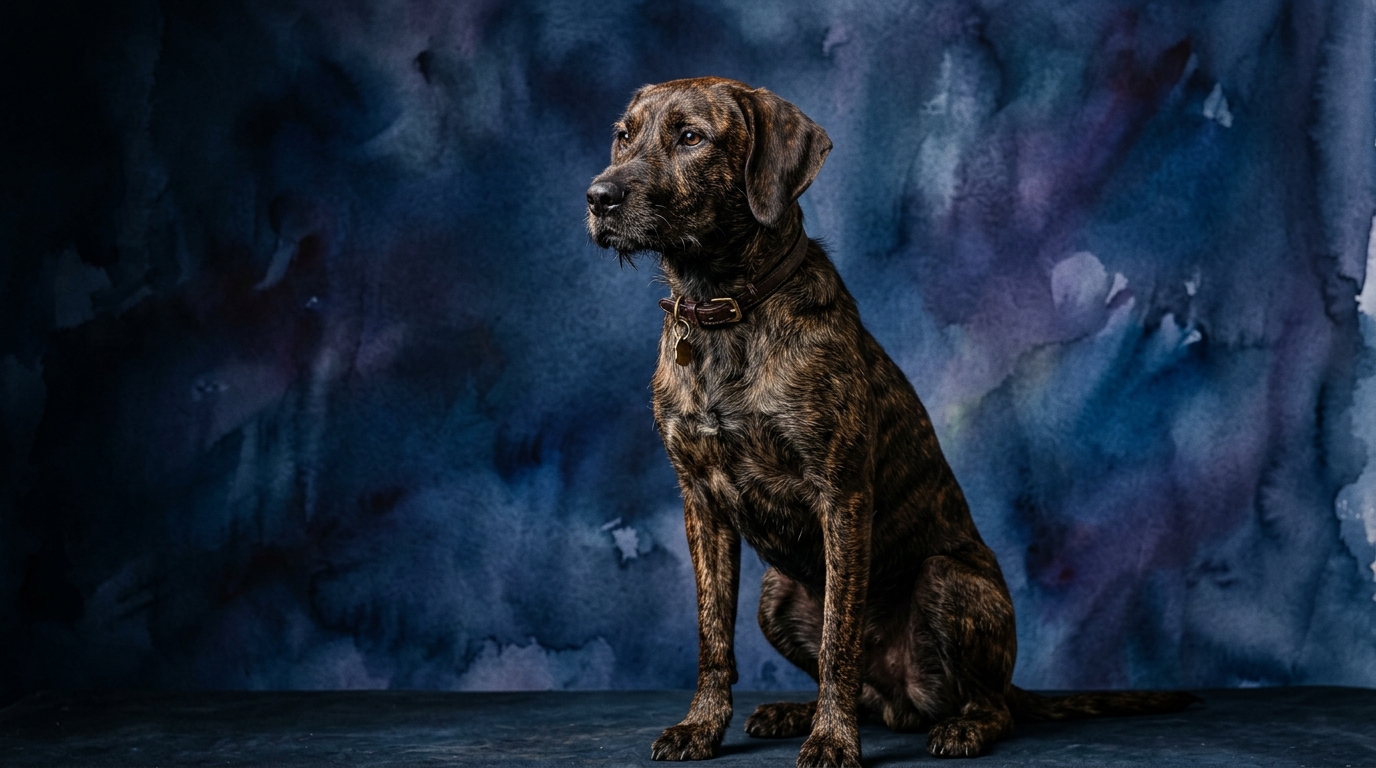
**Plott Hound (Hound Group)**: This breed showcases cognitive traits honed for the chase. Their **Problem Solving (3/5)** is adept at navigating complex scent trails and overcoming environmental obstacles during pursuit, demonstrating a practical intelligence focused on their hunting task. **Training Speed (3/5)** indicates they learn new commands at a moderate pace, but their independent nature and strong drive mean consistency is key, especially when competing with compelling outdoor stimuli. Their **Social Intelligence (3/5)** shows a moderate understanding of social cues, forming good relationships within their family or pack, with their primary social drive often linked to their working context. The Plott’s **Instinctive Drive (3/5)** possesses a pronounced innate urge to scent, trail, and bay, guiding much of their physical and mental effort towards their ancestral hunting role. Finally, their **Memory (3/5)** exhibits good recall for locations, routes, and specific scents, crucial for building mental maps and effectively pursuing trails.
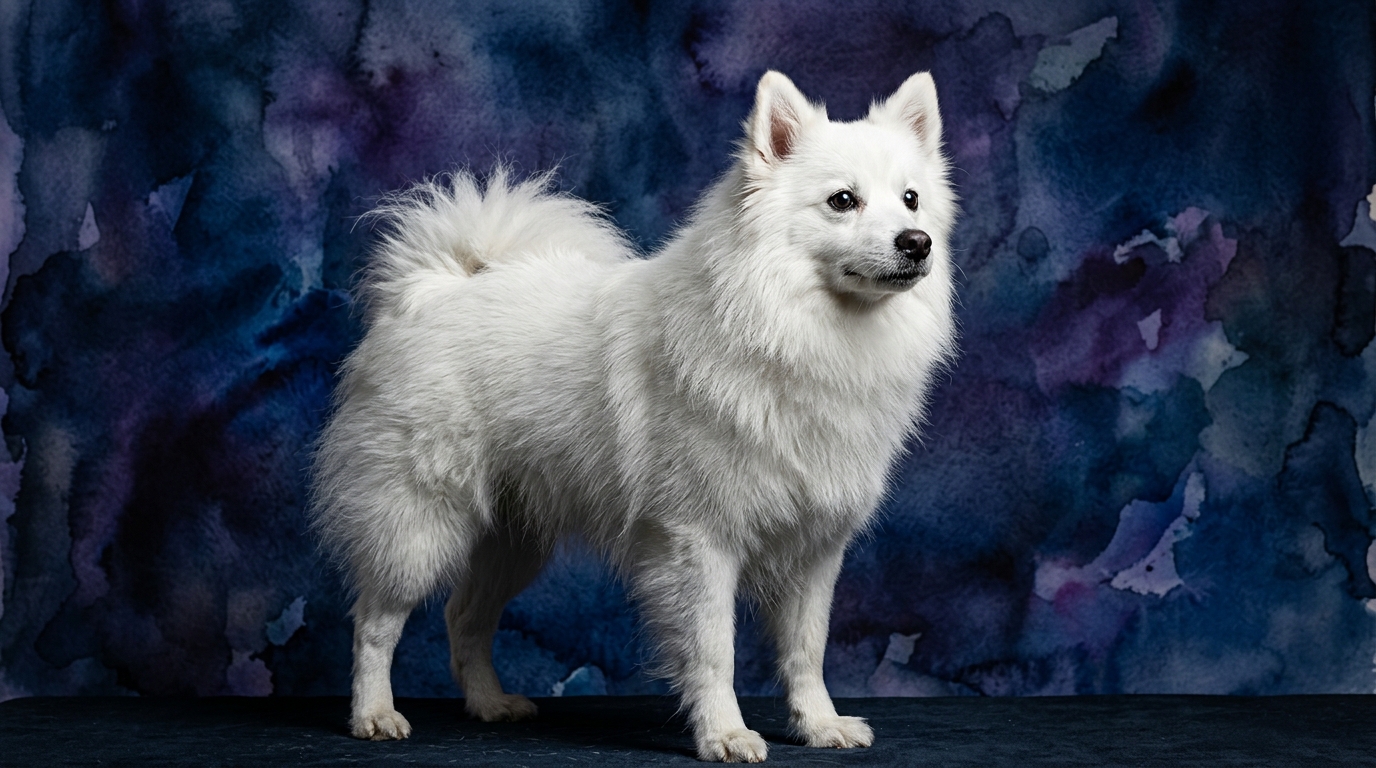
**American Eskimo Dog (Non-Sporting Group)**: This companion breed applies its cognitive abilities with a different focus. Their **Problem Solving (3/5)** demonstrates a moderate ability to tackle new challenges in domestic settings, such as figuring out how to access toys or adapting to household routines. **Training Speed (3/5)** means they are capable of learning at a moderate pace, often eager to please and responsive to positive reinforcement, making basic obedience and trick training generally straightforward. Their **Social Intelligence (3/5)** shows a moderate capacity for social understanding, adept at reading human emotions and intentions, thriving on companionship and adapting well to family dynamics. The Eskie’s **Instinctive Drive (3/5)** manifests as alertness, a desire to guard their family, and an inclination towards vocalization, influencing their interactions and vigilance. Their **Memory (3/5)** possesses good recall for commands, routines, and familiar people and places, aiding their adaptation to household rules and reinforcing learned behaviors.
Where Plott Hound wins cognitively
The Plott Hound's cognitive strengths truly shine in scenarios demanding sustained focus on a singular, instinct-driven task, particularly scent work. Despite both breeds scoring 3/5 in Instinctive Drive and Memory, the Plott's application is uniquely specialized. Their problem-solving capacity (3/5) is acutely honed for navigating complex environments to locate a specific scent. This means they excel at breaking down intricate trails, recalling previous scent markers (Memory 3/5) to re-establish a lost path, and demonstrating incredible stamina in mental and physical pursuit. While an American Eskimo Dog might solve a puzzle for a treat, a Plott Hound solves the puzzle of a fading scent trail across miles of varied terrain, showcasing profound dedication and cognitive resilience within their specific domain.
Where American Eskimo Dog wins cognitively
The American Eskimo Dog's cognitive advantages become apparent in their adaptability to diverse domestic and social situations, a nuanced manifestation of their 3/5 Problem Solving and Social Intelligence scores. While a Plott's problem-solving is task-specific, the Eskie often demonstrates a broader, more flexible approach to everyday challenges, such as figuring out how to get attention or adapting to new routines quickly. Their social intelligence (3/5) often translates into a nuanced understanding of human social dynamics within a home, allowing them to integrate seamlessly as a companion. They are often quick to discern household rules and can even anticipate owner's intentions, displaying a practical, relational intelligence. Furthermore, their memory (3/5) is particularly strong for associating specific actions with desired outcomes in a companion setting, making them adept at learning complex sequences of tricks or routines.
Which is easier to train and why
Despite identical 3/5 scores in Training Speed, the American Eskimo Dog generally presents a more straightforward training experience for the average owner. Eskies, bred for companionship, typically exhibit a strong desire to please and respond well to positive reinforcement. Their social intelligence (3/5) makes them highly attuned to handler cues, facilitating communication. While they can have an independent streak, their primary motivation is often connection and reward, making them receptive to varied training for obedience, agility, or tricks. The Plott Hound, conversely, while capable of learning at a moderate pace, possesses a powerful Instinctive Drive (3/5) for scent work that can often overshadow other motivations. When a Plott catches a compelling scent, their focus becomes singular, making redirection challenging. This demands more patience, consistency, and creative methods to integrate obedience with their natural instincts. Therefore, the Eskie's inherent handler-focus usually makes the process smoother for general companion training.
Which suits active owners vs relaxed owners
For truly active owners who thrive on outdoor adventures and engaging in structured, focused activities, the Plott Hound is an excellent match. Their 3/5 Instinctive Drive fuels a need for substantial physical exercise and mental engagement, ideally in environments where their scenting abilities can be utilized, such as hiking or tracking sports. A Plott needs more than just a walk; they require opportunities to explore and expend their considerable energy purposefully. Owners who enjoy long treks in varied terrain will find their Plott a dedicated and tireless partner. The American Eskimo Dog, while also requiring regular exercise and mental stimulation, is generally more adaptable to a slightly less intense activity schedule. Their energy levels are robust, enjoying brisk walks, playtime, or participation in dog sports. However, their activity needs can often be met with focused play and consistent daily exercise, rather than the extended, instinct-driven excursions a Plott typically craves. They are very much "people dogs" and thrive on interaction within the home.
The Verdict
Choose the Plott Hound if you are an active, outdoors-oriented individual or family who can provide consistent opportunities for their keen scenting instincts to be exercised, offering a fulfilling partnership in outdoor pursuits.
Opt for the American Eskimo Dog if you desire a highly interactive, adaptable companion who thrives on social engagement and enjoys a varied routine of play, training, and affectionate companionship within a family setting.
🧠 Find Your Pet's IQ Score
Our Pet IQ Lab assessment covers 25+ tests across 5 cognitive dimensions — personalized to your breed.
Take the Full IQ Test →Frequently Asked Questions
Do Plott Hounds make good family pets despite their strong hunting drive?
Yes, Plott Hounds can be devoted family pets, especially if their exercise and mental stimulation needs are consistently met; they are generally good with children and other dogs when properly socialized, but their strong scent drive means secure containment and leash training are crucial.
Are American Eskimo Dogs prone to being overly vocal?
American Eskimo Dogs, with their 3/5 Instinctive Drive for vigilance, can be prone to barking to alert their owners to new sights or sounds; consistent training and early socialization can help manage this vocal tendency, but they are naturally alert companions.
Can either breed excel in dog sports like agility or obedience?
Both breeds possess the cognitive capacity (3/5 Training Speed) to excel in dog sports; American Eskimo Dogs often take to obedience and agility readily due to their eagerness to please, while Plott Hounds can shine in scent work or tracking sports where their natural instincts are leveraged.