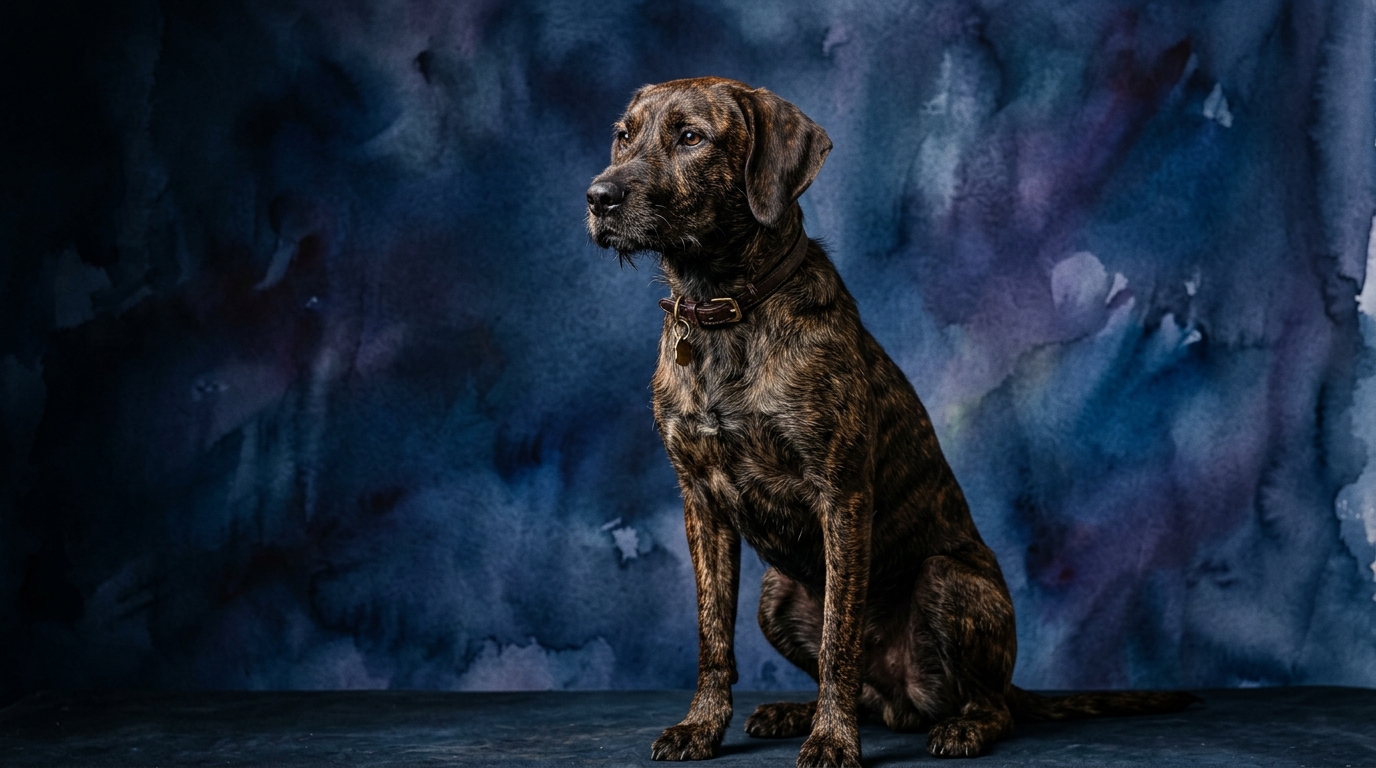
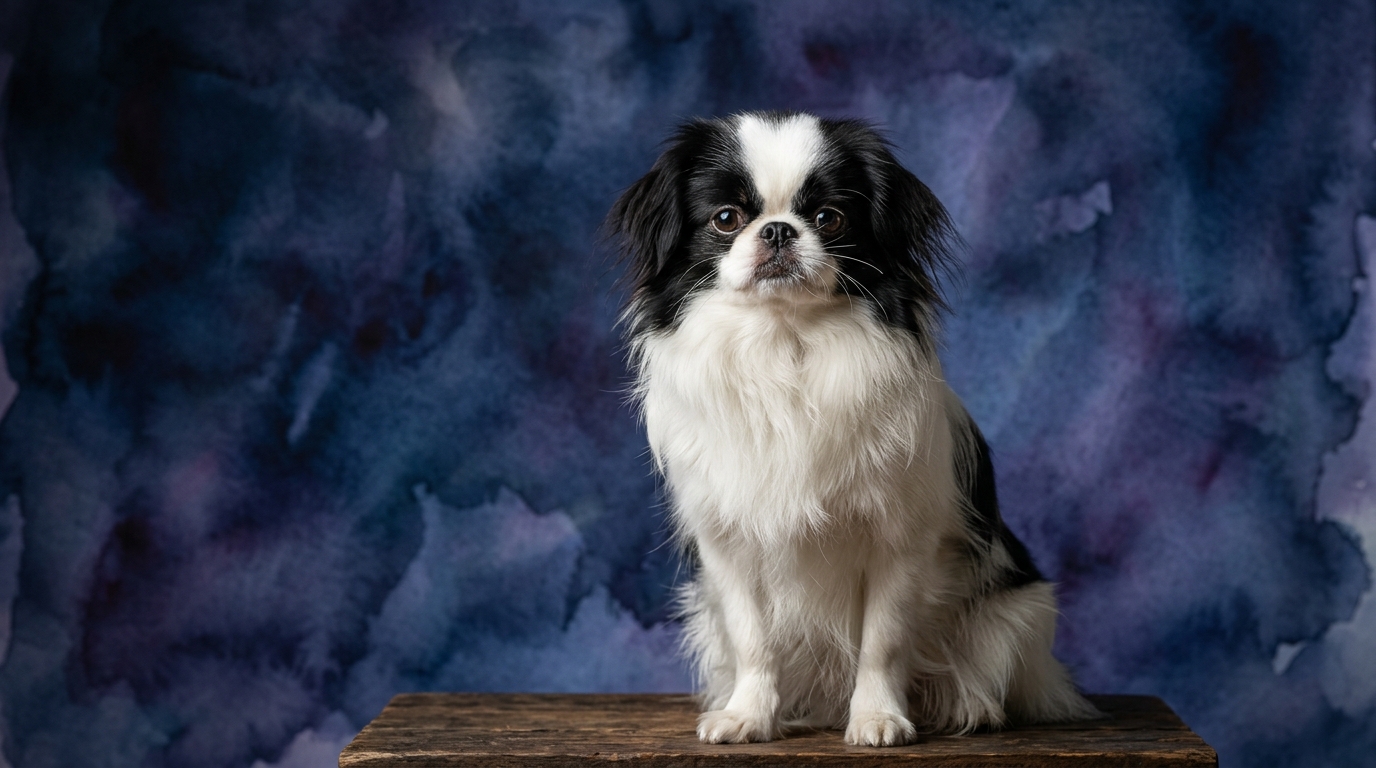
Side-by-Side IQ Profile: Plott Hound vs. Japanese Chin
The Cosmic Pet Pet IQ Lab assesses canine intelligence across five key dimensions, and interestingly, both the Plott Hound and the Japanese Chin score a consistent 3/5 in each category, suggesting a moderate, adaptable cognitive capacity. However, the manifestation of these scores differs profoundly based on their breed-specific roles and inherent temperaments.
For the **Plott Hound**, a 3/5 in **Problem Solving** indicates a practical intelligence, excelling at intricate scent-based puzzles and navigating complex outdoor terrains to achieve a goal, rather than abstract conceptual tasks. Their **Training Speed** at 3/5 means they are capable of learning commands at a moderate pace, but their independent nature and single-minded focus on scent work can sometimes make consistent compliance a nuanced endeavor, requiring engaging and high-value rewards. **Social Intelligence** at 3/5 suggests they are adept at understanding pack hierarchy and communicating with other dogs, while also forming strong, loyal bonds with their human family, though they might express affection and social cues in a more understated manner than some companion breeds. Their **Instinctive Drive** of 3/5 is clearly characterized by a strong, persistent urge for tracking and scent work, a core aspect of their cognitive makeup that fuels their exploration and problem-solving in the field. Finally, their **Memory** (3/5) implies a solid recall for learned routes, scent patterns, and past experiences, particularly those related to their hunting heritage, allowing them to recall complex sequences of events.
The **Japanese Chin**, conversely, also scores 3/5 across the board, but these scores reflect a different set of cognitive strengths. Their **Problem Solving** (3/5) exhibits a cleverness in navigating household dynamics, figuring out how to gain attention or manipulate situations to their comfort, though they are less inclined towards complex physical puzzles or independent outdoor exploration. **Training Speed** at 3/5 means they learn new commands and routines at a moderate pace, often motivated by positive reinforcement and a desire to please their favored human, though their sensitive nature can lead to distraction if not approached gently. Their **Social Intelligence** (3/5) is highly attuned to human emotions and household routines, excelling at subtle communication within a family unit and adapting gracefully to social settings, forming deep, intuitive bonds with their primary caregivers. The **Instinctive Drive** (3/5) of a Japanese Chin is primarily fueled by companionship and comfort, demonstrating a moderate drive for play with toys or a gentle curiosity about their immediate surroundings, rather than a strong urge for independent work or extensive physical tasks. Their **Memory** (3/5) shows a reliable recall for people, established household rules, preferred routines, and past interactions, contributing to their adaptability and ability to integrate seamlessly into family life.
Where the Plott Hound Wins Cognitively
The Plott Hound's cognitive strengths distinctly shine in environments that demand self-reliance and sustained sensory engagement. Their problem-solving, rated 3/5, is geared towards practical applications in the field; they excel at unraveling complex scent trails, navigating varied terrains, and making independent decisions to pursue a quarry. This isn't about solving a puzzle box for treats, but rather piecing together environmental cues over long distances, demonstrating a sophisticated form of applied intelligence rooted in their hound heritage. Their 3/5 instinctive drive, specifically for tracking, means they possess an unparalleled mental endurance for tasks that require prolonged focus on a single sensory input, filtering out distractions to achieve a goal. This specific cognitive advantage allows them to operate autonomously and efficiently in challenging outdoor settings, showcasing a profound ability to interpret and act upon their environment's subtle signals.
Where the Japanese Chin Wins Cognitively
Conversely, the Japanese Chin's cognitive prowess, also rated 3/5 across the board, is exquisitely tailored for a life of companionship and nuanced social interaction within a domestic setting. Their social intelligence, at 3/5, allows them to master the intricate dynamics of human households, often anticipating their owner's moods and preferences with remarkable accuracy. This isn't merely about obedience; it's about a deep, intuitive understanding of their human companions, enabling them to offer comfort or solicit attention with subtle cues. Their problem-solving (3/5), while not about tracking, manifests as a cleverness in manipulating situations for their benefit, whether it's finding the warmest spot on the couch or charming a treat out of a family member. The Japanese Chin's memory (3/5) is particularly strong for routines and personal relationships, making them adept at adapting to family life and remembering who provides the best cuddles or the quickest route to the treat jar.
Which is Easier to Train and Why
Assessing which breed is 'easier' to train requires understanding their motivations and inherent behavioral tendencies, even with identical 3/5 training speed scores. The Plott Hound, while capable of learning, often approaches training with an independent spirit. Their formidable instinctive drive (3/5) for scent work means their focus can be heavily influenced by environmental stimuli; a captivating scent can quickly override a command, making consistency a significant challenge. Training a Plott demands engaging methods that leverage their natural curiosity and provide high-value rewards to compete with their primal urges. Owners must be patient, persistent, and creative, making training feel like a collaborative hunt or puzzle rather than rote memorization. Their problem-solving (3/5) is applied to their work, so training needs to feel purposeful and connected to a tangible outcome they value.
The Japanese Chin, on the other hand, often responds well to gentle, positive reinforcement, driven by their strong social intelligence (3/5) and desire for companionship. Their training speed (3/5) suggests they can pick up commands, but their sensitive nature means harsh corrections are counterproductive, potentially leading to withdrawal or stubbornness. While they may not have the Plott's overwhelming outdoor distractions, they can be easily bored or distracted by household activity, or simply decide a command isn't worth their effort if not adequately motivated. Their problem-solving (3/5) often involves figuring out how to get human attention, which can be harnessed for training. Owners will find success with short, fun sessions, focusing on building a positive relationship and making learning feel like a game that strengthens their bond. Ultimately, neither is 'easy' in a passive sense; the Plott requires more strategic engagement to overcome drive, while the Chin requires more sensitivity to maintain focus and motivation.
Which Suits Active Owners vs. Relaxed Owners
The cognitive profiles of these two breeds naturally align with different owner lifestyles. The Plott Hound, with its 3/5 instinctive drive and practical problem-solving capabilities, thrives with active owners who can channel their robust mental and physical energy. They require consistent outlets for their scenting abilities, whether through structured scent work, long hikes in varied terrain, or participation in dog sports like tracking or agility. An owner who understands and appreciates a dog with an independent mind and a powerful drive for exploration will find the Plott a rewarding companion. Their 3/5 memory for routes and experiences means they can develop complex relationships with their environment, making them excellent partners for adventurous individuals who enjoy spending significant time outdoors, providing both mental stimulation and physical exertion.
In contrast, the Japanese Chin, with its 3/5 social intelligence and focus on companionship, is an ideal match for relaxed owners who cherish a close indoor bond. These dogs flourish in a home environment where they can be integral members of the family, enjoying quiet evenings on the couch and gentle play sessions. Their problem-solving (3/5) is geared towards understanding and navigating human social structures, making them adept at fitting into a calm household routine. Owners who appreciate a dog that is content with shorter, leisurely walks and prefers the comforts of home will find the Japanese Chin a delightful presence. Their strong memory (3/5) for household routines and personal relationships ensures they quickly become a seamlessly integrated and beloved family member, offering subtle companionship and quiet affection to those with a more laid-back lifestyle.
The Verdict
Choose a Plott Hound if you are an active individual or family who enjoys outdoor adventures, has a passion for scent work or hiking, and can provide consistent, engaging training to channel their independent drive and practical problem-solving skills. They thrive with owners who appreciate a dog's self-reliance and robust physical and mental needs.
Opt for a Japanese Chin if you lead a more relaxed lifestyle, desire a devoted companion for indoor living, and appreciate a dog with refined social intelligence that seamlessly integrates into a quiet household, responding best to gentle training and consistent affection. They are ideal for those seeking a close, intuitive bond without extensive outdoor demands.
🧠 Find Your Pet's IQ Score
Our Pet IQ Lab assessment covers 25+ tests across 5 cognitive dimensions — personalized to your breed.
Take the Full IQ Test →Frequently Asked Questions
Are Plott Hounds good family dogs?
Plott Hounds can be loyal family dogs, especially with active families who can meet their exercise and mental stimulation needs. Their social intelligence helps them bond, but their strong drive means they require consistent guidance and integration into family activities.
Do Japanese Chins bark a lot?
Japanese Chins can be prone to barking, particularly if bored, seeking attention, or alerted to strangers, utilizing their social intelligence to communicate needs. However, consistent training and appropriate mental engagement can help manage excessive vocalization.
How much exercise does a Plott Hound need daily?
A Plott Hound requires significant daily exercise, typically 60-90 minutes of vigorous activity like running, hiking, or scent work, to satisfy their instinctive drive and maintain their physical and mental well-being. This is crucial to prevent boredom and destructive behaviors.