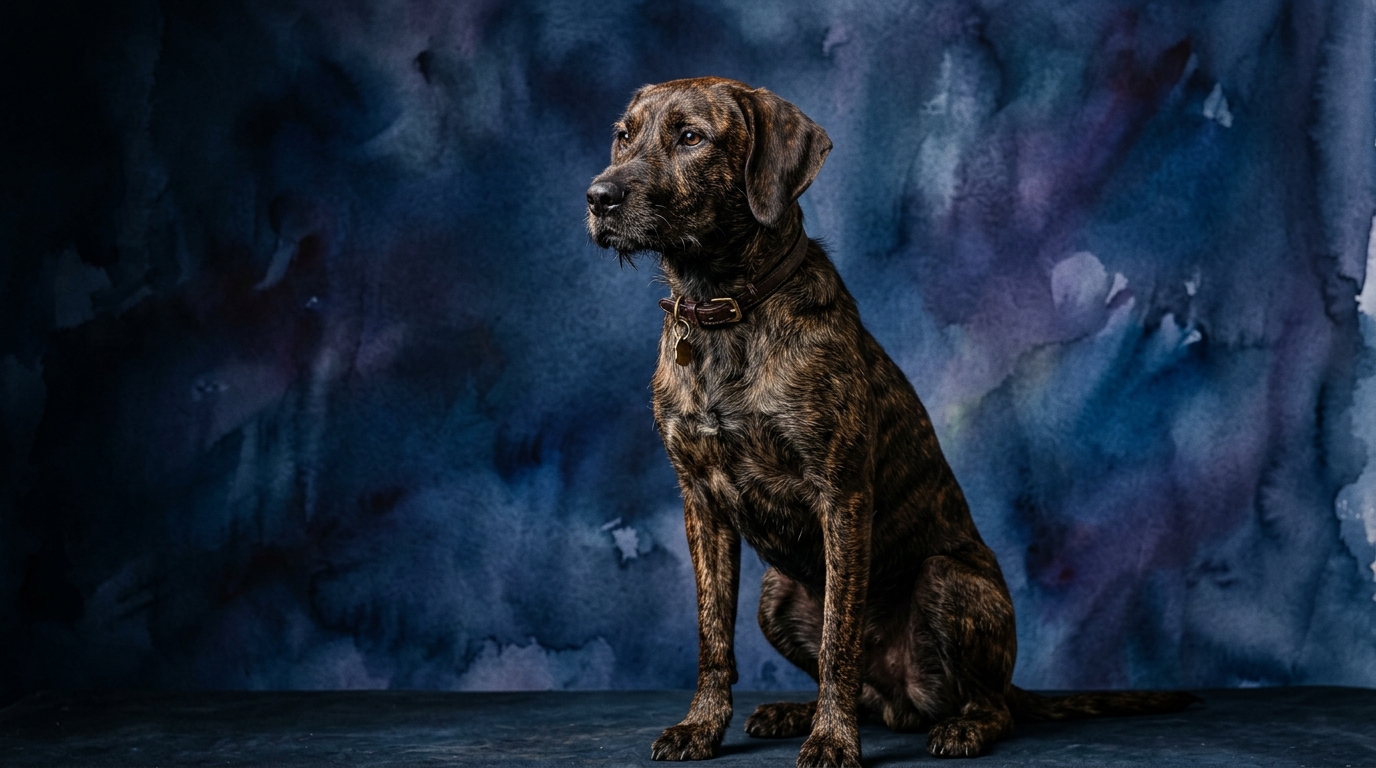
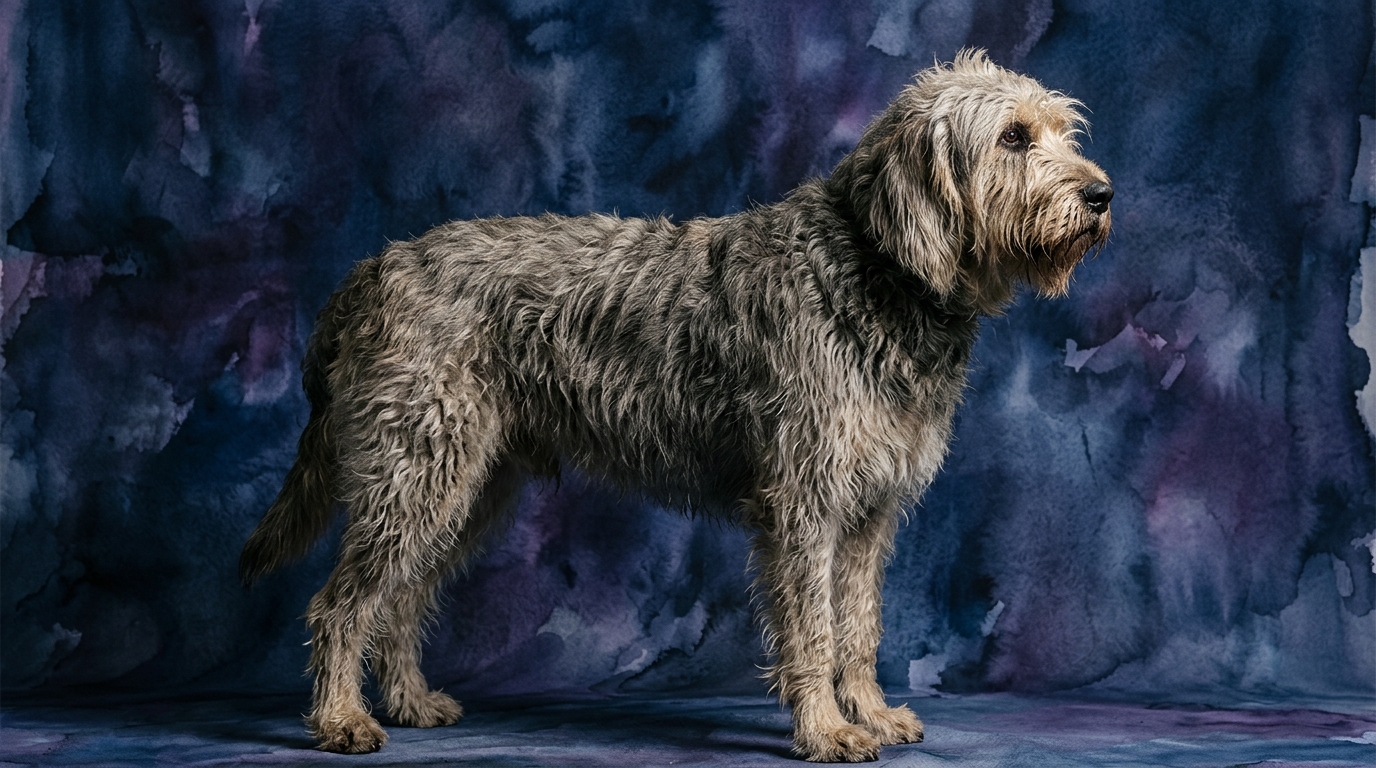
Side-by-Side IQ Profile: Plott Hound vs. Otterhound
**Plott Hound Cognitive Breakdown:** The Plott Hound exhibits a focused, tenacious problem-solving style (3/5), particularly when tracking. Their intelligence shines in navigating complex terrain and outsmarting quarry, demonstrating a strategic persistence rather than abstract reasoning. Learning for a Plott is a deliberate process (Training Speed 3/5); they respond well to consistent, positive reinforcement and a clear purpose, but their independent hound nature means they process commands with a degree of self-assessment before compliance. Plotts possess a nuanced social awareness (Social Intelligence 3/5), forming deep bonds with their immediate family and often displaying reserved caution with strangers, sensitive to pack dynamics and human emotions within their trusted circle. Their instinctive drive (3/5) is profoundly tied to scent and pursuit, a sophisticated system of sensory processing and action driving them to follow a trail with unwavering focus and vocal communication. Plott Hounds demonstrate strong recall (Memory 3/5) for scent trails, established routines, and commands, especially those associated with their working purpose, allowing them to learn and retain complex patterns.
**Otterhound Cognitive Breakdown:** The Otterhound’s problem-solving is uniquely adapted to aquatic environments (3/5). They excel at deciphering scent trails in water, navigating currents, and overcoming physical obstacles posed by rivers and lakes, showcasing adaptability and persistence. Training an Otterhound requires patience and creativity (Training Speed 3/5); while capable of learning, their powerful nose and boisterous nature can lead to distractions, with success often hinging on making lessons engaging and channeling their natural drive. Otterhounds are generally more outgoing and gregarious (Social Intelligence 3/5), often viewing new people and dogs as potential playmates, their social intelligence expressed through an amiable curiosity and a desire to be part of the family's activities. Their instinctive drive (3/5) is a powerful blend of scent-following and water immersion, compelling them to explore, swim, and track with an enthusiasm that can sometimes override other considerations. Otterhounds possess an impressive memory (3/5) for scent patterns, especially those related to water, and can recall past hunting grounds or favorite swimming spots; they remember commands but may require consistent reinforcement to overcome distractions.
Where the Plott Hound Wins Cognitively
The Plott Hound's cognitive strengths lean into focused determination and strategic pursuit. Their problem-solving, while rated similarly, manifests with a sharper, more singular purpose when on a scent trail, demonstrating a relentless, almost calculated drive to overcome obstacles and outmaneuver prey. This involves a profound ability to filter out irrelevant sensory input, allowing for unparalleled concentration during a hunt. Their social intelligence, though more reserved than the Otterhound's, allows for a more nuanced understanding of their handler's specific commands and expectations within a working context, fostering a deeply committed partnership. They often exhibit a higher degree of responsiveness to subtle cues from their primary handler, crucial for coordinated hunting efforts.
Where the Otterhound Wins Cognitively
The Otterhound distinguishes itself with a remarkable adaptability to diverse and challenging environments, particularly water. Their problem-solving excels in dynamic, fluid situations, where they must constantly re-evaluate scent trails influenced by currents and changing conditions, showcasing a flexible and resilient mental approach. Their social intelligence shines through their broad amiability and ability to integrate smoothly into various social settings, often charming strangers with their good-natured curiosity and boisterous playfulness. This makes them inherently more adaptable to a bustling family life or interactions with a wider circle of people and other pets, requiring less specific socialization effort to be comfortable in new situations.
Which is Easier to Train and Why
When evaluating ease of training, the Plott Hound generally presents a slightly more straightforward path, provided the owner understands their hound nature. Their "3/5" training speed, coupled with their inherent desire to work collaboratively with a trusted handler, means that once a Plott understands the purpose and reward of a command, they tend to apply themselves with focused effort. Their intelligence in this realm is about consistency and clear communication; they learn through repetition and positive reinforcement, particularly when tasks align with their natural drives. In contrast, the Otterhound's "3/5" training speed is often complicated by their exuberant personality and powerful olfactory distractions. Their social intelligence and amiable nature mean they *want* to please, but their intense instinctive drive for scent and water can make maintaining focus a significant challenge. Training an Otterhound requires immense patience, creative engagement, and a willingness to turn lessons into games to capture their attention, often requiring more persistent effort to achieve reliable obedience.
Which Suits Active Owners vs. Relaxed Owners
For owners seeking an active companion, both breeds offer considerable energy, but their ideal activities diverge. The Plott Hound thrives with purposeful activity, particularly anything involving scent work, tracking, or long hikes in varied terrain. Their energy is focused and enduring, making them excellent partners for owners who enjoy structured outdoor adventures and can provide an outlet for their strong instinctive drive. They require mental stimulation that challenges their problem-solving skills in a practical context. Conversely, the Otterhound, while equally active, possesses a more boisterous and playful energy, perfectly suited for owners who embrace water activities, muddy explorations, and a generally more free-spirited outdoor lifestyle. Their need for activity is often about exploration and sensory engagement, making them fantastic companions for owners who enjoy swimming, long walks with plenty of sniffing opportunities, and aren't afraid of a little (or a lot) of mess. For more relaxed owners, neither breed is truly a "couch potato." However, an Otterhound might be *slightly* more adaptable to a relaxed home if their significant exercise needs are met with vigorous, less structured play and exploration, as their social intelligence makes them content to simply be near their people. A Plott Hound, if not given sufficient mental and physical outlet for their drive, can become restless, making them less suitable for genuinely relaxed owners without a dedicated commitment to their working instincts.
The Verdict
Choose the Plott Hound if you value a focused, tenacious partner for scent work, tracking, or structured outdoor adventures, and appreciate a deep, loyal bond with a handler-oriented hound.
Opt for the Otterhound if you seek a boisterous, amiable companion who loves water, embraces messy outdoor explorations, and thrives on social interaction with a broad circle of family and friends.
🧠 Find Your Pet's IQ Score
Our Pet IQ Lab assessment covers 25+ tests across 5 cognitive dimensions — personalized to your breed.
Take the Full IQ Test →Frequently Asked Questions
Are Plott Hounds difficult to train given their hound nature?
Plott Hounds are not inherently difficult, but they are independent thinkers. Consistent positive reinforcement, clear expectations, and channeling their strong scent drive into training exercises make them responsive and capable learners.
Do Otterhounds require a lot of grooming due to their shaggy coat?
Yes, Otterhounds do require regular grooming. Their dense, shaggy, water-resistant coat needs weekly brushing to prevent mats and occasional stripping or trimming to maintain its health and appearance, especially after their inevitable water adventures.
How do these breeds typically interact with children and other pets?
Plott Hounds are generally good with children and other pets when properly socialized, often forming strong family bonds, though their prey drive might require careful introductions with very small animals. Otterhounds are typically boisterous and amiable with children and other pets, often seeing them as playmates, though their size and enthusiasm require supervision with very young children.