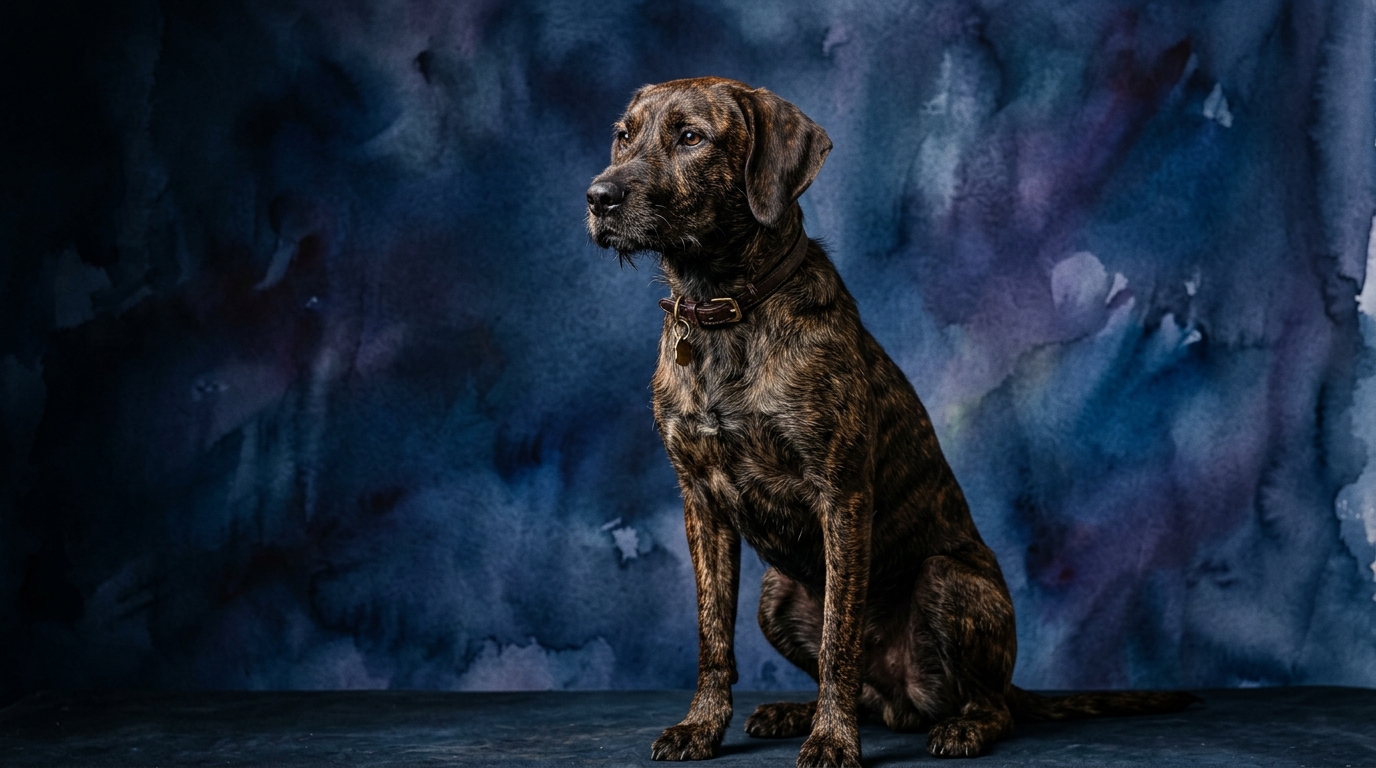
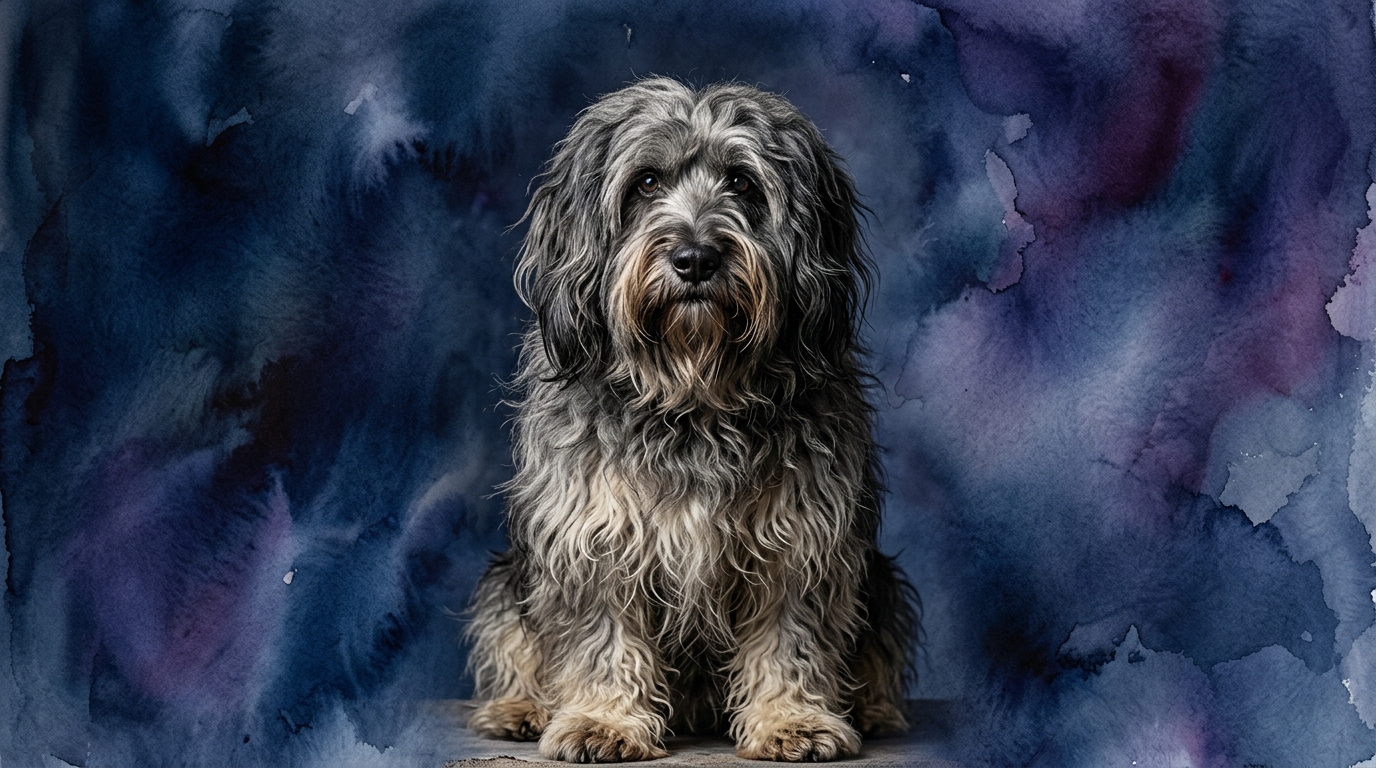
Side-by-Side IQ Profile: Plott Hound vs. Polish Lowland Sheepdog
**Plott Hound:** The Plott Hound's problem-solving acumen shines in deciphering intricate scent trails, navigating varied terrain to locate quarry. This is practical, persistent logic focused on a singular, tangible goal: following a scent to its conclusion, showcasing sustained focus within a specific sensory domain. While capable of learning, their training speed (3/5) is influenced by an independent nature and powerful instinctive drives; they grasp commands, but scent focus can make them less biddable in contexts not related to tracking, requiring patient, consistent, and reward-based methods. Plott Hounds form strong bonds with their immediate family, understanding human cues related to tasks, with their social intelligence (3/5) oriented towards cooperative roles and family integration, often exhibiting a reserved or cautious demeanor with strangers. A cornerstone of the Plott Hound is its exceptionally strong prey drive and insatiable desire to track (3/5 instinctive drive). This deep-rooted purpose compels them to pursue scents with unwavering determination and endurance, shaping much of their cognitive focus. They possess a robust memory (3/5), particularly for scent patterns, familiar territories, and learned hunting commands, serving their primary function well by allowing them to build a mental map of their environment and associated tasks.
**Polish Lowland Sheepdog:** The Polish Lowland Sheepdog, or PON, showcases problem-solving (3/5) in dynamic livestock management, involving strategic thinking to anticipate flock movements, navigating obstacles, and efficiently guiding animals. This requires spatial reasoning, quick decision-making, and adapting tactics in real-time. Generally eager to learn, PONs have a good capacity for new information (3/5 training speed), but their independent streak means they thrive on mental engagement and varied tasks, learning efficiently when training is stimulating, positive, and consistent, often seeking a collaborative partnership. Their social intelligence (3/5) is finely tuned to human and animal group dynamics, essential for herding and guarding; they are observant of surroundings, adept at reading body language. With family, they are devoted and protective, often maintaining a watchful stance towards unfamiliar individuals. A powerful herding instinct (3/5 instinctive drive) defines the PON, manifesting as a strong desire to gather, control, and protect, a complex behavioral pattern that translates into a need for a “job” and often expresses itself in attempts to herd family members or other pets. PONs exhibit a strong memory (3/5) for routines, learned commands, environment layout, and individual characteristics of their flock or family, allowing them to recall complex sequences of herding movements or remember specific training cues over long periods.
Where the Plott Hound Wins Cognitively
The Plott Hound's cognitive strengths truly shine in sustained, independent, scent-based problem-solving over vast and varied terrains. Their 3/5 in problem-solving is uniquely tailored for an unwavering focus on a singular, long-term goal – tracking a scent trail, often for hours, without direct human guidance. This specific cognitive advantage lies in their unparalleled ability to filter out irrelevant sensory input, maintain concentration on a faint odor, and deduce the most probable path, demonstrating a resilience and dedication to a task that few breeds can match. Their memory, also a 3/5, is exceptionally tuned to recalling intricate scent patterns and geographical layouts, building complex mental maps vital for their hunting endeavors.
Where the Polish Lowland Sheepdog Wins Cognitively
The Polish Lowland Sheepdog demonstrates a distinct cognitive edge in dynamic, multi-variable problem-solving, particularly involving spatial reasoning and the management of moving entities. Their 3/5 problem-solving score is expressed through a tactical intelligence for anticipating livestock movements, strategically positioning themselves, and adapting their approach in real-time to control a fluid situation. This breed excels at quickly processing changing environmental information and making independent decisions to maintain order, a skill that translates into astute observation and a keen awareness of their surroundings. Their social intelligence, also a 3/5, is geared towards a nuanced understanding of group dynamics, making them particularly adept at reading subtle cues from both humans and animals to maintain harmony or assert control.
Which is Easier to Train and Why
Both the Plott Hound and the Polish Lowland Sheepdog score 3/5 in training speed, indicating they are capable learners but present their own unique training considerations. The Plott Hound's primary challenge stems from its profound independent nature and overpowering scent drive; once its nose is engaged, external commands often become secondary. Training a Plott Hound requires immense patience, extremely high-value rewards to compete with natural instincts, and an understanding that off-leash reliability, especially near tempting scents, will demand extensive, consistent work. The Polish Lowland Sheepdog, while also possessing an independent streak and a tendency to “think for itself,” often exhibits a stronger desire for a partnership and a “job” with its human. While they can be opinionated, their herding instinct means they respond well to structured tasks and mental challenges, making them generally more receptive to a wider range of obedience training and activities that engage their tactical intellect. Therefore, for general obedience and cooperative tasks in a domestic setting, many owners might find the Polish Lowland Sheepdog marginally “easier” to train due to its inherent biddability in a working partnership, provided training is mentally stimulating and consistent.
Which Suits Active Owners vs. Relaxed Owners
Neither the Plott Hound nor the Polish Lowland Sheepdog is suitable for truly relaxed owners, as both breeds require significant engagement to thrive. The Plott Hound is unequivocally suited for active owners who relish long, strenuous outdoor adventures. Their substantial energy levels, coupled with their relentless drive to track, demand extensive physical exercise, such as long hikes, runs, or dedicated scent work, in securely fenced areas. Mental stimulation for a Plott typically revolves around opportunities to use their exceptional nose. The Polish Lowland Sheepdog also requires an active owner, but their needs are slightly different; while they need good physical exercise, their mental stimulation requirements are equally paramount. They thrive on having a “job” or engaging in activities like agility, obedience, or puzzle games that challenge their problem-solving and tactical intelligence. A PON might be content with a slightly less physically intense but more mentally demanding daily routine compared to a Plott, making them potentially suitable for owners who are active in training and enrichment rather than just endless running.
The Verdict
If you are an owner seeking a dedicated, independent scent-worker who thrives on long, challenging treks and whose greatest joy is following a trail, and you appreciate a dog whose mind is singularly focused on its instinctive pursuit, the Plott Hound is an excellent match.
Conversely, if you are looking for an intelligent, watchful companion that excels in structured activities, enjoys mental challenges, and whose protective instincts and tactical thinking make them a devoted partner in a dynamic home, the Polish Lowland Sheepdog will be a rewarding choice.
🧠 Find Your Pet's IQ Score
Our Pet IQ Lab assessment covers 25+ tests across 5 cognitive dimensions — personalized to your breed.
Take the Full IQ Test →Frequently Asked Questions
Are Plott Hounds good with children and other pets?
Plott Hounds can be wonderful family dogs, forming strong bonds with children when properly socialized from a young age, though their boisterous play might overwhelm very small kids. Their strong prey drive means careful introductions and supervision are necessary with smaller pets, while they generally cohabitate well with other dogs, especially if raised together.
How much grooming does a Polish Lowland Sheepdog require?
Polish Lowland Sheepdogs possess a dense double coat that requires significant grooming attention. Regular brushing, at least 2-3 times a week, is essential to prevent matting and to remove loose hair, especially during seasonal shedding periods, often necessitating professional grooming or a dedicated owner.
Can a Plott Hound adapt to apartment living?
Given their high energy levels, strong vocal tendencies (baying), and profound need for expansive physical activity and scent work, Plott Hounds are generally not well-suited for apartment living. They thrive in homes with large, securely fenced yards and owners committed to providing ample outdoor exercise and mental stimulation.