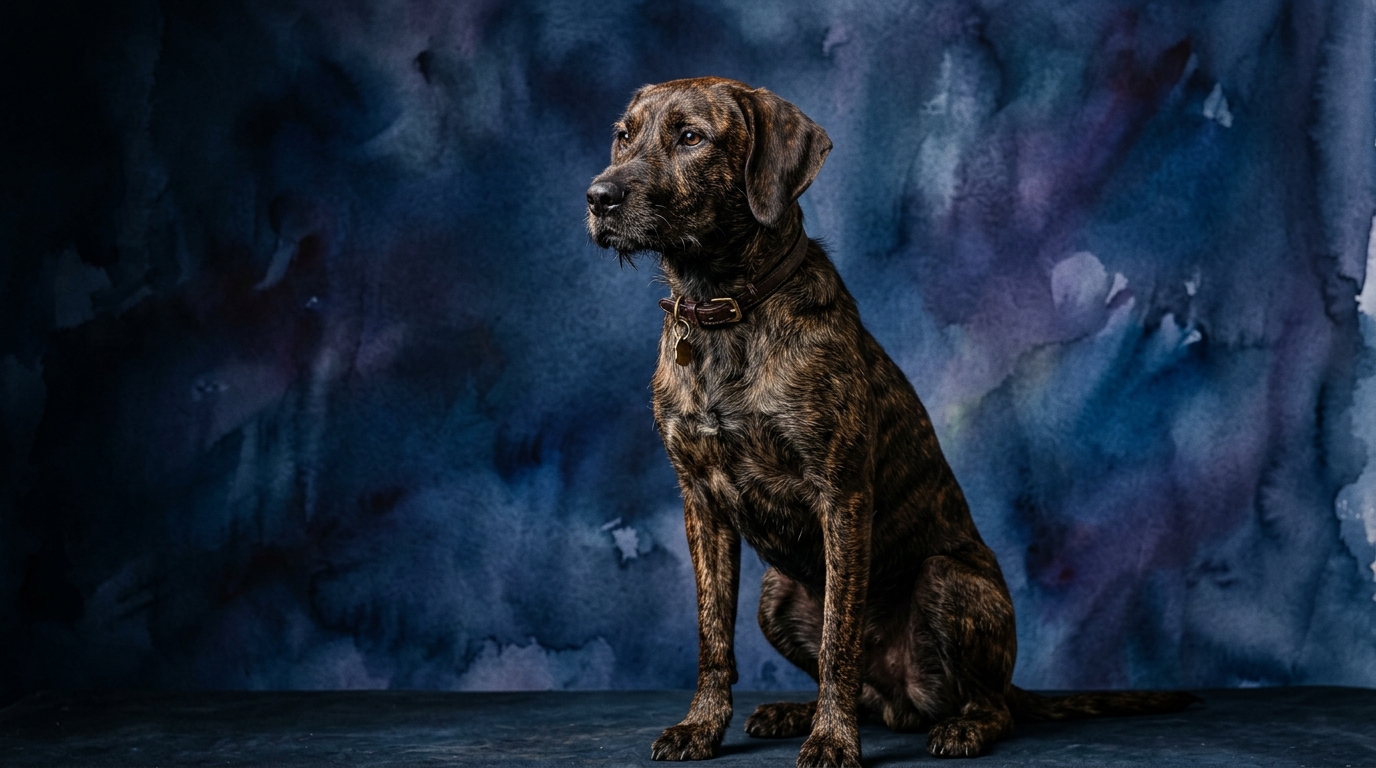
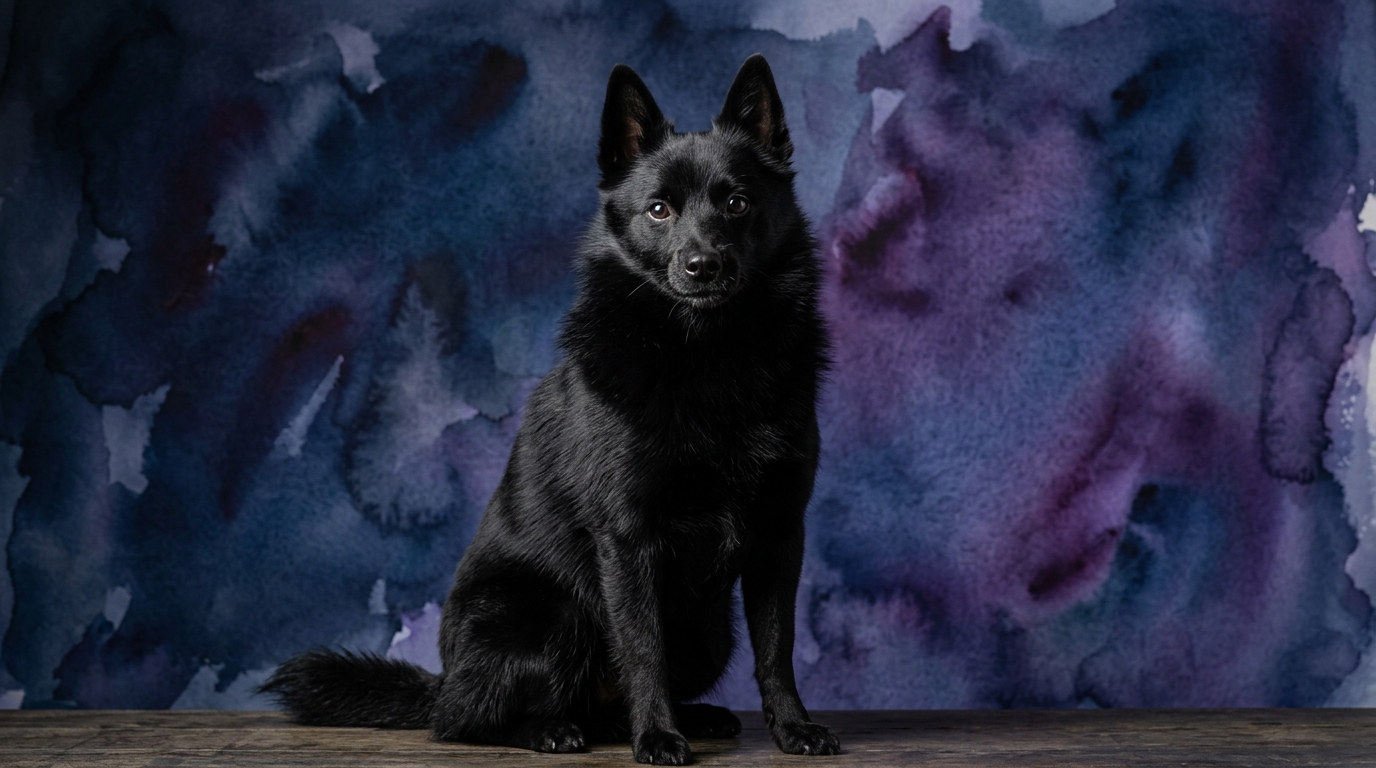
Side-by-Side Cognitive Profile: Plott Hound vs. Schipperke
The Cosmic Pet Pet IQ Lab employs five key dimensions to assess canine cognition, offering a granular view of each breed's mental aptitude. For the Plott Hound, a breed deeply rooted in scent tracking, their profile reflects a specialized set of skills. Their Problem Solving is rated at 3/5, indicating a methodical approach focused on deciphering complex scent trails and navigating varied terrain, rather than abstract puzzles. Training Speed also sits at 3/5; they learn effectively through consistent repetition, especially when tasks align with their natural drives, though their independent nature can make rapid acquisition of non-hunting commands a more deliberate process. Social Intelligence is 3/5, showing strong bonds within their family unit and an attunement to handler cues in working contexts, manifesting as unwavering companionship. Instictive Drive is 3/5, reflecting a powerful, channeled focus on scenting and tracking that fuels their determination. Finally, Memory is 3/5, signifying an excellent recall for scent trails, hunting grounds, and established routines, essential for their work.
In stark contrast, the Schipperke presents a profile of agile and quick-witted intelligence. Their Problem Solving scores an impressive 5/5, highlighting their exceptional ability to assess situations, devise novel strategies to achieve goals—be it opening a cabinet or manipulating for attention—and learn from their attempts. Training Speed is also 5/5; they pick up new commands and tricks with minimal repetition, often enjoying the mental exercise of training sessions, making them remarkably fast learners. Social Intelligence is 3/5, showcasing their perceptive observation of human companions and household dynamics, allowing them to read subtle shifts in mood and adapt their behavior. Instictive Drive is 3/5, centered around guardianship and vigilance, making them natural watchdogs with a strong prey drive for smaller vermin. Memory is a robust 5/5, indicating an impressive retention of a vast array of commands, experiences, and social interactions over extended periods, allowing them to build complex behavioral repertoires and adapt quickly.
Where the Plott Hound Excels Cognitively
When examining specialized cognitive strengths, the Plott Hound undeniably excels in sustained, singular focus driven by olfaction. Their problem-solving, while not abstract, is unparalleled in deciphering and navigating intricate scent puzzles. A Plott Hound can maintain an intense, unwavering concentration on a specific scent trail for hours, overriding other environmental stimuli that would distract many other breeds. This methodical, persistent application of their cognitive resources to a primary task is a distinct advantage. Furthermore, their memory for terrain, wind patterns, and the nuances of a particular scent line is exceptionally refined, allowing them to recall and apply past experiences directly to current tracking challenges. This deep, instinct-driven commitment to a specific cognitive domain makes them peerless in their field of expertise.
Where the Schipperke Wins Cognitively
In contrast, the Schipperke’s cognitive strengths shine in adaptability, rapid learning, and strategic thinking within a domestic context. Their superior problem-solving isn't about following a trail, but about outsmarting situations—figuring out how to open a door, retrieve a hidden toy, or even subtly influence their owners for a desired outcome. This breed's training speed is remarkable; they can acquire complex command sequences and tricks with fewer repetitions than many other dogs, often enjoying the mental gymnastics involved. Their exceptional memory complements this, allowing them to retain a vast repertoire of learned behaviors and apply them flexibly. The Schipperke wins in versatile, quick-witted application of their intellect to novel challenges, making them highly responsive and engaging companions.
Trainability: Which Breed is Easier and Why?
Between these two breeds, the Schipperke is generally considered easier to train, primarily due to their higher scores in Training Speed and Problem Solving. Schipperkes possess an inherent eagerness to learn, a quick grasp of concepts, and a desire for mental engagement that translates into rapid command acquisition. They are often motivated by praise, treats, and the sheer joy of interaction, making training sessions productive and rewarding. Their quick memory means they solidify learned behaviors swiftly, requiring less repetition to achieve reliability. This makes them highly responsive and enjoyable to teach new skills.
In contrast, the Plott Hound, while certainly trainable, requires a more patient and understanding approach. Their powerful instinctive drive for scenting means that environmental odors can be immense distractions, demanding consistent, high-value reinforcement to maintain focus on obedience tasks. Training a Plott Hound often involves working with their natural instincts, rather than against them, perhaps integrating scent work into obedience. The process can be slower and more deliberate than with the highly responsive Schipperke, as their independent nature and single-minded pursuit of scent require a dedicated handler to channel their focus effectively.
Matching Breeds to Lifestyles: Active vs. Relaxed Owners
Both the Plott Hound and the Schipperke generally thrive with active owners, though the nature of that activity differs significantly. A Plott Hound is best suited for owners who are genuinely passionate about outdoor adventures, hunting, or intense scent work. Their high instinctive drive and endurance demand vigorous physical exercise, such as long hikes, runs, or dedicated tracking sessions, to prevent boredom and destructive behaviors. They are not content with short walks around the block; their robust physical needs require an owner capable of providing substantial, consistent outdoor engagement. This breed thrives when given a purpose that aligns with its genetic predisposition for tracking.
Conversely, the Schipperke also requires an active owner, but their activity needs lean more towards mental stimulation and consistent engagement. While they enjoy physical play, their sharp minds need regular challenges like obedience training, agility, puzzle toys, and interactive games to prevent them from finding their own, potentially mischievous, entertainment. A Schipperke can adapt to a slightly smaller living space than a Plott, provided their cognitive needs are met daily through structured play and learning. Neither breed is ideal for a truly relaxed, sedentary owner who cannot commit to their specific exercise and mental engagement requirements, as both will find ways to express their unused energy.
The Verdict
Choose a Plott Hound if you are an dedicated outdoors enthusiast, prepared to channel their powerful scent drive and provide extensive physical exercise and tracking opportunities.
Opt for a Schipperke if you seek a quick-witted, highly trainable companion who thrives on mental challenges, consistent engagement, and enjoys participating in various dog sports.
🧠 Find Your Pet's IQ Score
Our Pet IQ Lab assessment covers 25+ tests across 5 cognitive dimensions — personalized to your breed.
Take the Full IQ Test →Frequently Asked Questions
Do Plott Hounds make good family pets despite their hunting instincts?
Plott Hounds can be wonderful family pets, known for their loyal and gentle nature within the home, especially with children. However, their strong hunting drive means they require consistent training, socialization, and ample physical outlets to be well-adjusted companions. They need secure yards and supervision around smaller pets due to their prey drive.
Are Schipperkes prone to barking due to their watchdog instincts?
Yes, Schipperkes have a natural inclination to be vigilant watchdogs and can be quite vocal, barking at new sights, sounds, or perceived threats. Early training and socialization are essential to manage this tendency, teaching them appropriate times to alert and when to settle. Their keen senses make them excellent, albeit sometimes noisy, home guardians.
What is the key difference in how these breeds learn?
The key difference lies in their learning speed and what motivates them. Schipperkes are quick, adaptable learners who enjoy mental challenges and respond rapidly to positive reinforcement across various tasks. Plott Hounds learn more methodically, excel when training aligns with their scenting instincts, and require persistent, patient instruction to overcome their powerful drive for independent tracking.